

Jeddah
Jeddah sits along Saudi Arabia’s Red Sea coast and has long served as a gateway between the Arabian Peninsula and the wider world. For centuries, merchants, pilgrims, and travelers passed through its port on the way to Mecca, shaping a city known for openness and exchange.
Ningbo
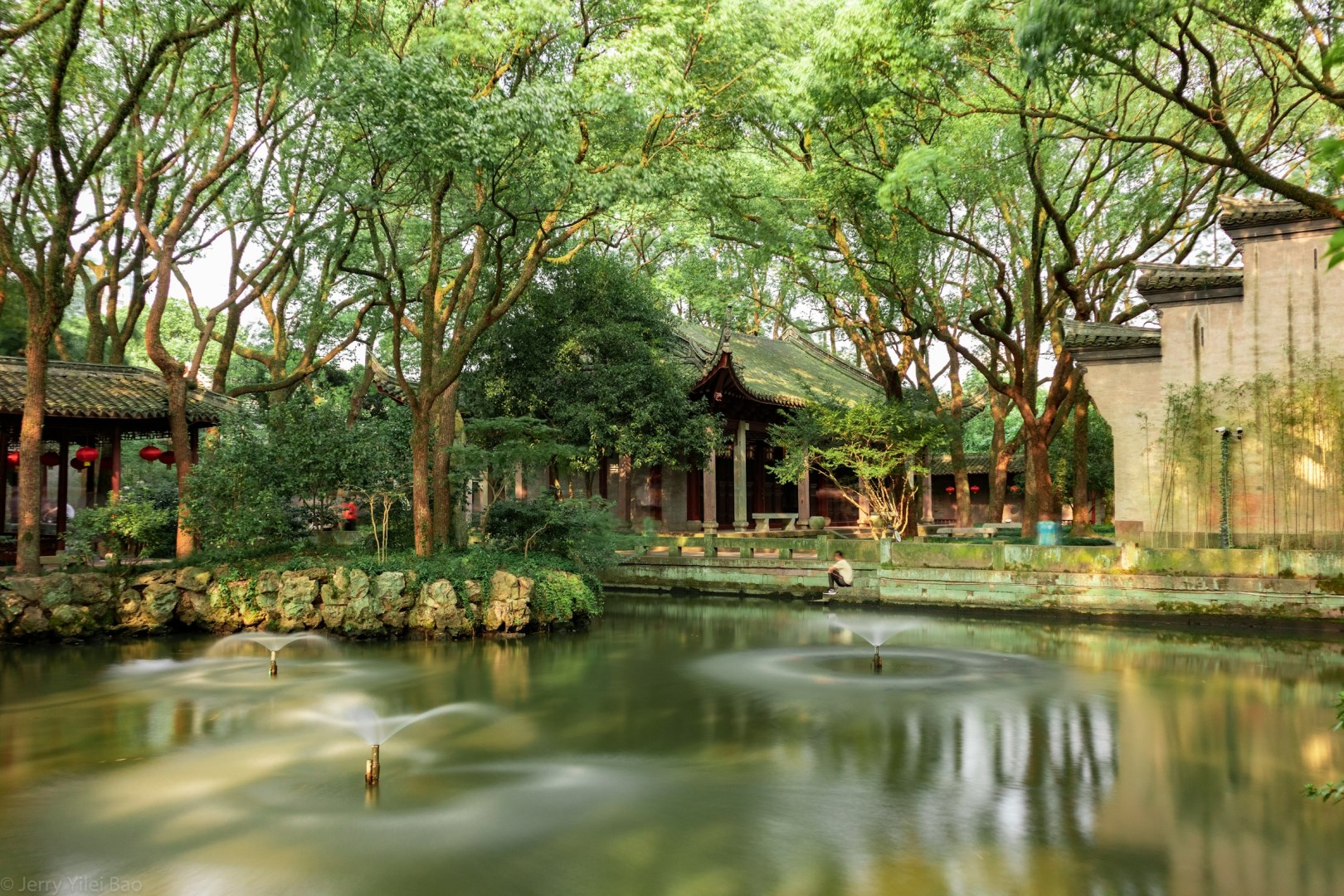
Ningbo is right on the East China Sea, south of Shanghai. Many scholars believe this was the cradle of Chinese civilization. Study the stone tablets and thousands of rare Ming Dynasty books in China's oldest and most renowned library. See the Asoka Temple believed to be one of the most important Buddhist temples in China or visit Tian Tong Temple, one of the largest and most scenic. For shopping, try the colorful and busy Gao Tang Free Market, the largest in the city.
Timor-Leste
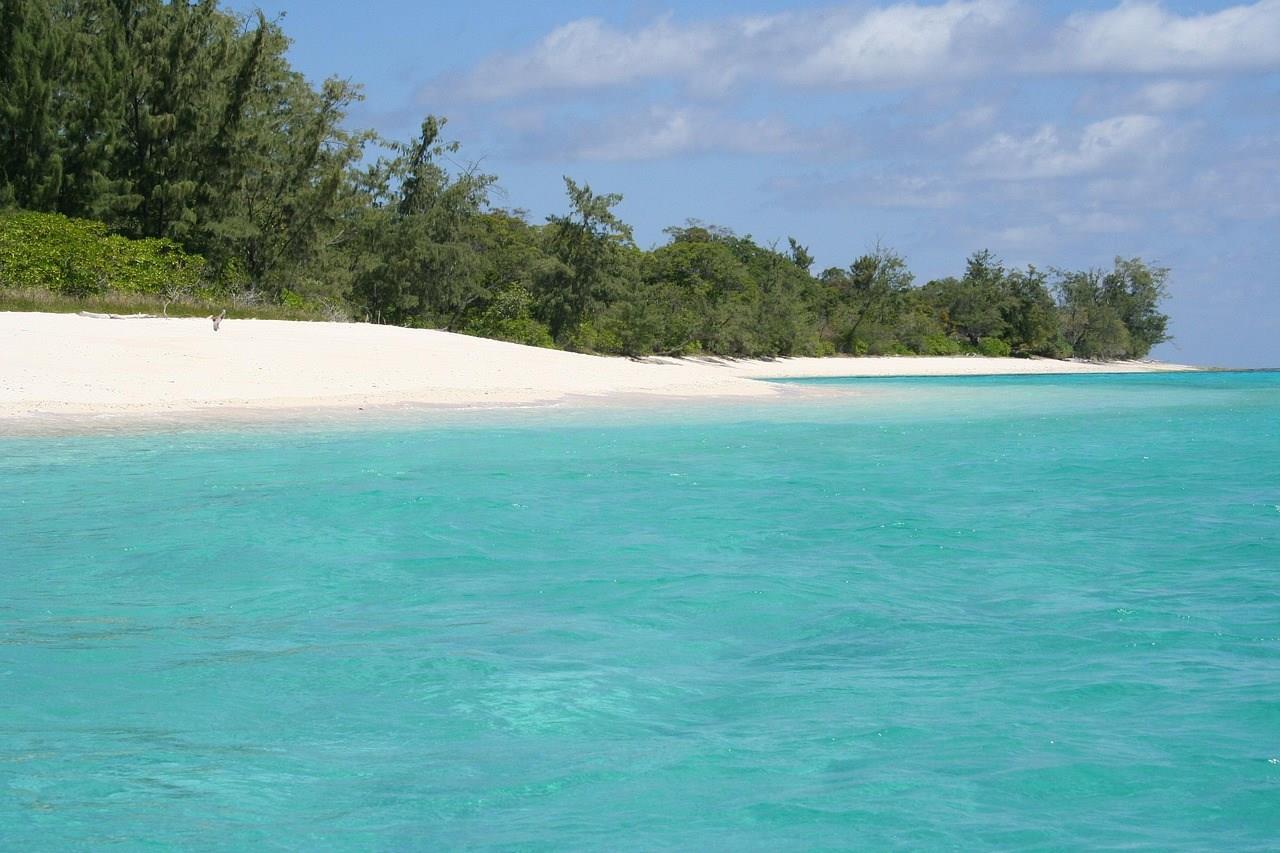
Timor-Leste, one of the world’s youngest nations, is a place where resilience and cultural richness shape everyday life. Its history is deeply marked by centuries of Portuguese colonial rule, followed by Indonesian occupation and a long struggle for independence, achieved in 2002.
Bandelier National Monument
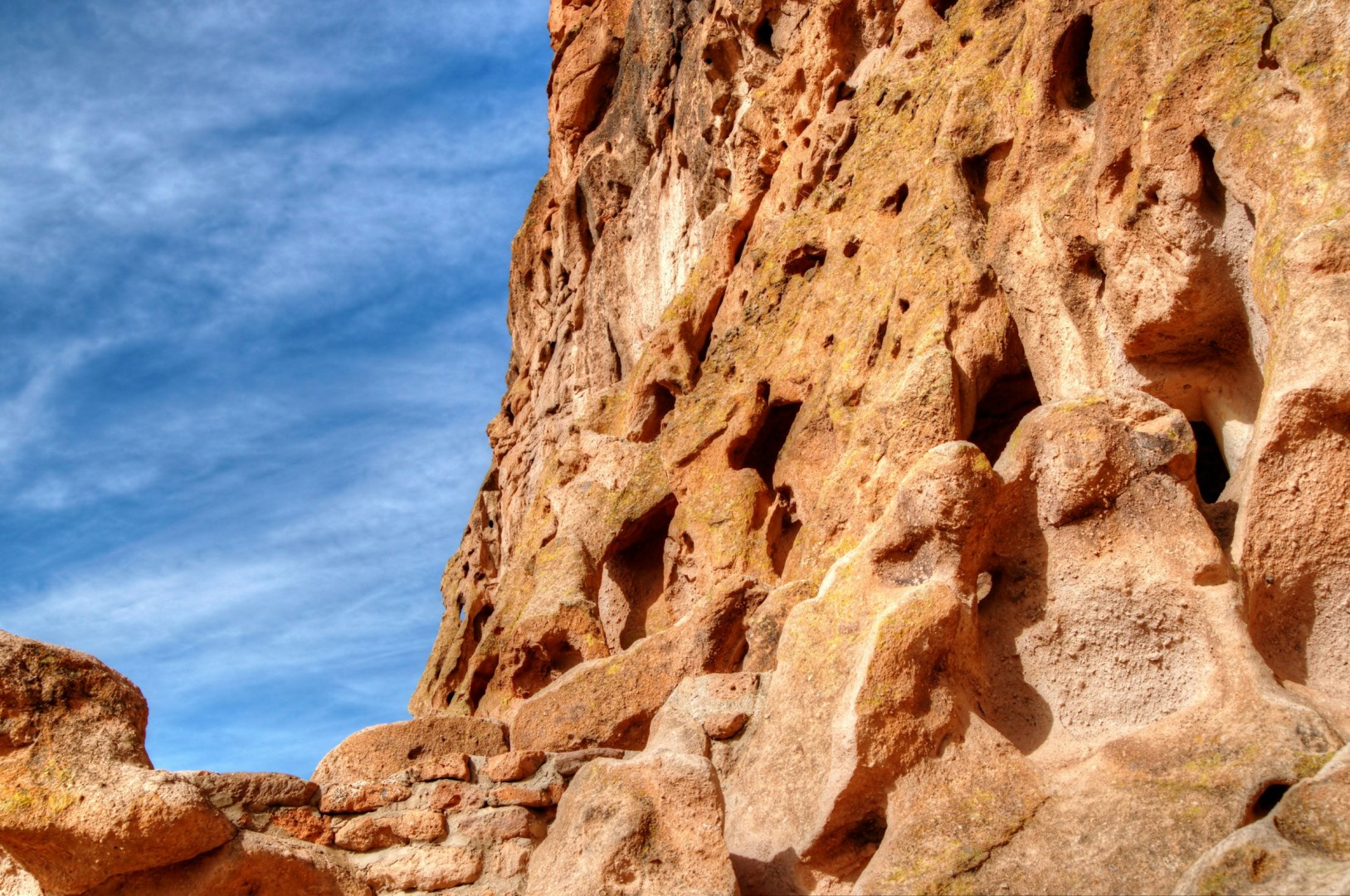
Bandelier National Monument lies in northern New Mexico near Los Alamos, protecting a rugged landscape of canyons, volcanic cliffs, mesas, and forested slopes. The monument is especially known for its ancestral Pueblo dwellings carved into soft volcanic tuff, including rooms, cavates, and ceremonial structures that remain visible along the canyon walls. Frijoles Canyon forms the main visitor area, with trails leading through archaeological sites and wooded terrain.
Campo Grande
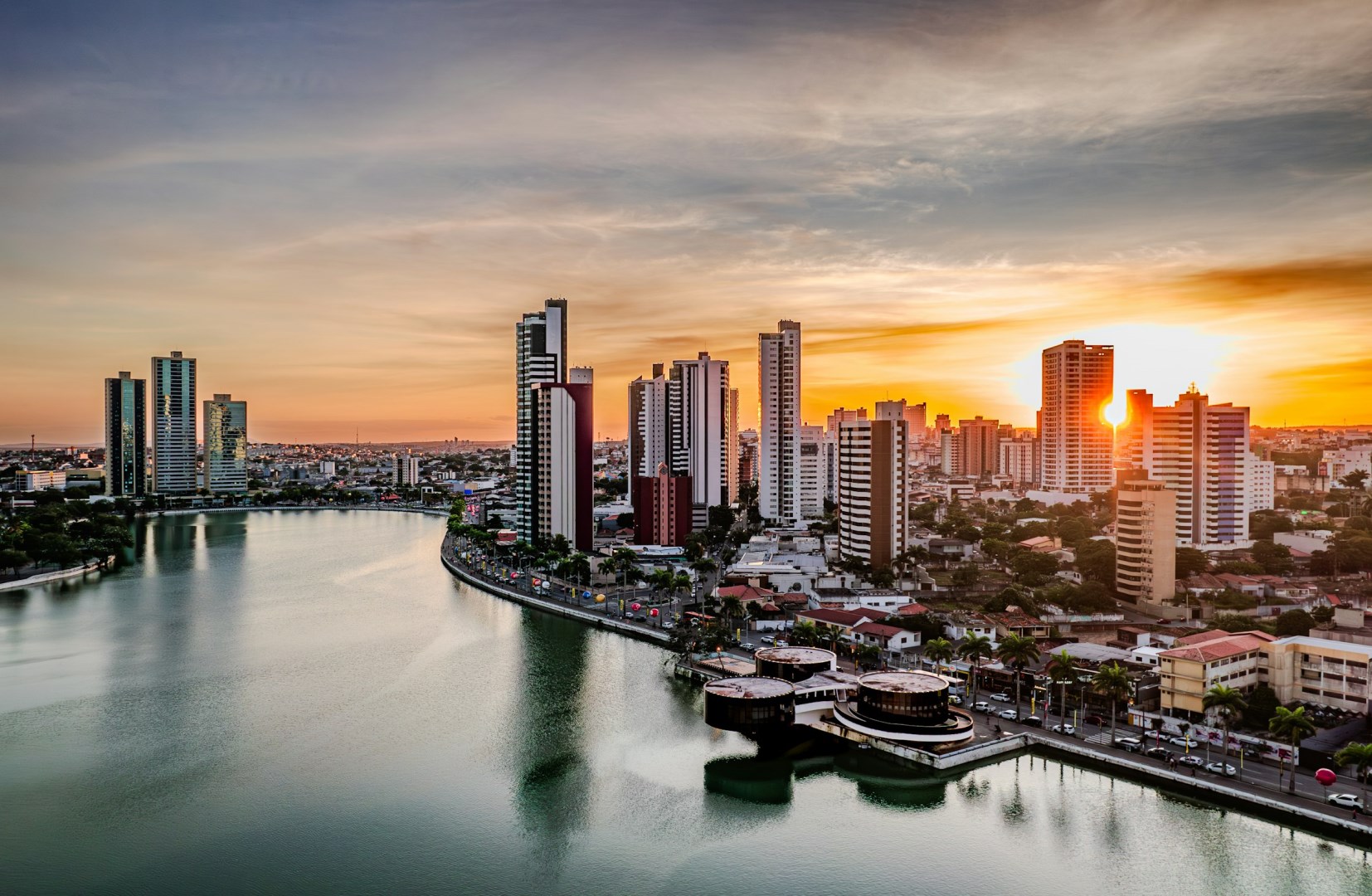
Campo Grande is the capital of Mato Grosso do Sul in central-western Brazil and an important urban gateway to the southern Pantanal and destinations such as Bonito. The city is often known as Cidade Morena, a reference to the reddish soil found across the region. Its broad avenues, parks, and low-density neighborhoods reflect its location on the edge of the Brazilian interior, where urban life meets ranching country and cerrado landscapes.
