
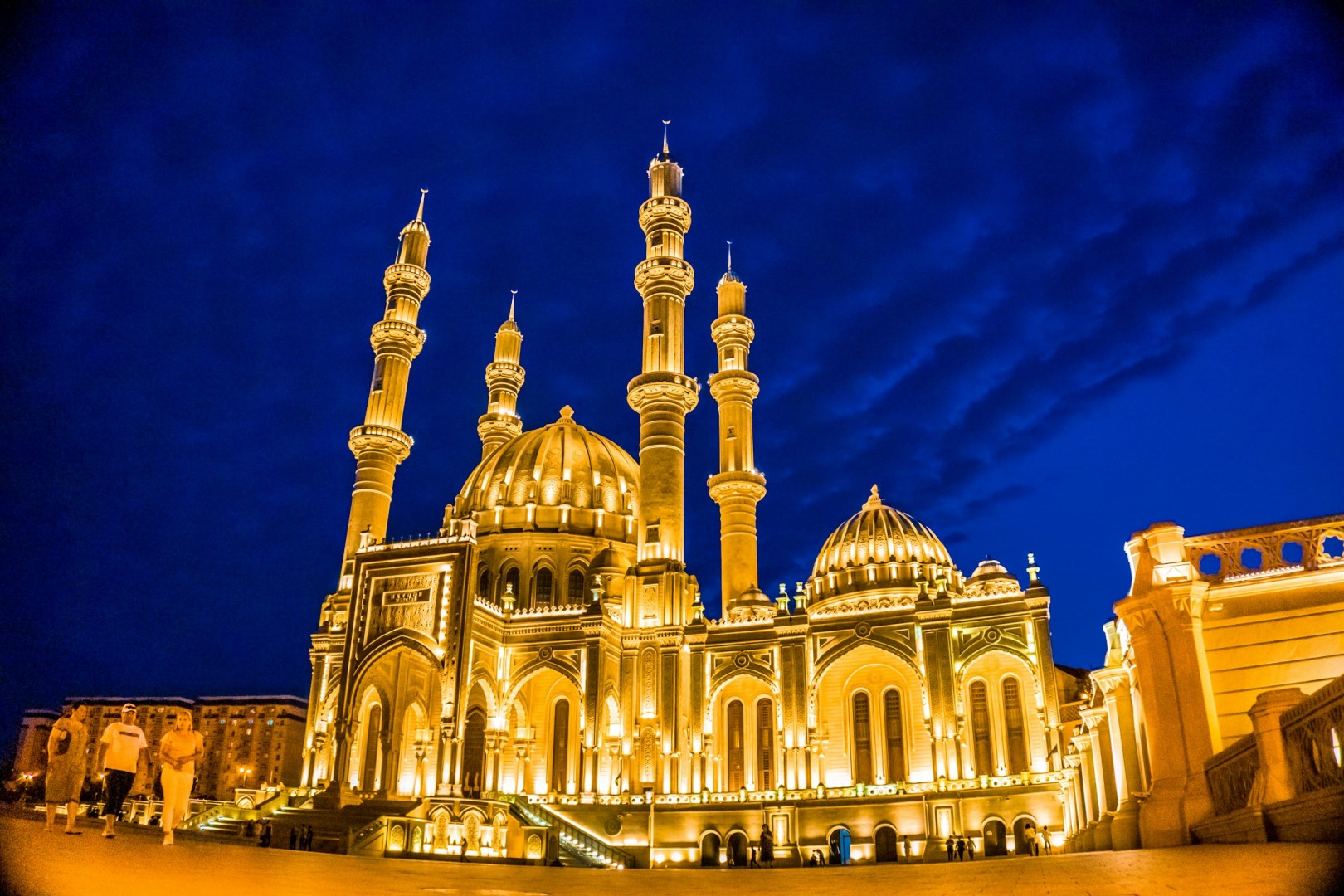
Baku
Baku, the capital of Azerbaijan, rises on the shores of the Caspian Sea as a city of striking contrasts. Its futuristic skyline, defined by the Flame Towers, glows each evening in waves of light, while the UNESCO-listed Old City preserves centuries of history within its fortified walls.
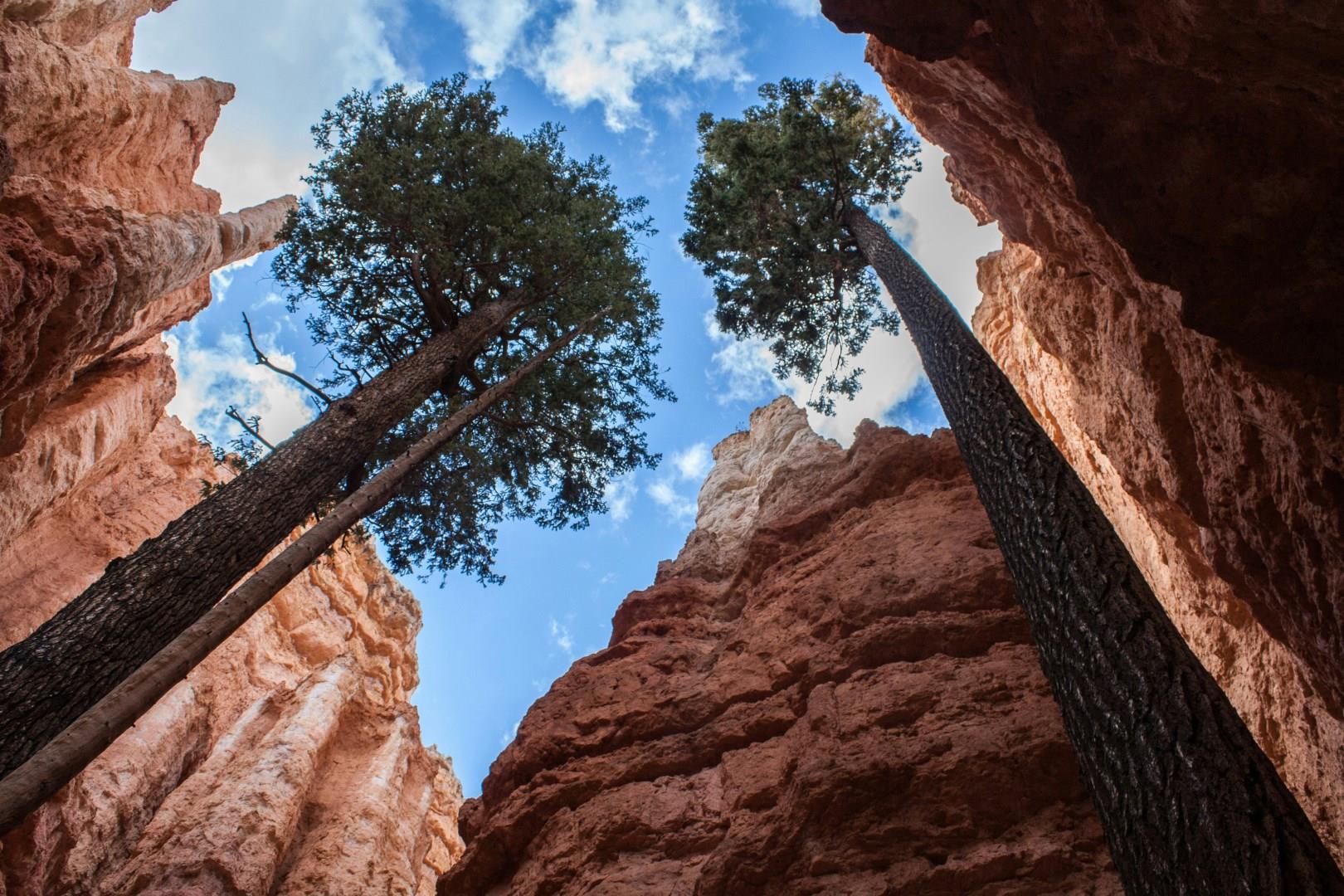
Bryce Canyon
Bryce Canyon, tucked into the high plateaus of southern Utah, offers one of the most unusual landscapes in the American Southwest. It’s not actually a canyon but a series of natural amphitheaters carved into the edge of the Paunsaugunt Plateau. What makes Bryce unique is its dense collection of hoodoos which are tall, thin spires of rock formed over millions of years by frost-wedging and erosion.
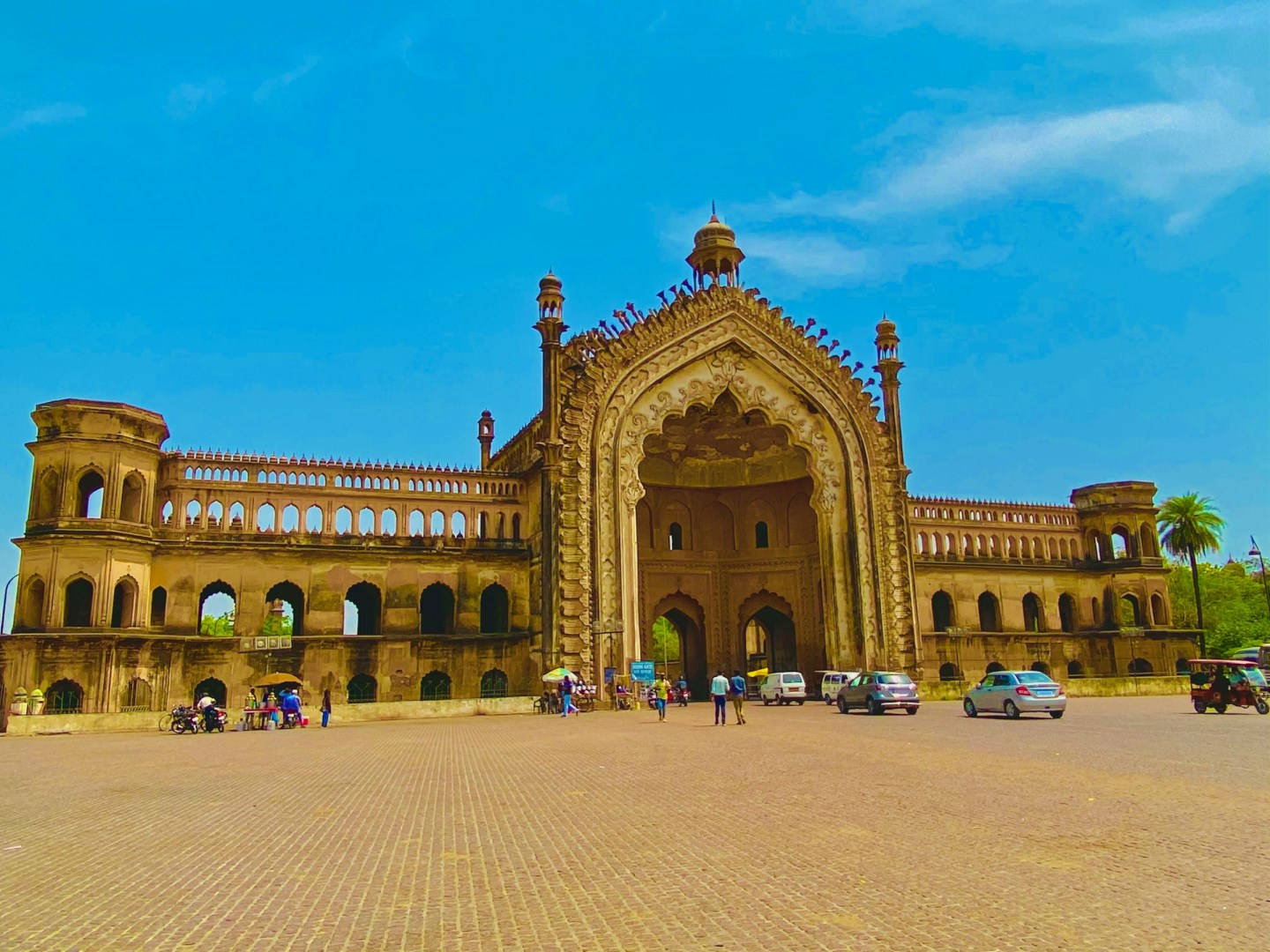
Lucknow
Lucknow, the capital of Uttar Pradesh, stands on the banks of the Gomti River and is widely associated with the cultural heritage of Awadh. The city is recognized for its distinctive architecture, refined traditions of etiquette, historic markets, and celebrated cuisine. Its built landscape ranges from grand religious complexes and gateways to colonial-era structures and modern urban districts. Lucknow is also an important centre for traditional crafts, particularly chikankari embroidery. Togeth

Imatra
Imatra, Finland, is a hidden gem nestled near the Russian border, known for its stunning natural beauty and rich history. A key draw is the Imatrankoski Rapids, one of Finland's oldest tourist attractions dating back to the 18th century. These powerful rapids, located on the Vuoksi River, have captivated visitors for centuries, including Russian nobility like Catherine the Great.

Lyon
The metropolitan center of southeastern France, vibrant Lyon abounds with stunning architectural masterpieces, gastronomic delights, and immersive museums. This spectacular city, founded by the Romans centuries ago, rivals Paris as a cultural and social hub for exploring the best that France has to offer.
