
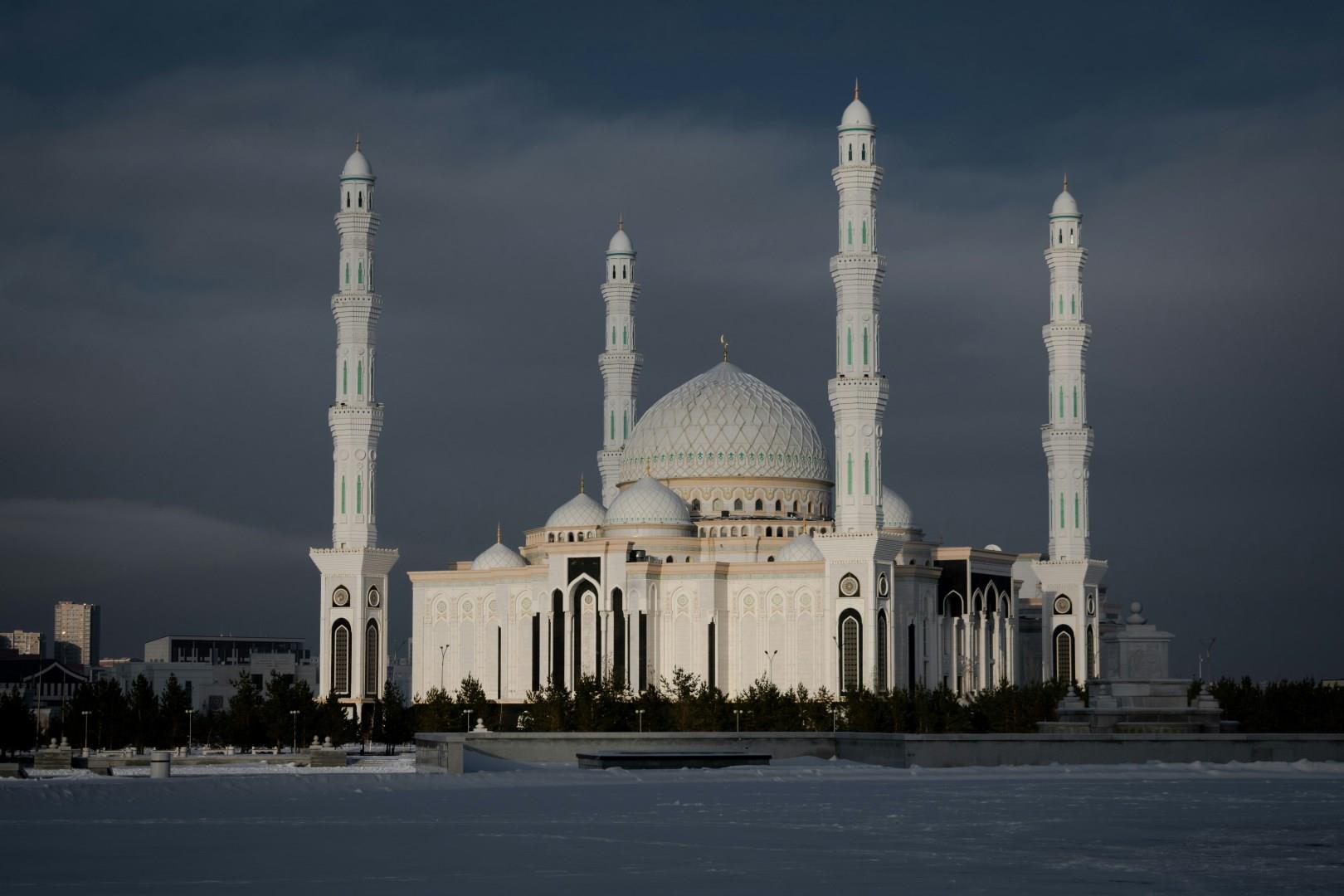
Astana
Astana, officially known as Nur-Sultan, is the modern capital of Kazakhstan and a striking example of contemporary urban design in Central Asia.
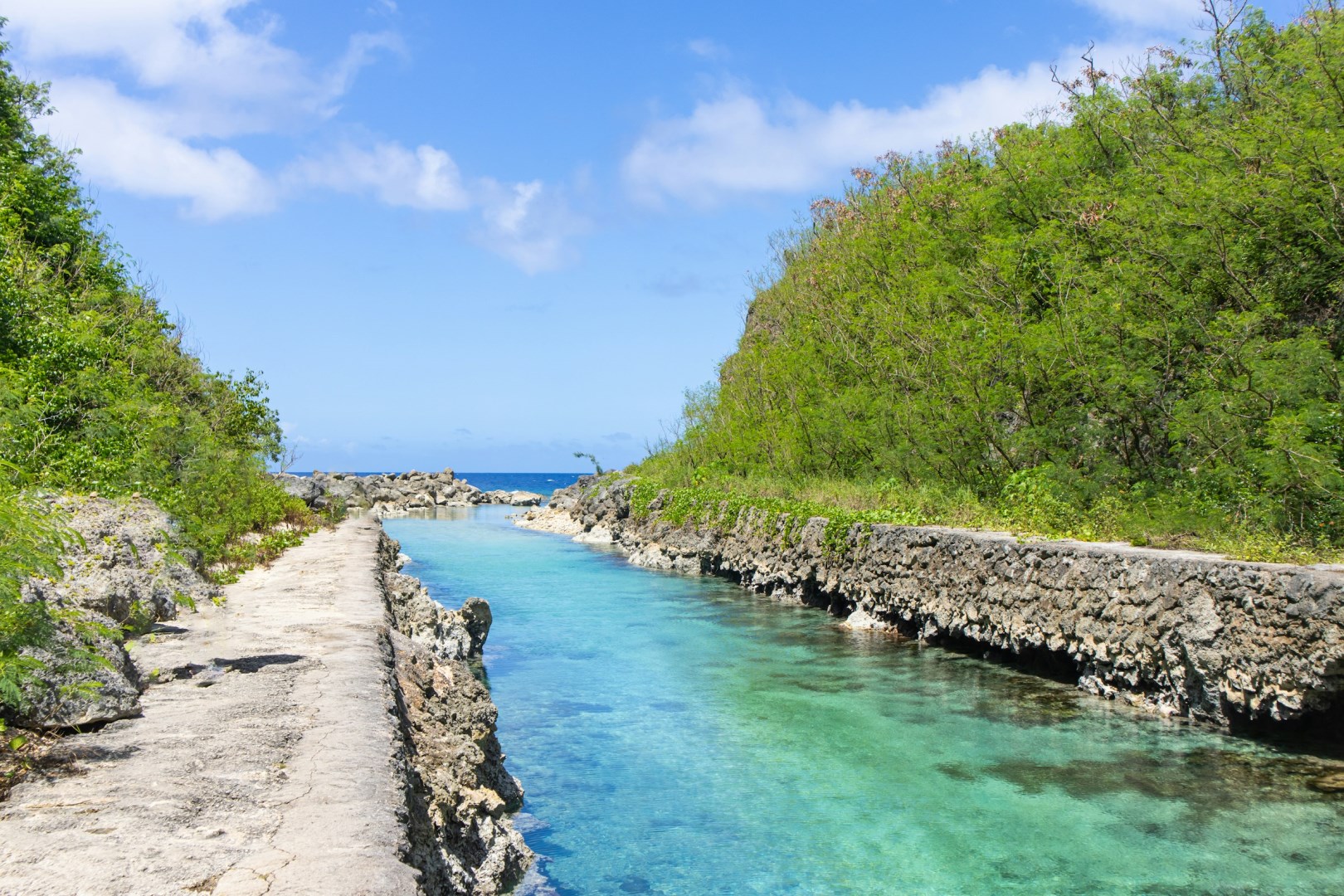
Guam
Guam, a vibrant island territory in the Western Pacific, offers travelers more than just sandy beaches and turquoise water. As the largest island in Micronesia, Guam has a dynamic past that’s shaped its present. Evidence of ancient Chamorro settlements can be found at sites like Latte Stone Park, where limestone pillars dating back over a thousand years stand tall.
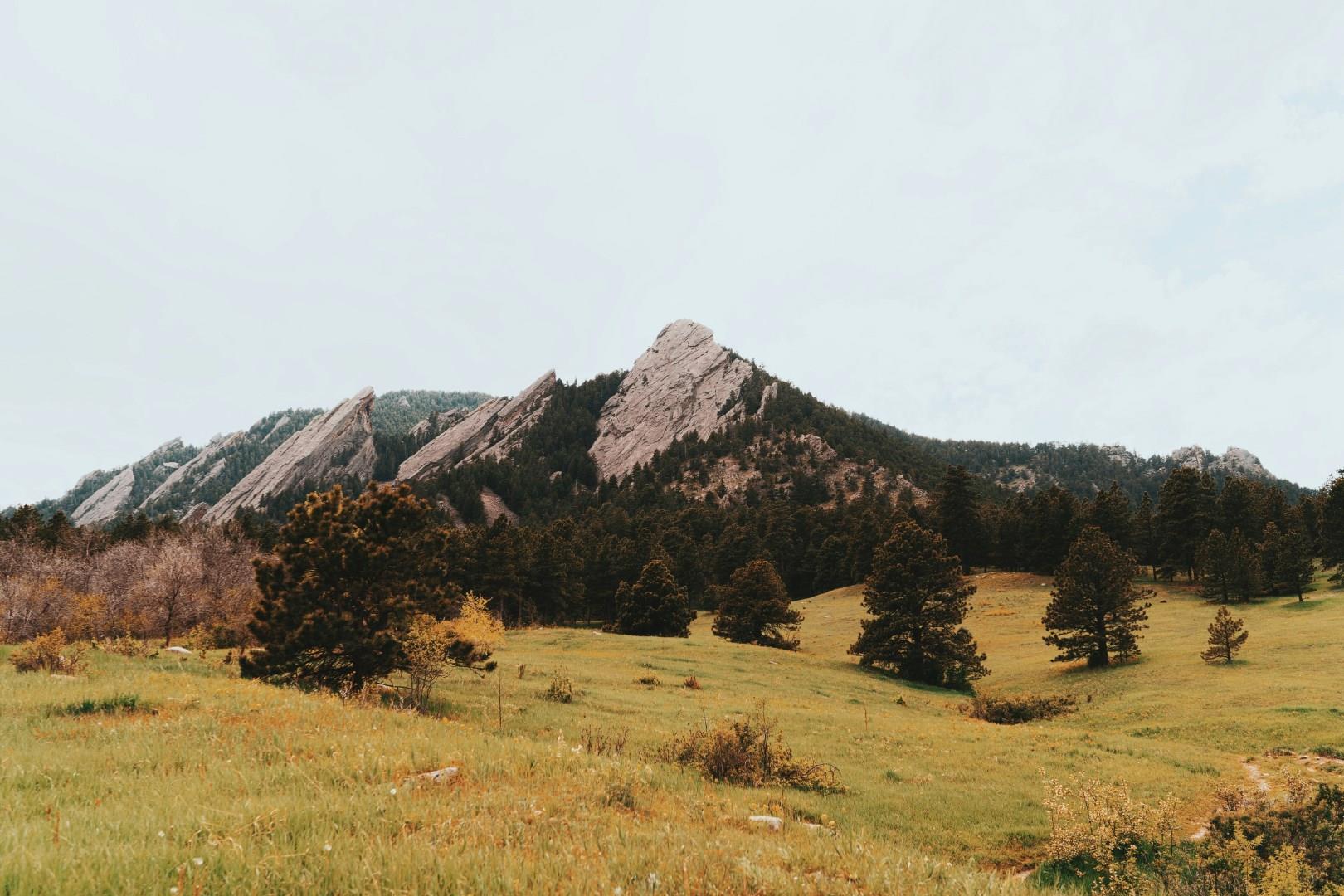
Boulder
Boulder, a beautiful 2,500 foot high oasis of green lawns and clean trees-shaded streets where the sun shines over 320 days a year, overlooks the Lake Mead National Recreation Area. Recognized as truly a family oriented and community minded city, one only has to visit for a short time to confirm this reputation.
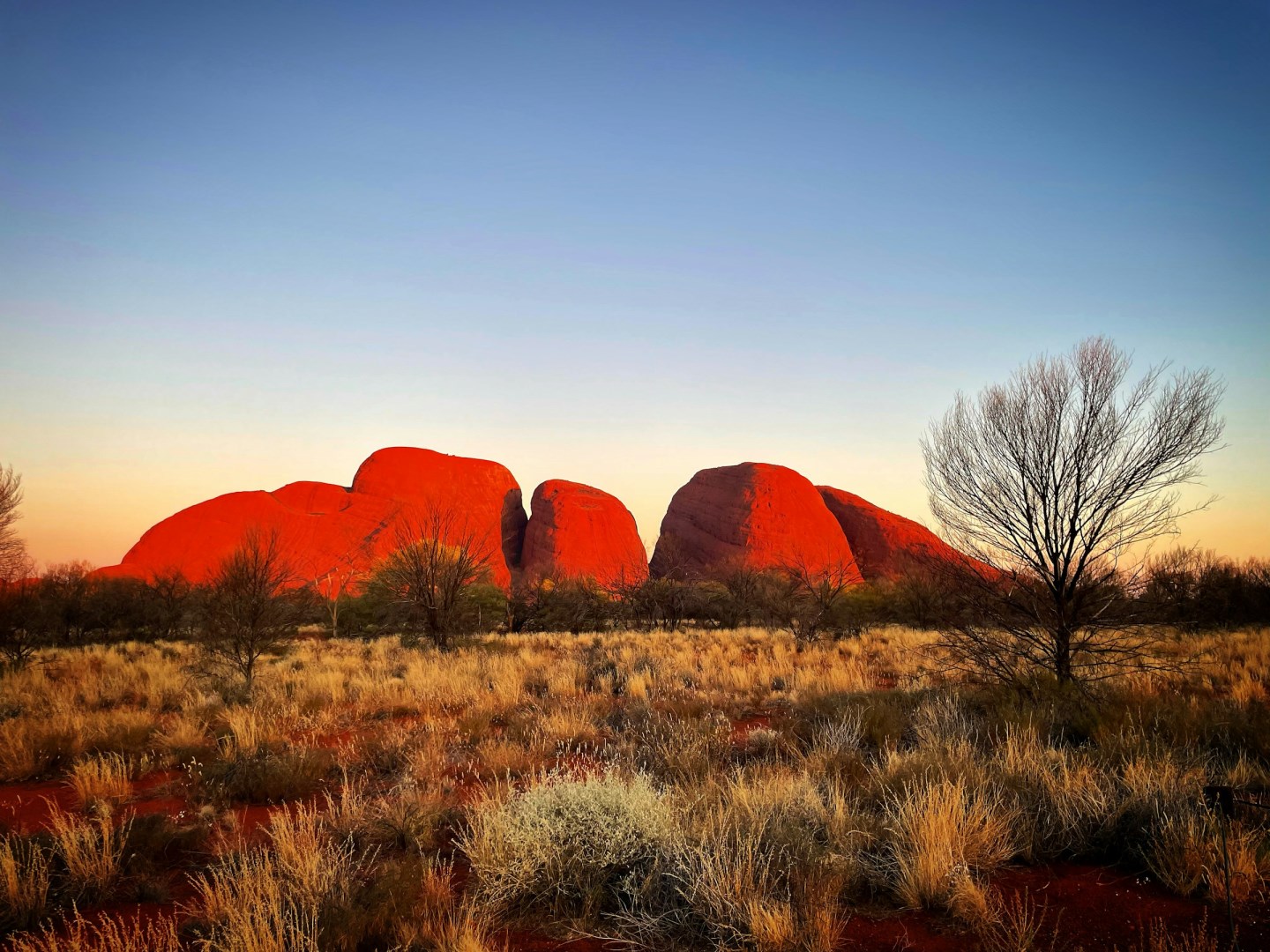
Kata Tjuta
Kata Tjuṯa is a group of large rock domes in the Red Centre of Australia, within Uluṟu-Kata Tjuṯa National Park in the Northern Territory. Located about 40 kilometres west of Uluṟu, the formation rises prominently from the surrounding desert plain and consists of 36 domes spread across a broad area. Its name means “many heads” in the local Aṉangu languages.
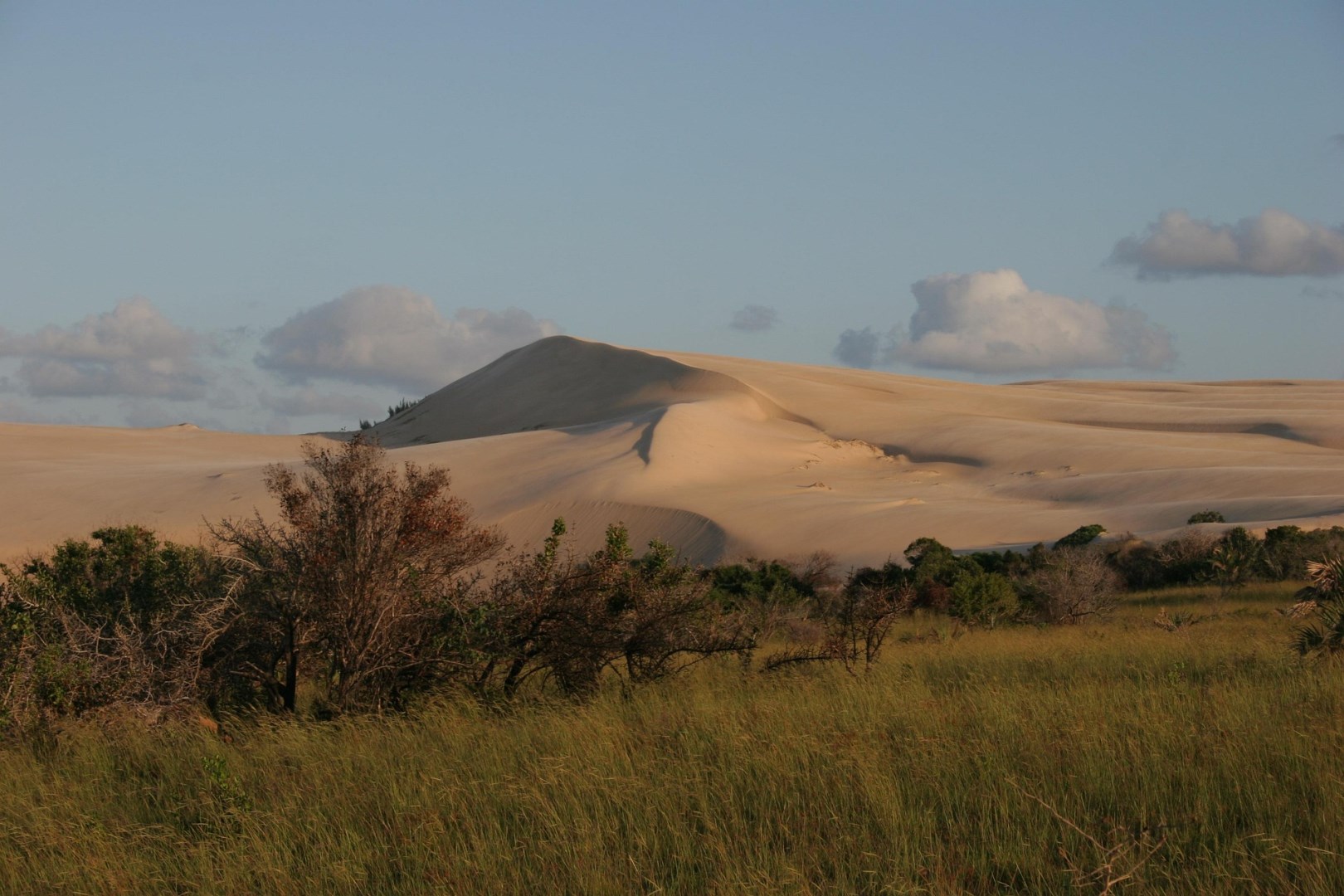
Bazaruto Archipelago
The islands have long been connected to coastal communities whose livelihoods include fishing and small-scale trade. Traditional dhow boats remain part of the maritime landscape, linking island and mainland communities across the archipelago. Local culture reflects the wider coastal heritage of Inhambane Province, where African, Swahili, and Indian Ocean influences have shaped food, language, music, and commerce.
