
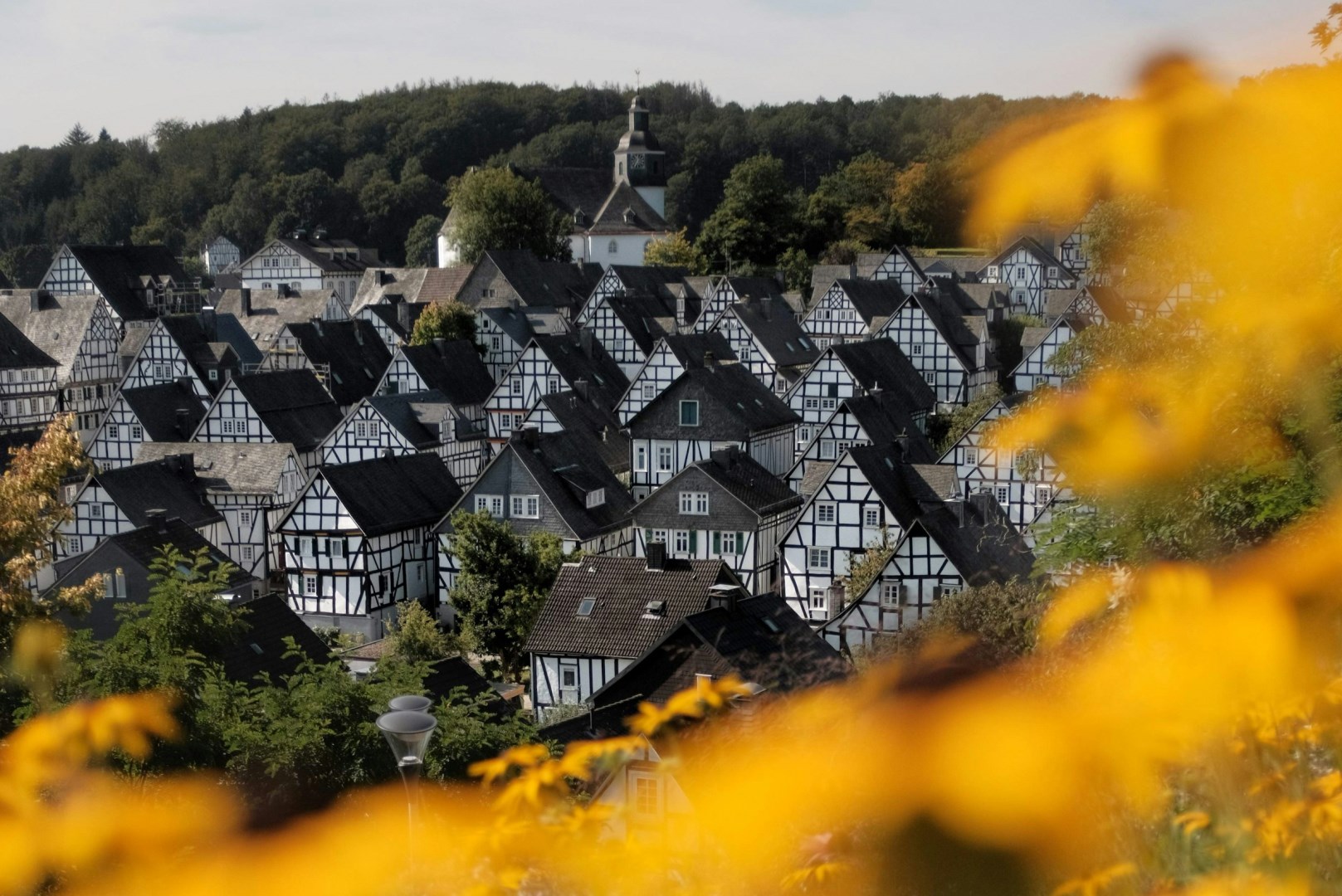
Freudenberg
Freudenberg is a small medieval town in Germany. The "Alter Flecken" is Freudenberg's downtown area, built wholly of half-timbered houses that give the town a fairytale appearance. An open-air stage with roofed grandstand, the town museum housing a 1904 steam engine, and annual Oktoberfest celebrations are the town's most popular attractions.
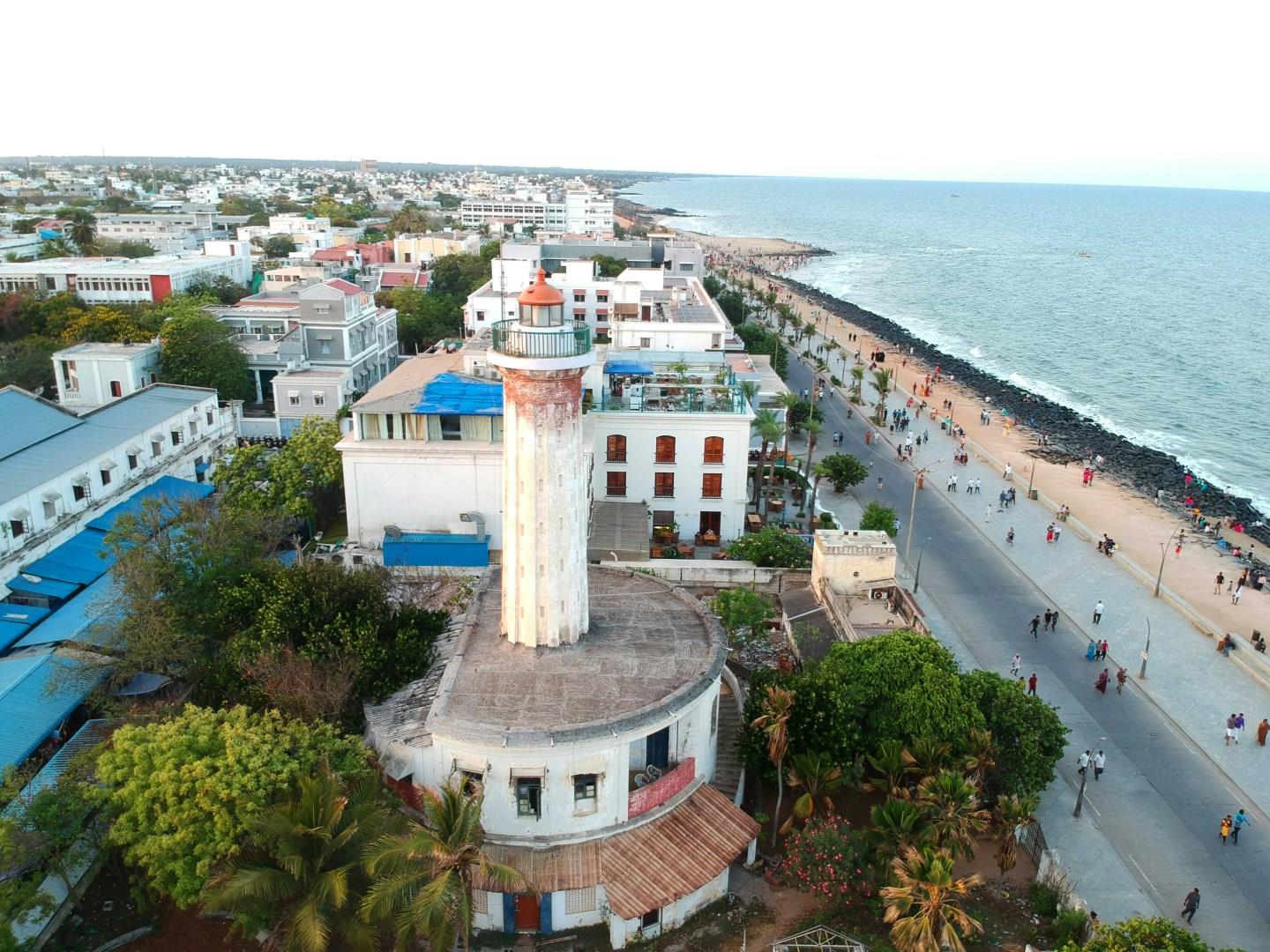
Pondicherry
Pondicherry is a coastal town in southern India that still carries traces of its French colonial past. The French Quarter, or White Town, is filled with mustard-yellow buildings, iron-laced balconies, and streets with French names. Visitors can explore this area on foot or by bicycle, stopping at spots like the 18th-century Eglise de Notre Dame des Anges, built in Greco-Roman style, or the French Consulate, which continues to operate from a colonial-era building.

Queen Elizabeth National Park
Queen Elizabeth National Park, in western Uganda, is one of East Africa’s most diverse and scenic protected areas. Stretching from the Rwenzori Mountains to the shores of Lake Edward, the park encompasses savannah, wetlands, and dense forests, making it a sanctuary for an incredible array of wildlife.
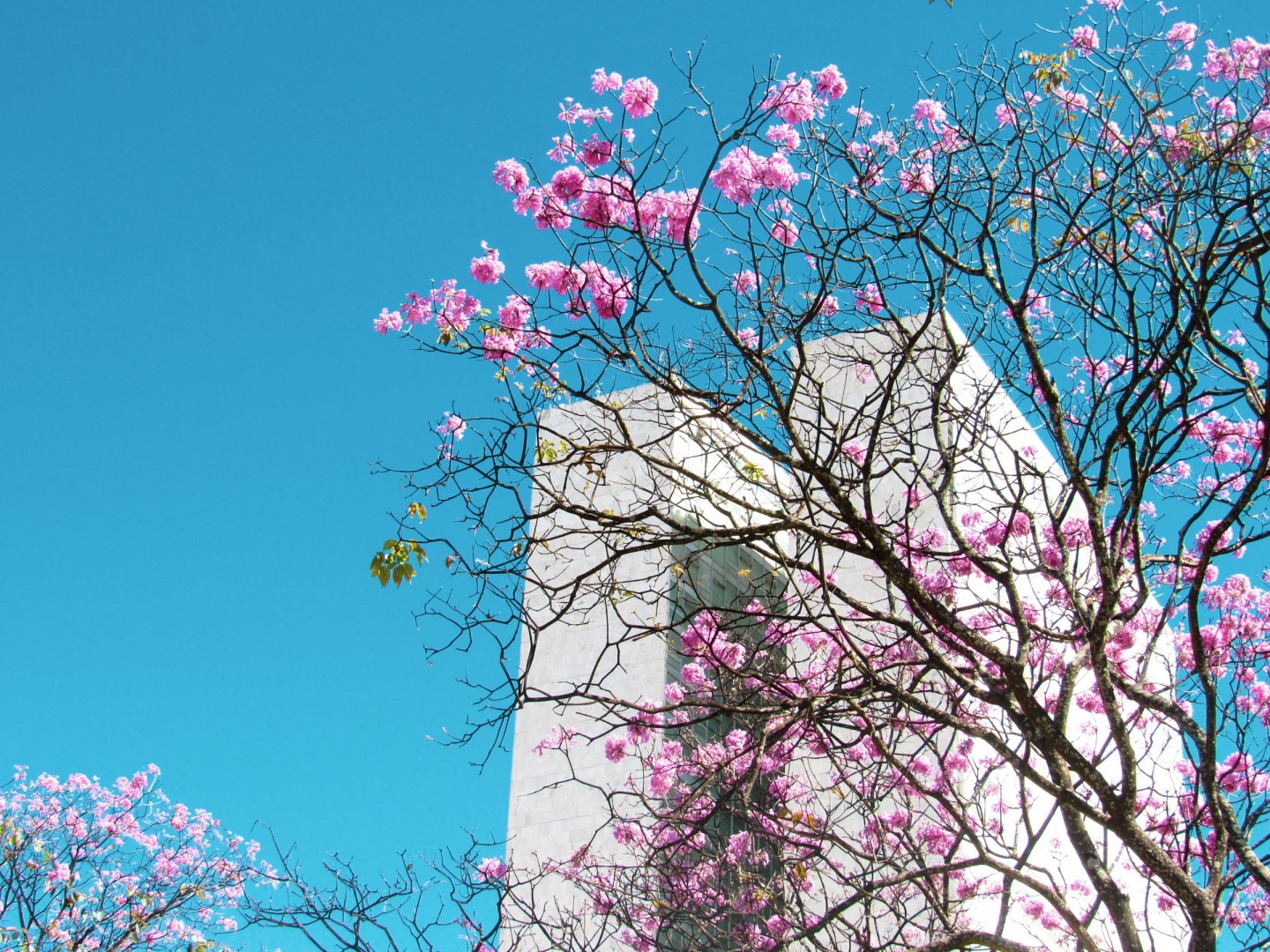
Brasília
Brasília may be a World Heritage Site, but it is only of interest to town planning and architecture students, and those keen to witness the folly of man on a metropolitan scale. It must have looked good on paper, and still looks good in photos, but in the flesh, forget it. Designed by architect Oscar Niemeyer, urban planner Lucio Costa, and landscape architect Burle Marx, the city was built in an incredible three years between 1957 and 1960.
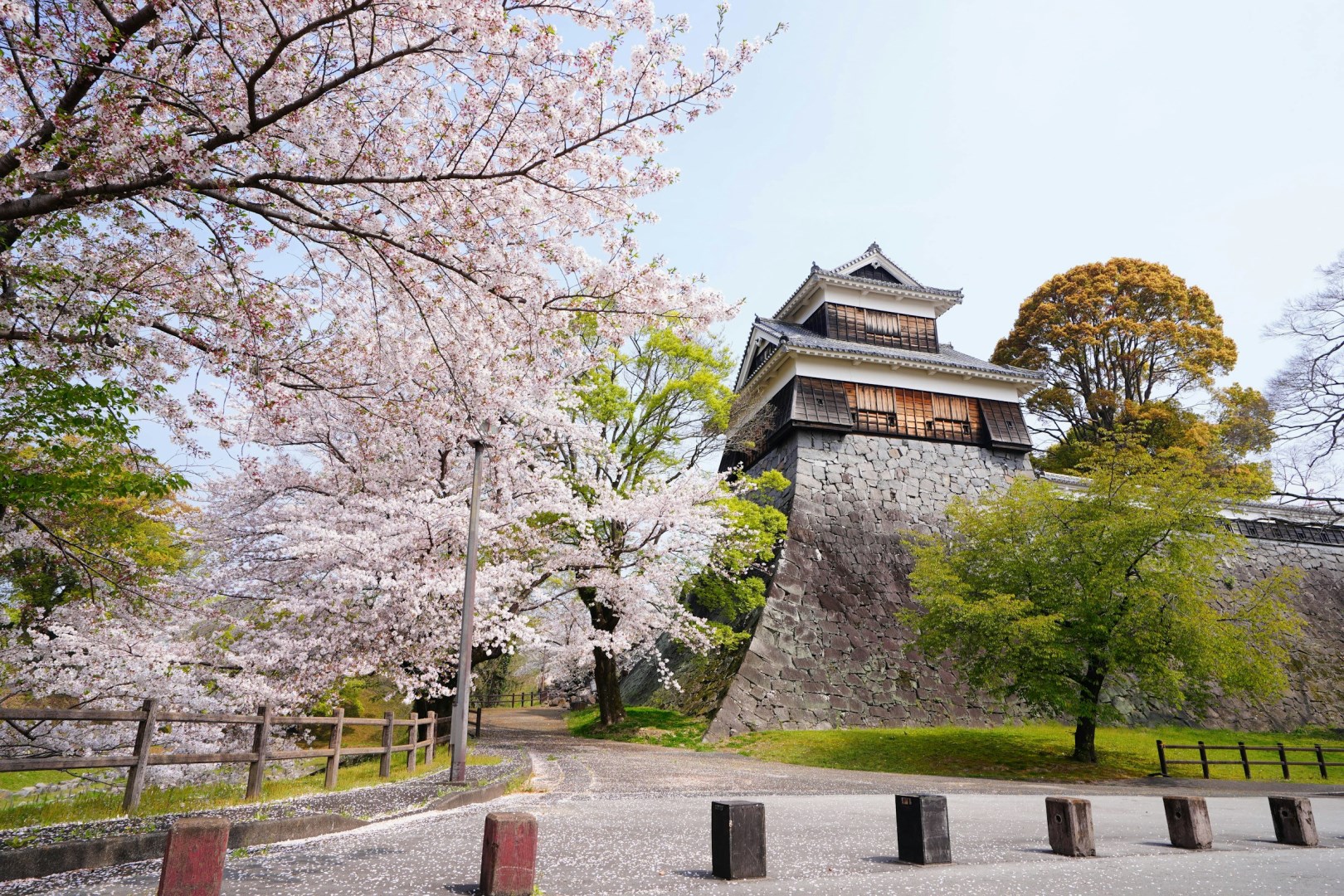
Kumamoto
Kumamoto is a city on Japan’s southern island of Kyushu, known for its castle, volcanic landscapes, and traditional gardens. It serves as the capital of Kumamoto Prefecture and lies on the western side of Mount Aso’s broader volcanic region. The city center combines historic districts with modern shopping streets, tram lines, and riverside neighborhoods.
