
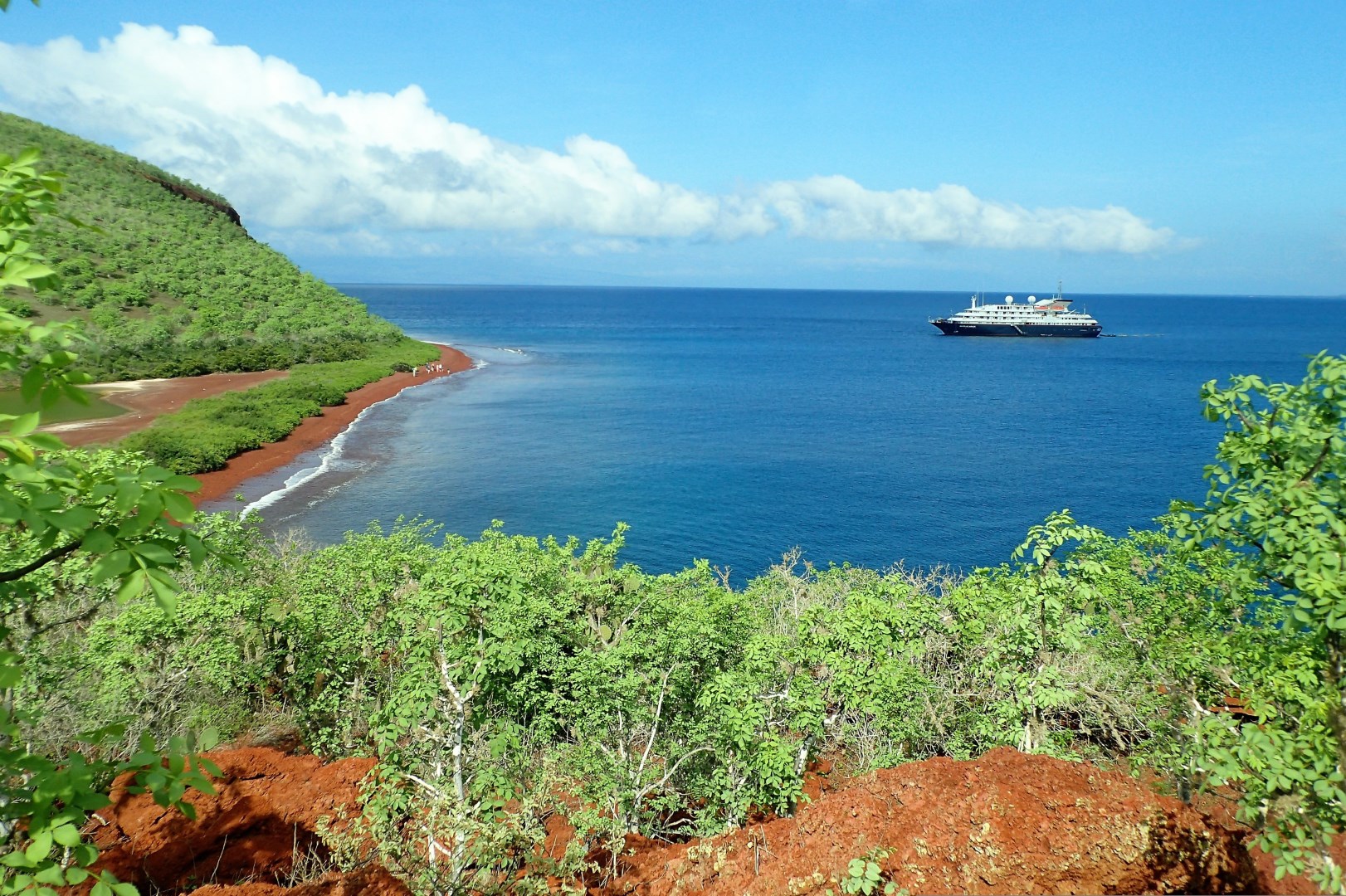
Santiago Island
Set in the heart of the Galápagos archipelago, Santiago Island offers a raw and untamed landscape shaped by volcanic forces. Unlike more developed islands in the region, Santiago remains largely uninhabited, giving visitors a rare look at ecosystems that have evolved with minimal human presence. Its coastline shifts from black lava fields to soft sandy beaches, while inland trails reveal hardened flows and scattered vegetation slowly reclaiming the terrain.
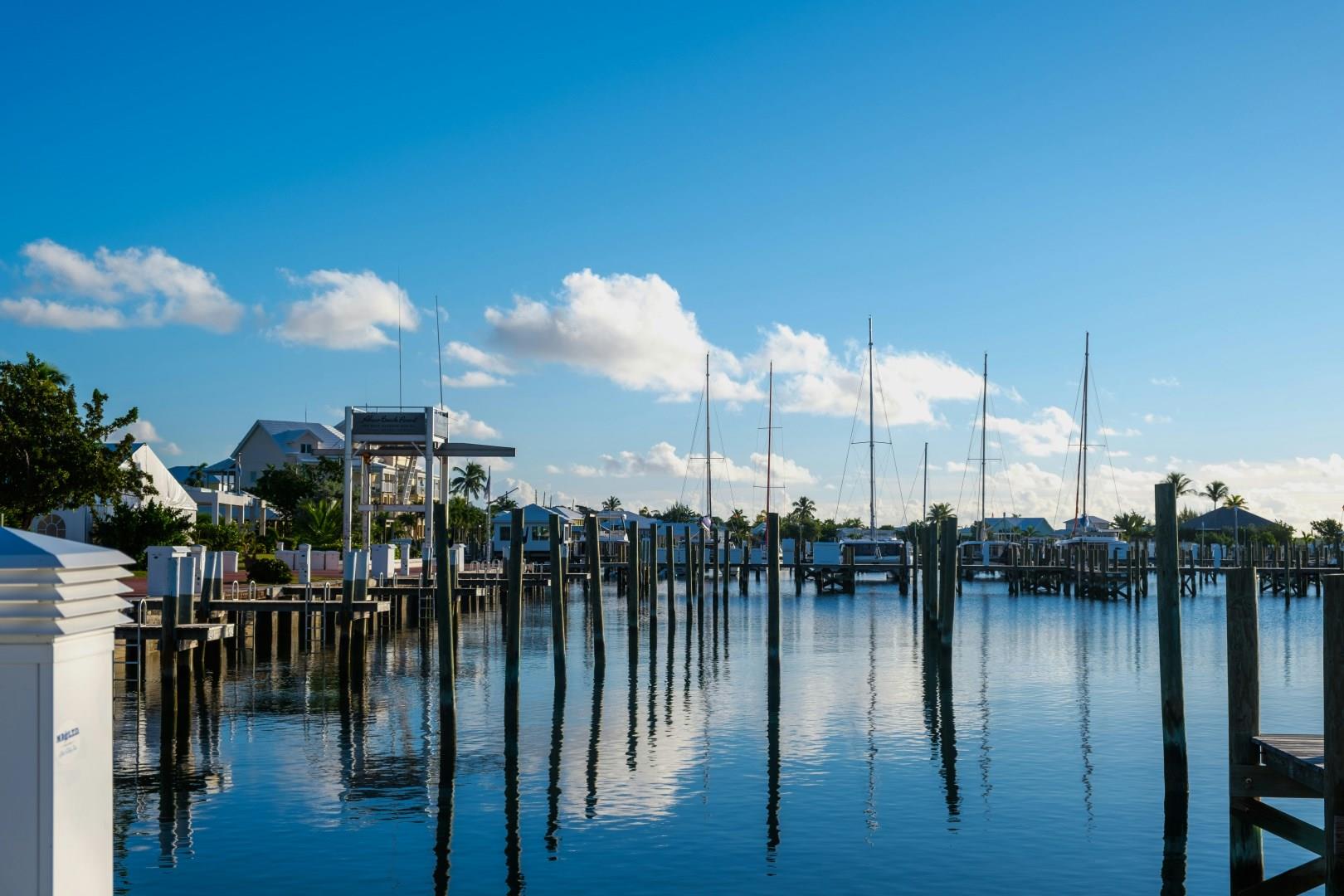
Abaco
The Abaco Islands, part of The Bahamas, stretch across more than 120 cays and islands, offering a laid-back yet adventurous escape. Known for their calm waters and sheltered harbors, the Abacos are often called the sailing capital of The Bahamas, drawing boaters and yachters from around the world.
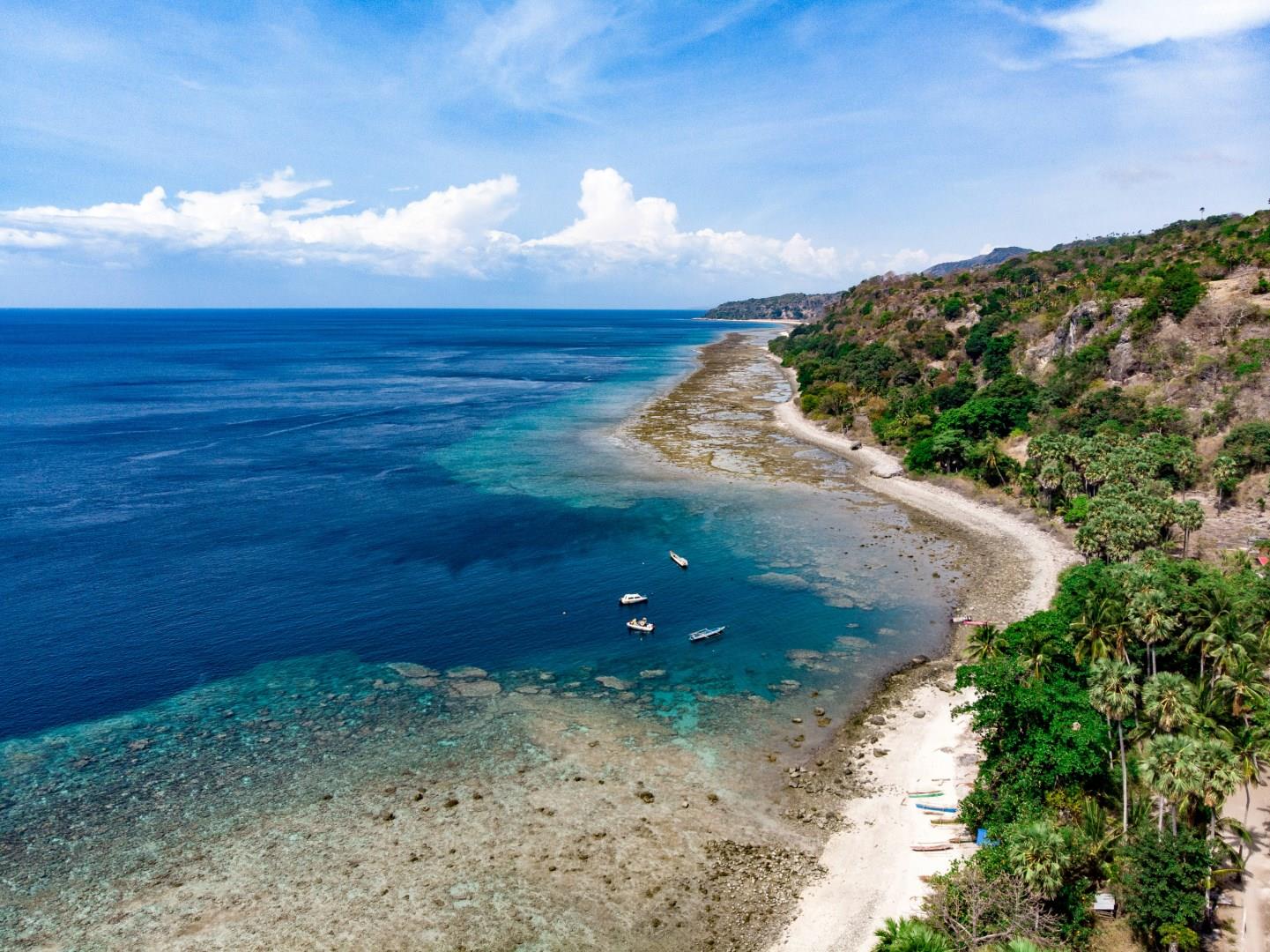
Adara
Adara is a small, remote village on Atauro Island in Timor-Leste, known for its quiet charm and deep connection to the sea. Nestled between steep mountain slopes and the turquoise waters of the Wetar Strait, the community lives largely from fishing and small-scale agriculture.
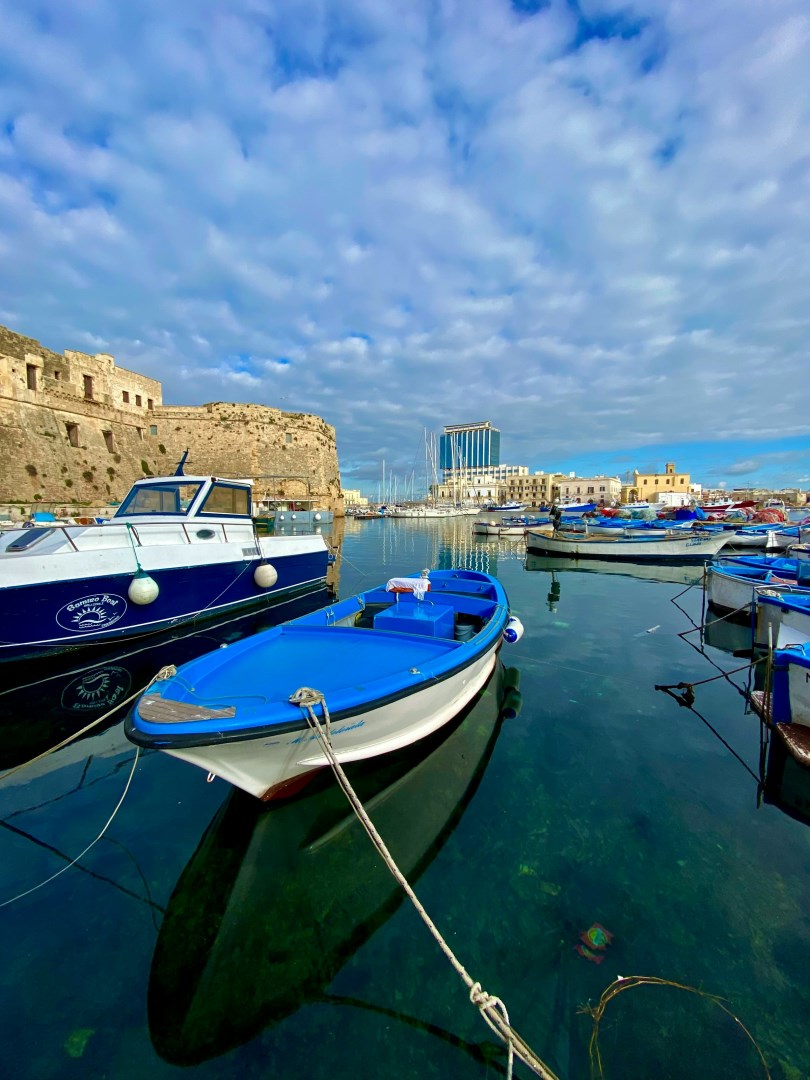
Gallipoli
Gallipoli is a coastal town in Puglia’s Salento peninsula, built around an old city that occupies a limestone island just offshore from the modern mainland. A bridge connects the historic island with the newer part of town, creating a distinctive layout shaped by the sea. The old center contains narrow streets, whitewashed buildings, small squares, churches, and remnants of defensive walls, while the waterfront opens toward the Ionian Sea.

Can Tho
Can Tho is the largest city in Vietnam's Mekong Delta and an important commercial center in the region. It lies along the Hau River, one of the Mekong's major distributaries, and is surrounded by canals, rice fields, fruit orchards, and low-lying farmland. Waterways remain closely connected to daily life, with boats carrying people and goods between communities.
