
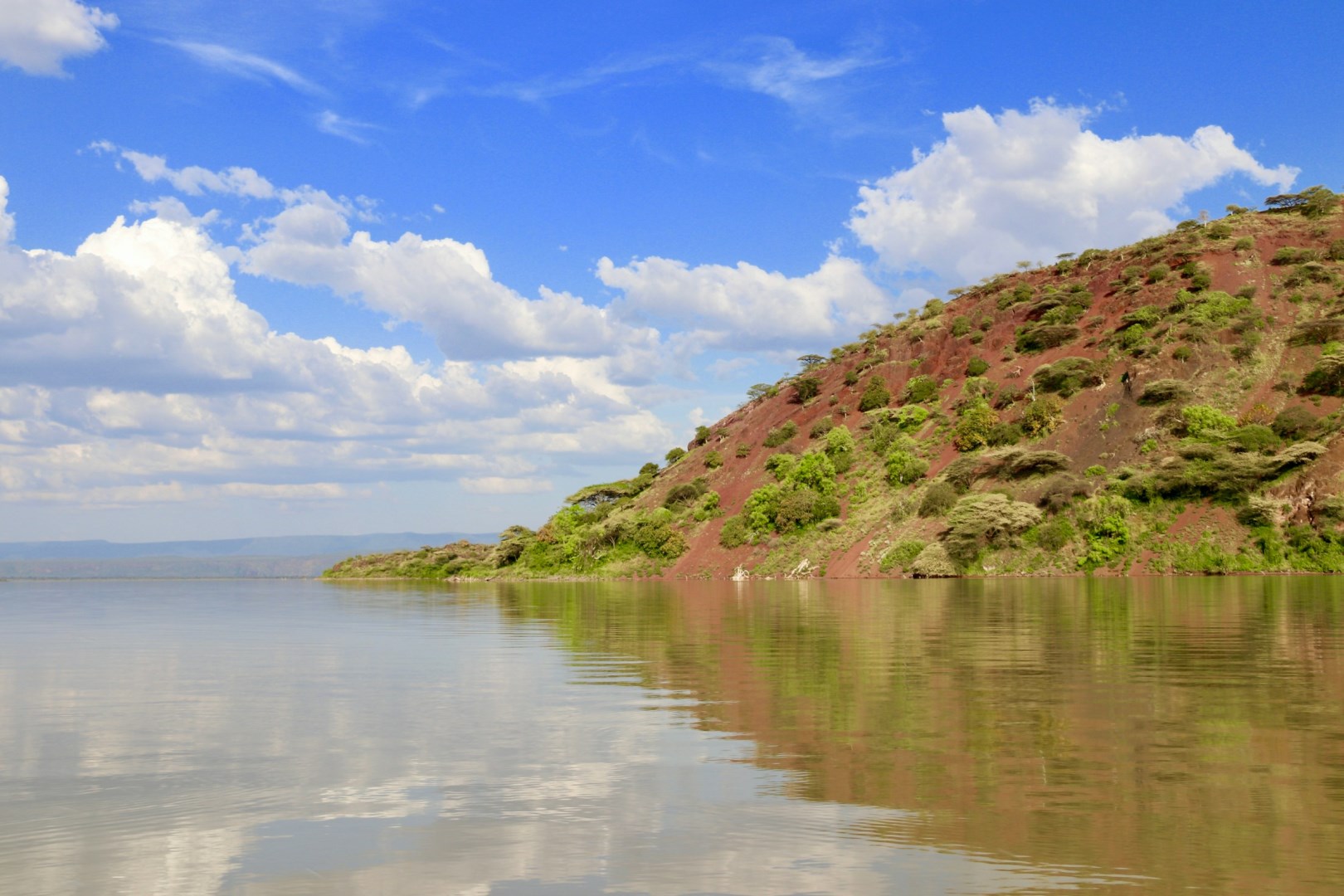
Lake Baringo
A shallow lake at over 3200 feet above sea level in central west Kenya, it is the home of the Kamasya and Njamus who raise cattle and crops and fish for tilapia. The lake covers about 50 square miles.

Raiatea
Raiatea's laid-back atmosphere and warm hospitality make it a wonderful place to unwind and soak in the peaceful rhythms of Polynesian life.
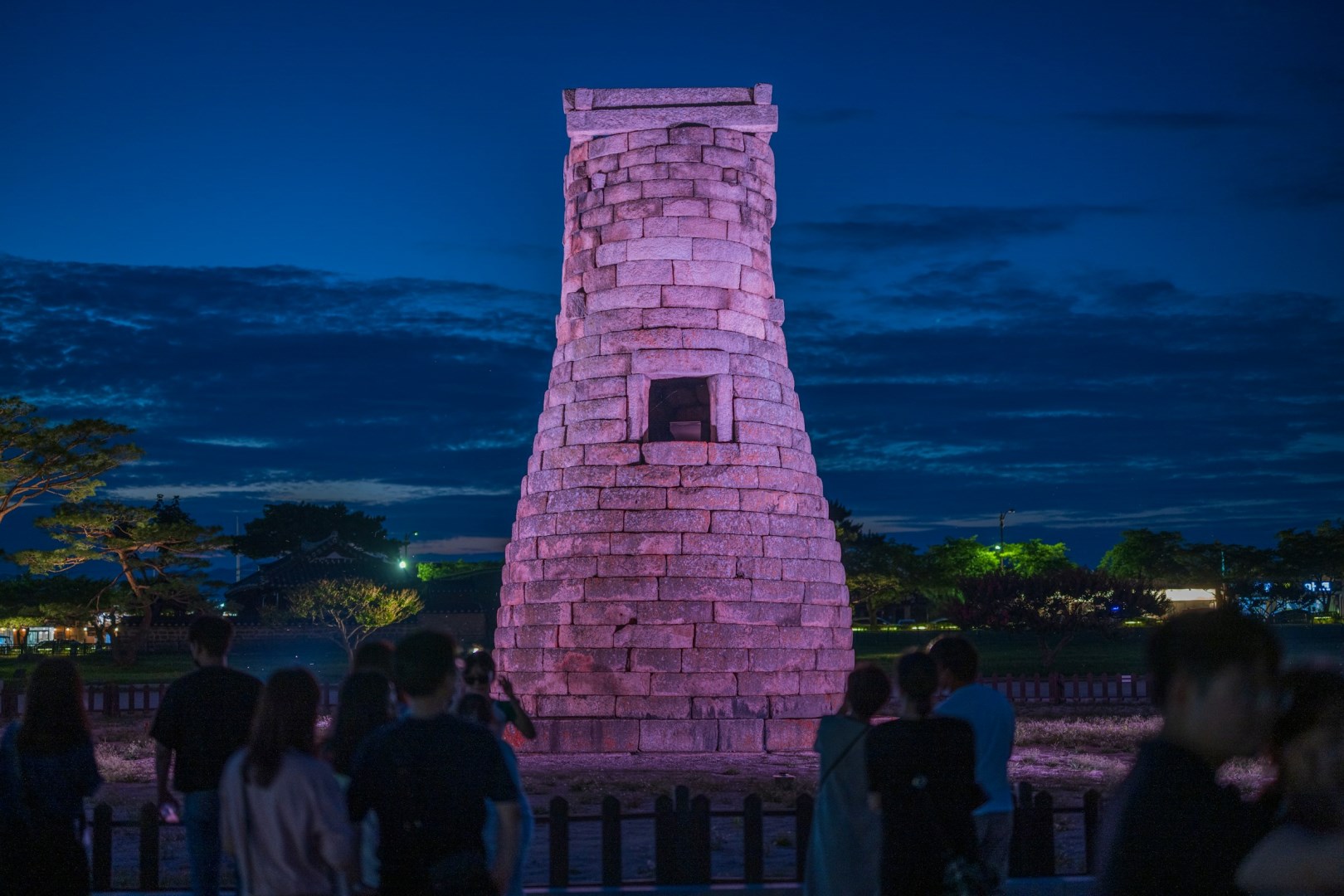
Gyeongju-si
Gyeongju-si is a historic city in southeastern South Korea known for its close connection with the Silla kingdom and its concentration of archaeological sites, temples, royal tombs, and Buddhist monuments. Much of the city’s heritage is spread across open landscapes rather than confined to a single historic center. The Gyeongju Historic Areas include Mount Namsan, the Wolseong area, royal tomb complexes, and the remains of major temples and palaces.

Colombo
Colombo, the commercial capital of Sri Lanka, is a vibrant city where colonial architecture meets modern skyscrapers. Visitors can explore historic sites such as the Gangaramaya Temple, the Dutch Hospital, and the Colombo National Museum, which reflect the city’s rich cultural heritage and diverse history.

Manaus
Manaus, capital of Brazil’s Amazonas state, is a city that rises unexpectedly from the rainforest. Once the center of the global rubber boom in the late 1800s, Manaus still holds onto that legacy with surprising elegance. The Teatro Amazonas, an opulent opera house imported piece by piece from Europe, sits at the heart of the city, its pink façade and domed roof tiled in the colors of the Brazilian flag. Today, it hosts concerts, festivals, and curious visitors eager to step back in time.
