

St. George's
St. George’s, the capital of Grenada, is a picturesque harbor town nestled within the rim of an extinct volcano. Its horseshoe-shaped Carenage, lined with pastel-colored colonial buildings, offers a postcard-perfect introduction to the island.

Dominica
Dominica, known as the “Nature Island of the Caribbean,” is a haven for eco-tourists and adventure seekers. Nestled between the French islands of Guadeloupe and Martinique, this lush island boasts a remarkable landscape of volcanic mountains, dense rainforests, and stunning waterfalls. Dominica’s most iconic natural wonder is the Boiling Lake, the second-largest hot spring in the world.
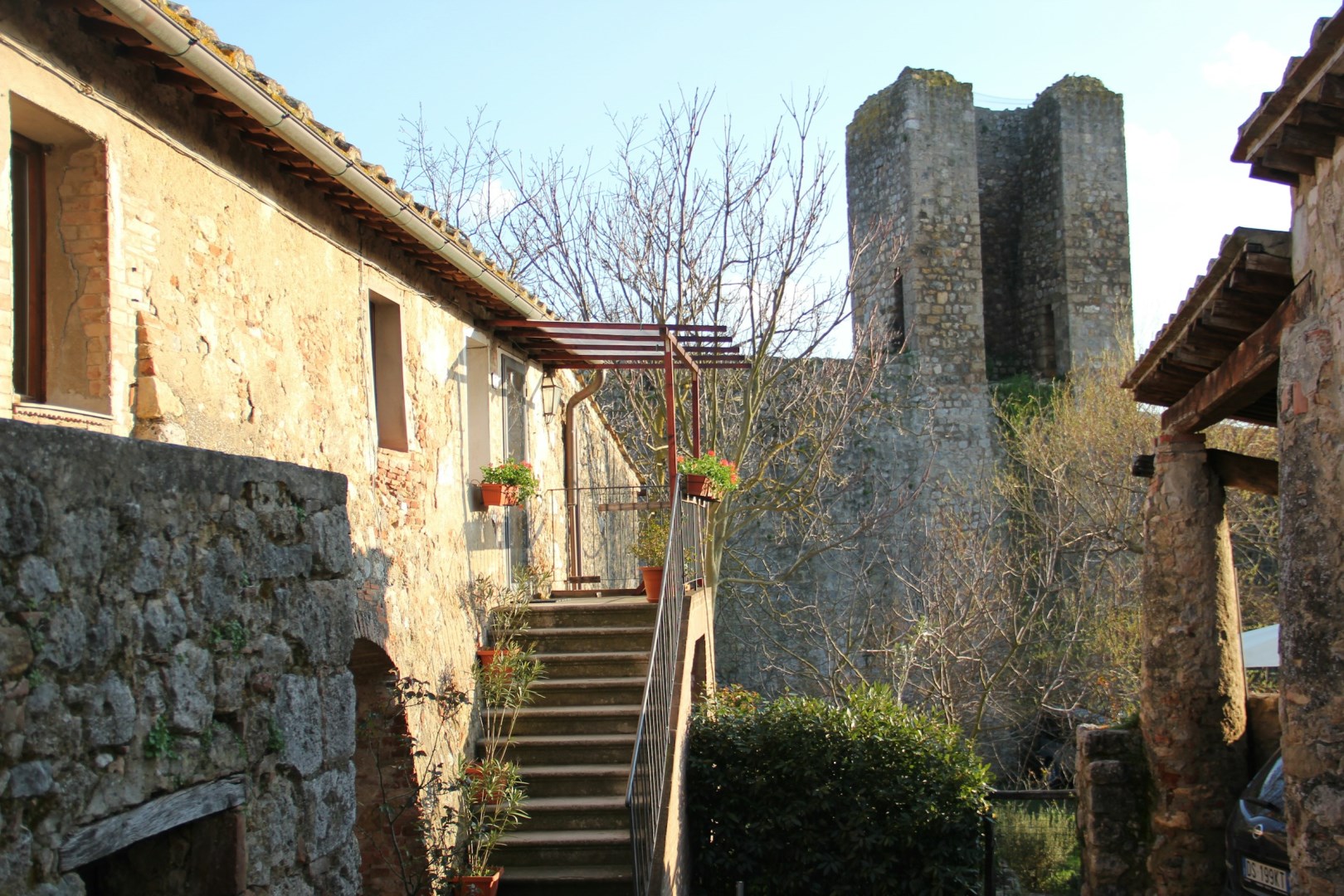
Monteriggioni
Monteriggioni is a comune in the province of Siena in the Italian region of Tuscany.
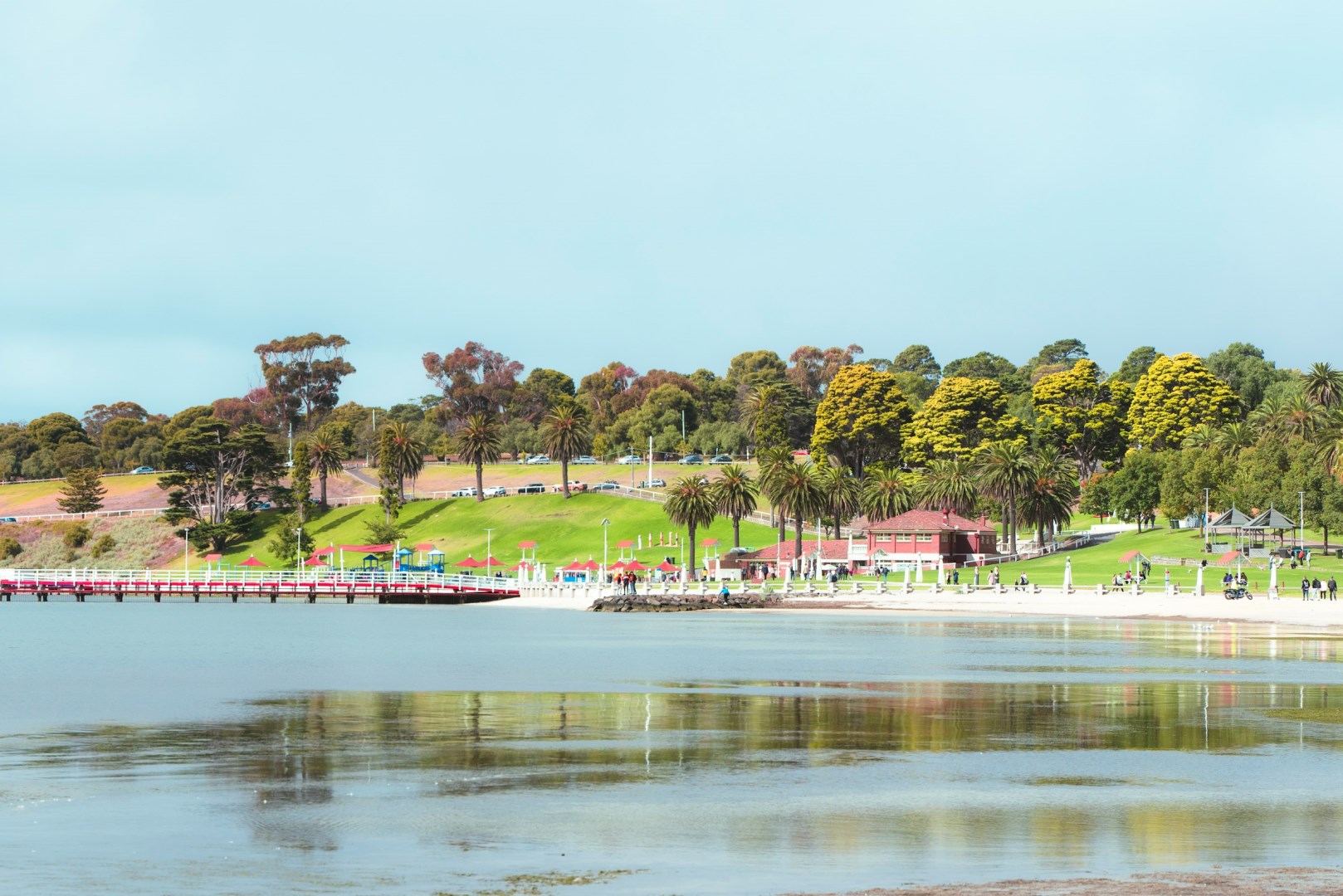
Geelong
Geelong, located on the southwestern shore of Port Phillip Bay in Victoria, Australia, is a vibrant regional city with a rich maritime and industrial heritage. Once a hub for wool export and manufacturing, Geelong has transformed into a center for arts, culture, and tourism while retaining its historical charm.

Avignon
Located on the Rhône River, Avignon is the city to which the Popes fled when leaving the corruption of Rome in the 14th century. The palace they built, 'Le Palais des Papes,' is a breathtaking must see.
