

Costa Rica
Costa Rica is a country that has built its identity around both natural preservation and cultural vibrancy. Known for its stable democracy and emphasis on sustainability, it has become a global leader in eco-tourism.

Dominica
Dominica, known as the “Nature Island of the Caribbean,” is a haven for eco-tourists and adventure seekers. Nestled between the French islands of Guadeloupe and Martinique, this lush island boasts a remarkable landscape of volcanic mountains, dense rainforests, and stunning waterfalls. Dominica’s most iconic natural wonder is the Boiling Lake, the second-largest hot spring in the world.

Puerto Blest
Puerto Blest is a remote destination within Nahuel Huapi National Park in Argentina’s Río Negro Province, set at the western end of Lago Nahuel Huapi near the border with Chile. Surrounded by dense Andean-Patagonian forest, steep mountains, and clear waterways, it has a more secluded character than the resort city of Bariloche. Puerto Blest is most commonly reached by boat across Lago Nahuel Huapi, making the journey itself an important part of the experience.
Chivay
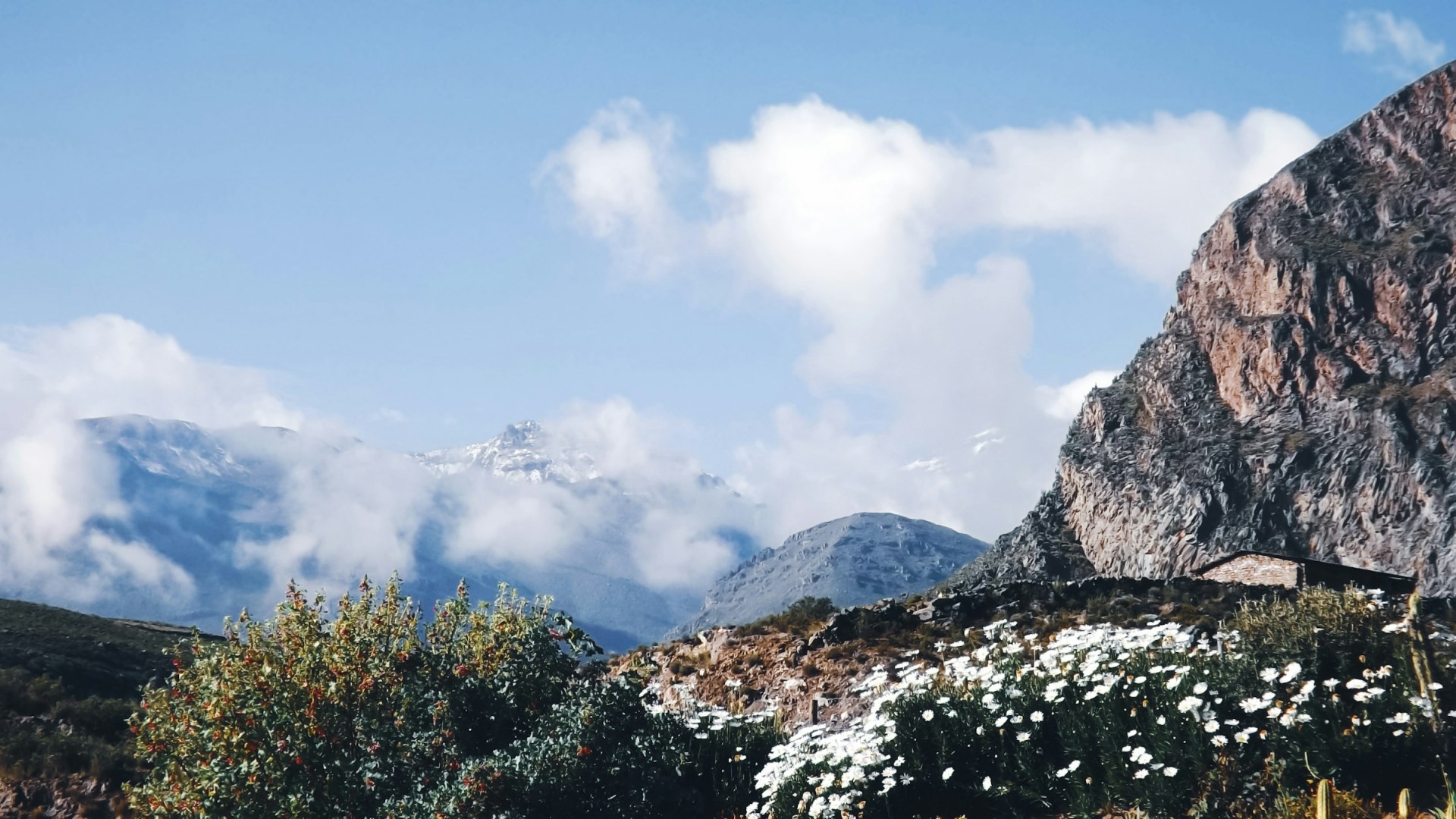
Chivay is a highland town in Peru’s Arequipa Region and the main urban center of the Colca Valley. Set at more than 3,600 meters above sea level, it lies among cultivated slopes, rugged mountains, and deep valleys shaped by the Colca River. The town serves as an important gateway to the Colca Canyon and surrounding communities, with accommodations, restaurants, markets, and transport connections supporting visitors exploring the area.
Urfa
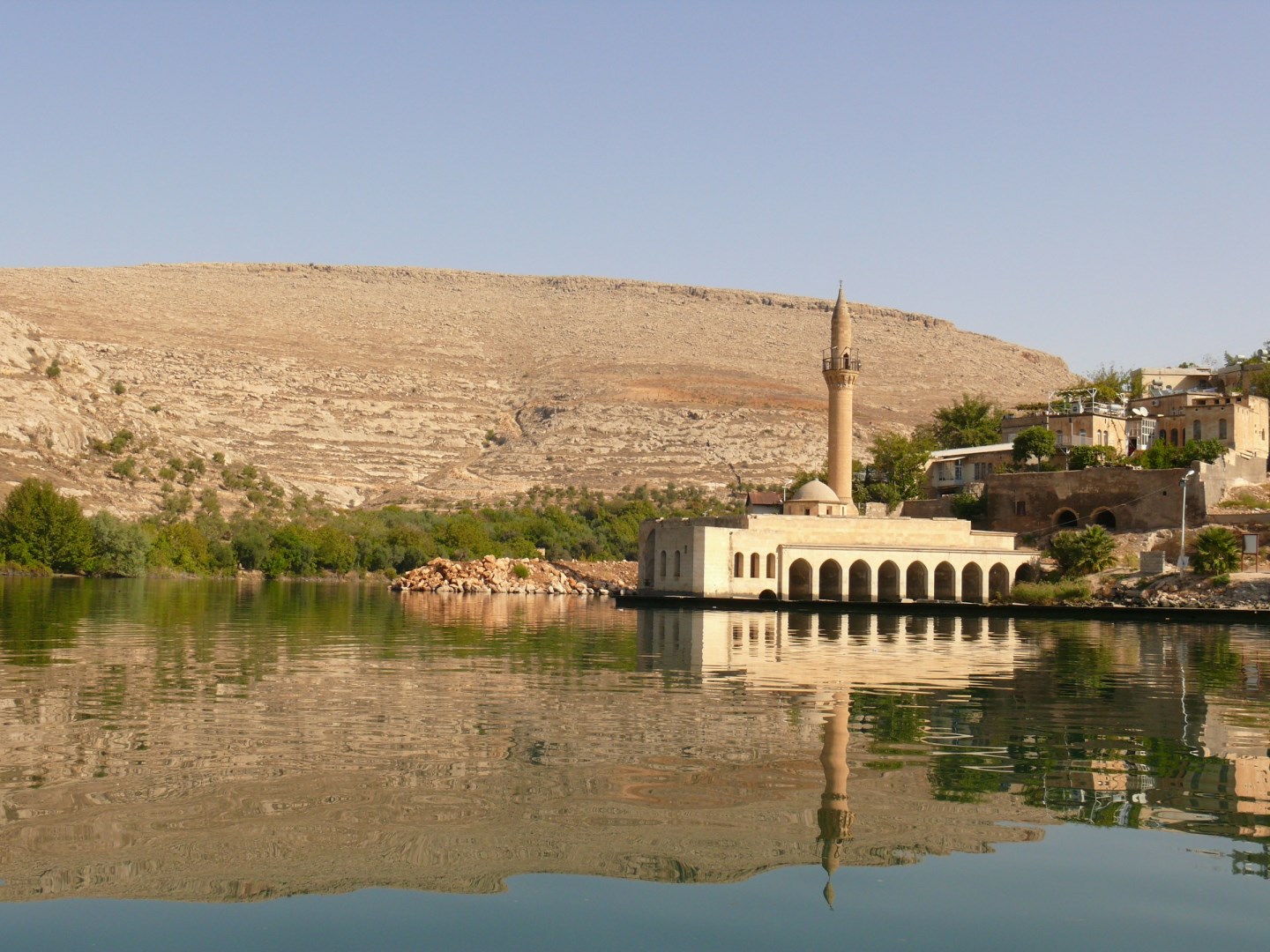
Urfa proudly exhibits the legacy of all civilizations that have prospered in this region. In the second millenium B.C., it was a city of a Hurrite state. Tradition relates that Abraham was born in a cave near the area where the Mevlid Mosque now stands.
