

Dominica
Dominica, known as the “Nature Island of the Caribbean,” is a haven for eco-tourists and adventure seekers. Nestled between the French islands of Guadeloupe and Martinique, this lush island boasts a remarkable landscape of volcanic mountains, dense rainforests, and stunning waterfalls. Dominica’s most iconic natural wonder is the Boiling Lake, the second-largest hot spring in the world.

Jeddah
Jeddah sits along Saudi Arabia’s Red Sea coast and has long served as a gateway between the Arabian Peninsula and the wider world. For centuries, merchants, pilgrims, and travelers passed through its port on the way to Mecca, shaping a city known for openness and exchange.
Wadi Rum
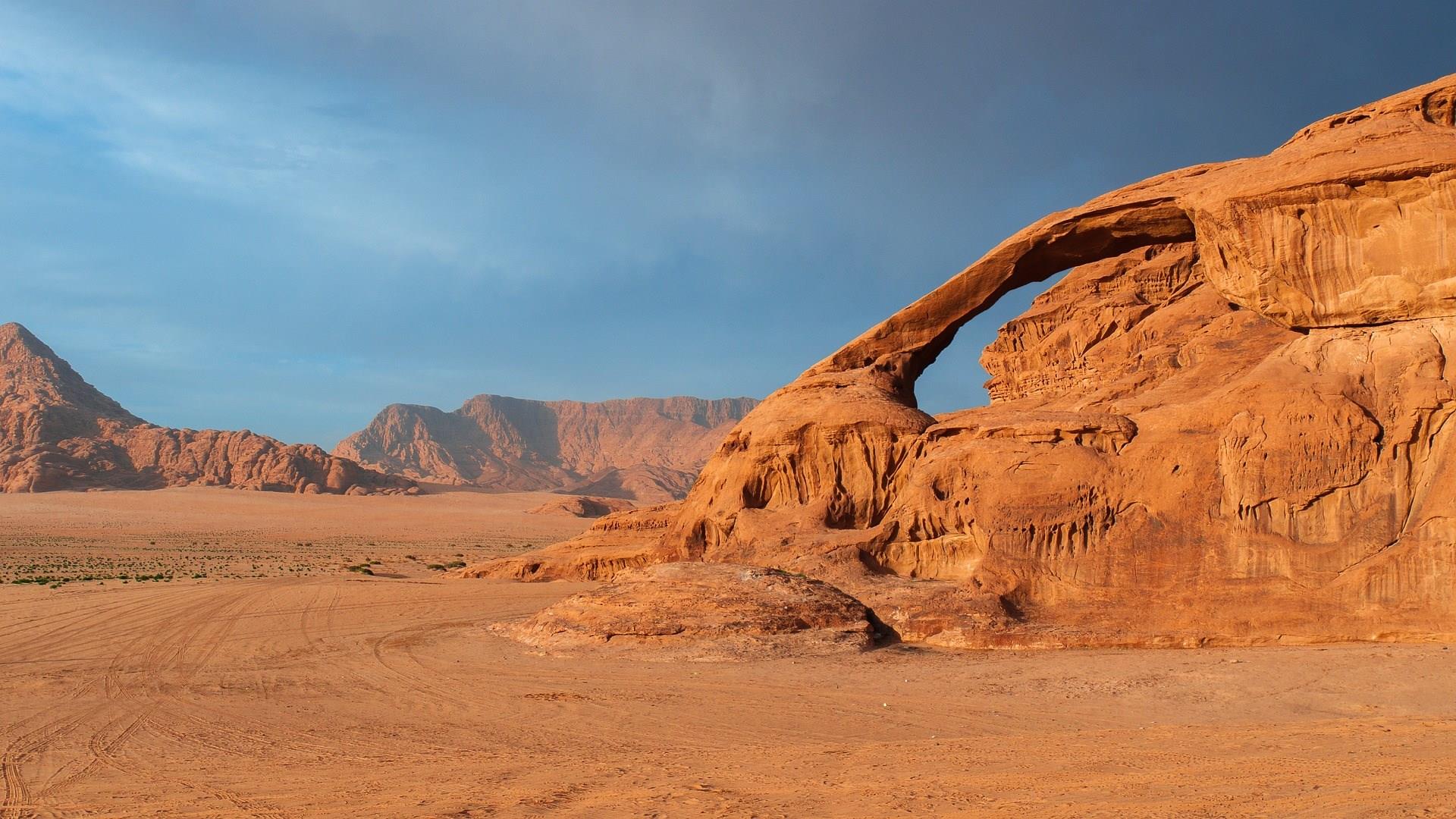
Wadi Rum, often called the “Valley of the Moon,” is a desert landscape in southern Jordan renowned for its dramatic sandstone mountains, sweeping red sand dunes, and ancient history carved into the rock. Its vast, otherworldly scenery has made it both a UNESCO World Heritage Site and a backdrop for films set on distant planets.

Assisi
Assisi, Italy, is a city where history and spirituality intertwine, creating an atmosphere that is both serene and awe-inspiring. Perched on the slopes of Mount Subasio in the Umbria region, Assisi is best known as the birthplace of St. Francis, one of the most beloved saints in Christianity. The city is a pilgrimage site for those seeking to walk in the footsteps of St. Francis, with the majestic Basilica of San Francesco d'Assisi standing as a testament to his enduring legacy. This UNESCO Worl
Potosi
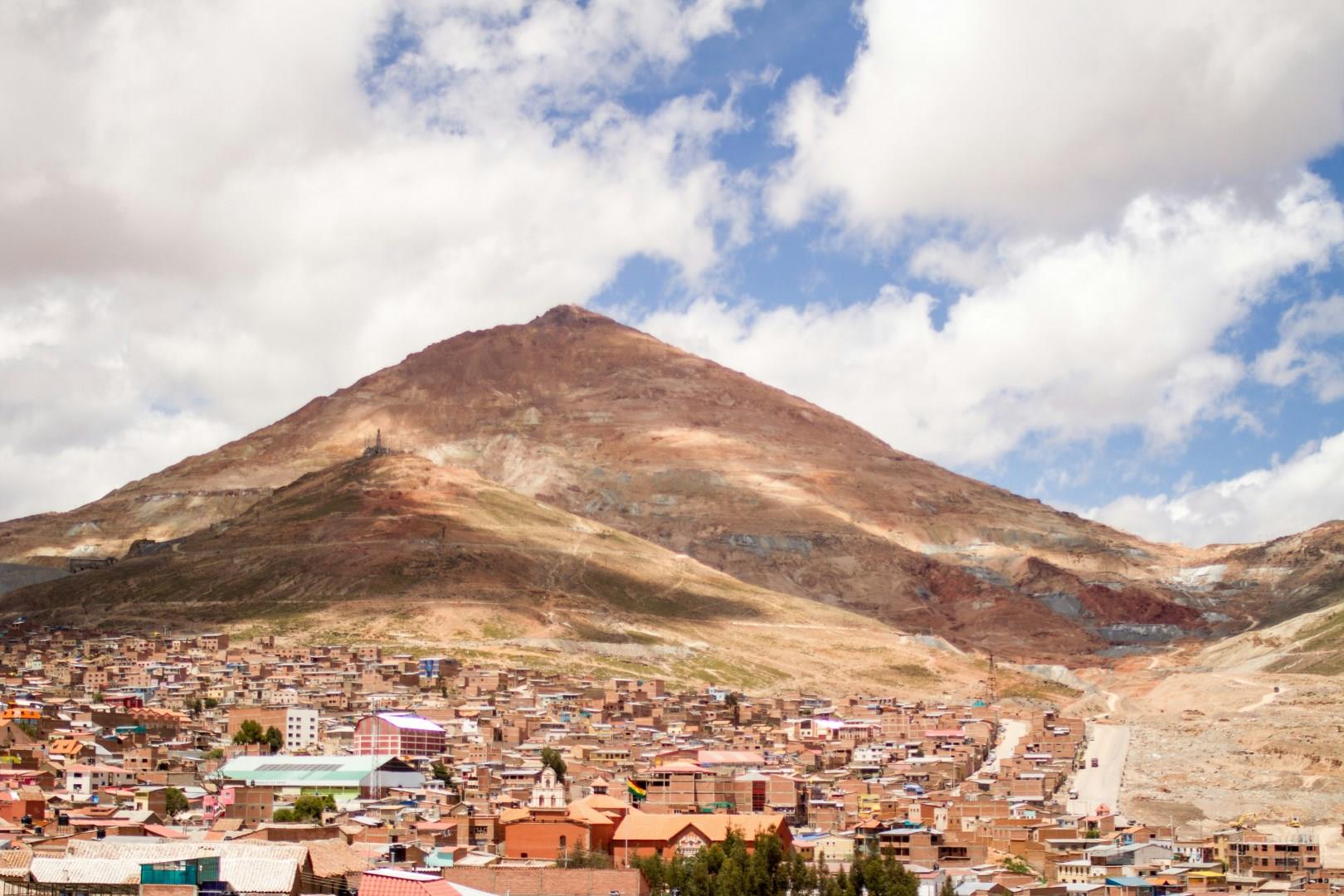
Potosí rises on the Altiplano of southern Bolivia and for centuries it was one of the richest cities in the world because of what lies just beyond its streets. At the foot of Cerro Rico (“Rich Mountain”), silver was discovered in the mid-1500s, and within a few decades the city became a center of mining and wealth that shaped global trade and economies.
