

Aberdeen
ABERDEEN -- Scotland's third-largest city (pop. 187,000) is characterized by buildings of beautiful white granite. Set beside the North Sea, Aberdeen is both a university town and the capital of the Scottish oil boom. It is also one of Scotland's largest seaside resorts (though its appeal is confined to those who like their water well-chilled).
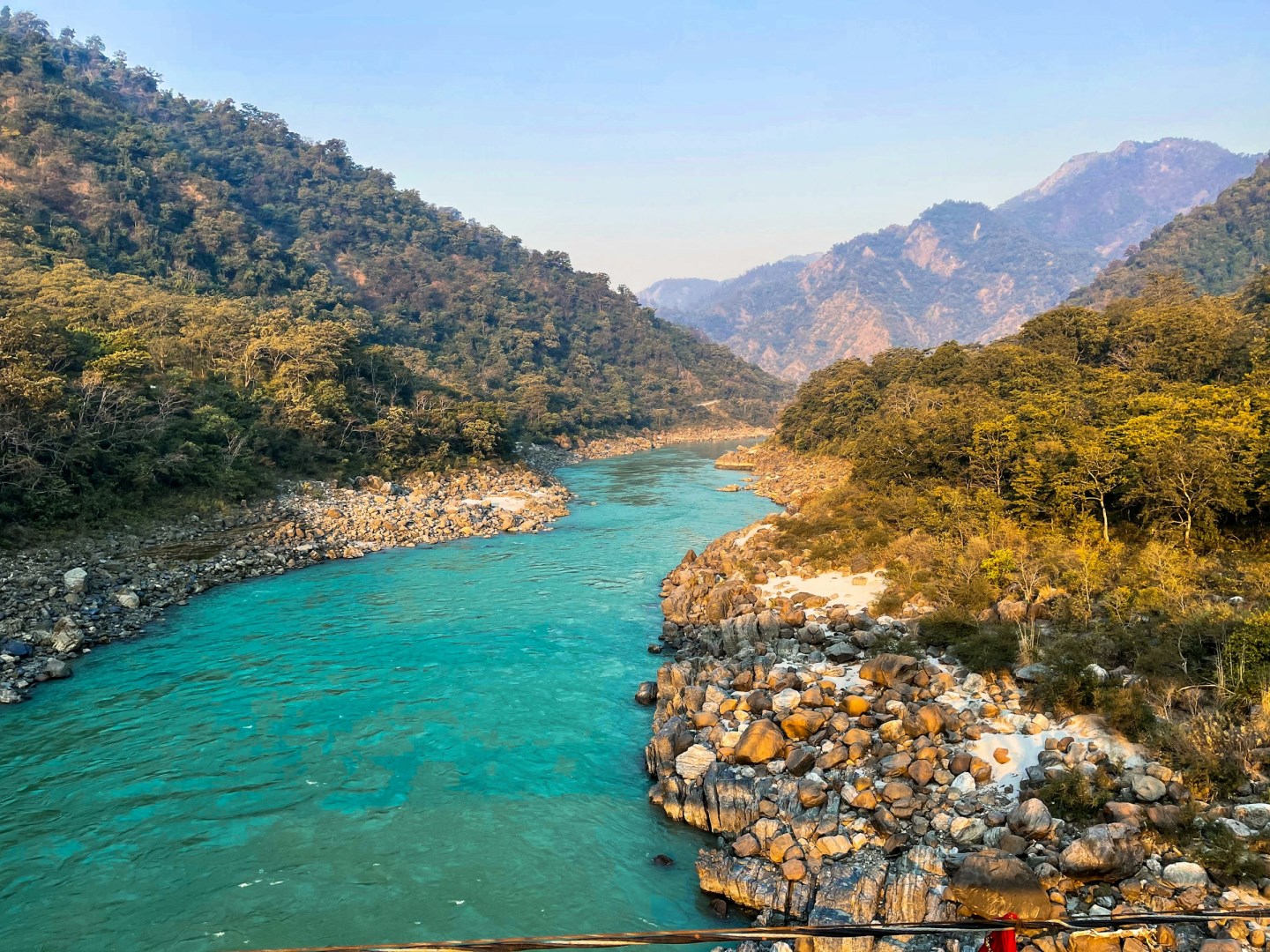
Ganges River
The River Ganges, flowing through India and Bangladesh, supports millions of people living in the river basin. In Hinduism, the river is considered the most sacred, and as a result it is in important element of many Hindu rituals and festivals.

Island Of Mozambique
The Island of Mozambique, a UNESCO World Heritage Site, is a historical gem nestled off the northern coast of Mozambique. This small island, which was once a pivotal trading post, boasts a rich tapestry of history and culture. The island's main attraction is the Fort São Sebastião, an imposing 16th-century fortress built by the Portuguese to protect their trading interests.
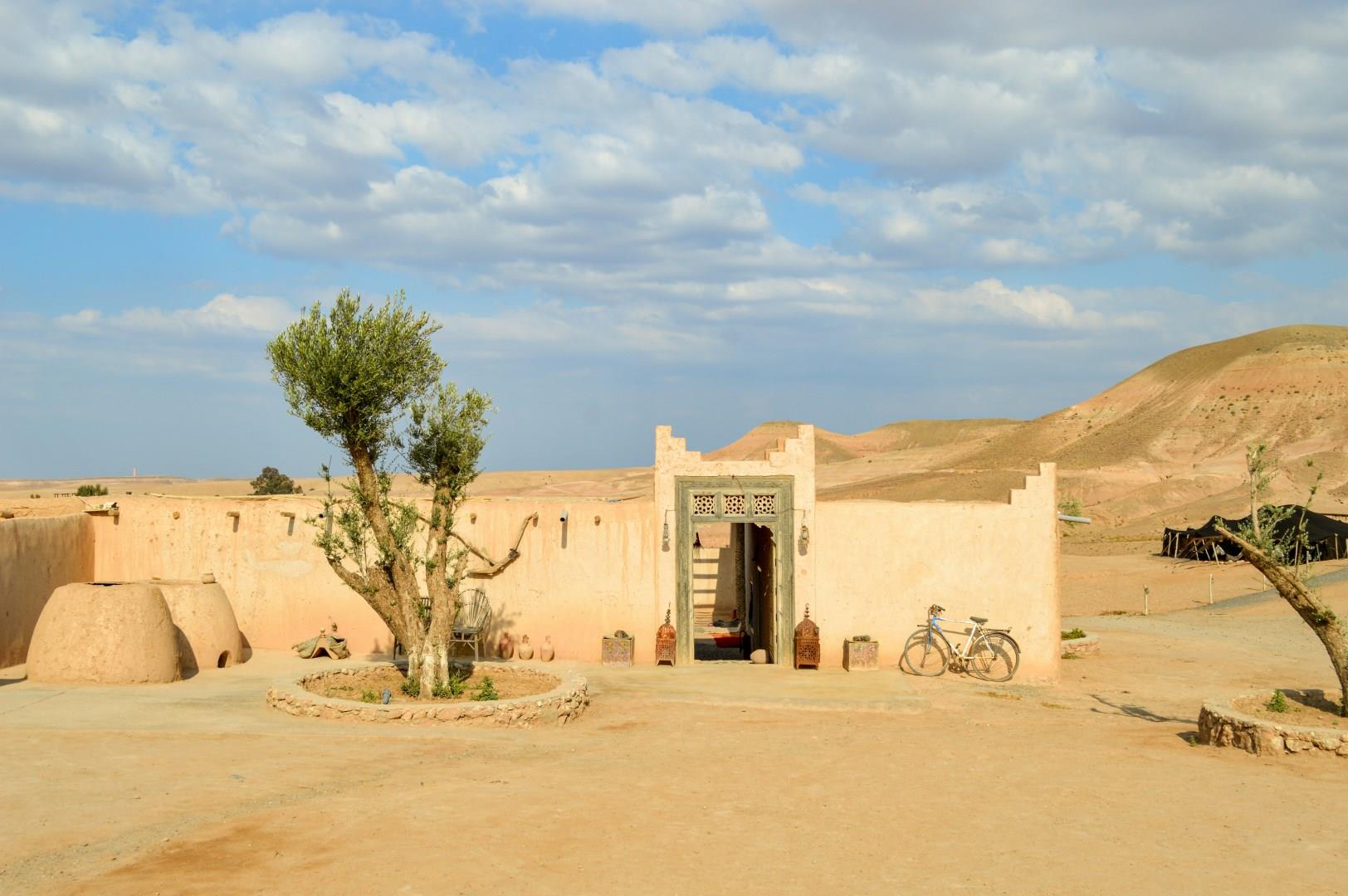
Agafay
Agafay, often called Morocco’s "stone desert," is located just 40 kilometers southwest of Marrakech, but the landscape feels like a different world. Unlike the golden dunes of the Sahara, Agafay stretches out in rolling hills of sand-colored rock and hard-packed earth. It offers the vastness of a desert experience without requiring a long journey from the city.
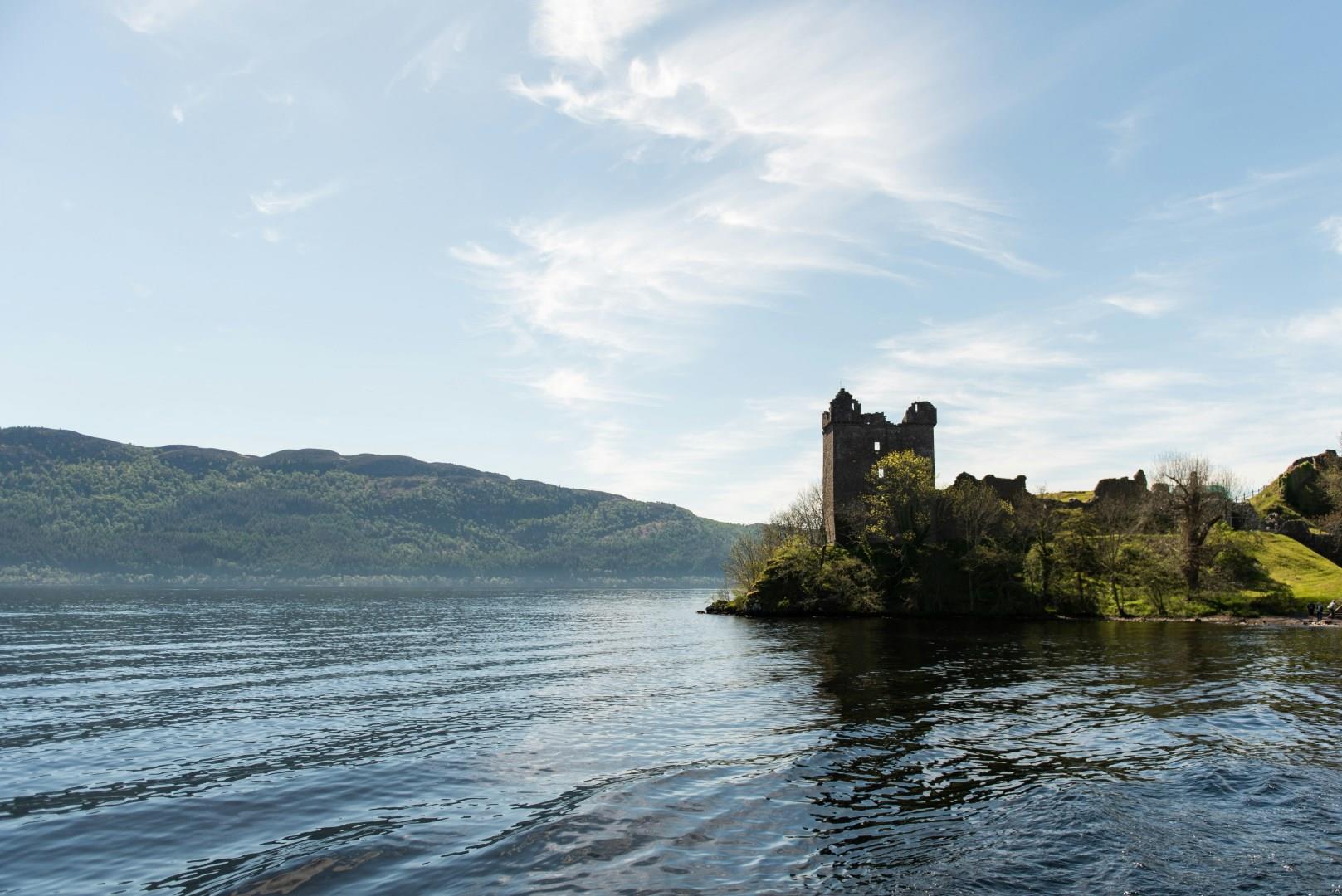
Loch Ness
Loch Ness stretches over 23 miles through the Scottish Highlands, holding more freshwater than all the lakes in England and Wales combined. Best known for its elusive resident, the so-called Loch Ness Monster, the loch has sparked international curiosity since the first modern "sighting" in 1933. While Nessie remains elusive, the surrounding landscape offers clear reasons to visit with steep hillsides, forested trails, and ancient ruins framing one of Scotland’s most iconic bodies of water.
