
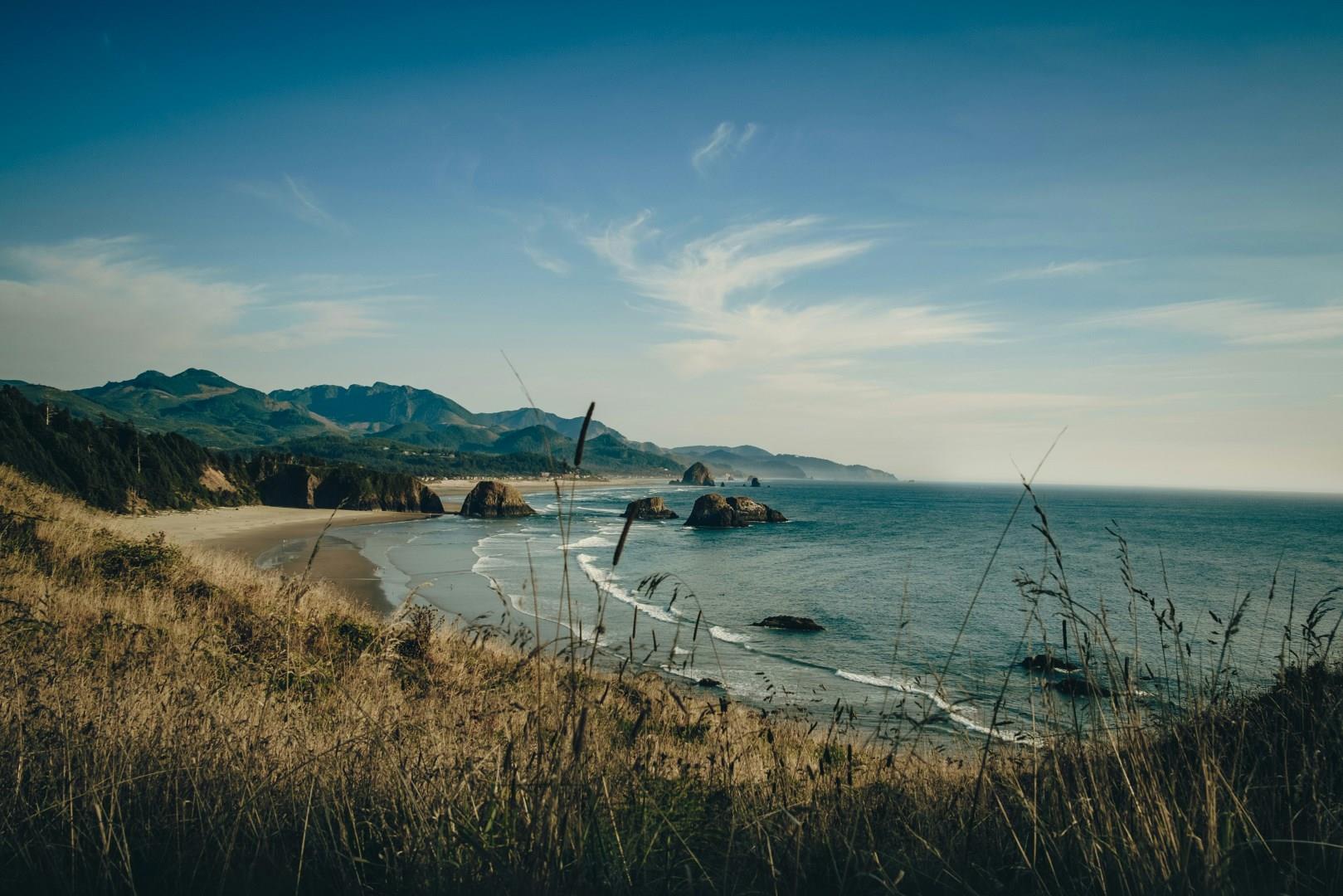
Cannon Beach
Cannon Beach, Oregon, offers an enchanting coastal escape along the Pacific Ocean. Known for its iconic Haystack Rock, a towering sea stack that rises 235 feet above the sand, this charming town is a visual feast for visitors. This natural landmark, surrounded by tide pools, is a prime spot for bird watching and marine life observation. The beach's scenic beauty, combined with its dramatic rock formations and golden sands, makes it a must-visit for nature enthusiasts and photographers alike.
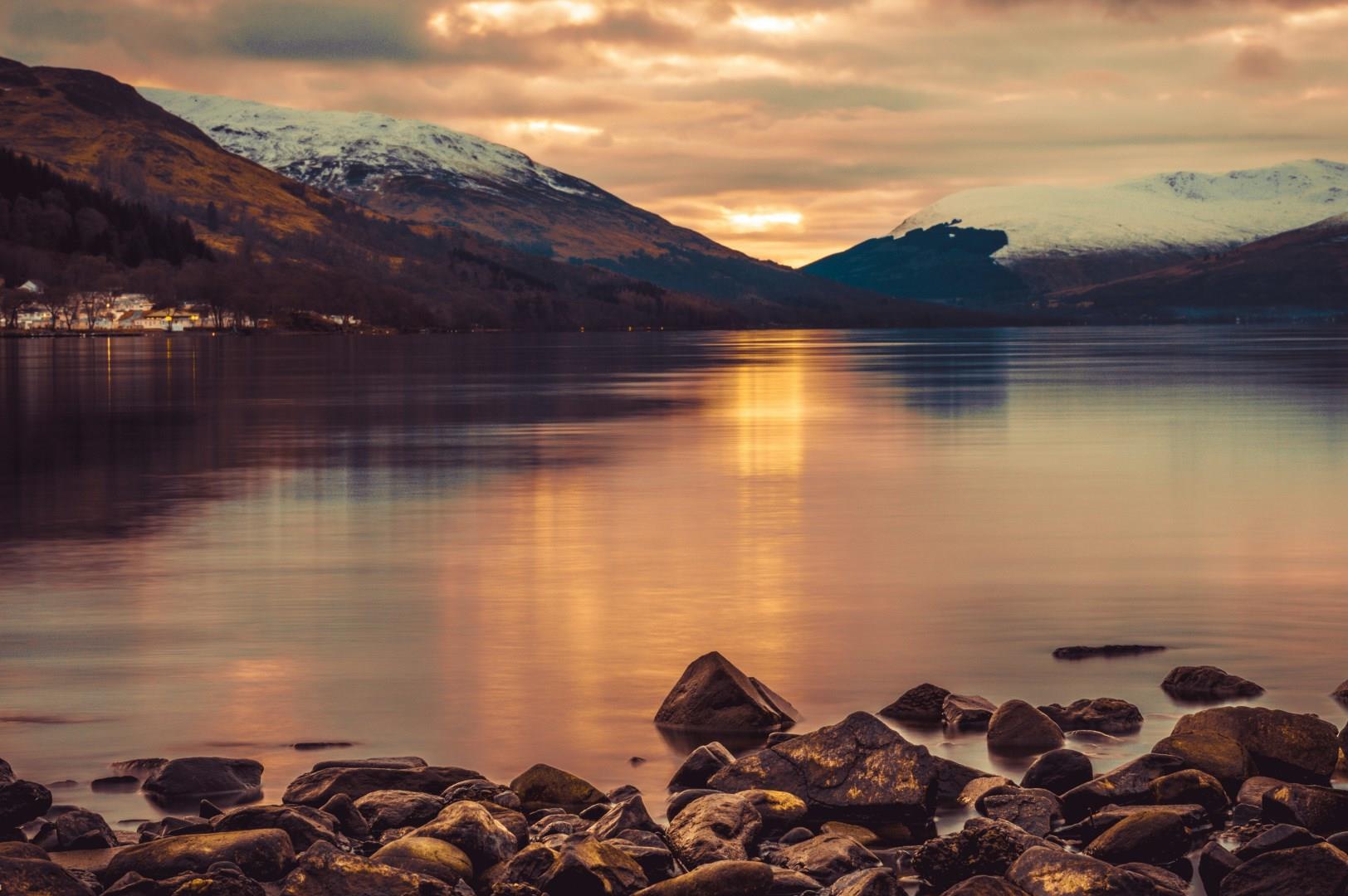
Loch Lomond
Loch Lomond, the largest lake in Great Britain by surface area, sits at the gateway to the Highlands and offers visitors a wide variety of ways to explore its islands, waters, and surrounding hills. Stretching over 22 miles and dotted with more than 30 islands, the loch has long been a source of inspiration for poets, musicians, and travelers.

South Carolina
South Carolina draws travelers in with its layers of history, distinctive regional flavors, and landscapes that range from quiet marshes to mountain trails. In Charleston, cobblestone streets wind past antebellum homes and hidden courtyards. Beaufort, tucked along the Intracoastal Waterway, charms visitors with moss-draped oaks, shrimp boats, and preserved architecture that has earned it comparisons to a living movie set and was indeed, where several films, including *Forrest Gump*, were filmed.
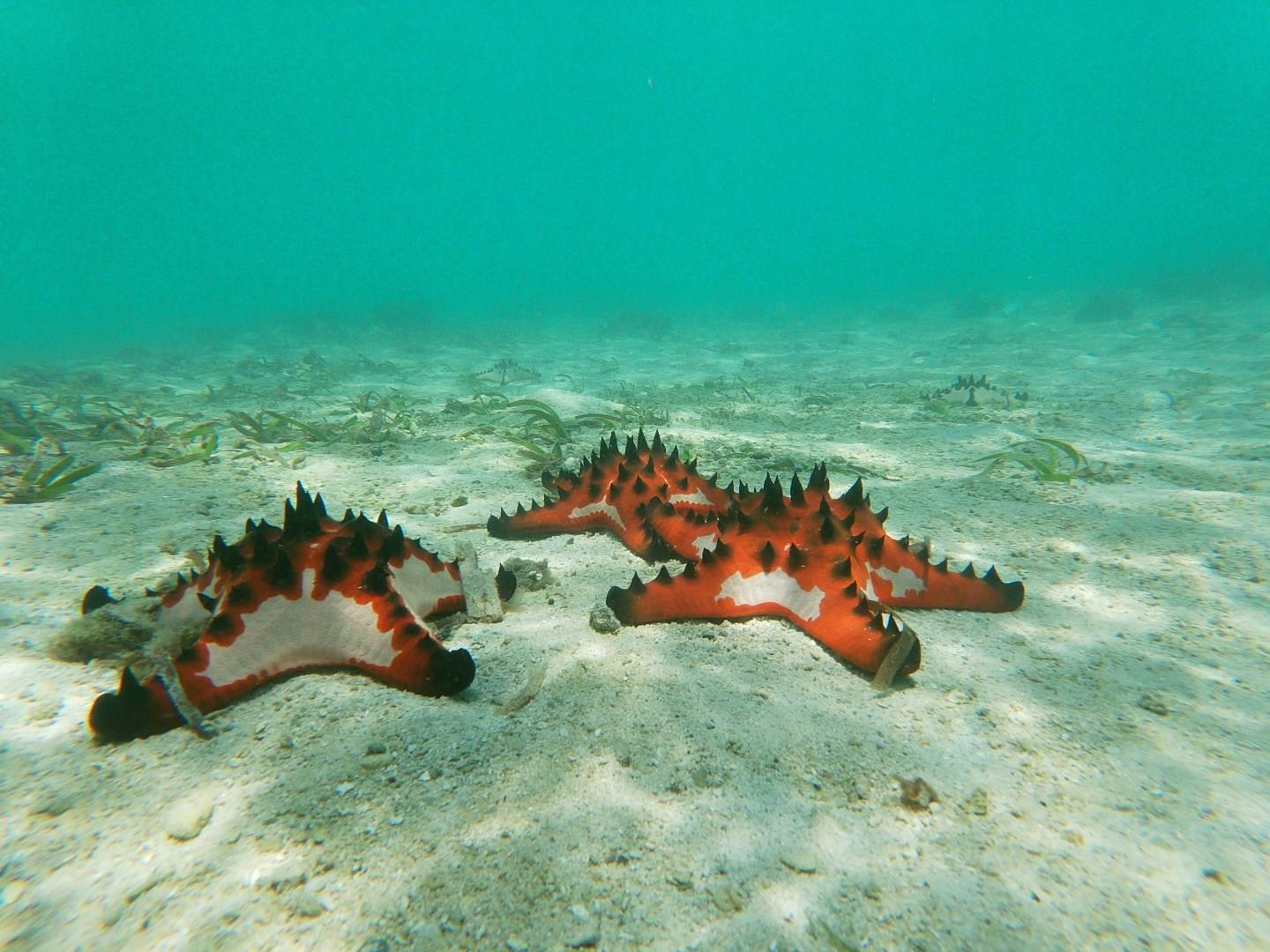
Port Vila
Port Vila, the vibrant capital of Vanuatu, offers a captivating blend of natural beauty, rich culture, and relaxed island charm. Nestled on the southern coast of Efate Island, Port Vila is renowned for its picturesque harbor, lush landscapes, and bustling market scene. Visitors can immerse themselves in the local culture at the Port Vila Market, where colorful stalls brim with fresh produce, handcrafted souvenirs, and traditional island fare.

Benoa, Bali
Located on the southern coast of Bali, Benoa is a charming destination where the island's natural beauty and rich culture come together in a truly unique way. Known for its stunning white-sand beaches and crystal-clear waters, Benoa offers a laid-back yet exciting escape for travelers. It’s the perfect place to enjoy water sports such as jet-skiing, parasailing, and windsurfing, or simply relax by the beach with the sound of gentle waves in the background.
