
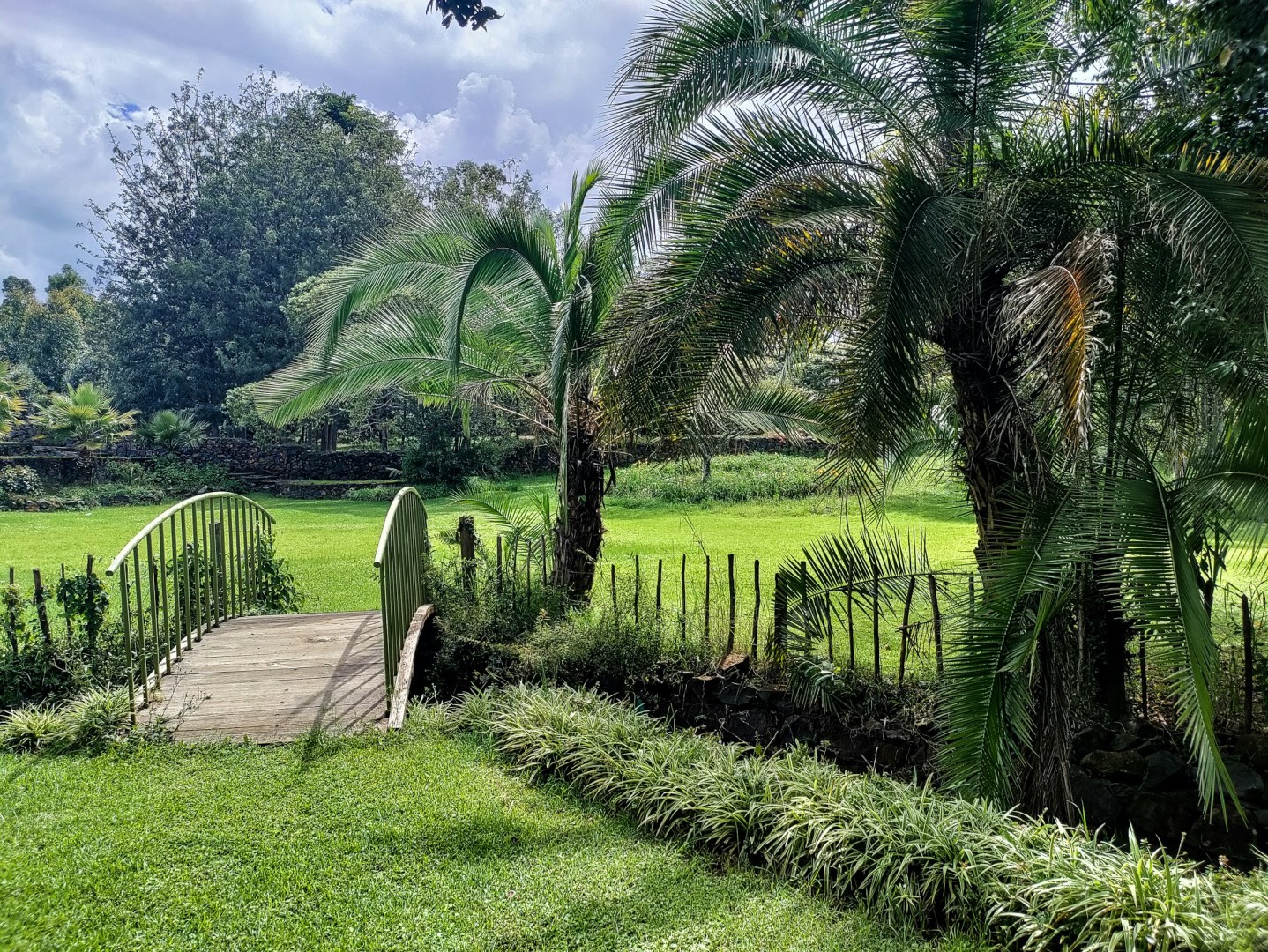
Eldoret
The town of Eldoret is located in western Kenya, eastern Africa, on the Uasin Gishu Plateau west of the Great Rift Valley. Situated at an elevation of 6,857 feet (2,090 m) above sea level, its healthful climate attracted many European settlers during the colonial period. It serves an agricultural area; chief crops are corn (maize), wheat, and pyrethum.

Jalisco
Jalisco, a vibrant state on Mexico’s Pacific coast, offers a diverse tapestry of experiences that span history, culture, and natural beauty. The state capital, Guadalajara, is renowned for its rich cultural heritage and lively atmosphere
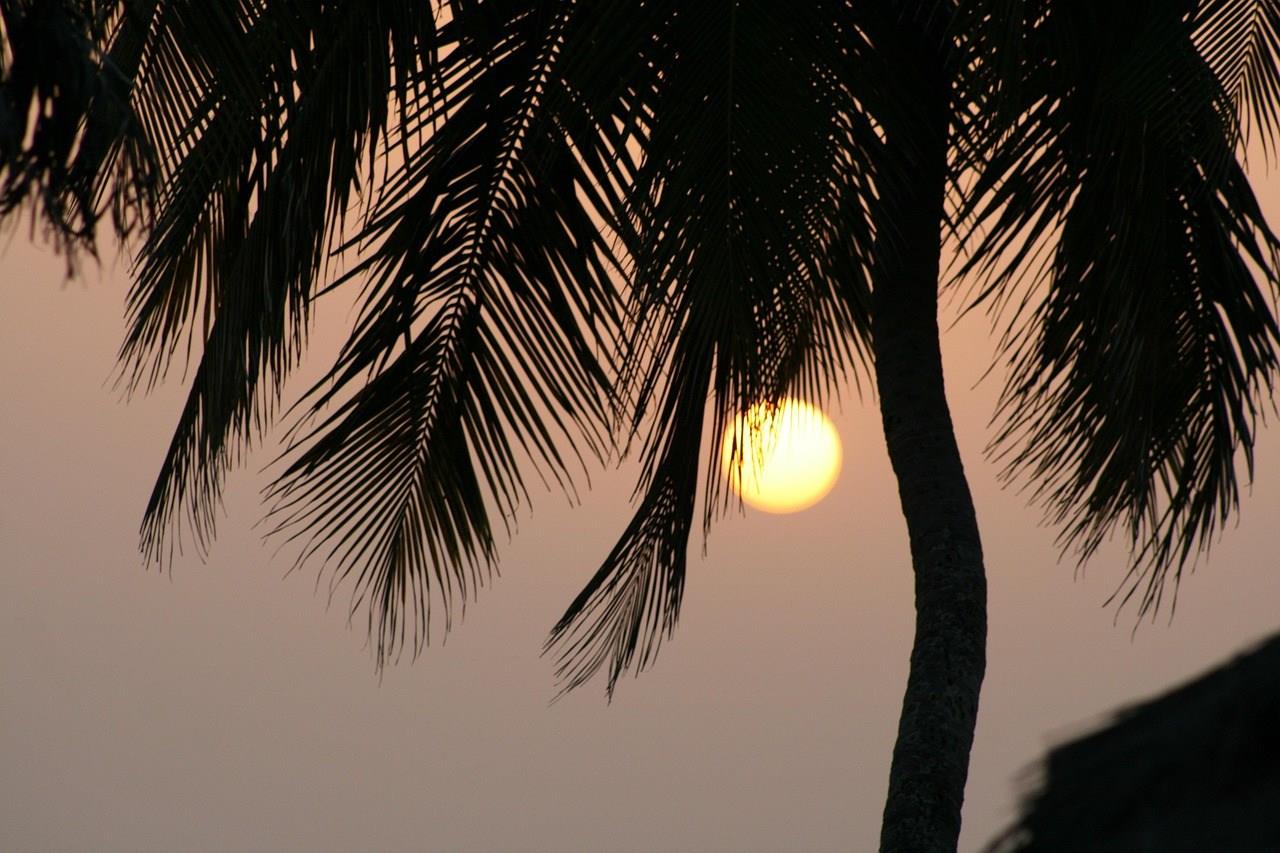
Guinea
Guinea, located on the west coast of Africa, offers a rich blend of landscapes, cultures, and traditions that remain largely untouched by mass tourism. Its Atlantic shoreline is dotted with fishing villages and sandy beaches, while inland, rolling highlands and dense rainforests give way to sweeping savannas.

Bahamas
The Bahamas, an archipelago of more than 700 islands and cays, is known for its dazzling turquoise waters, powdery white and pink sand beaches, and vibrant culture rooted in African, British, and Caribbean influences.

Kenai Fjords National Park
Kenai Fjords National Park in Alaska is a stunning showcase of glaciers, rugged coastlines, and pristine wilderness, making it a dream destination for outdoor enthusiasts and nature lovers. Located near the town of Seward, this park is home to the Harding Icefield, one of the largest icefields in North America, feeding over 40 glaciers that spill into the sea.
