
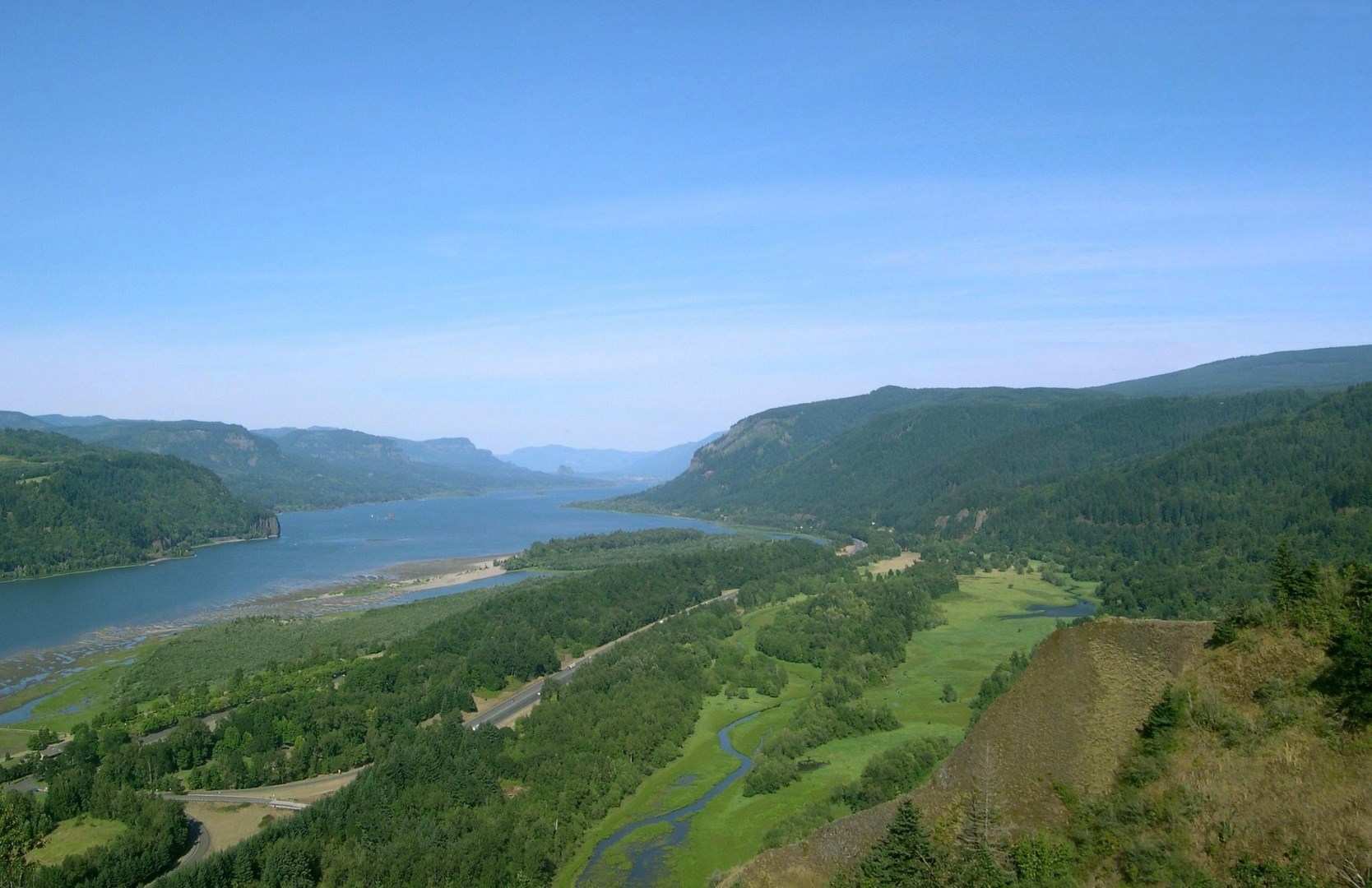
Columbia River Gorge National Scenic Area
The Columbia River Gorge, straddling the border between Oregon and Washington, is a stunning natural wonder renowned for its breathtaking landscapes and outdoor adventures. This dramatic canyon, carved by the Columbia River, is flanked by towering cliffs and lush forests.
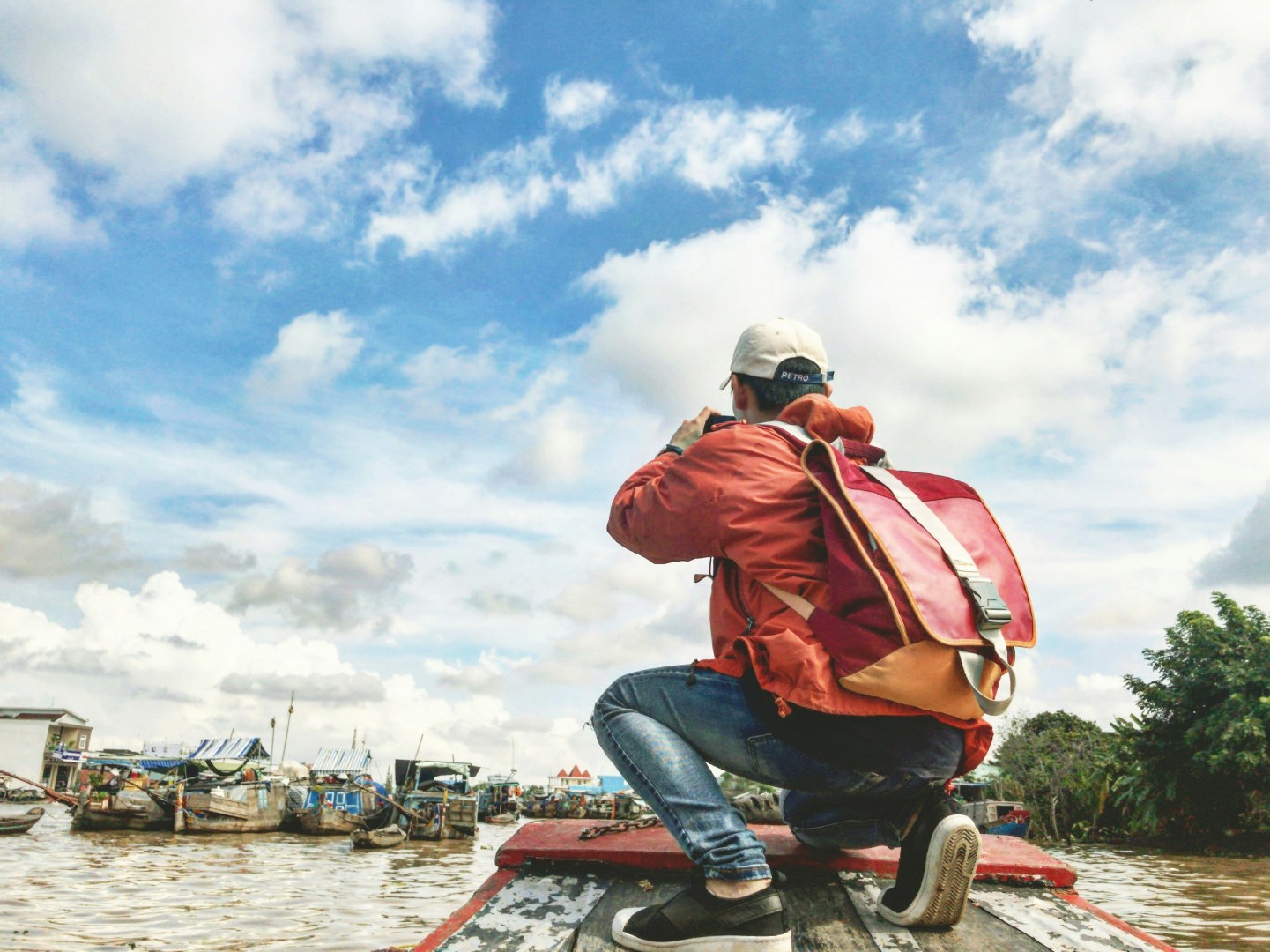
Cai Be
Cai Be, nestled in the Mekong Delta of southern Vietnam, offers a charming and authentic glimpse into the life of rural Vietnam.
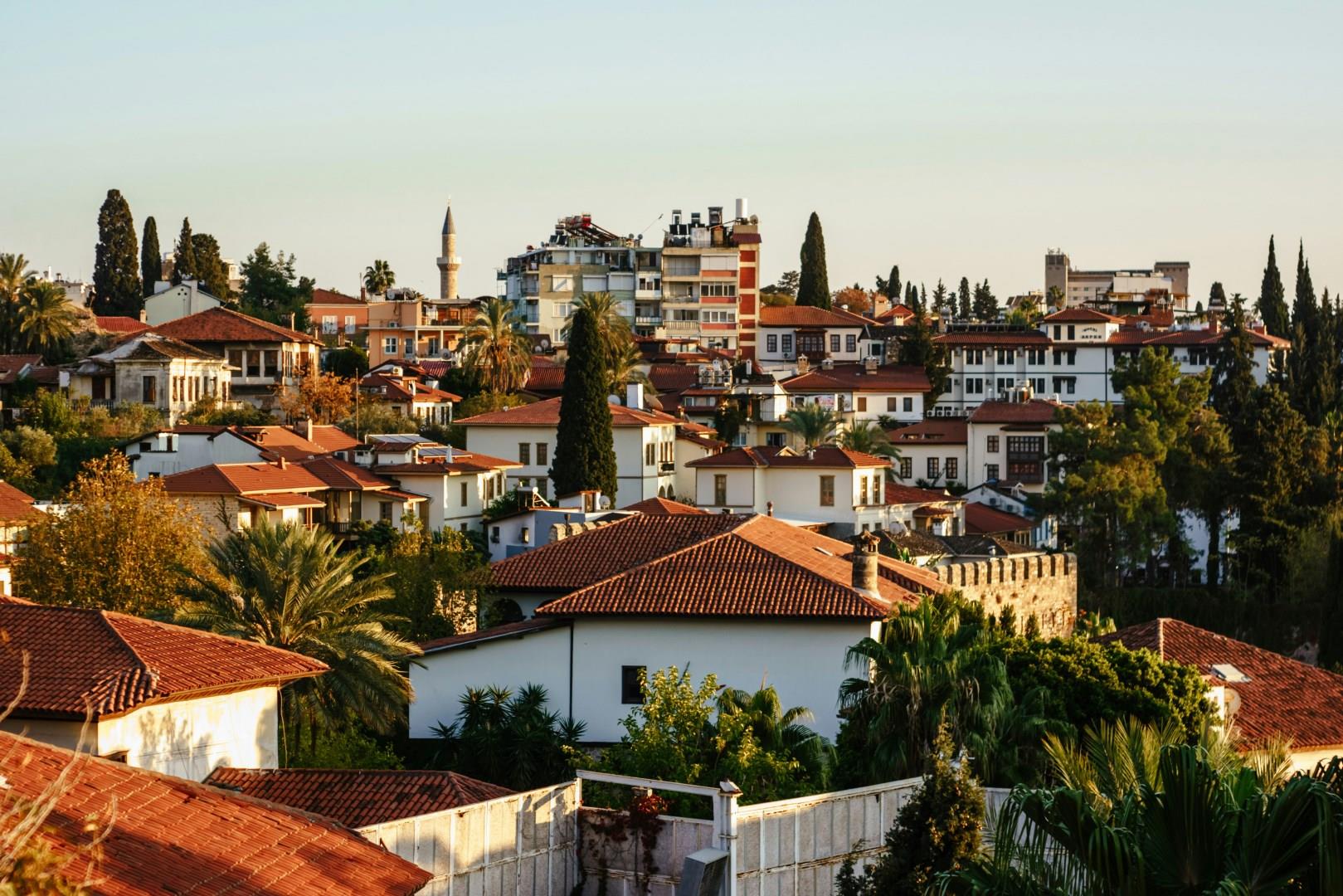
Selçuk
Selcuk, a small town in western Turkey’s İzmir Province, is one of the country’s richest destinations for history lovers. It sits at the foot of the ancient city of Ephesus, once one of the great cities of the classical world and home to the Temple of Artemis, one of the Seven Wonders of the Ancient World.
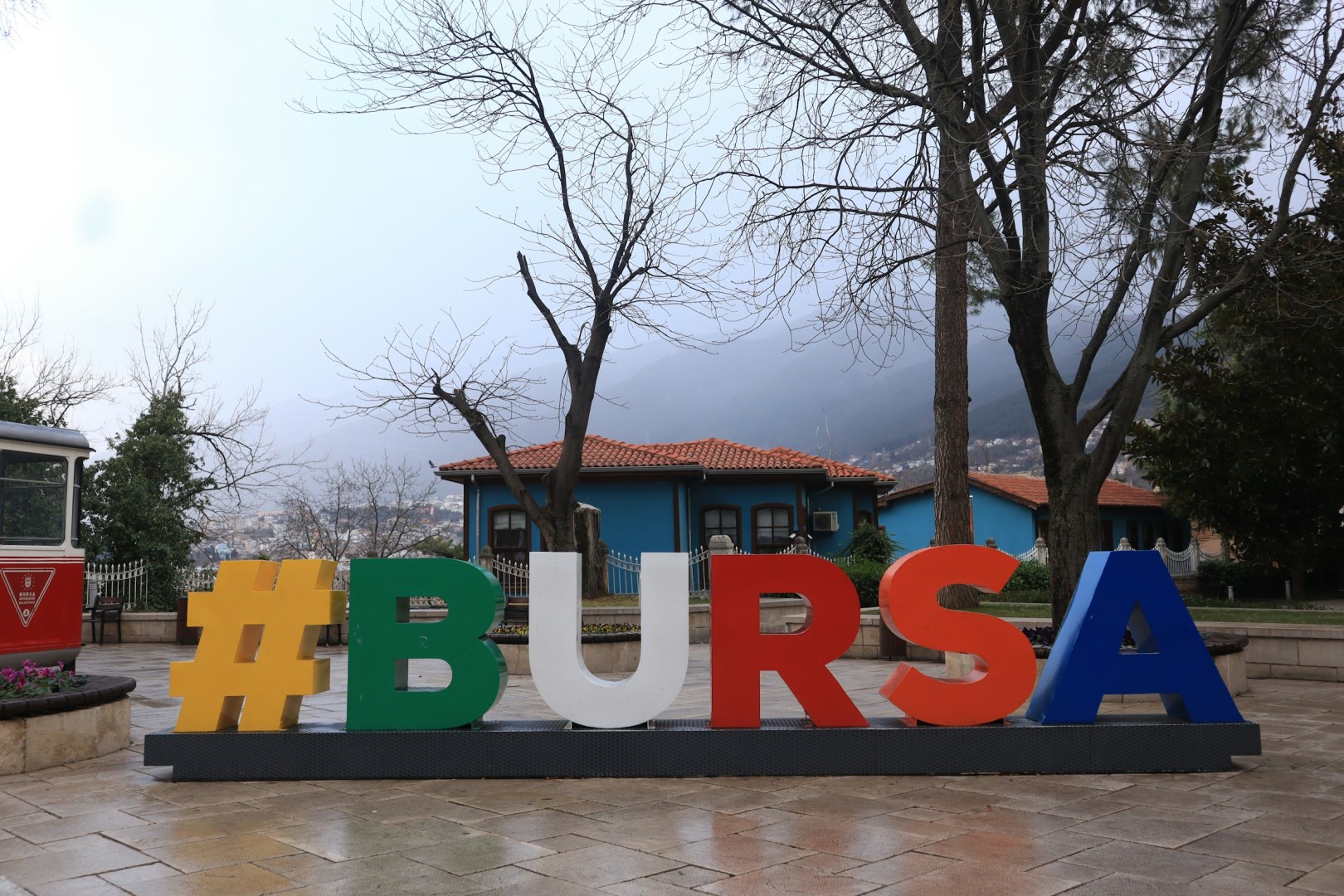
Bursa
Famous for its thermal baths and spas, it is said that the town was founded by Hannibal. It was originally called Prusa after Prusias I, king of Bithynia.
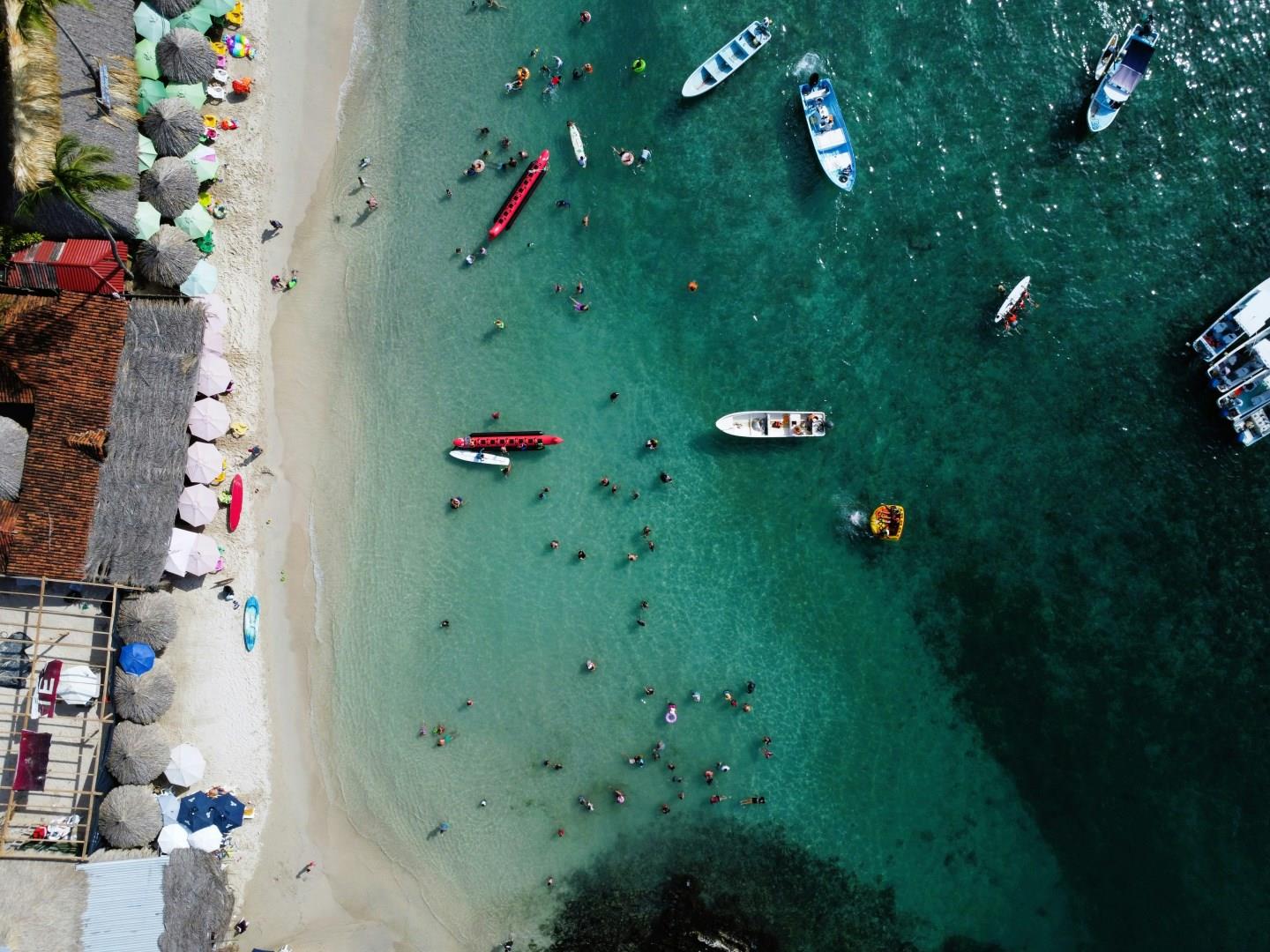
Zihuatanejo
Zihuatanejo, a charming coastal town on Mexico’s Pacific coast, invites travelers with its blend of serene beaches and vibrant local culture. Nestled on the Bay of Zihuatanejo, the town offers a picturesque escape with its stunning shoreline, where the gentle waves lap against golden sands. The tranquil atmosphere of Playa La Ropa, one of the town’s most renowned beaches, is perfect for sunbathing, swimming, and savoring fresh seafood from beachfront restaurants.
