
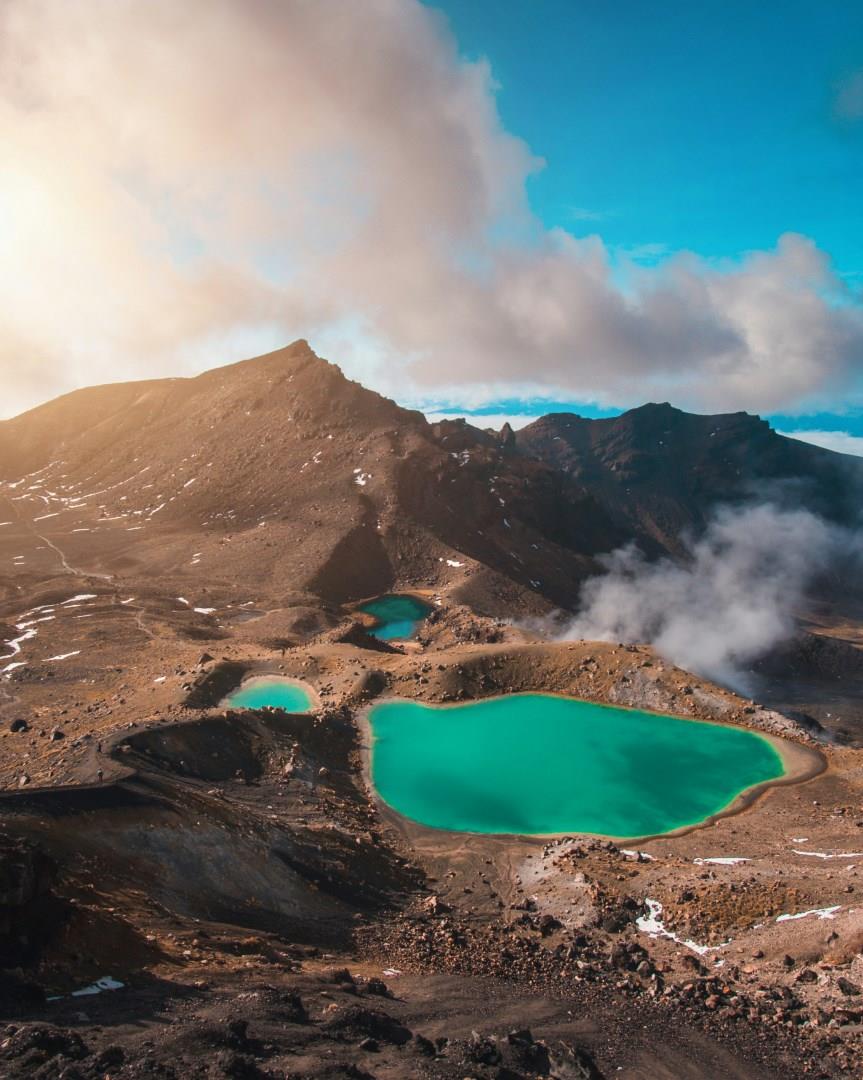
Tongariro National Park
Tongariro National Park, on New Zealand’s North Island, holds deep cultural meaning as well as striking geological presence. It was the country’s first national park, gifted to the nation by Ngāti Tūwharetoa chiefs in the 19th century, establishing a model that tied conservation to Māori guardianship. The volcanic peaks of Tongariro, Ngāuruhoe, and Ruapehu are considered ancestors, giving the landscape a living cultural identity rather than a purely scenic one.
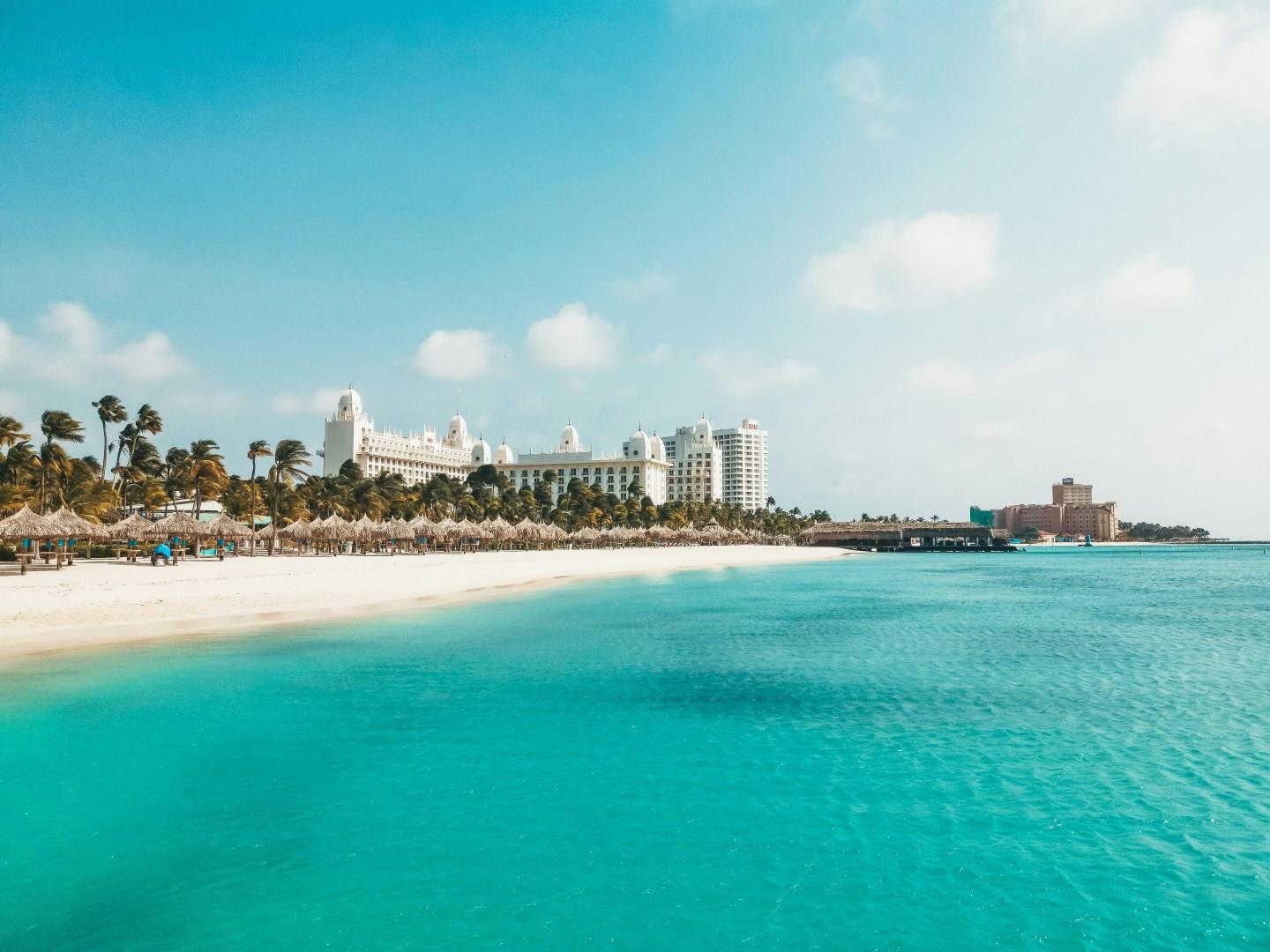
Palm Beach
Palm Beach, located on Aruba’s northwest coast, is the island’s most famous stretch of sand: a two-mile ribbon of soft white shore lined with turquoise waters and a lively resort scene.
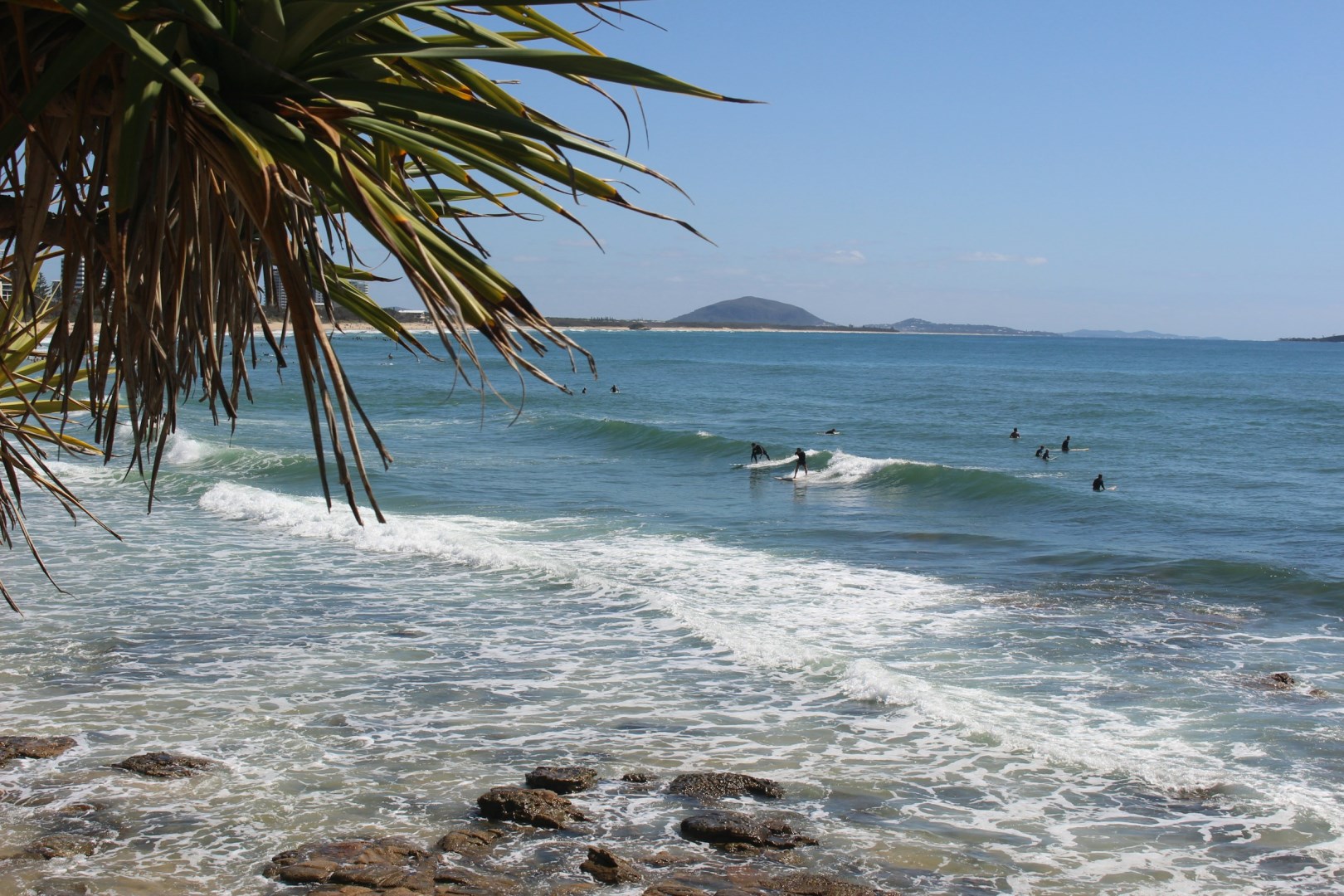
Alexandra Headland
Alexandra Headland is a coastal suburb on Queensland’s Sunshine Coast, situated between Mooloolaba and Maroochydore. Its main feature is a rocky headland overlooking a long sandy beach, with ocean views extending along the surrounding coastline. Alexandra Headland Beach is popular for swimming, surfing, fishing, and walking, while the foreshore includes parks, picnic areas, and paths connecting the beach with neighbouring communities.

Messina, Sicily
Messina sits on the northeastern tip of Sicily, facing the narrow Strait of Messina. Its position has long made it a key port connecting the island to mainland Italy. The city is shaped by its harbor, hillside neighborhoods, and views across the water toward Calabria. Messina stands out for its role as a gateway, with active ferry routes and a layout that blends rebuilt urban areas with historic landmarks and coastal scenery.
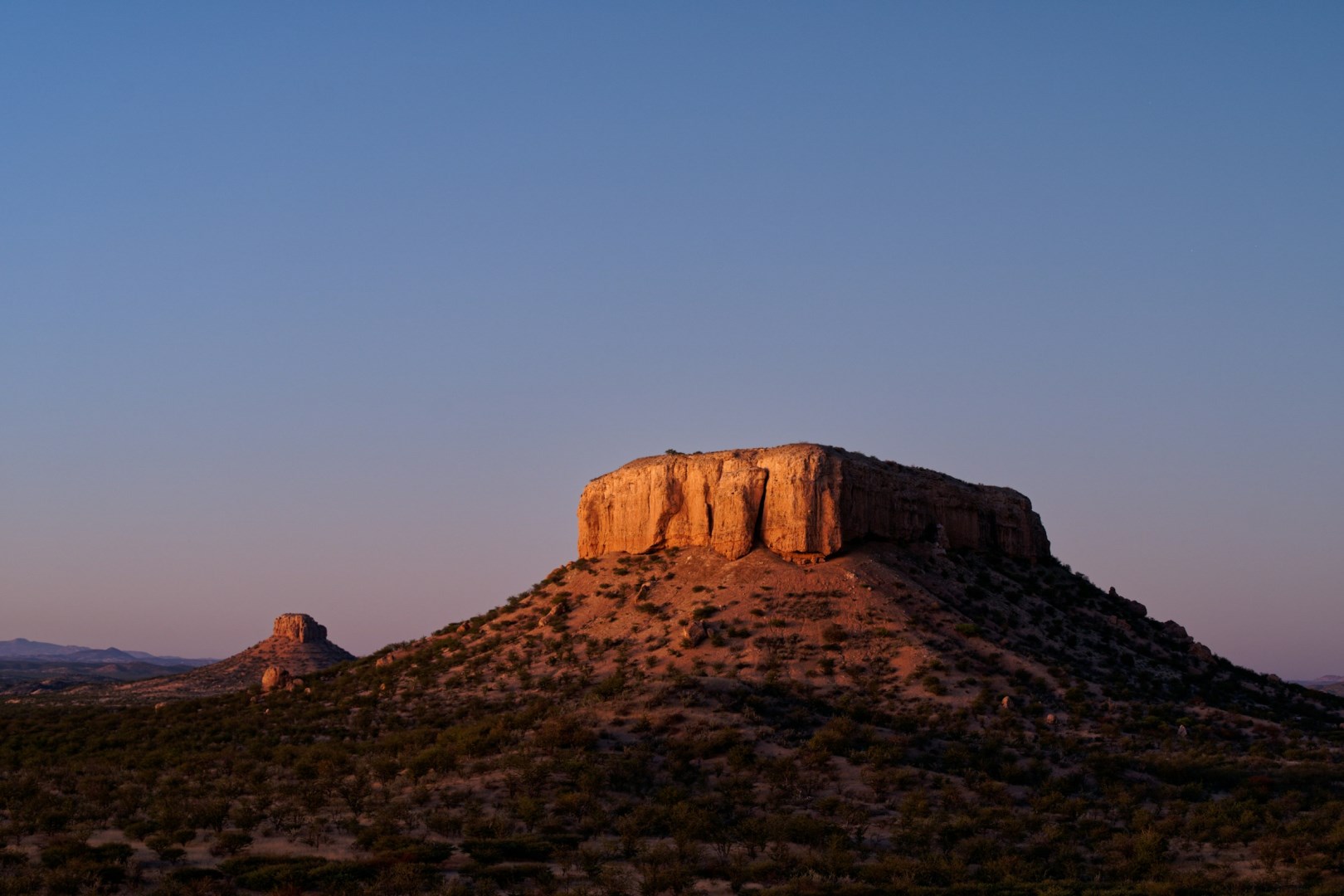
Outjo
Outjo is a small town in Namibia’s Kunene Region and an important stop on the route toward Etosha National Park and the dry landscapes of Damaraland. It sits among low hills and open bushveld, with the town serving as a practical center for travelers, local residents, and nearby farming communities. Its location makes it a useful base for exploring the southern part of Etosha, while roads from Outjo also lead toward Khorixas and Kamanjab.
