

Dublin
Dublin, Ireland is an architectural, artistic, and gastronomic marvel. Immerse yourself in this cultural capital and discover a few of Ireland’s most famous landmarks! The city is home to both the Old Jameson Whiskey Distillery and the Guinness Storehouse, where authentic Irish spirits and ales flow freely. Explore the long histories of these brewing giants in their respective factory museums.
Lausanne
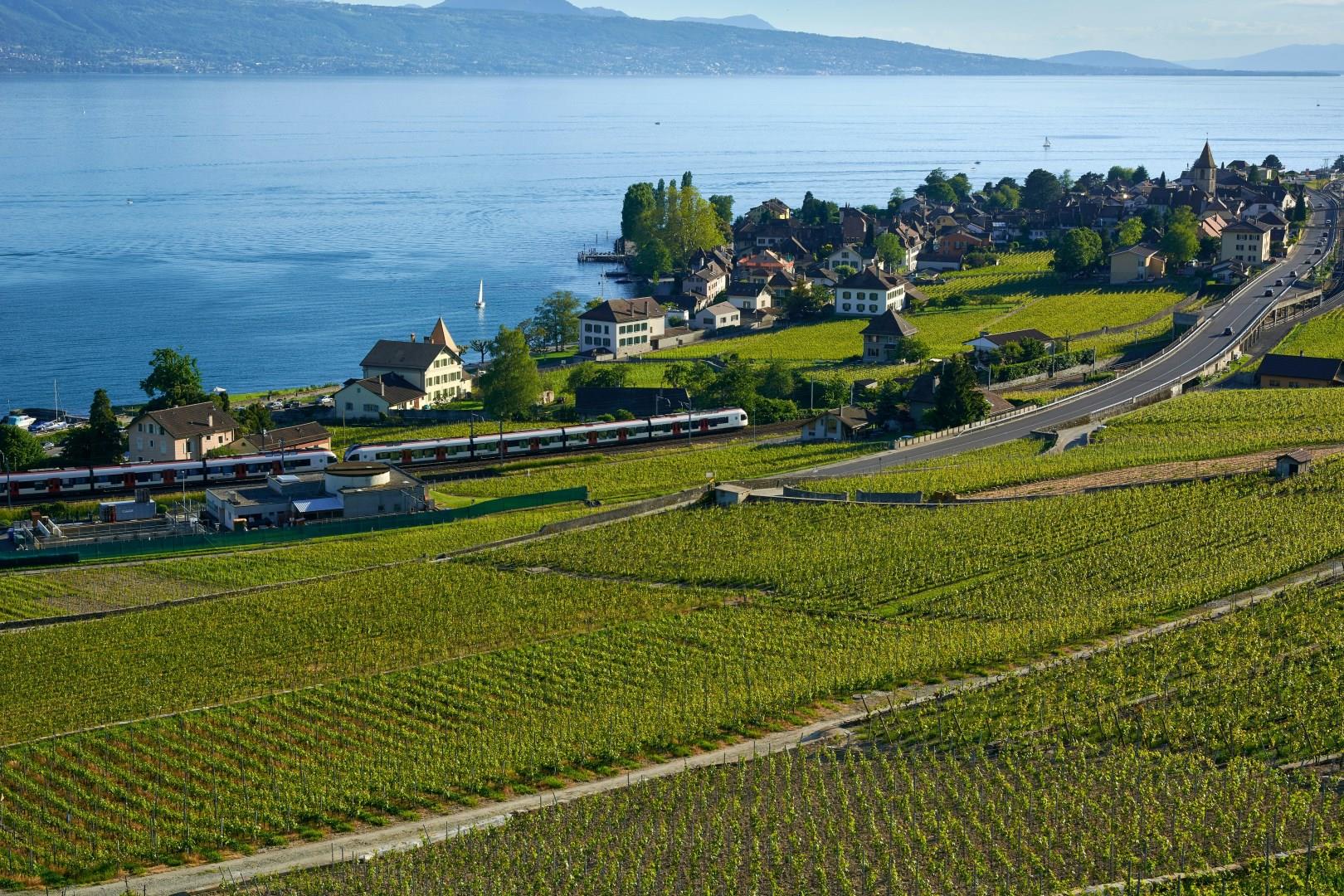
Perched on the northern shore of Lake Geneva, Lausanne is a city that blends centuries of history with a strong cultural identity. It served as a Roman military camp called Lousanna before evolving into a key medieval settlement. Today, visitors can still climb the tower of Lausanne Cathedral, widely regarded as the most impressive Gothic structure in Switzerland. From the top, the view stretches over the rooftops of the Old Town to the vineyards of Lavaux and across the lake to the French Alps.

Zákynthos
Zakynthos, also known as Zante, is a Greek island that captivates visitors with its stunning natural beauty and rich cultural heritage. Renowned for its breathtaking beaches, the island's most famous attraction is Navagio Beach, also known as Shipwreck Beach. This picturesque cove, accessible only by boat, features an iconic shipwreck lying on powdery white sand surrounded by dramatic limestone cliffs and crystal-clear turquoise waters.
Lifou
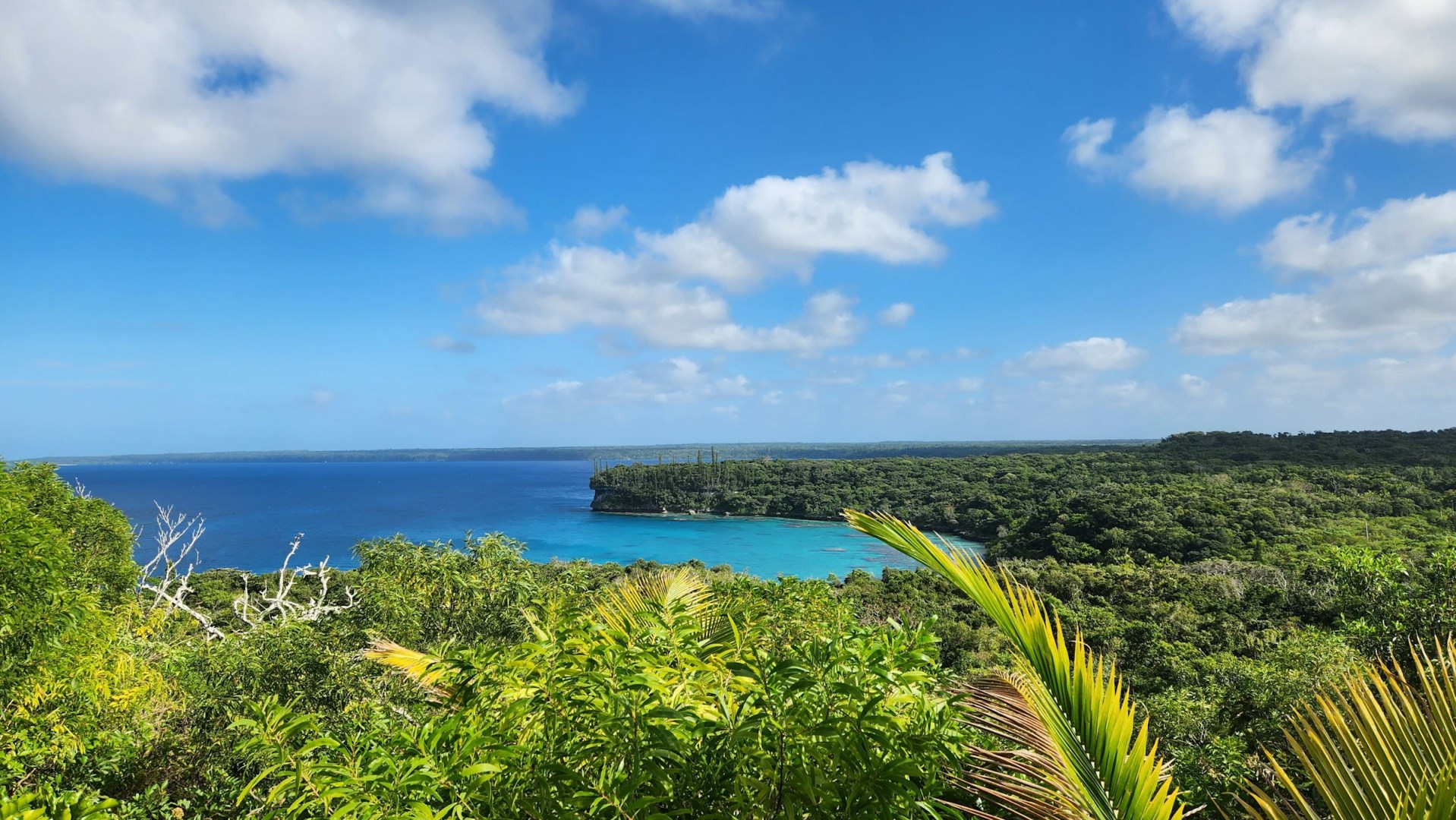
Lifou is the largest of the Loyalty Islands of New Caledonia and is known for its raised coral landscape, clear lagoons, and forested interior. Unlike Grande Terre, Lifou has no high mountain range, but its limestone plateau reaches enough elevation to create cliffs, caves, and elevated coastal viewpoints.
Sandakan Sabah
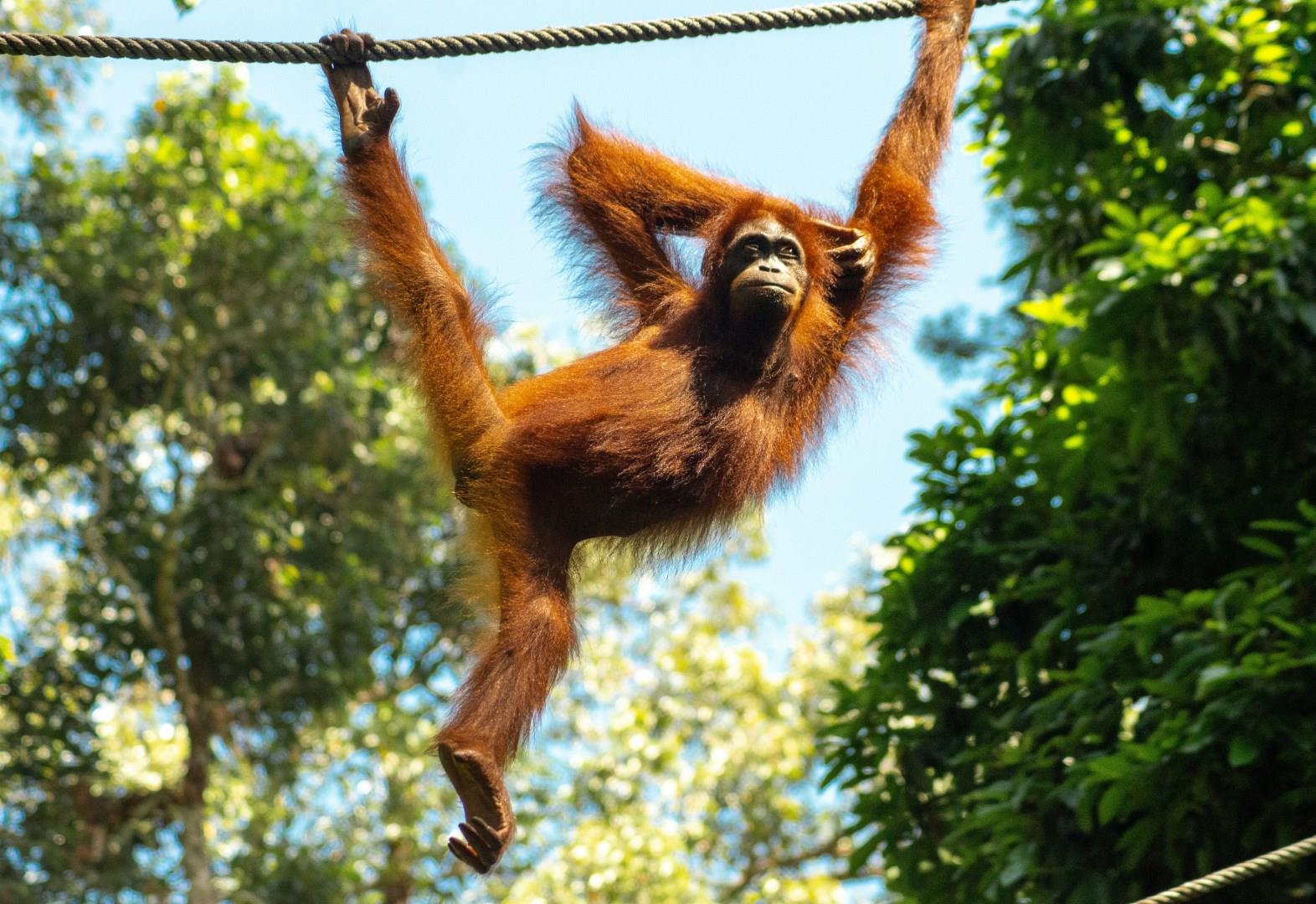
Sandakan, on the northeast coast of Sabah in Malaysian Borneo, is a city where history, wildlife, and culture come together. Once a major trading port known as “Little Hong Kong” for its bustling connections to the wider world, Sandakan has retained its multicultural character, with influences from Chinese, Malay, and Indigenous communities visible in its temples, markets, and cuisine.
