

Stonehenge
Stonehenge, one of the world's most iconic prehistoric monuments, stands proudly on the Salisbury Plain in Wiltshire, England. This enigmatic stone circle, believed to have been constructed between 3000 BC and 2000 BC, has captivated archaeologists, historians, and travelers alike for centuries.
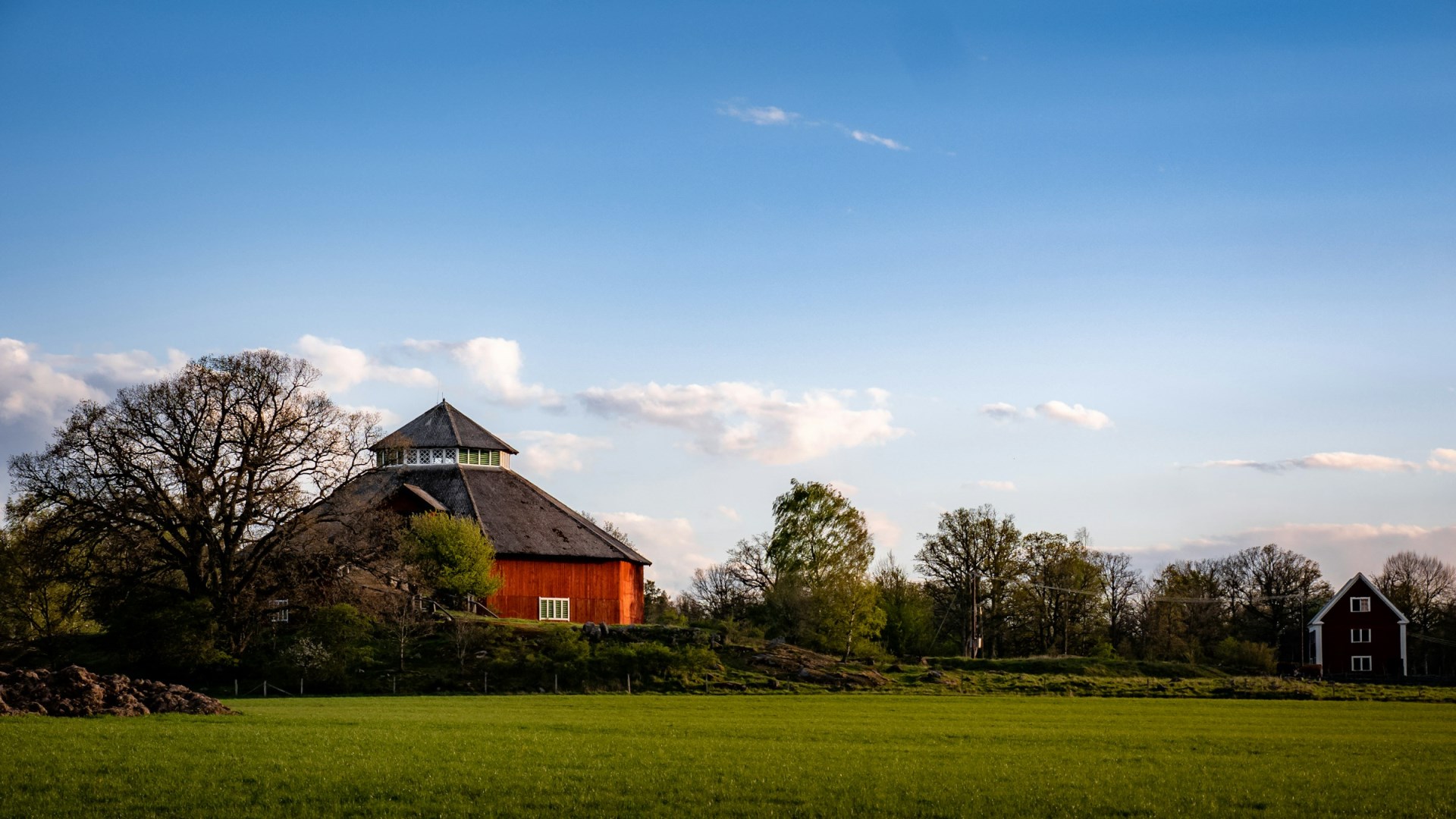
Linköping
Even though Linköping has developed into an industrial center and is Sweden's fifth-largest city, it maintains a small-town atmosphere. Old Linköping is the restored town center with preserved buildings from the 18th and 19th centuries. The tower of the impressive Linköping Cathedral, which took nearly 300 years to complete, can be seen from a distance of more than 10 kilometers.

Isabela Island
Isabella Island is the largest of the Galapagos islands, on the western end of the archipelago. Shaped like a seahorse when viewed from above, Isabella is home to more wild tortoises than any other island, as well as a wide variety of other animal, bird and marine life.
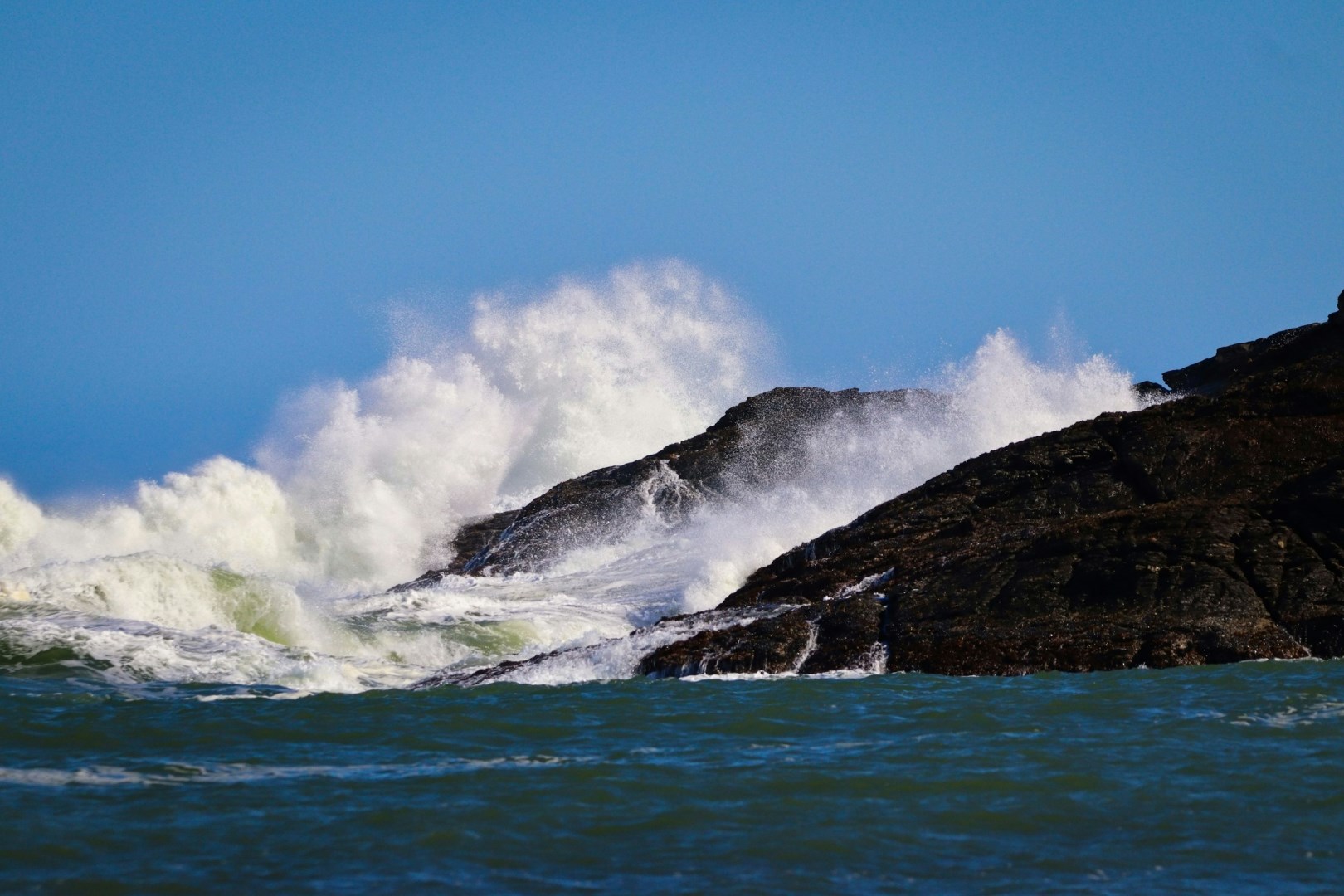
Luderitz
This coastal town in southwestern Namibia is known for its German colonial buildings, including the art nouveau Goerke Haus, built into the rock face on Diamond Hill. Nearby, Felsenkirche is a hilltop church with panoramic bay views stretching around to Robert Harbor. The Lüderitz Museum has displays about the town’s diamond mining past as well as local and natural history.
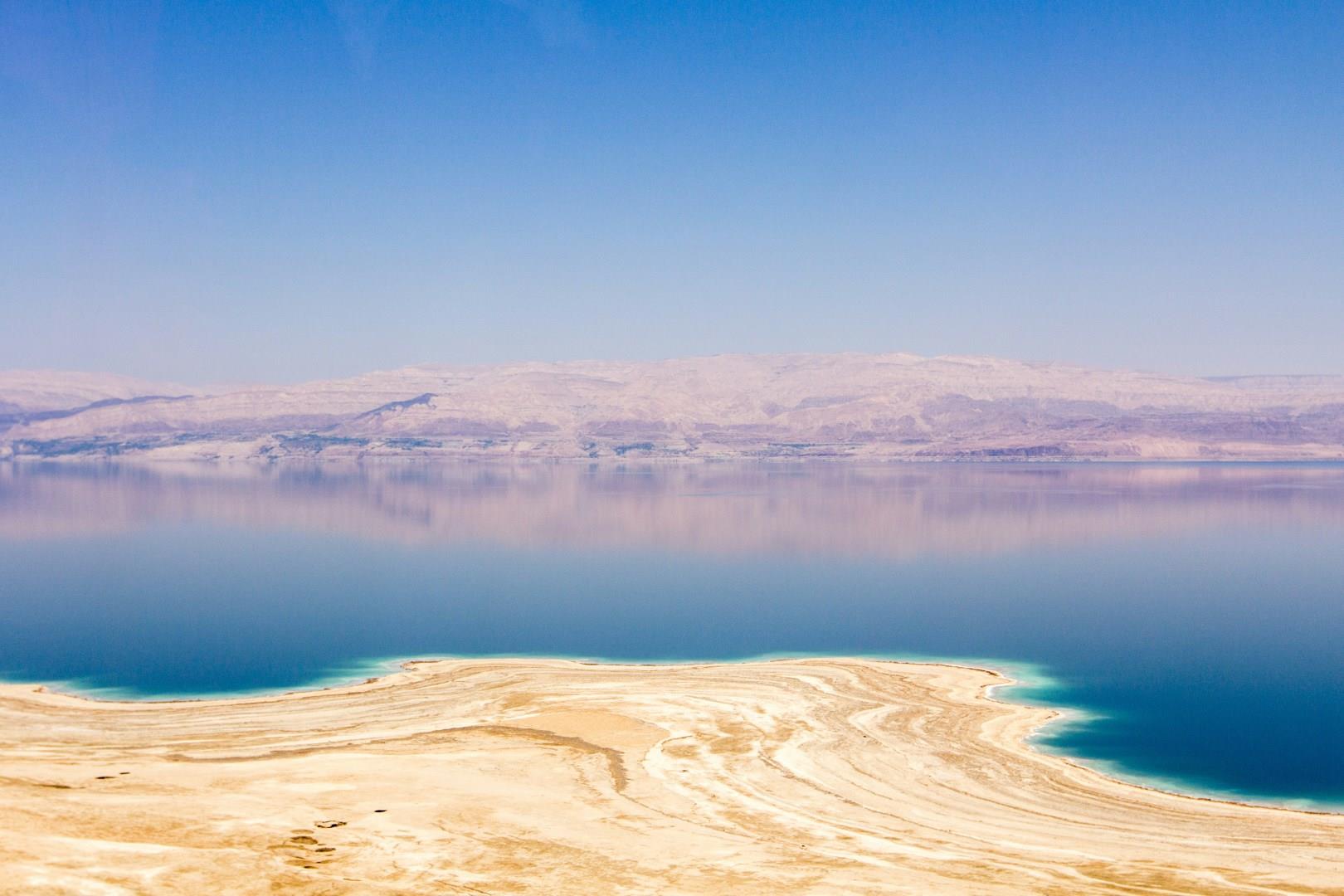
Dead Sea
The Dead Sea lies at the lowest point on Earth, around 430 meters below sea level, and features water with nearly ten times the salinity of the ocean. That level of salinity makes floating on its surface effortless. Visitors can lie back without effort, with views opening across barren hills and reflective water. This shoreline also hosts a mix of minerals collected over millennia and known for their soothing effect on skin and joints.
