

Nanaimo
Town on East side of Vancouver Island, British Columbia, Canada. Excellent shopping for native and maritime items with direct ferry access to Vancouver.

Santa Cruz de La Palma
Santa Cruz de La Palma is the capital of the island of La Palma, one of the seven Canary Islands. Although often forgotten in favor of the similarly named Santa Cruz de Tenerife, it is a compact and colorful colonial town well worth a visit. Swimming, paragliding, and hiking and some of the most popular daytime activities, while stargazing is a favorite pastime after the sun goes down.

Germany
Germany offers a wide range of experiences, shaped by centuries of history, regional traditions, and striking landscapes. In Berlin, the past and present share the same streets. Visitors can walk along remnants of the Berlin Wall and then explore a thriving street art scene in neighborhoods like Kreuzberg and Friedrichshain. The city's Museum Island, a UNESCO World Heritage Site, houses ancient artifacts and 19th-century masterpieces just a short walk from modern coffee shops and rooftop bars.
Beaujolais
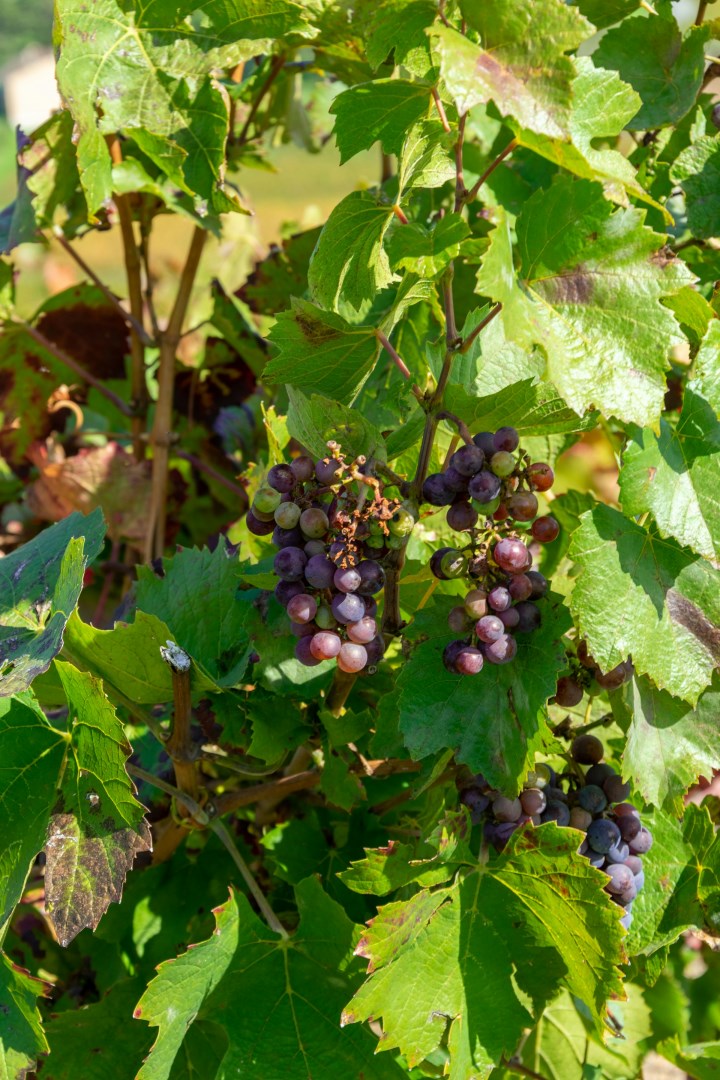
Located just to the north of Lyon, Beaujolais is mainly known for it's winemaking. Beaujolais is written with an 's' because there are 12 of them. Beaujolais Nouveau is the most famous ambassador of the Beaujolais region. But it is simply one of an entire range. The different Beaujolais wines are produced by more than 4 000 vine-growers.

San Gimignano
San Gimignano, a stunning medieval hilltop town in Tuscany, Italy, is often called the "Medieval Manhattan" due to its remarkable skyline of ancient towers. Encircled by 13th-century walls, the town is a UNESCO World Heritage site that offers a mesmerizing journey back in time. As you stroll along the cobbled streets of the historic center, you'll be enchanted by the preserved Romanesque and Gothic architecture, from charming piazzas to grand churches.
