
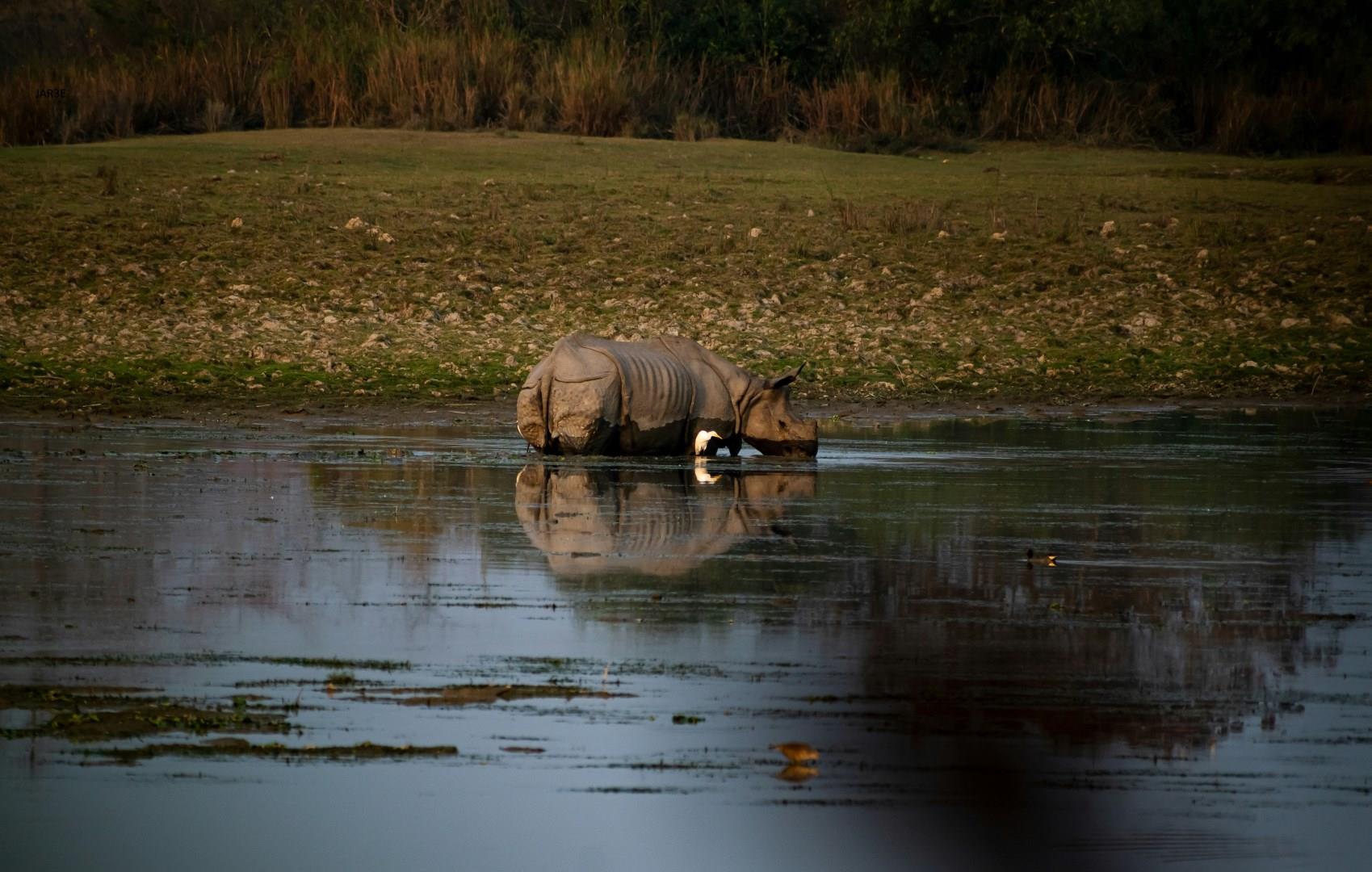
Kaziranga National Park
Kaziranga National Park stretches across the floodplains of the Brahmaputra River in Assam, shaped as much by water as by wildlife. Established in the early 20th century, it became central to conservation efforts in India, most notably for the greater one-horned rhinoceros. The park’s history reflects a long negotiation between protection, seasonal flooding, and the human communities that live around its edges.
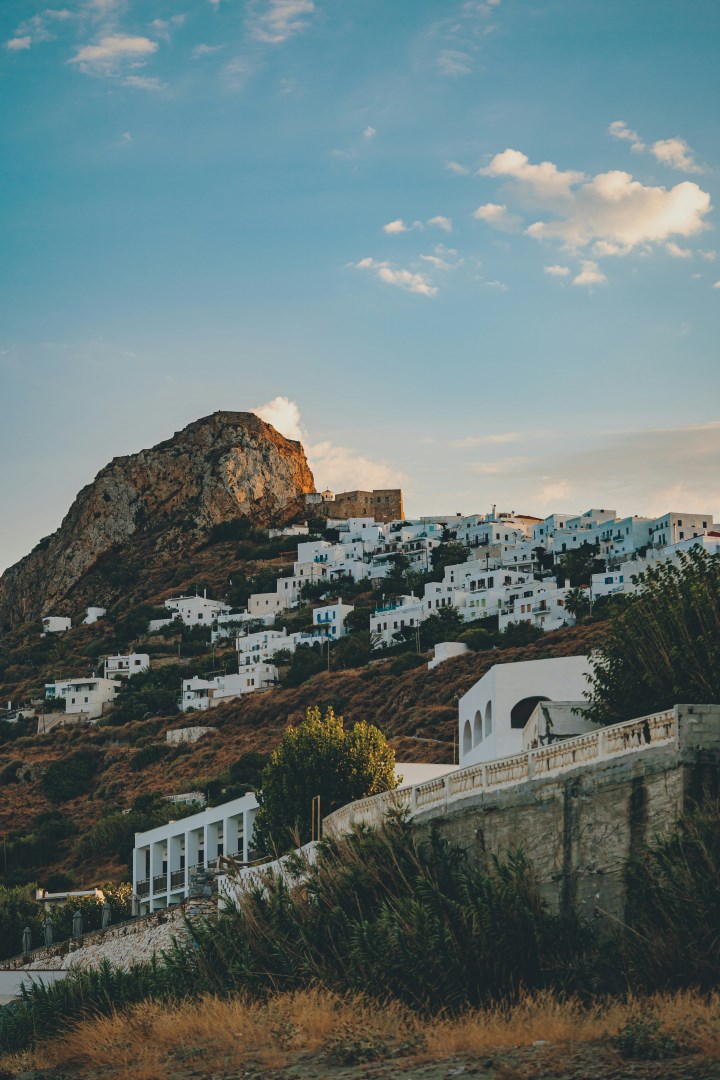
Skiros
Set in the heart of the Aegean Sea, Skyros, Greek island, stands apart from its neighboring islands with a character shaped by both rugged landscapes and quiet coastal life. As part of the Sporades group, it offers a mix of pine-covered hills in the north and drier, open terrain in the south. The main town, Skyros Town, rises along a hillside crowned by a whitewashed monastery and a medieval-style castle, creating a striking view from the harbor below.
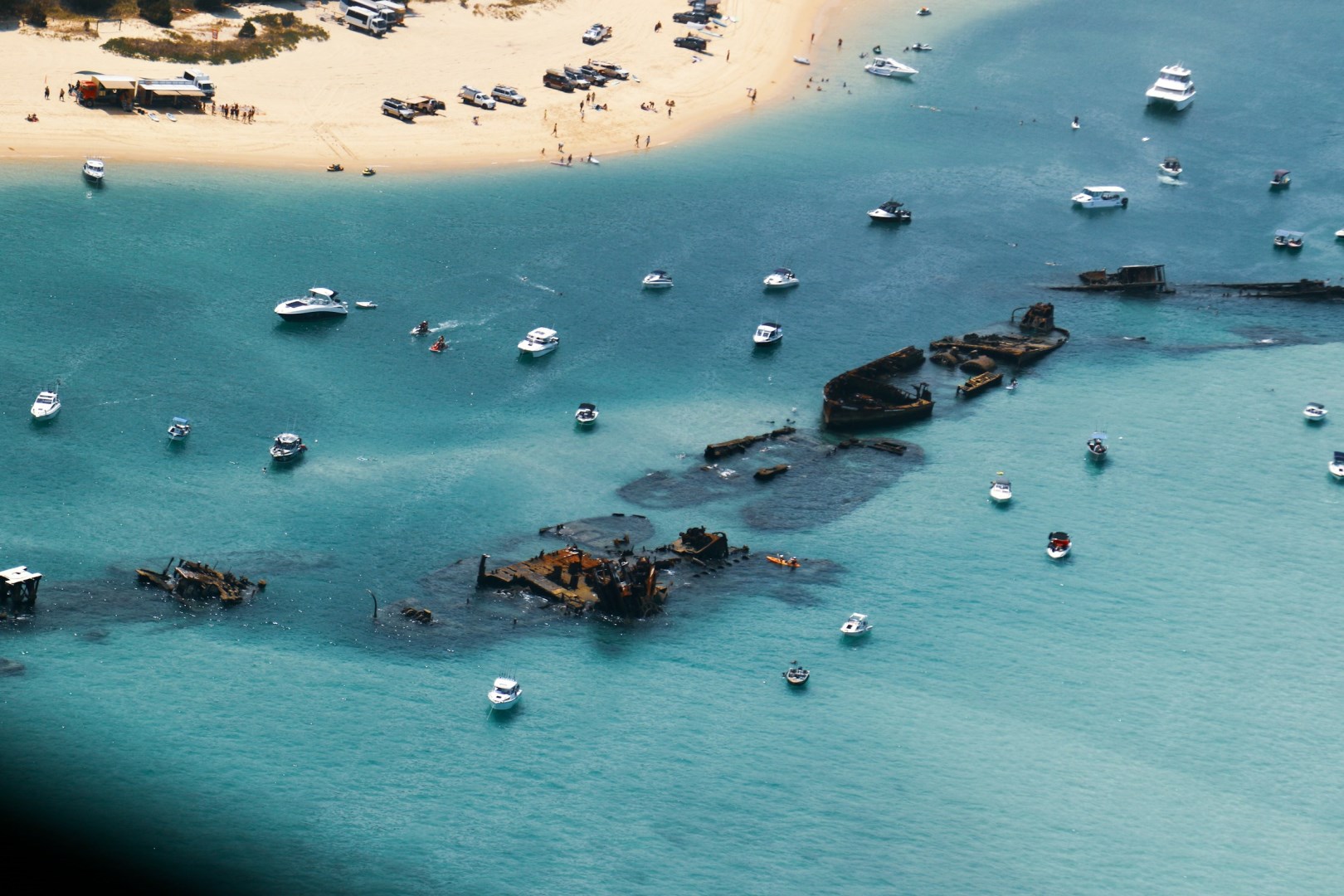
Moreton Island
There is a whole host of wildlife on Moreton Island which you can see on the numerous beaches, and along the walking and 4WD trails. Many wading birds can be found on the island, in particular between September and April when many birds migrate from other countries. You may also be lucky enough to see Green and Loggerhead Turtles which often nest between November - February.

Keystone
Nestled within the Colorado Rockies, Keystone is a popular ski resort destination west of Denver. The perfect spot for a variety of outdoor adventures, Keystone offers ample opportunity to ski, snowboard, hike, or golf.

Charlotte Amalie
With its mix of history, culture, and breathtaking natural beauty, Charlotte Amalie offers an unforgettable Caribbean experience. Whether you’re soaking up the sun on a world-class beach or diving into the island’s rich heritage, there’s something for everyone in this captivating destination.
