

Darwin
Tropical beaches, green space, wildlife, and dazzling sunsets all draw tourists to Darwin. Visitors should also discover the city's art museums, Mindil Beach's night markets and the local seafood. And did you know that this area of Australia has more crocodiles than anywhere on the planet?

Amantani
Amantani is an island in Lake Titicaca, Peru, known for its high-altitude landscapes, agricultural terraces, and Quechua-speaking communities. Located in the lake’s Peruvian waters, the island is home to small settlements spread across hillsides that rise above the water. Unlike larger lakeside destinations, Amantani has few paved roads and no major commercial center, so daily life remains closely connected to farming, weaving, and community activities.

Belize
Belize, tucked between Mexico, Guatemala, and the Caribbean Sea, is a country where ancient history and untamed nature meet. Once the heartland of the Maya civilization, Belize is dotted with impressive archaeological sites such as Caracol and Xunantunich, where towering pyramids rise above jungle canopies.
Athabasca Glacier
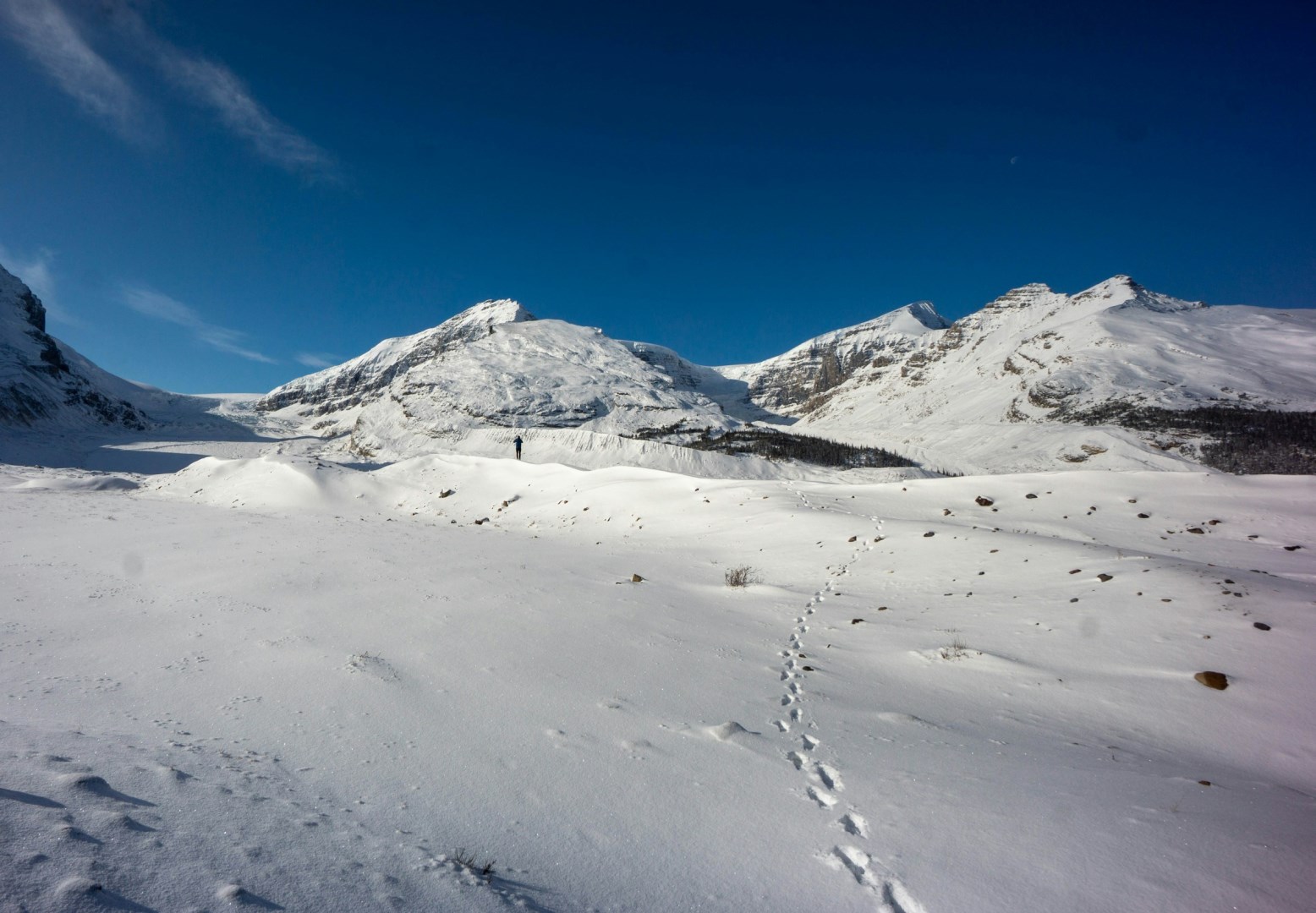
Athabasca Glacier is one of the most accessible glaciers in the Canadian Rockies, located in Jasper National Park along the Columbia Icefield Parkway in Alberta. It forms part of the Columbia Icefield, a vast area of ice and snow that feeds several major river systems. The glacier extends down from the icefield between rugged mountain peaks, with its lower section visible from a marked viewpoint and trail.
Celeste River
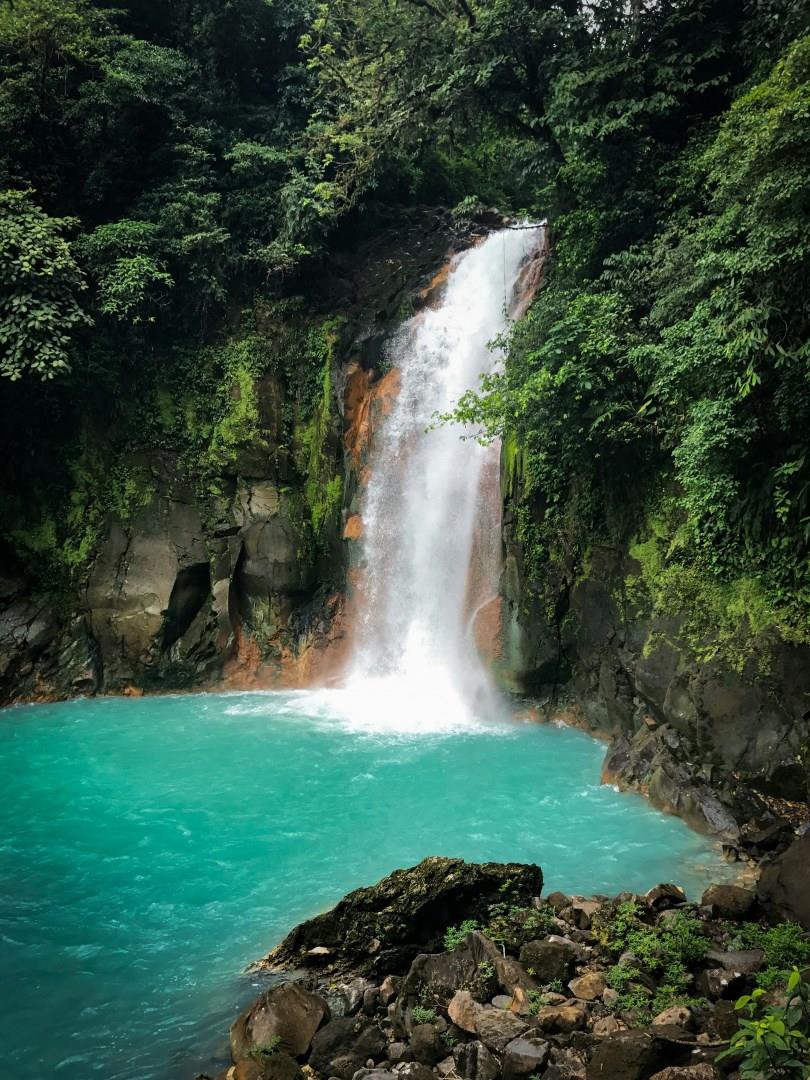
Hidden in the northern region of Costa Rica, the Celeste River (Río Celeste) winds through Tenorio Volcano National Park with a color so vivid it seems unreal. The river’s striking turquoise hue is caused by a natural chemical reaction between two mineral-rich streams, Quebrada Agria and Río Buena Vista, which merge at a point known as "El Teñidero." This one-of-a-kind phenomenon creates the illusion that the water has been dyed blue, even though no pigments are present.
