

Patagonia
Patagonia, Argentina, is a land of untamed beauty, where jagged peaks, expansive glaciers, and crystal-clear lakes come together to create one of the most awe-inspiring landscapes on Earth.
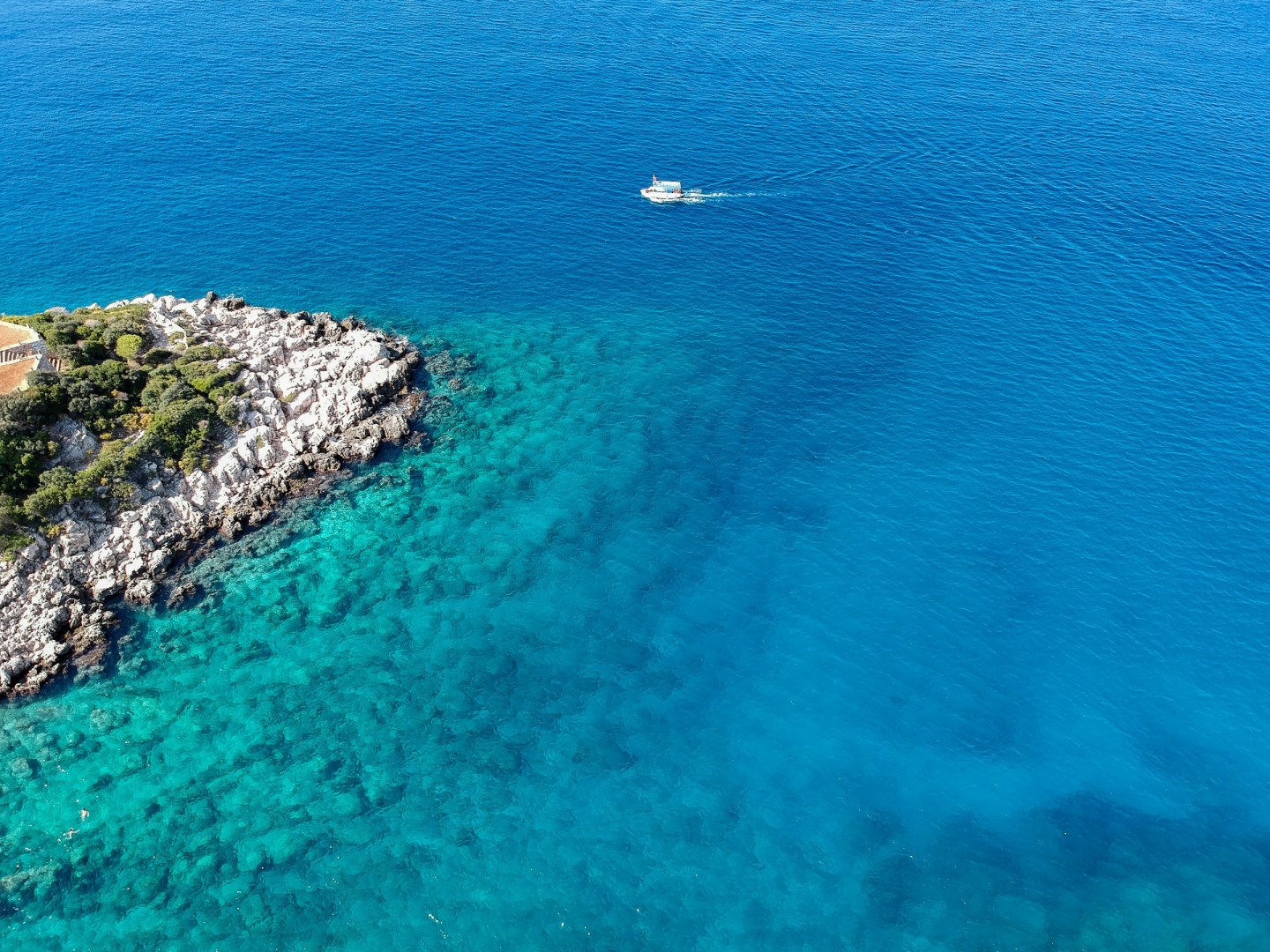
Kas
Kas, a small coastal town on Turkey’s Turquoise Coast, is known for its charming mix of history, Mediterranean scenery, and laid-back atmosphere.
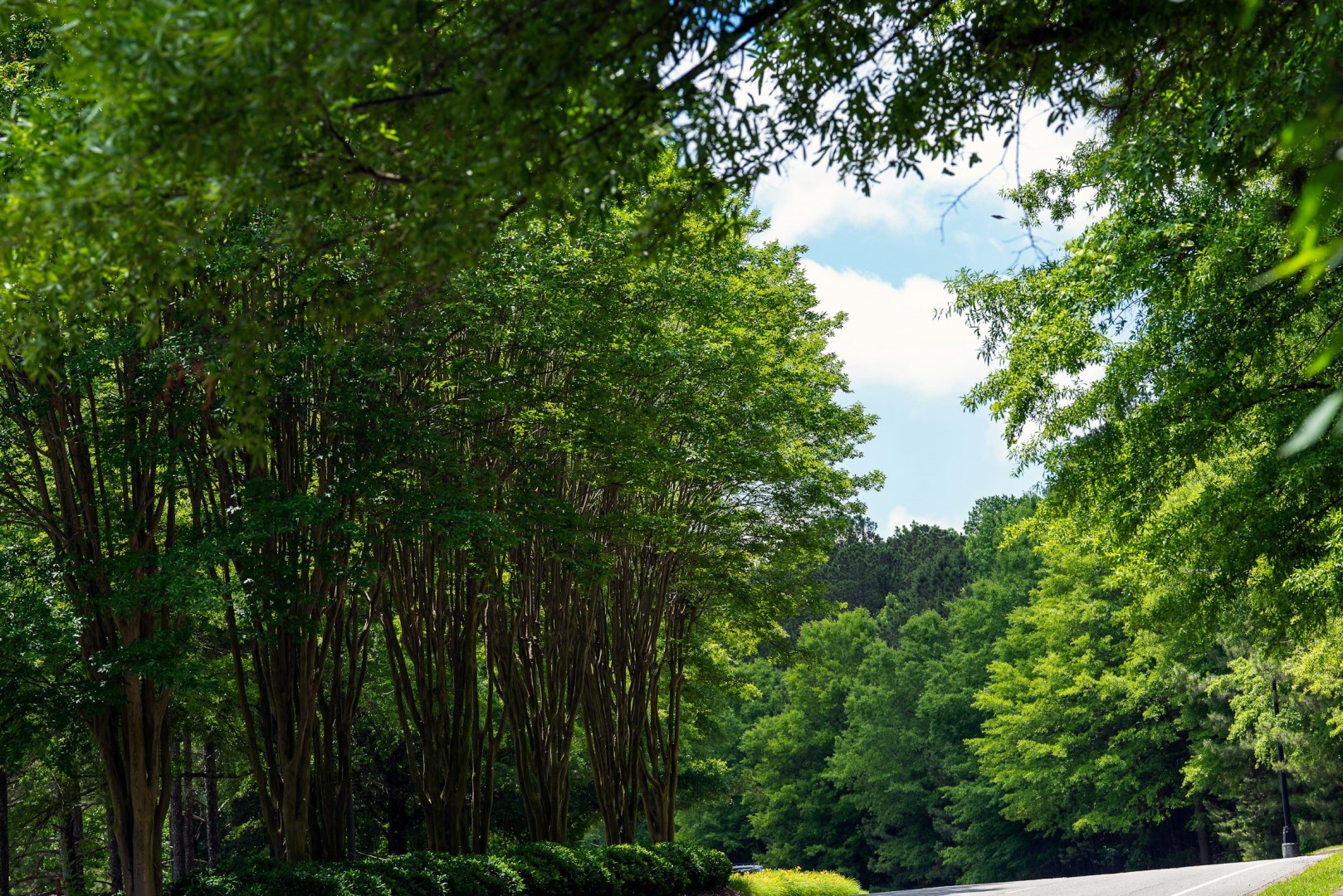
Alpharetta
Although Alpharetta is not a particularly big city now, experts predict that in about 25 years, Alpharetta will be the geographical center of metro Atlanta, as the area continues to expand North. After driving past many empty fields, or wooded areas, you might find it hard to believe that Alpharetta will really become such a major city. What you probably don't know is that much of Alpharetta's empty land is owned by some of the biggest names in the nation.
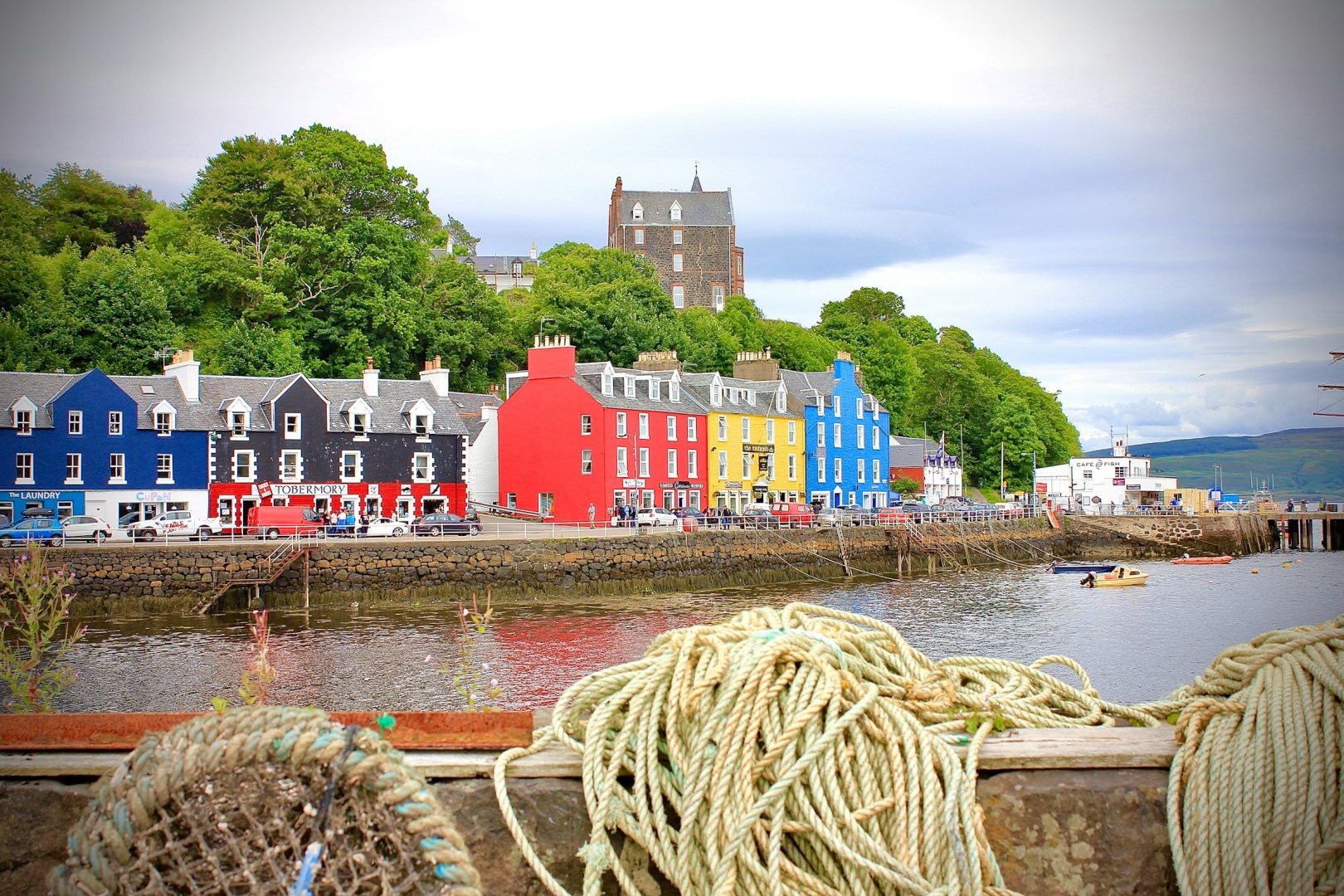
Oban
Oban is located in the northern part of the Scottish Highlands. Renowned for the beauty of the land and the excellent scotch made there, Oban is an indisputable treasure of nature.

Alicante
Alicante, a captivating coastal city on Spain’s Costa Blanca, enchants visitors with its blend of rich history, Mediterranean charm, and vibrant nightlife. Dominated by the impressive Santa Bárbara Castle perched on Mount Benacantil, the city offers sweeping views of the turquoise Mediterranean Sea and the bustling streets below.
