
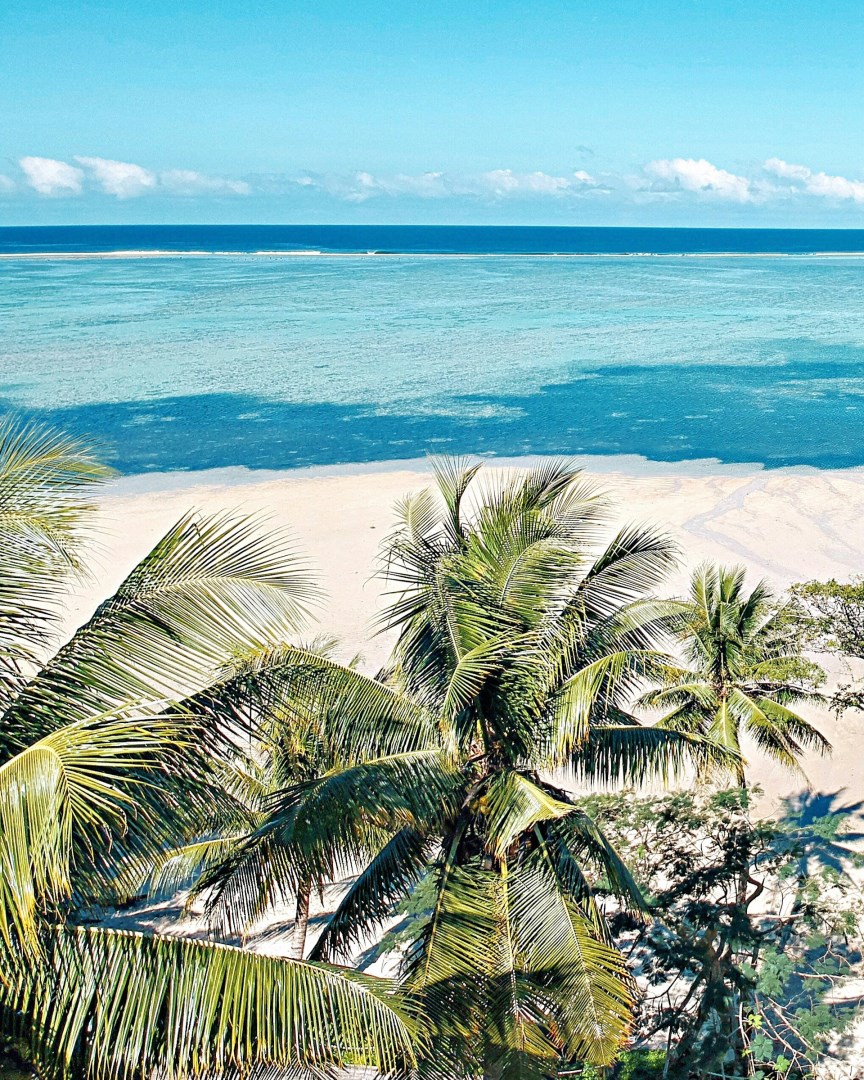
Viti Levu
Viti Levu is Fiji’s largest island and the country’s main centre of population, government and commerce. More than 70 percent of Fiji’s residents live on the island, which includes the capital, Suva, in the southeast and Nadi, the principal international gateway, in the west.
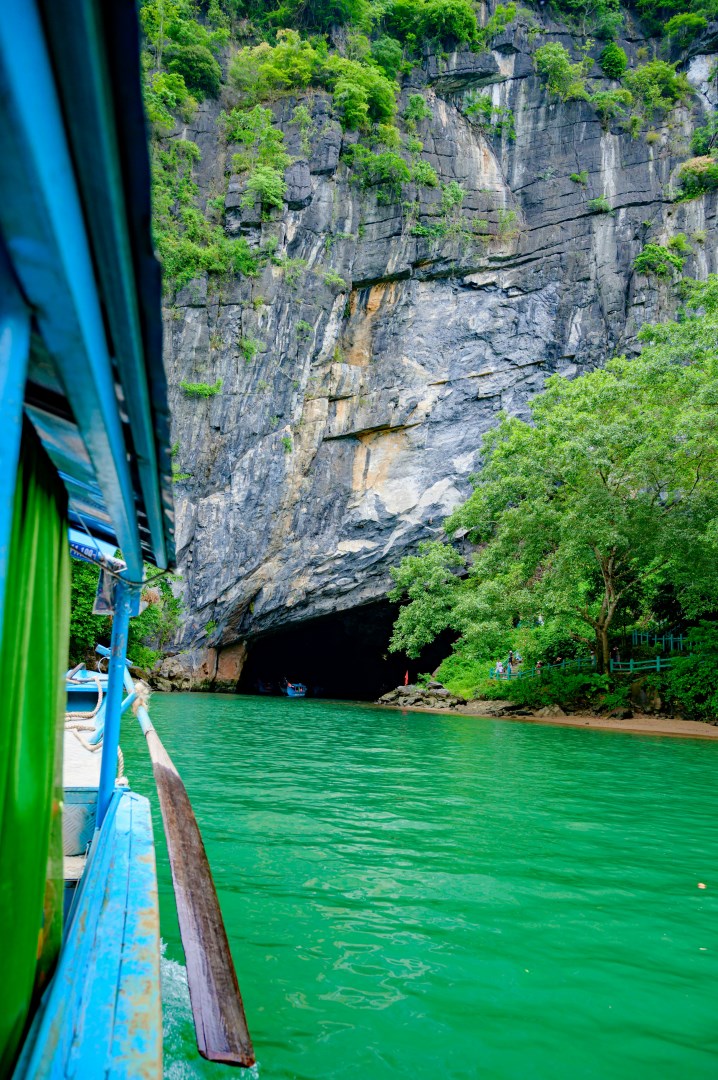
Phong Nha - Ke Bang National Park
Kẻ Bàng National Park lies in central Vietnam, near the border with Laos, and is known for its vast network of limestone mountains and underground rivers. The park forms part of one of the oldest karst landscapes in Asia, shaped over millions of years into a maze of caves, cliffs, and dense forest. Among its most famous features is Sơn Đoòng Cave, recognized as the largest cave on Earth, with sections so vast that clouds can form inside and a jungle grows beneath its collapsed roof.
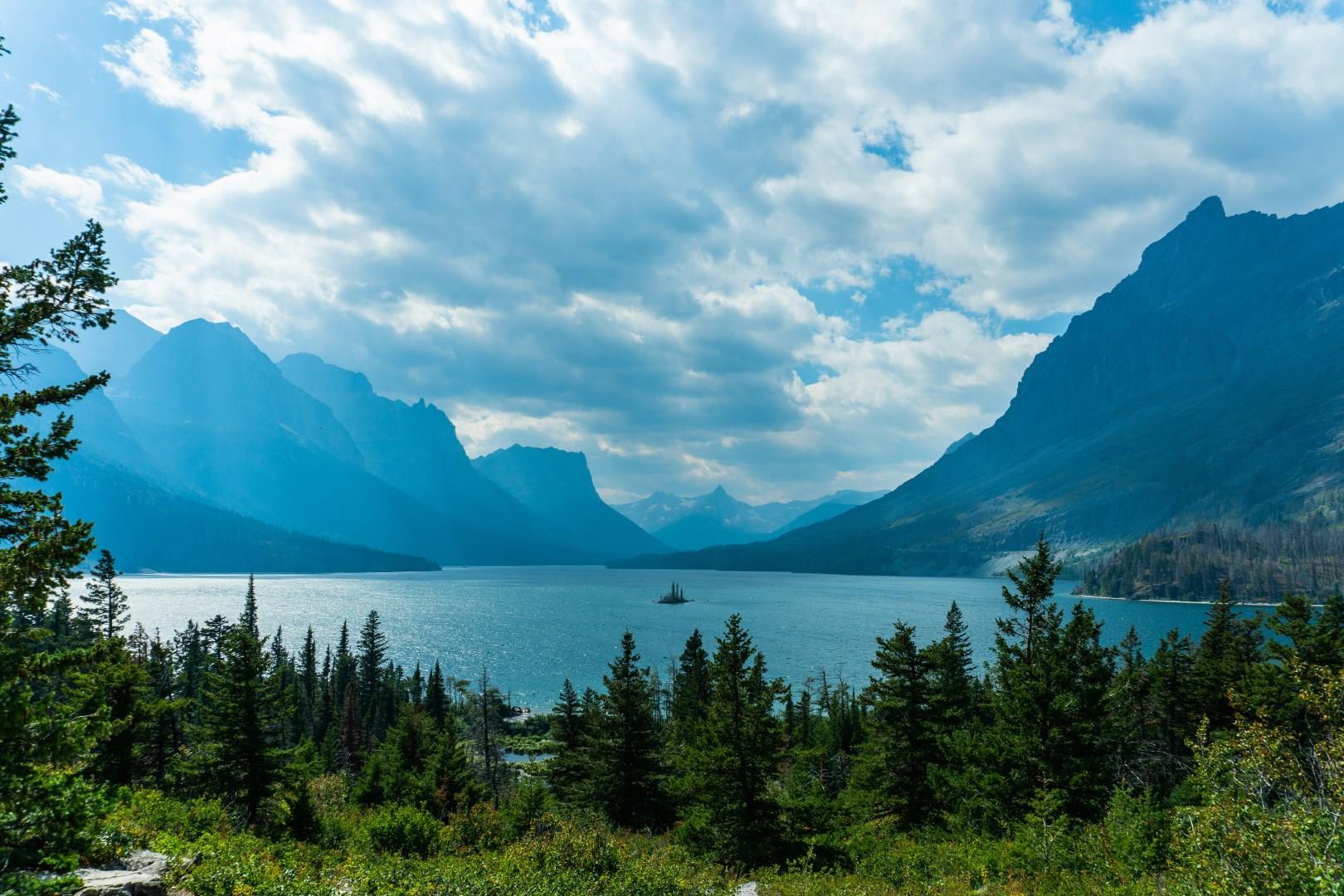
Glacier National Park
Glacier National Park is a stunning natural wonderland renowned for its dramatic landscapes and abundant wildlife. This vast expanse of pristine wilderness covers over a million acres and is a sanctuary for outdoor enthusiasts and nature lovers alike. The park is famous for its iconic Going-to-the-Sun Road, a scenic drive that winds through the heart of the park and offers breathtaking views of towering peaks, lush valleys, and pristine lakes.
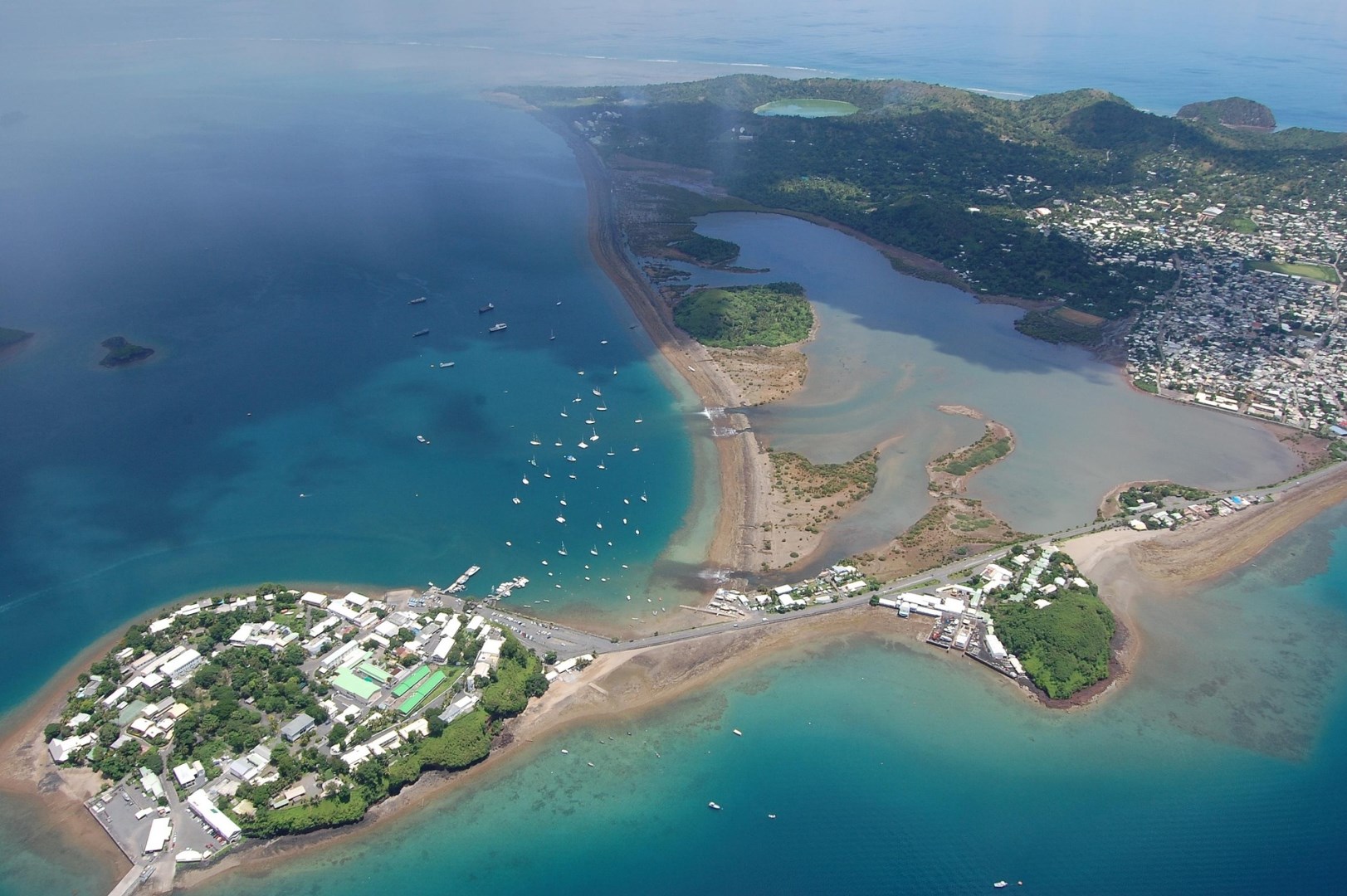
Dzaoudzi
Dzaoudzi is a historic town on Petite-Terre, one of the two main islands of Mayotte in the Indian Ocean. It occupies a strategic position around the Rocher de Dzaoudzi, a rocky outcrop beside the lagoon, and serves as an important arrival point for visitors using the island’s airport and ferry connections. The town combines a compact urban setting with access to beaches, volcanic landscapes, and the waters of the surrounding lagoon.
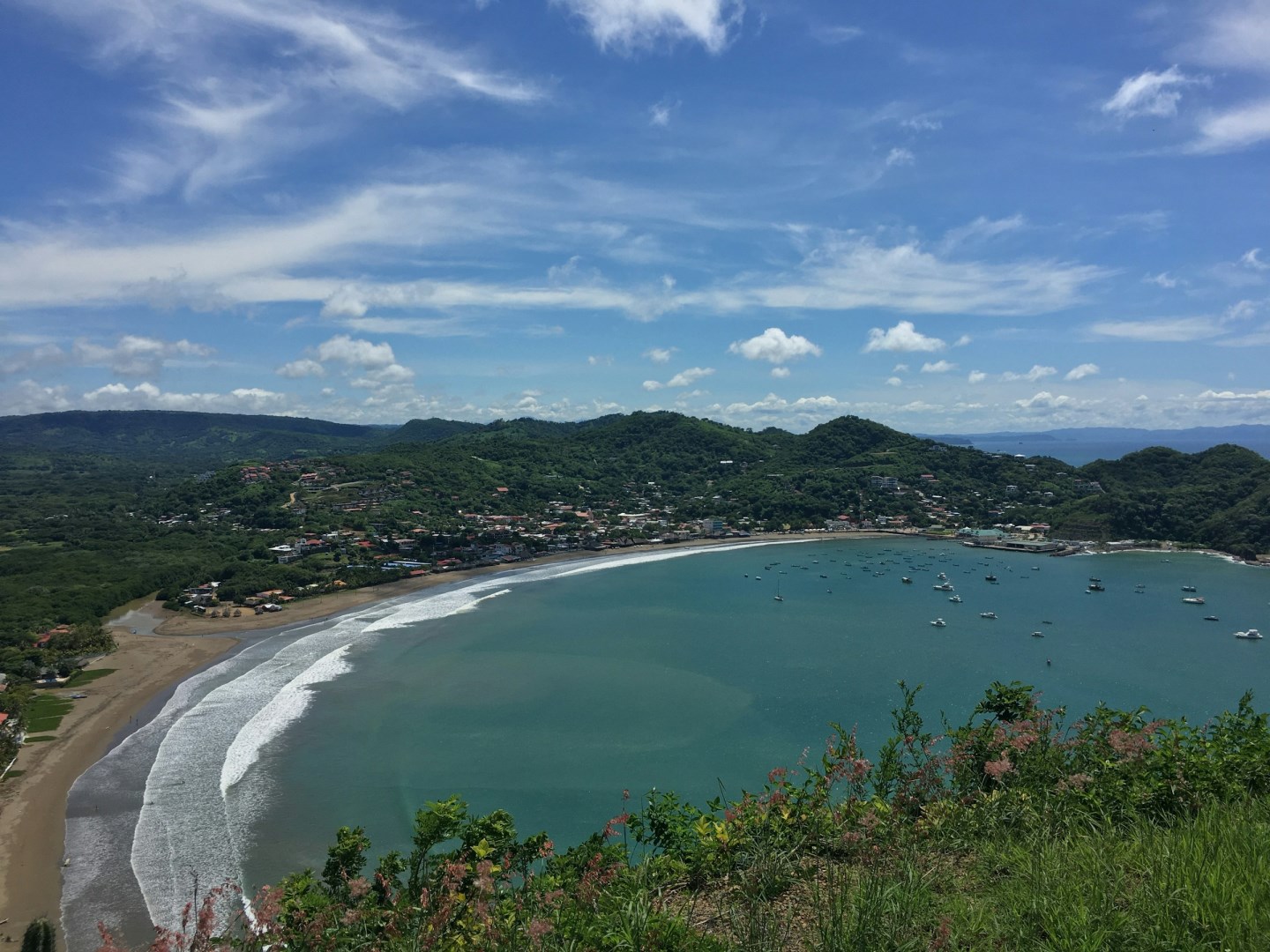
San Juan Del Sur
San Juan del Sur is a coastal town on Nicaragua's southwestern Pacific shore, set around a curved bay bordered by hills. Its waterfront combines a working fishing community with restaurants, small hotels, shops, and a broad sandy beach. The surrounding coastline includes forested headlands, rocky coves, and additional beaches reached by road or boat.
