

Las Vegas
Las Vegas, Nevada, is an electrifying city where glitz and glamour meet entertainment and excitement. Known as "The Entertainment Capital of the World," Las Vegas offers an unparalleled array of attractions, from its iconic casinos and luxurious hotels to its world-class dining and live shows. The city's entertainment scene is second to none, featuring legendary headliners, cutting-edge performances, and an array of themed attractions.
Las Terrenas
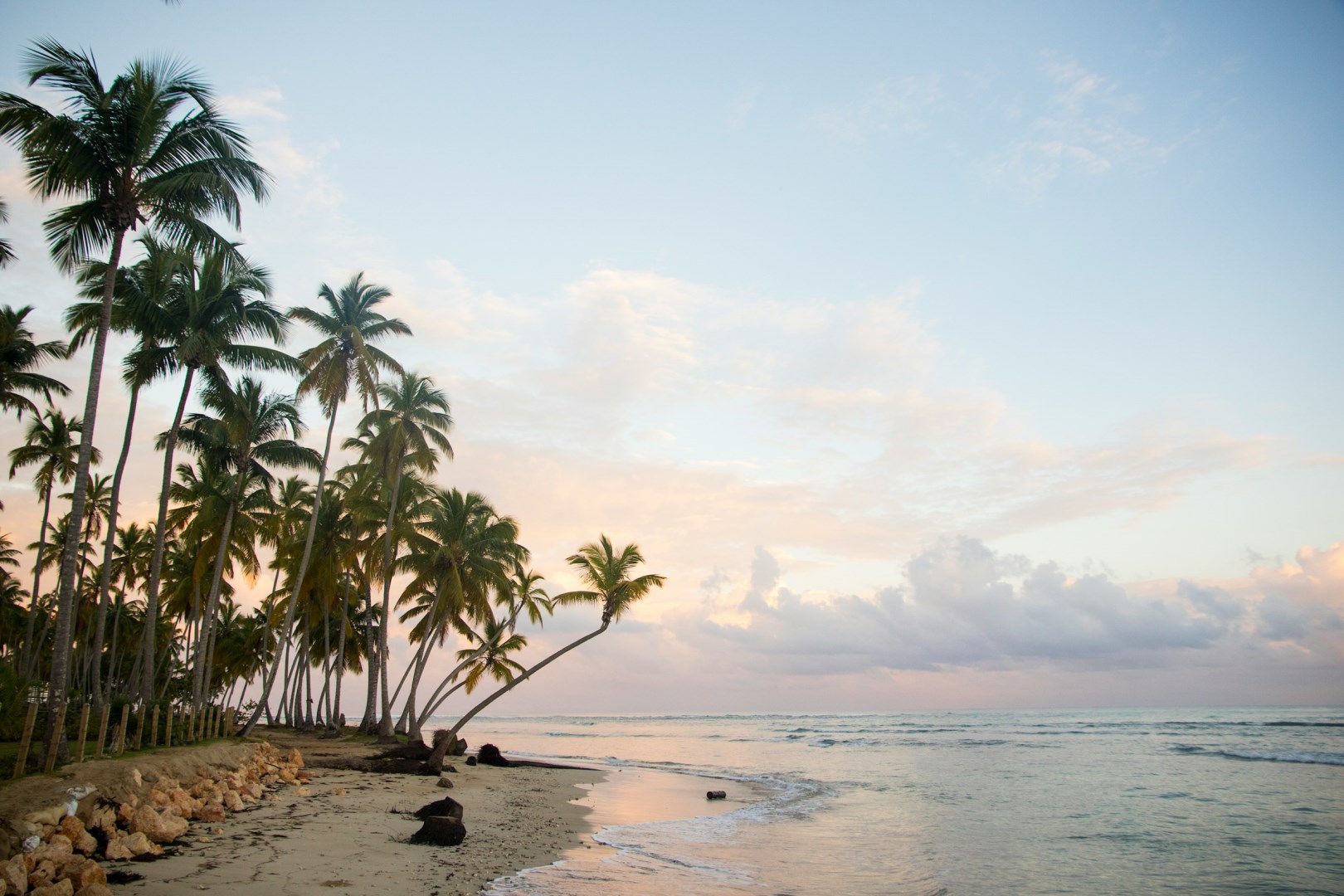
Plentiful beaches, stunning scenery, and restaurants with open-air seating distinguish the resort town of Las Terrenas. Situated in the Dominican Republic's northeast, this growing town has an increasing number of hotels, shopping centers and clubs. Away from the bustle, clear waters and underwater caverns await exploration.
Kirkenes
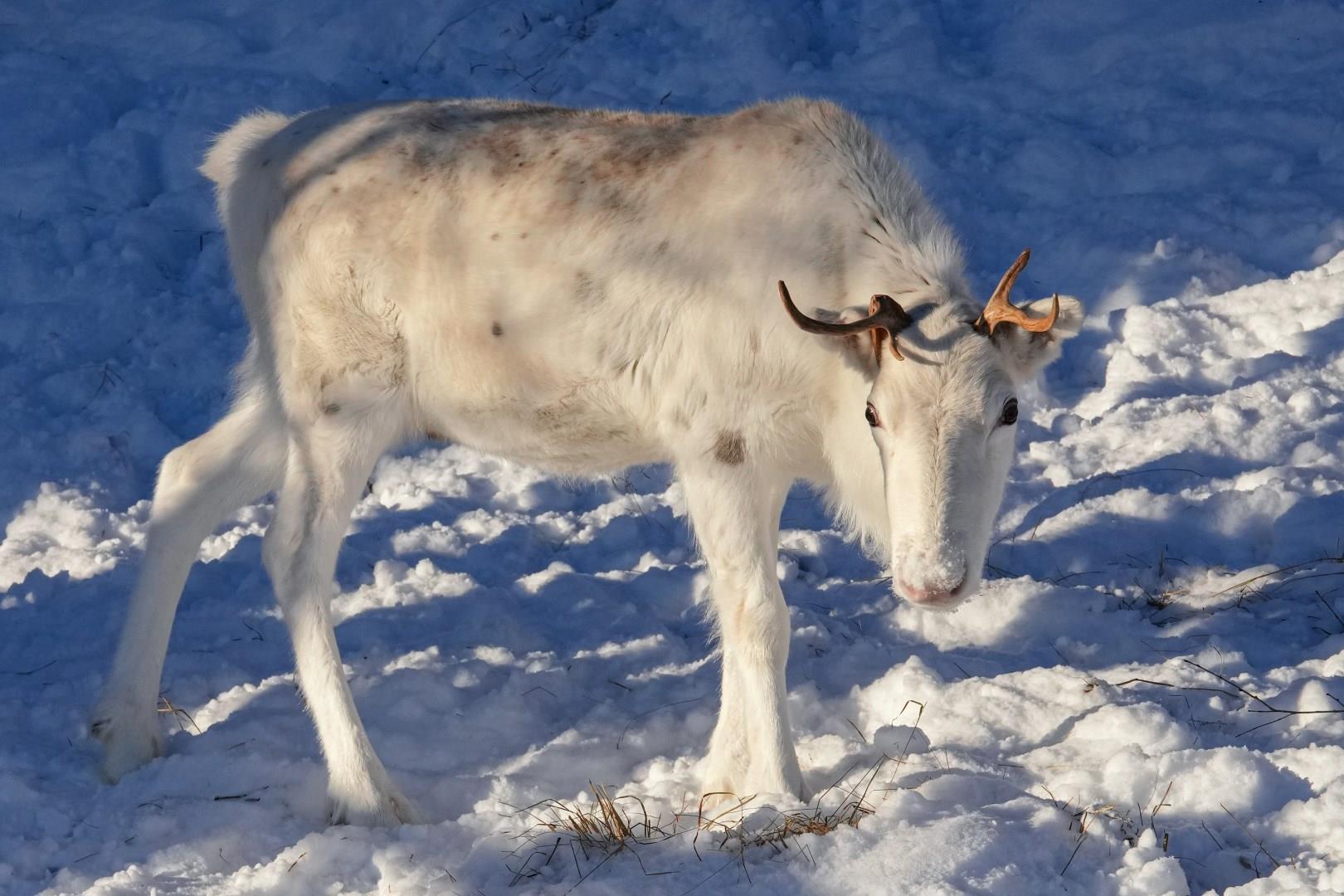
Kirkenes sits at the far northeastern edge of Norway, just a few kilometers from the Russian border and not far from Finland. This Arctic town offers travelers a perspective they won’t find anywhere else in the country. With street signs in both Norwegian and Russian, and a local history shaped by war, trade, and shifting borders, Kirkenes has long stood at the crossroads of cultures.
Pench National Park
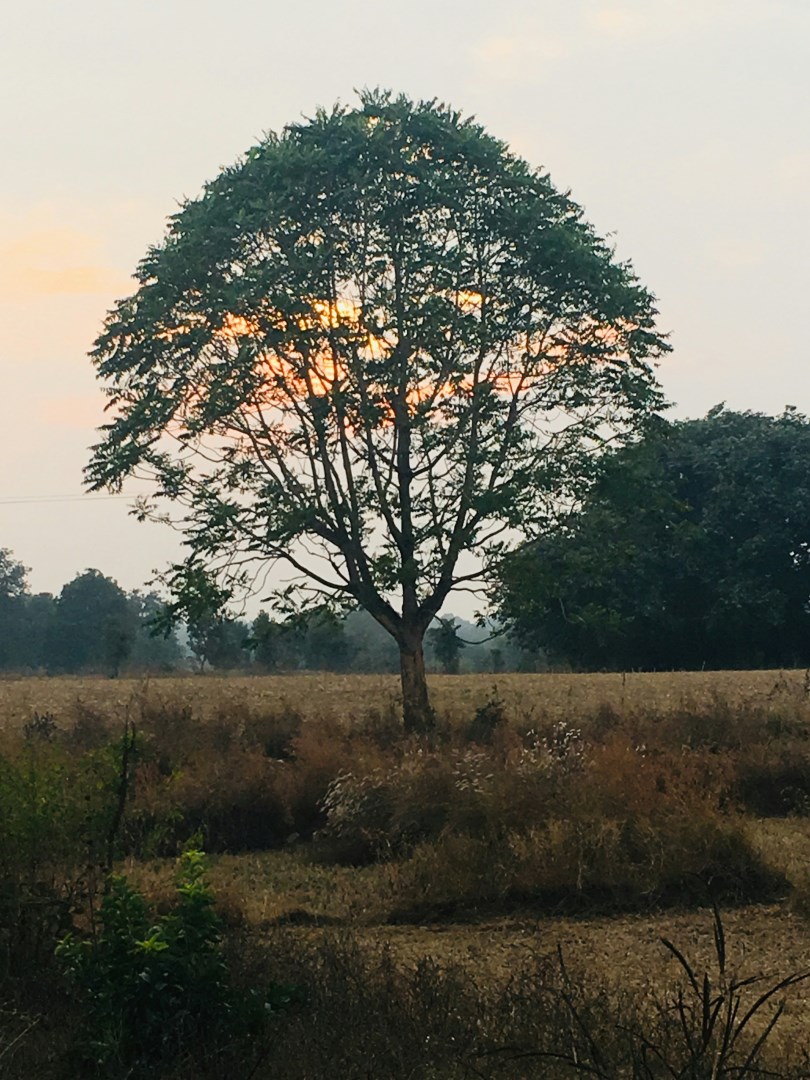
Pench National Park lies in the southern part of Madhya Pradesh, across Seoni and Chhindwara districts, with the reserve extending toward Maharashtra. The Pench River runs through the landscape and gives the park its name. Its forests include teak, salai, mahua, bamboo, and mixed dry deciduous vegetation, interspersed with open grasslands and streams. The park is especially known for Bengal tigers, but it also supports leopards, Indian wild dogs, gaur, sambar, chital, nilgai, sloth bears, and ma
Cayenne
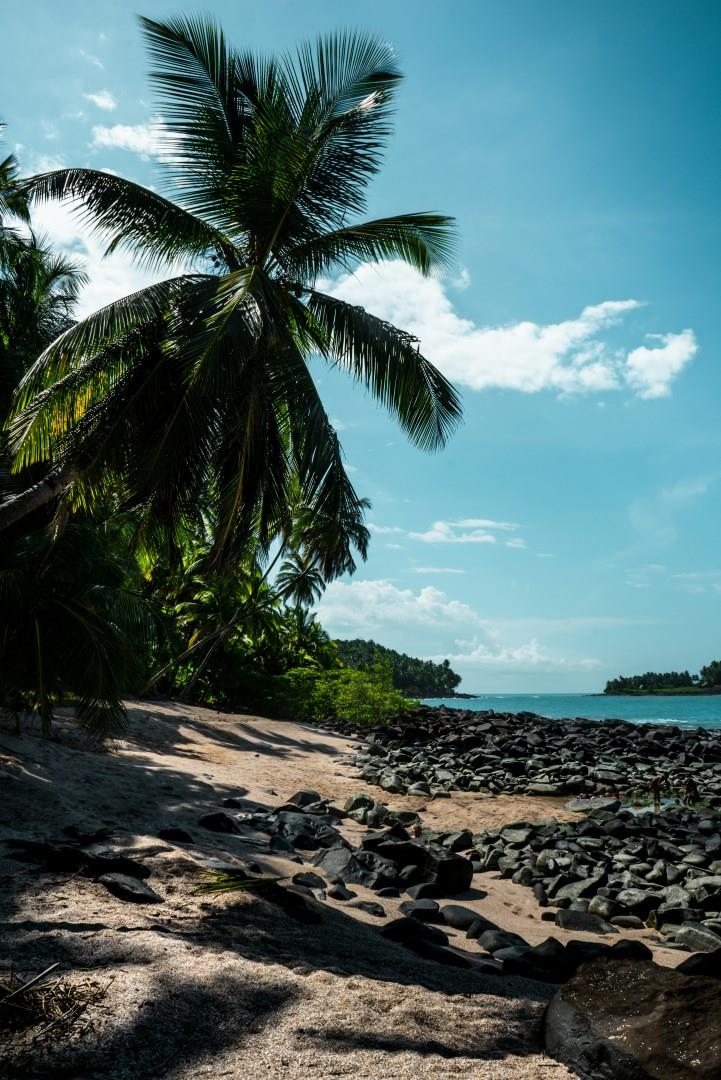
Cayenne, the lively capital of French Guiana, sits where the Cayenne River meets the Atlantic Ocean, blending South American rhythms with French-Caribbean influence. While it's officially part of France, Cayenne feels worlds away from Paris, with colorful markets, colonial architecture, and a language mix that includes French, Creole, Portuguese, and Indigenous dialects.
