
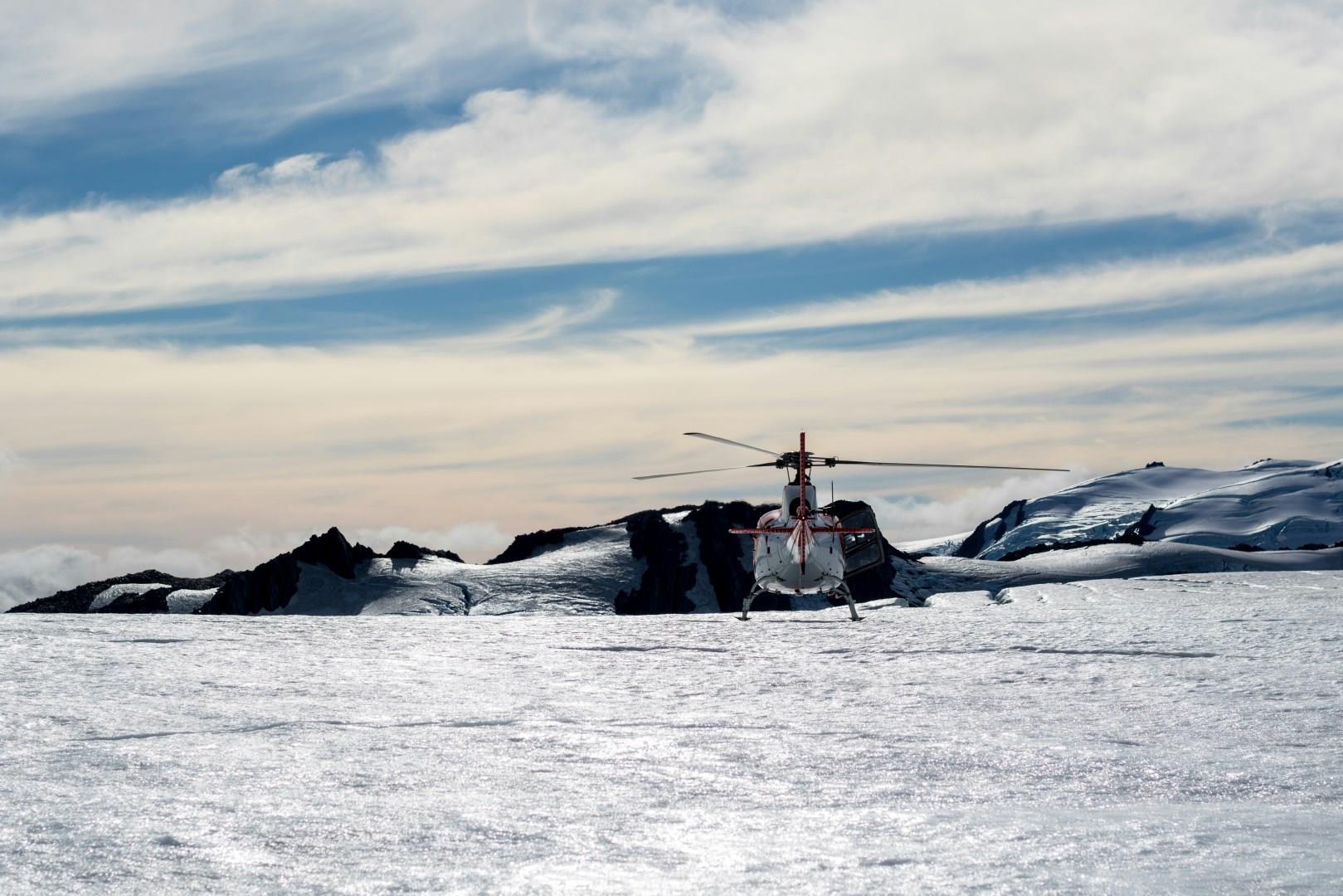
Fox Glacier
Fox Glacier, on New Zealand’s South Island, is one of the country’s most remarkable natural wonders, where icy landscapes meet lush rainforest. Named after Sir William Fox, a 19th-century Prime Minister of New Zealand, the glacier stretches from the high peaks of the Southern Alps down into temperate rainforest.
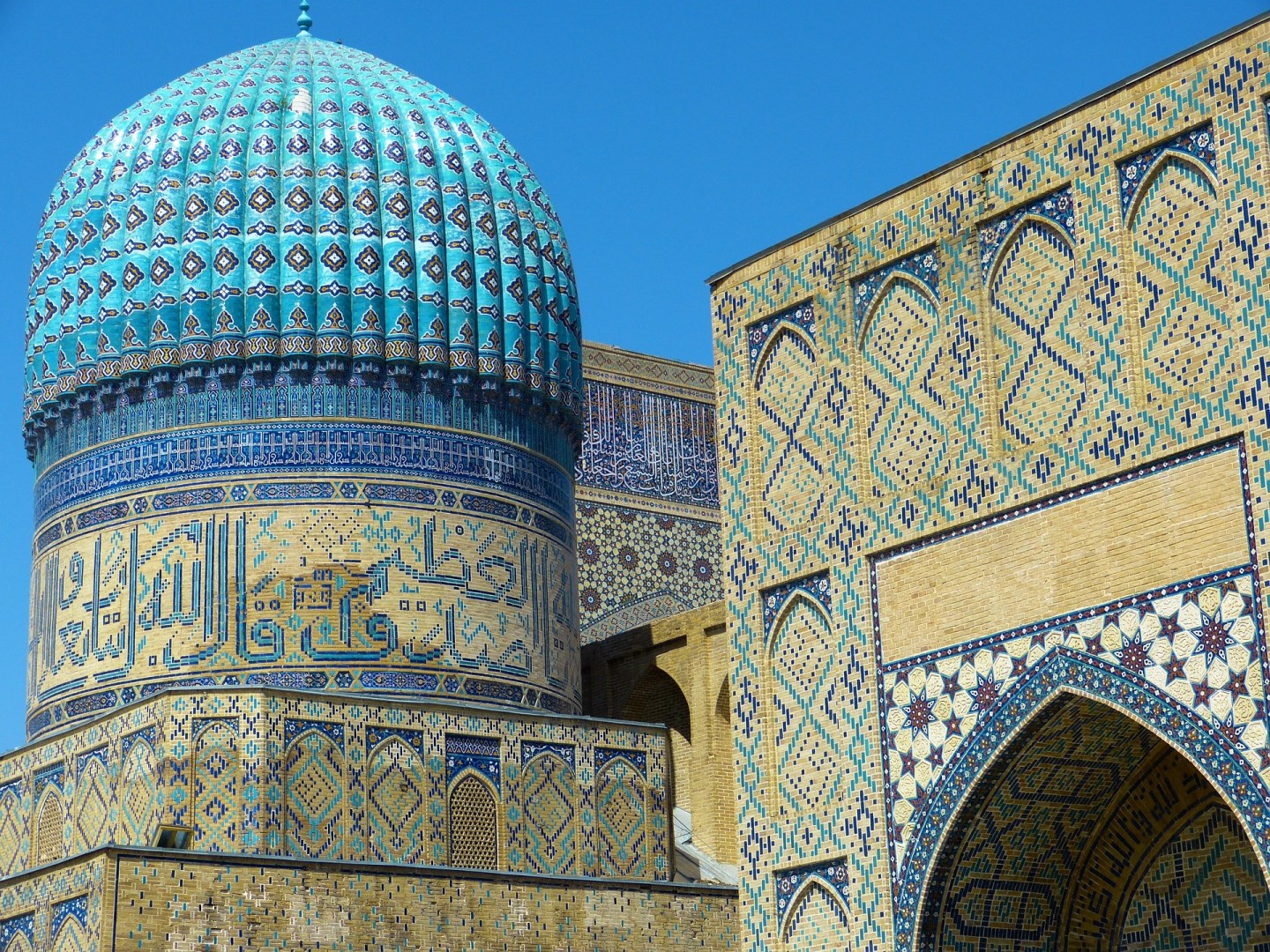
Samarkand
Samarkand is one of Central Asia’s most storied cities, famed for its role as a crossroads of culture, science, and trade along the Silk Road. The heart of the city is the Registan, a grand square framed by three ornate madrasas decorated with vivid mosaics, intricate tilework, and soaring arches.

Kotor
This coastal town in Montenegro is part of the World Heritage Site dubbed the Natural and Culturo-Historical Region of Kotor. It holds several summer events, such as the Summer Carnival or Bokeljska Noc. One of the most notable and charming aspects of the town is the large population of cats that have become a symbol of the city.
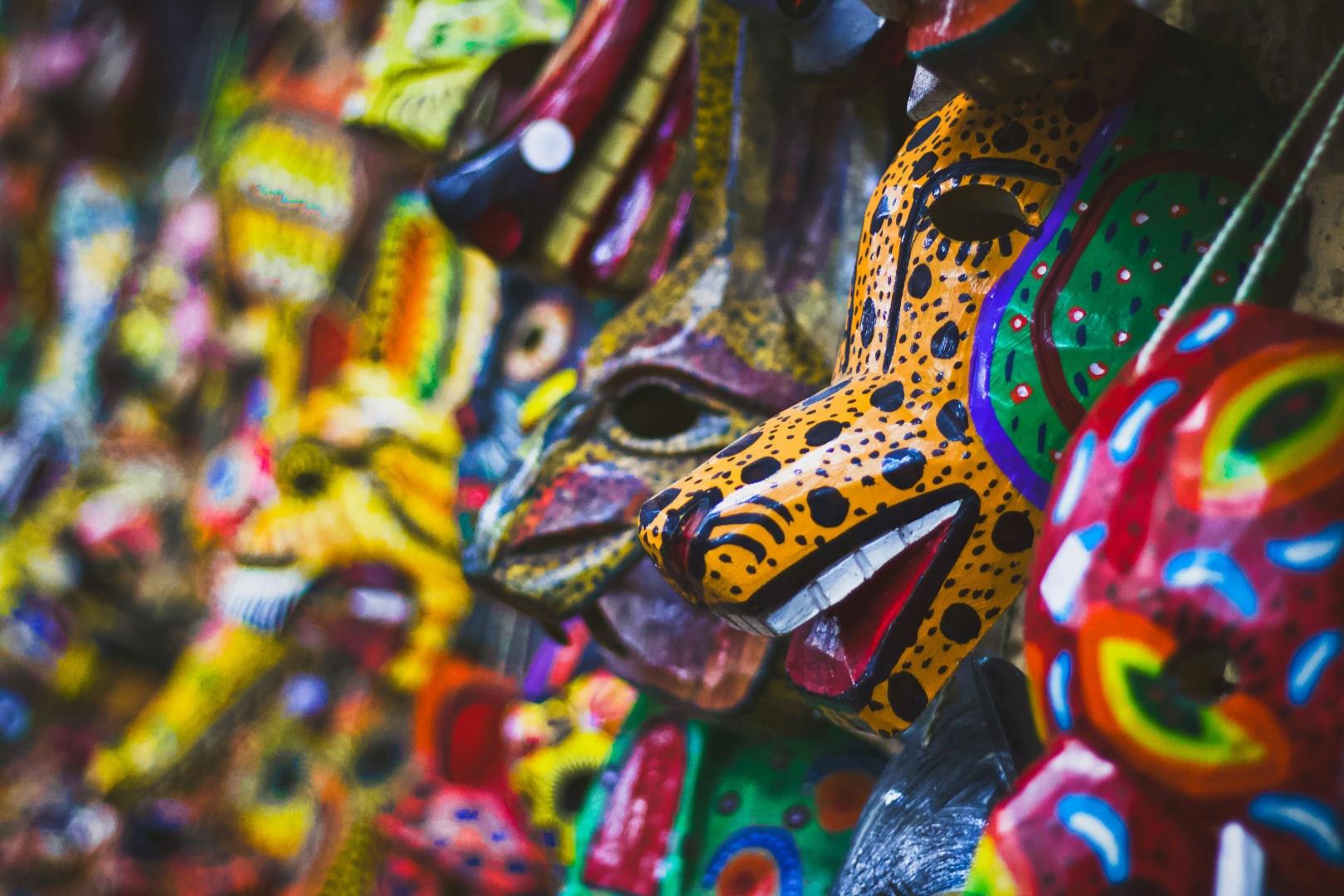
Antigua
Antigua is a city shaped by centuries of artistry, tradition, and natural forces. Set in a highland valley and surrounded by volcanoes, its streets are lined with colorful buildings, hidden courtyards, and open-air plazas. The Santa Catalina Arch is one of Antigua’s most recognizable features, originally built as a passage between two sections of a convent. Today, it frames a dramatic view of Volcán de Agua and is a popular gathering spot for both locals and visitors.

Dawson City
Located in the western part of the Yukon Territory Province of Canada, this area is on the Yukon River and famous as the gold mining area of the great Gold Rush. It is still an active mining area and also a popular tourist attraction as it has retained much of the look from the gold rush era.
