

Seward
Seward is a coastal city at the head of Resurrection Bay on Alaska’s Kenai Peninsula. Mountains rise around the community, while its harbor opens toward the Gulf of Alaska. The city is an important gateway to Kenai Fjords National Park and a center for commercial fishing, marine transportation, and outdoor recreation. Seward also marks the southern terminus of the historic Iditarod Trail.
João Pessoa
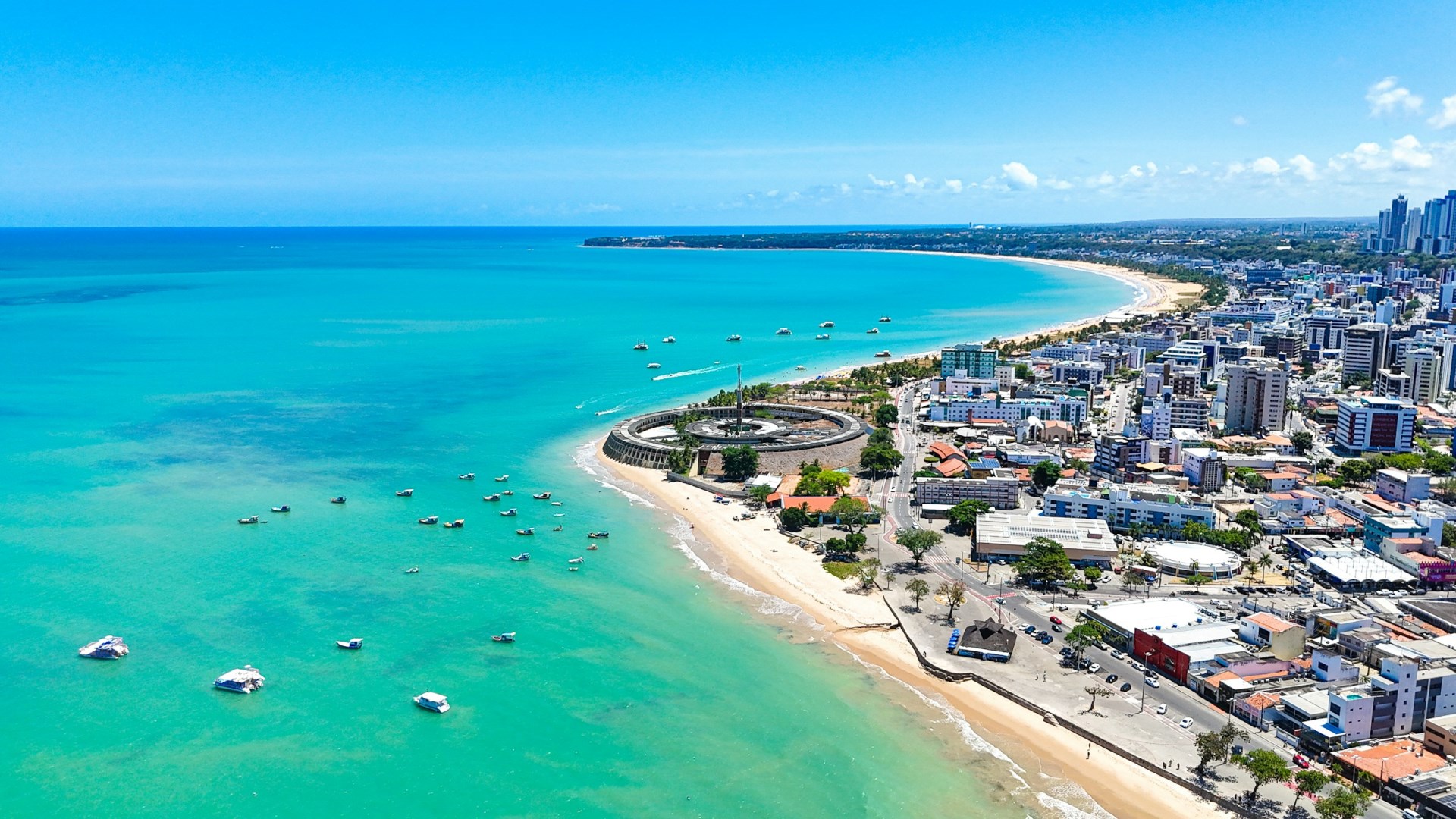
João Pessoa is the capital of Paraíba on Brazil’s northeastern coast, with an urban landscape that extends from the historic center to a long Atlantic waterfront. Its beaches include Tambaú, Manaíra, Cabo Branco, and Bessa, while the Sanhauá River borders the older part of the city. João Pessoa is also known for its abundant public greenery, including parks, tree-lined areas, and the Jardim Botânico Benjamim Maranhão.
Culloden
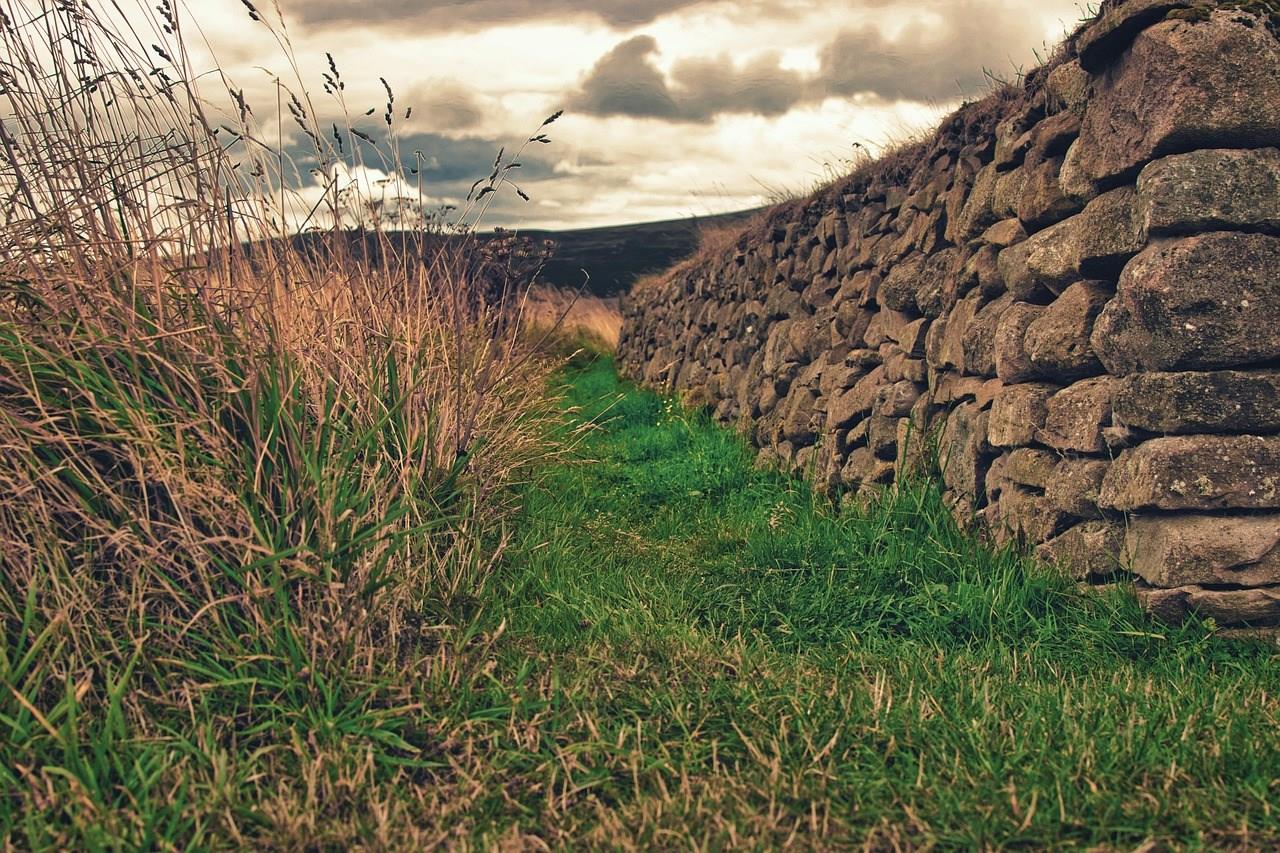
Culloden, located just outside Inverness in the Scottish Highlands, is the site of one of the most significant and sobering moments in Scotland’s history. On April 16, 1746, the Battle of Culloden marked the violent end of the Jacobite uprising led by Charles Edward Stuart, better known as Bonnie Prince Charlie. In under an hour, the hopes of restoring the Stuart monarchy were crushed by government forces.
Te Anau
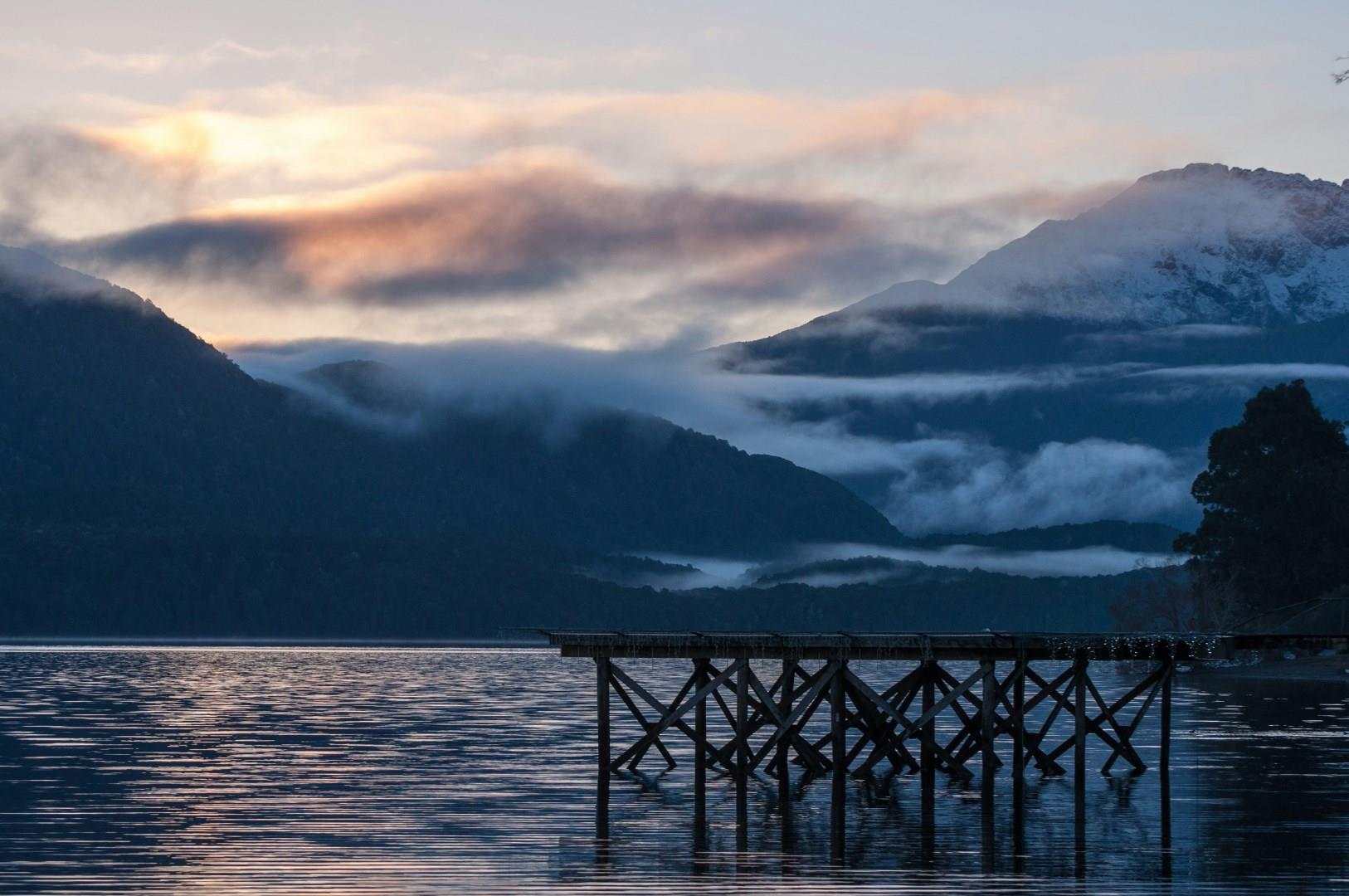
Te Anau sits on the edge of New Zealand’s second-largest lake, acting as the unofficial gateway to Fiordland National Park. While it’s often viewed as a starting point for trips to Milford Sound, the town itself offers a slower, more scenic way to experience the South Island’s dramatic landscapes. Te Anau’s lakefront is a mix of walking paths, local birdlife, and wide-open views across snow-dusted peaks.
Saint Philippe
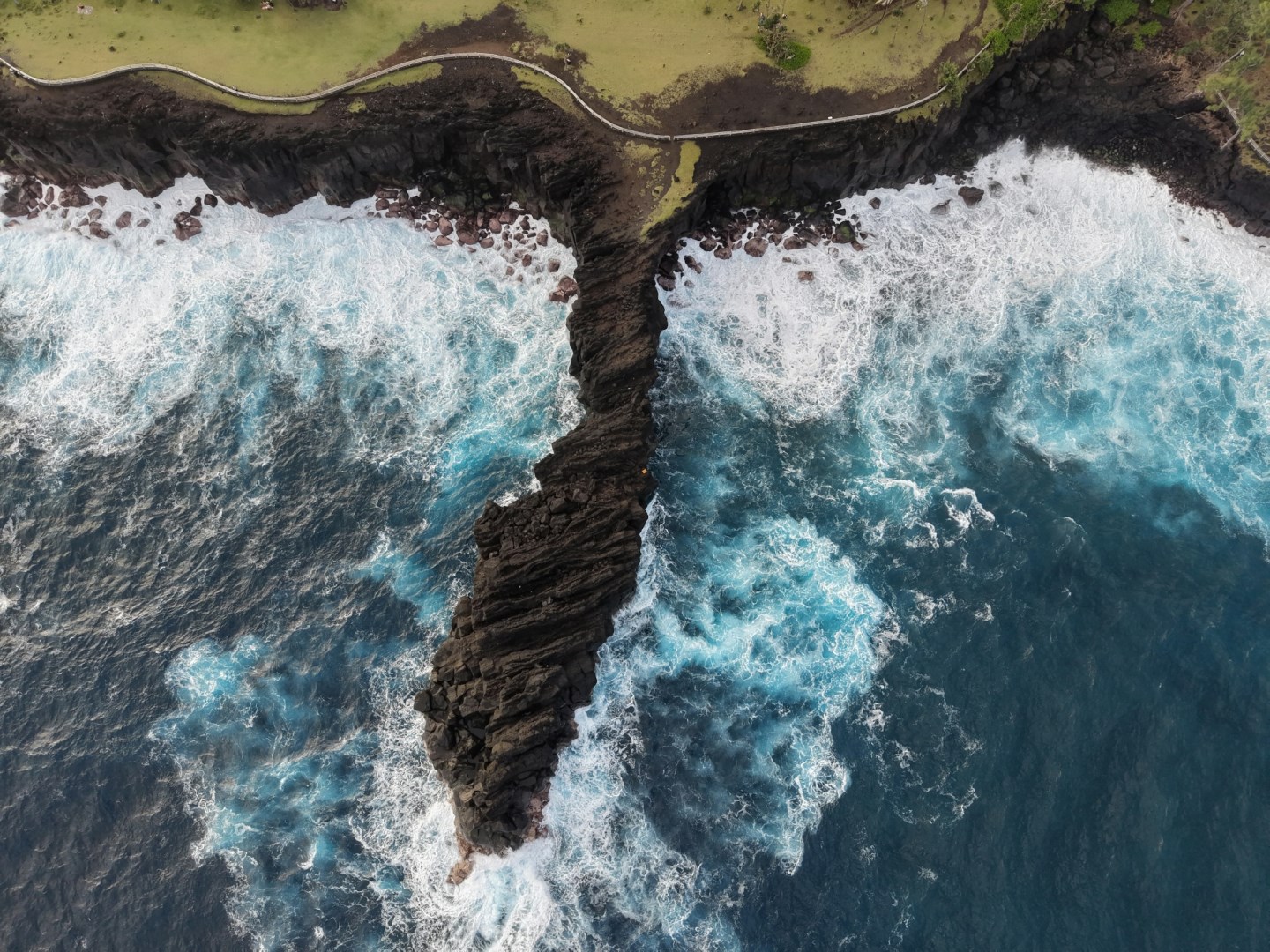
Saint-Philippe is a commune on the southeastern coast of Réunion, a French island in the southwestern Indian Ocean. Situated between Saint-Joseph and Sainte-Rose, it lies along the lower slopes of Piton de la Fournaise, one of the world’s most active volcanoes.
