

Cape Horn
Located off the southern coast of Chile, Cape Horn is a coastal headland on Isla Hornos, the southernmost island in the Tierra del Fuego archipelago. The Cape Horn Monument provides a spectacular panoramic view of the Pacific and Atlantic Oceans. This rocky cliffside is a popular stop for Antarctic and South American cruises.

Simon's Town
Simon’s Town is a coastal town on the eastern side of the Cape Peninsula, overlooking False Bay and located about 35 kilometres from central Cape Town. The town is closely associated with the sea, with a working harbour, naval facilities, historic buildings, beaches, and a long maritime tradition. Its sheltered position on False Bay helped establish it as an important harbour, while its setting between the mountains and ocean gives it a distinctive landscape.

Winnipeg
Winnipeg sits at the meeting point of the Red and Assiniboine rivers, a location that has shaped its role as a gathering place for thousands of years. Long before it became a modern city, the area was central to Indigenous trade networks, a legacy that remains visible today through institutions like The Forks and the Canadian Museum for Human Rights.
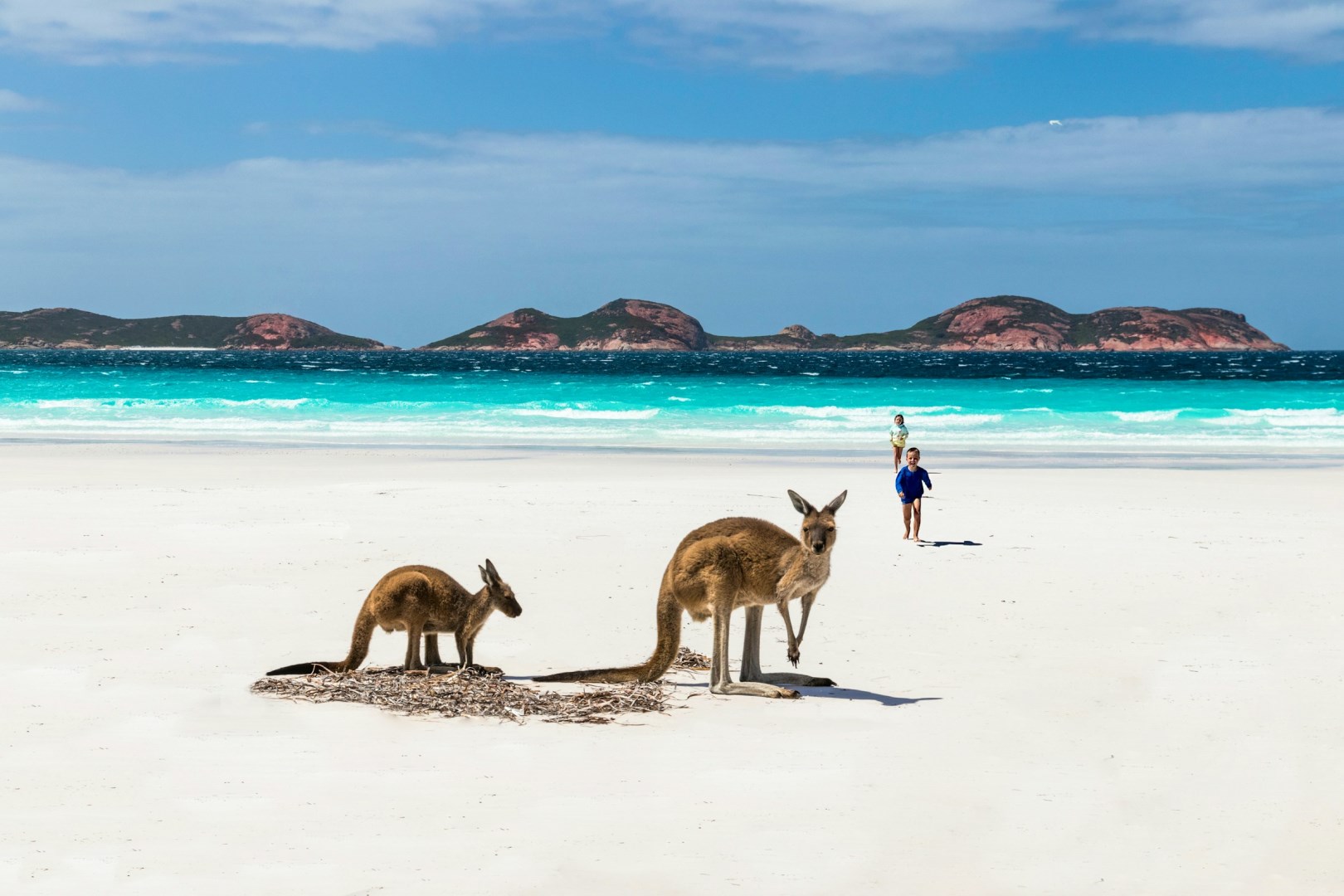
Cape Le Grand National Park
Cape Le Grand National Park lies on the south coast of Western Australia, east of Esperance, where granite peaks, coastal heath, freshwater pools, and white sandy beaches meet the Recherche Archipelago. The park is best known for Lucky Bay, where exceptionally white sand curves around clear turquoise water and kangaroos are often seen resting near the shoreline. Its remote coastal setting also supports a range of outdoor activities, including swimming, fishing, camping, kayaking, and bushwalking
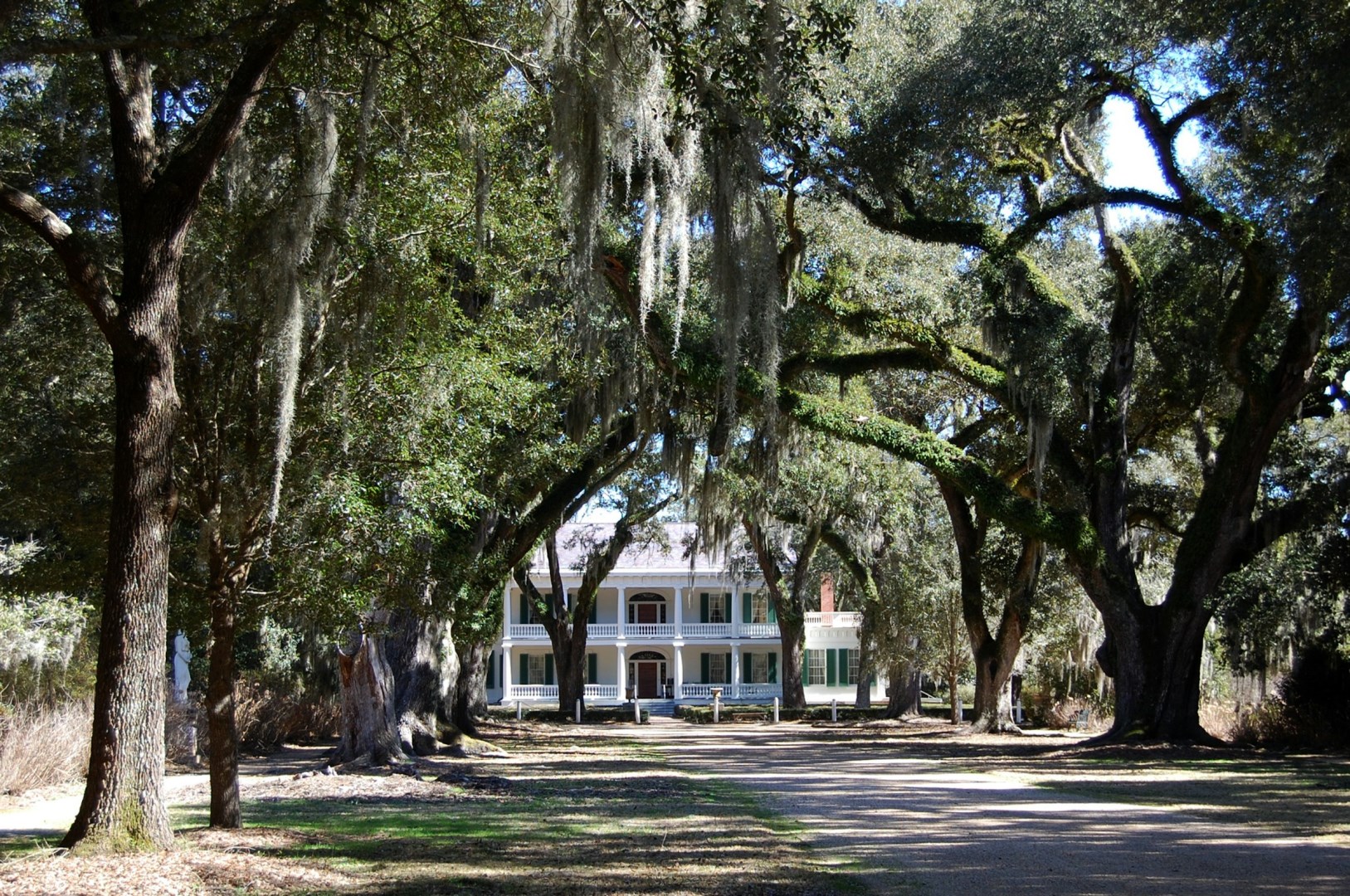
St. Francisville
St. Francisville, located along the Mississippi River in Louisiana, is a small town celebrated for its rich history, antebellum architecture, and scenic surroundings. Known as the “City of Oaks” for its tree-lined streets, the town offers a glimpse into Louisiana’s past through its well-preserved plantation homes, historic districts, and charming downtown area.
