

Wales
Wales is a country where centuries-old castles rise above green valleys and coastlines are marked by rugged cliffs and quiet coves. Its capital, Cardiff, combines modern architecture with historical landmarks like Cardiff Castle, which has Roman origins and a Victorian Gothic interior. Just outside the city, St Fagans National Museum of History offers a walk-through experience of Welsh life over the past 500 years, with original buildings relocated from across the country.
St. Andrews
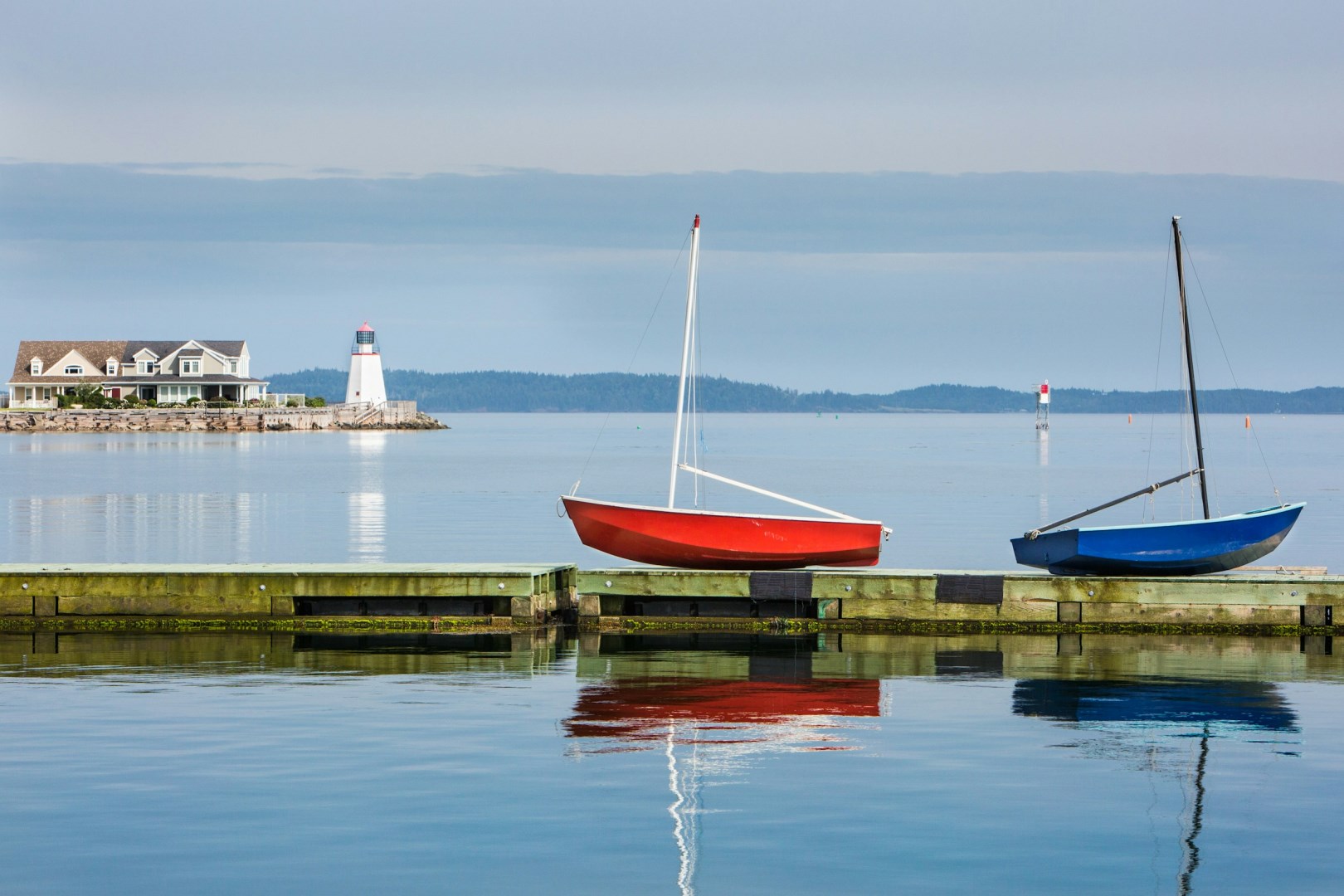
Surrounded by Passamaquoddy Bay, St. Andrews' relaxed pace can be linked to the rhythm of powerful tides that can rise over 28 feet. The intertidal zone is an ever-changing landscape that nourishes a rich diversity of marine creatures. A guided walk over the tidal flats will prepare you to explore the area's many coves and islands.

La Gomera
La Gomera, one of the Canary Islands, offers a unique and captivating escape with its lush landscapes and rich cultural heritage. Known for its dramatic terrain, the island is a haven for nature enthusiasts and hikers. The Garajonay National Park, a UNESCO World Heritage site, is the crown jewel of La Gomera, featuring dense laurel forests that date back to the Tertiary period.

Ruhengeri
Ruhengeri, officially known as Musanze, lies in northern Rwanda at the foothills of the Virunga Mountains. The town has long served as a gateway between Rwanda and neighboring Uganda and the Democratic Republic of the Congo, giving it both strategic and cultural importance.
Salamanca
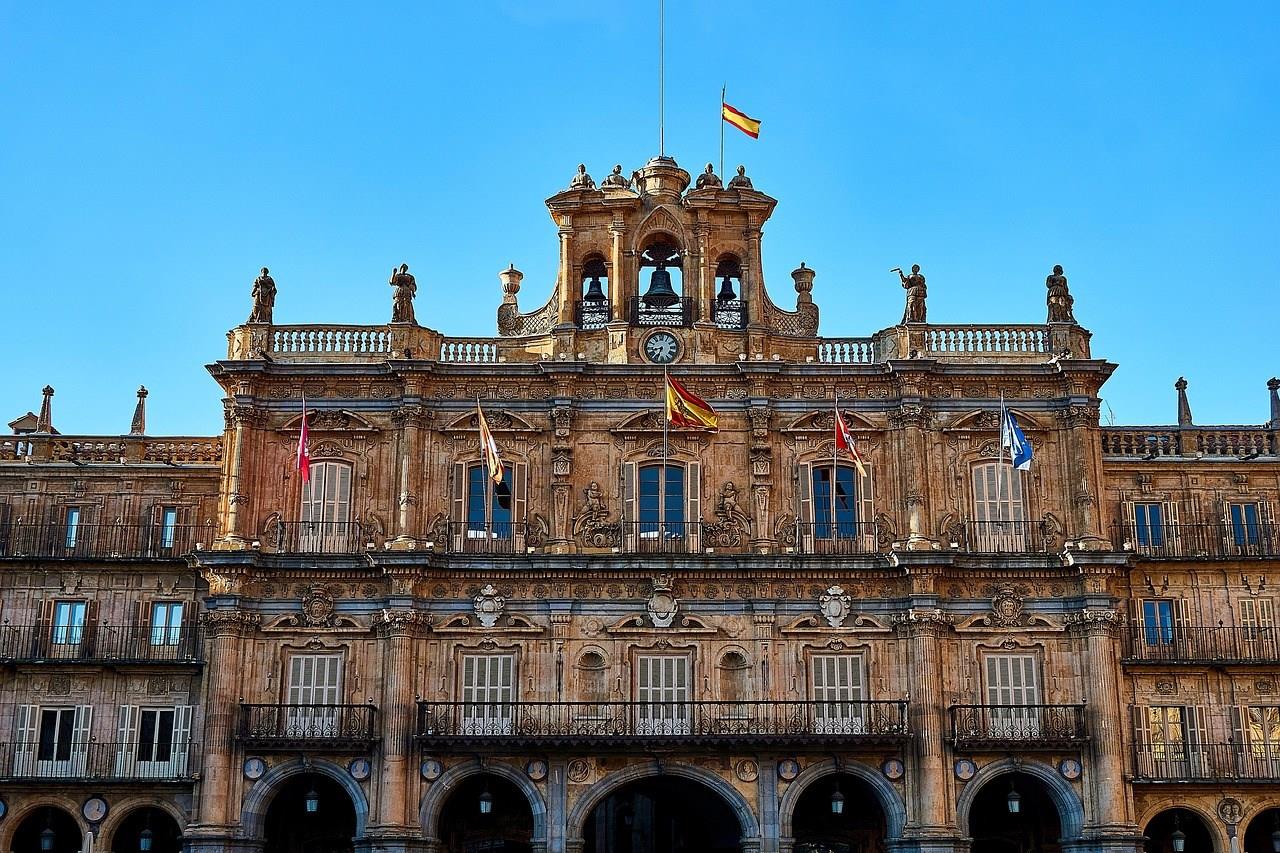
Salamanca, often called the “Golden City” for the warm glow of its sandstone buildings, is a place where centuries of stories are etched into every wall. Visit its historic center to wander through cobbled streets lined with architectural marvels. The University of Salamanca, founded in 1218, is one of the oldest in Europe and still buzzes with student life.
