
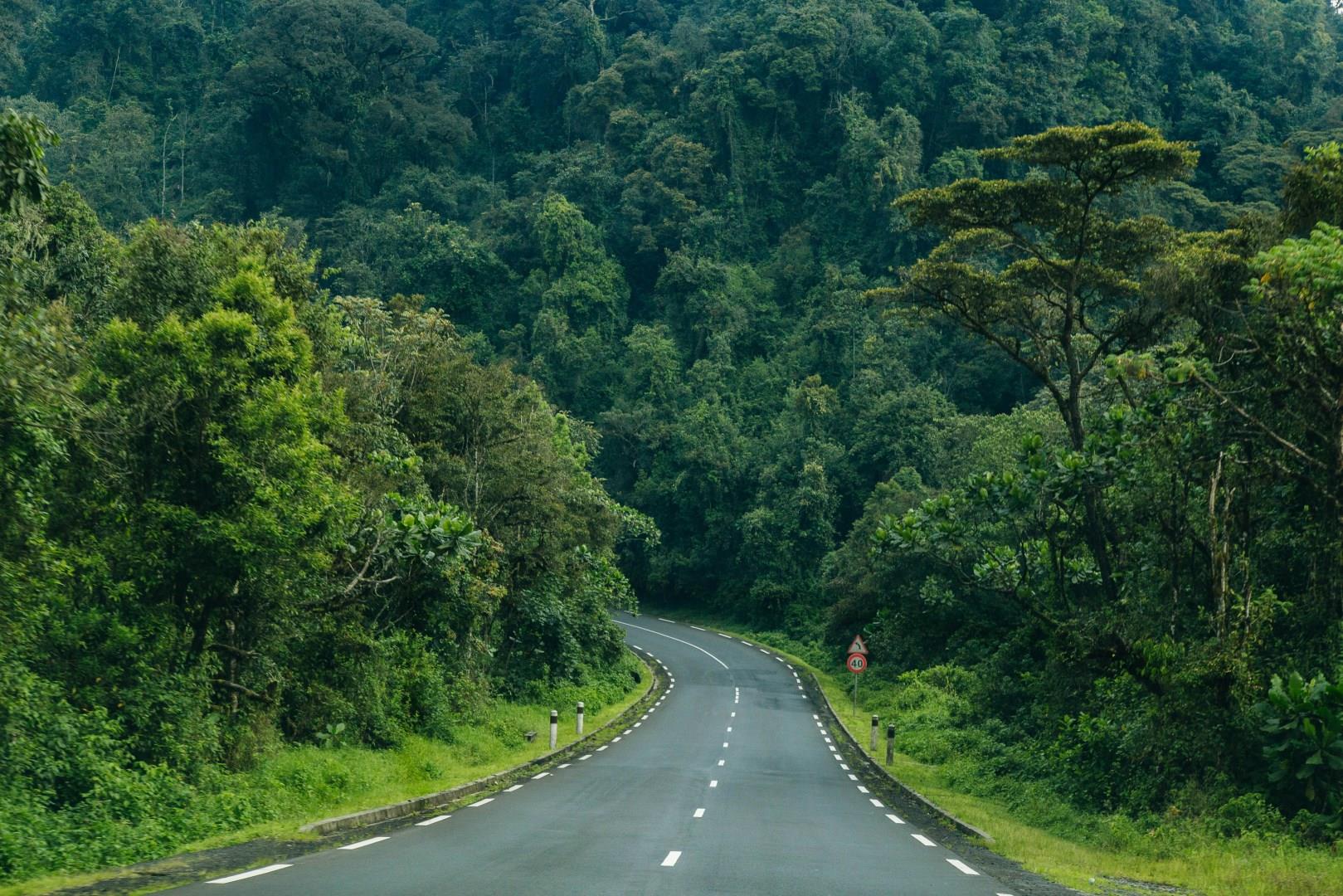
Nyungwe Forest National Park
Nyungwe Forest National Park, in southwestern Rwanda, is one of Africa’s oldest rainforests and a sanctuary of biodiversity. Spanning more than 1,000 square kilometers, the park shelters a wealth of wildlife, including over 300 bird species, 1,000 plant species, and an impressive 13 primate species.
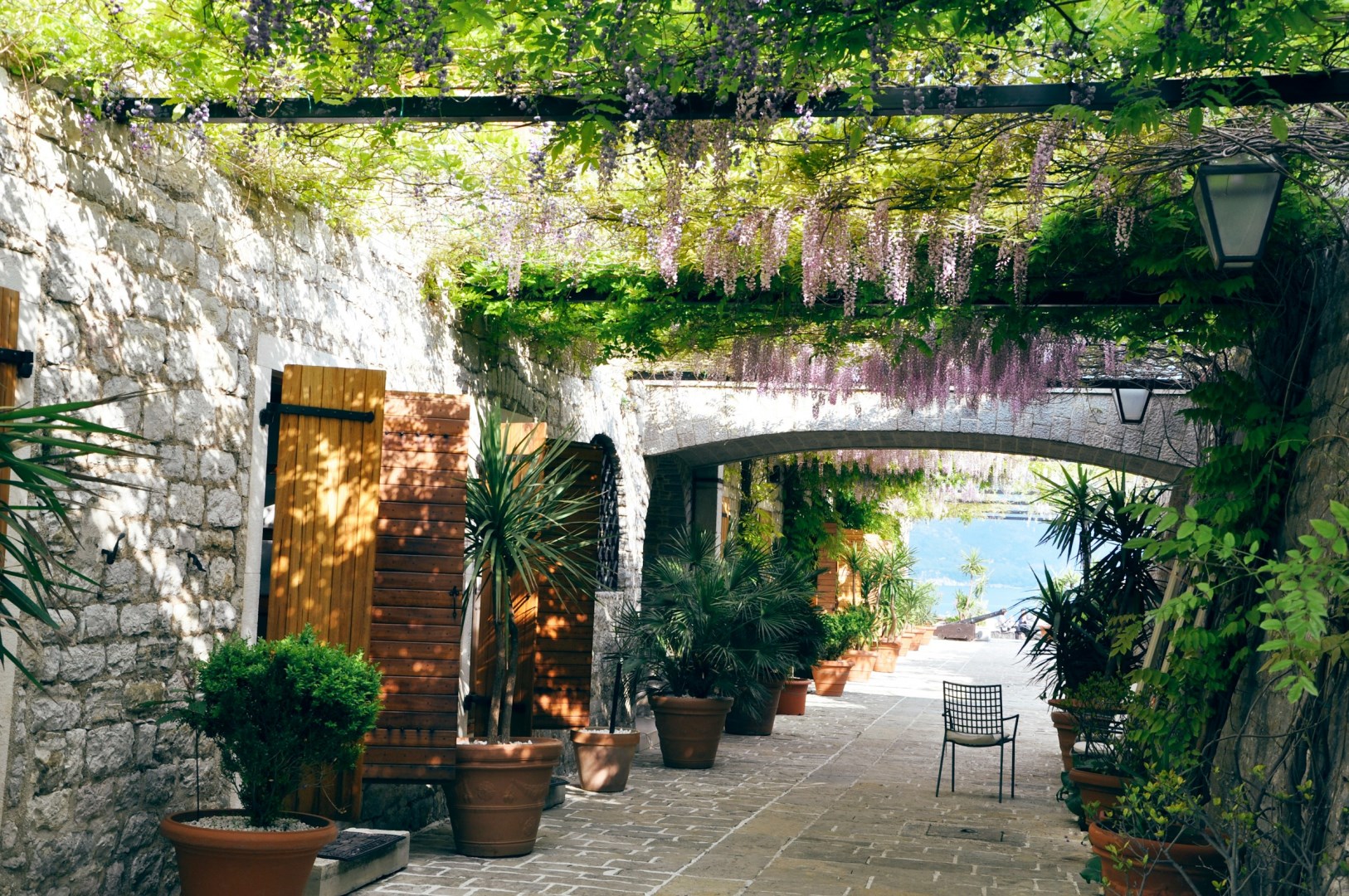
Budva
Budva is a coastal town in southwestern Montenegro, set beside the Adriatic Sea and surrounded by limestone hills. Its Old Town occupies a small fortified peninsula, with narrow stone streets, historic buildings, churches, and squares enclosed by defensive walls. Outside the walls, Budva extends along a busy waterfront with beaches, hotels, restaurants, and a marina.
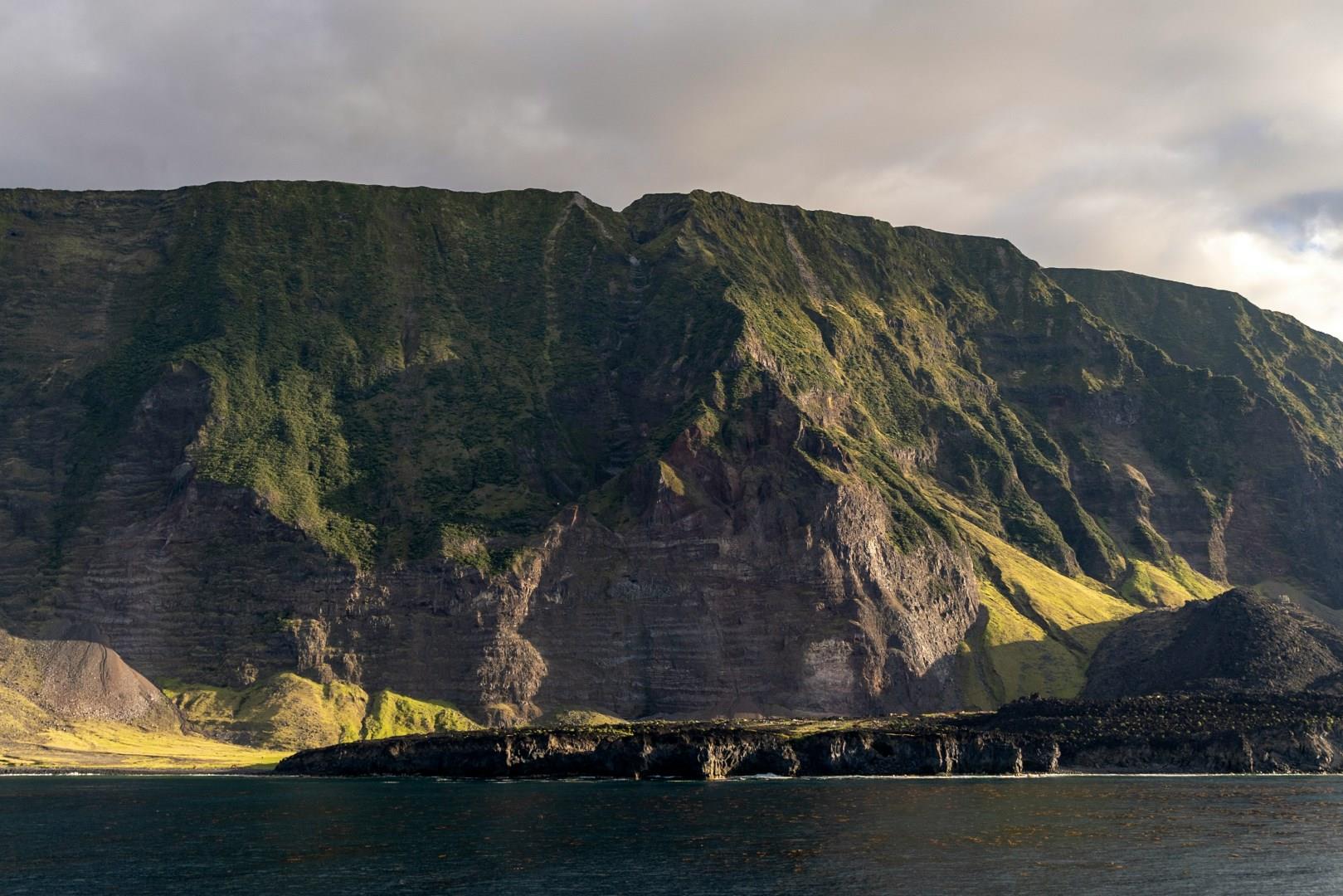
St. Helena
St. Helena is a remote island in the South Atlantic Ocean, known for its dramatic cliffs, volcanic landscapes, and rich history. It is most famous as the place where Napoleon Bonaparte spent his final years in exile, and visitors can explore Longwood House and other historic sites that tell the story of this period.
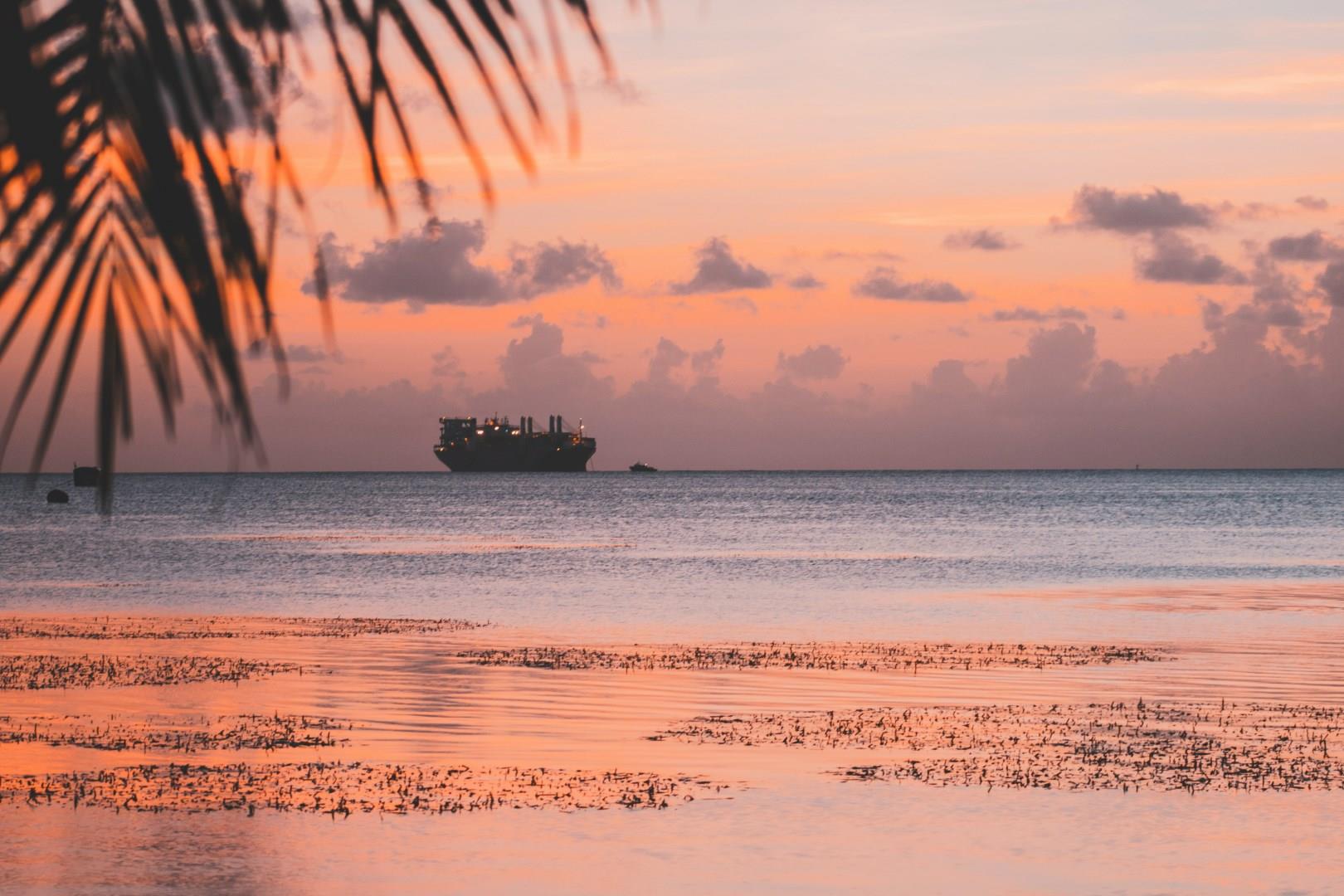
Saipan Island
Saipan, the largest of the Northern Mariana Islands, offers a rare combination of deep historical roots, island traditions, and dramatic landscapes. Located in the western Pacific, this U.S. territory was once the site of one of the most pivotal battles in the Pacific during World War II. Visitors today can explore the remains of bunkers, tanks, and hidden caves at sites like Suicide Cliff, Last Command Post, and the American Memorial Park.
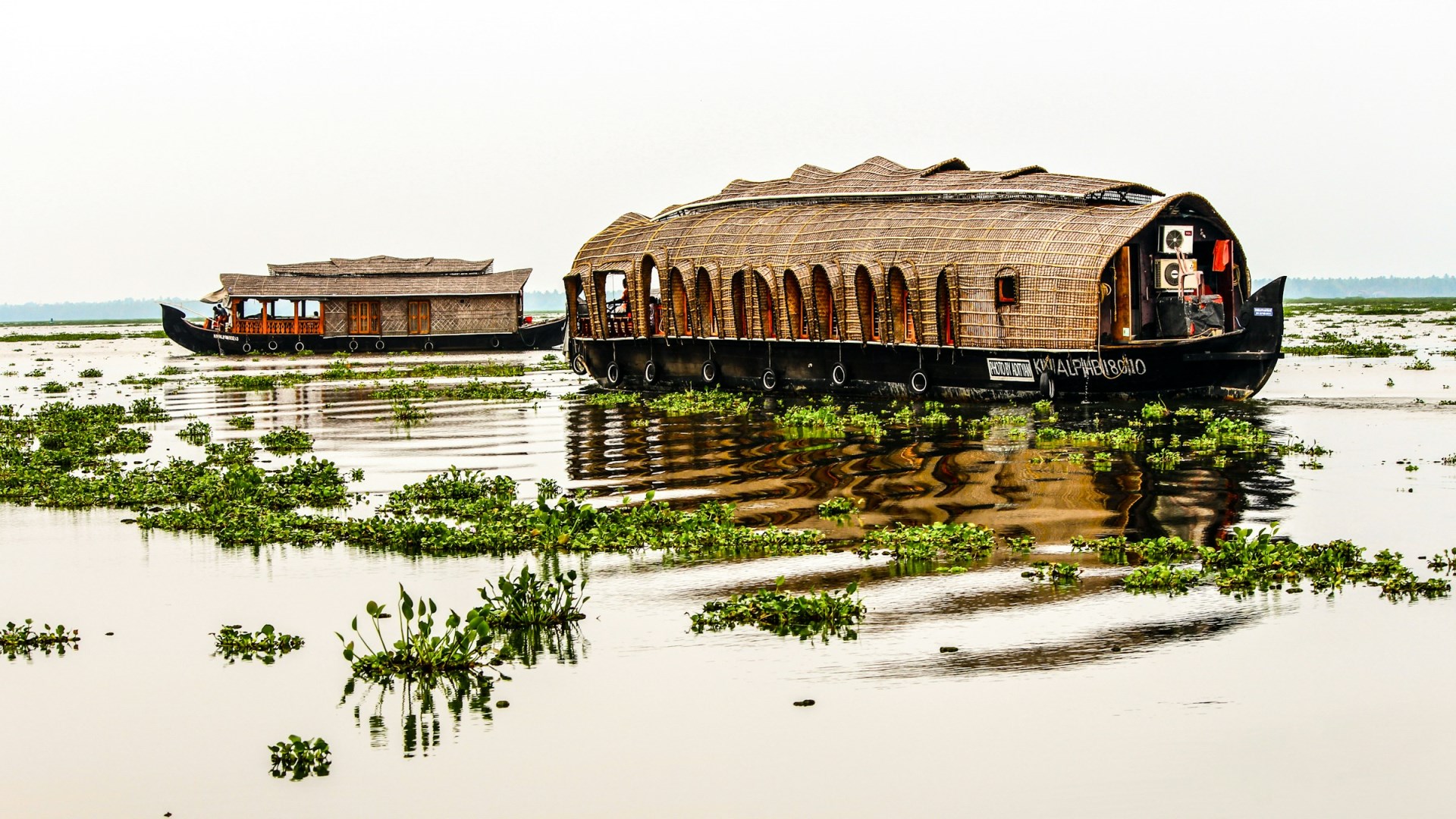
Alleppey
Alleppey, officially known as Alappuzha, is a coastal city in Kerala renowned for its interconnected backwaters, canals, lagoons, and low-lying paddy fields. The city sits between the Arabian Sea and the extensive waterways of Kerala, with coconut palms and villages lining many of the canals. Traditional houseboats, known as kettuvallams, are a defining feature of the area and cruise through waterways linked to Vembanad Lake. Alleppey also has a long connection with maritime trade, coir producti
