

Dominica
Dominica, known as the “Nature Island of the Caribbean,” is a haven for eco-tourists and adventure seekers. Nestled between the French islands of Guadeloupe and Martinique, this lush island boasts a remarkable landscape of volcanic mountains, dense rainforests, and stunning waterfalls. Dominica’s most iconic natural wonder is the Boiling Lake, the second-largest hot spring in the world.
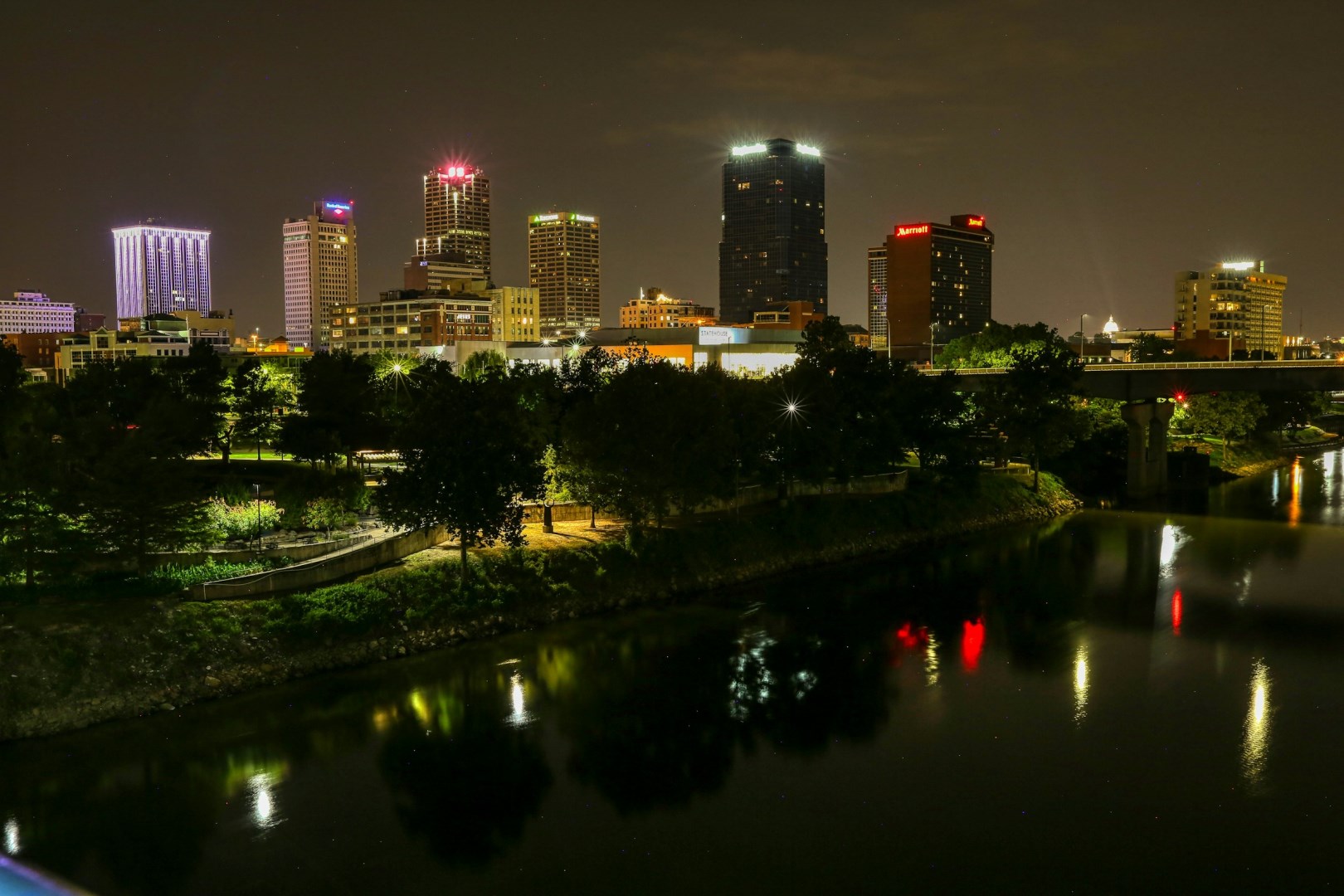
Little Rock
Little Rock, capital and largest city of Arkansas, a port of entry on the Arkansas River opposite North Little Rock, in the central part of the state. Among the attractions in Little Rock are the State Capitol (1911); the Governor's Mansion; Quapaw Quarter, a district of restored buildings that includes the Old State House; the Arkansas Territorial Restoration, a group of restored homes dating from the early 19th century; and MacArthur Park, containing the Arkansas Arts Center, and much more!
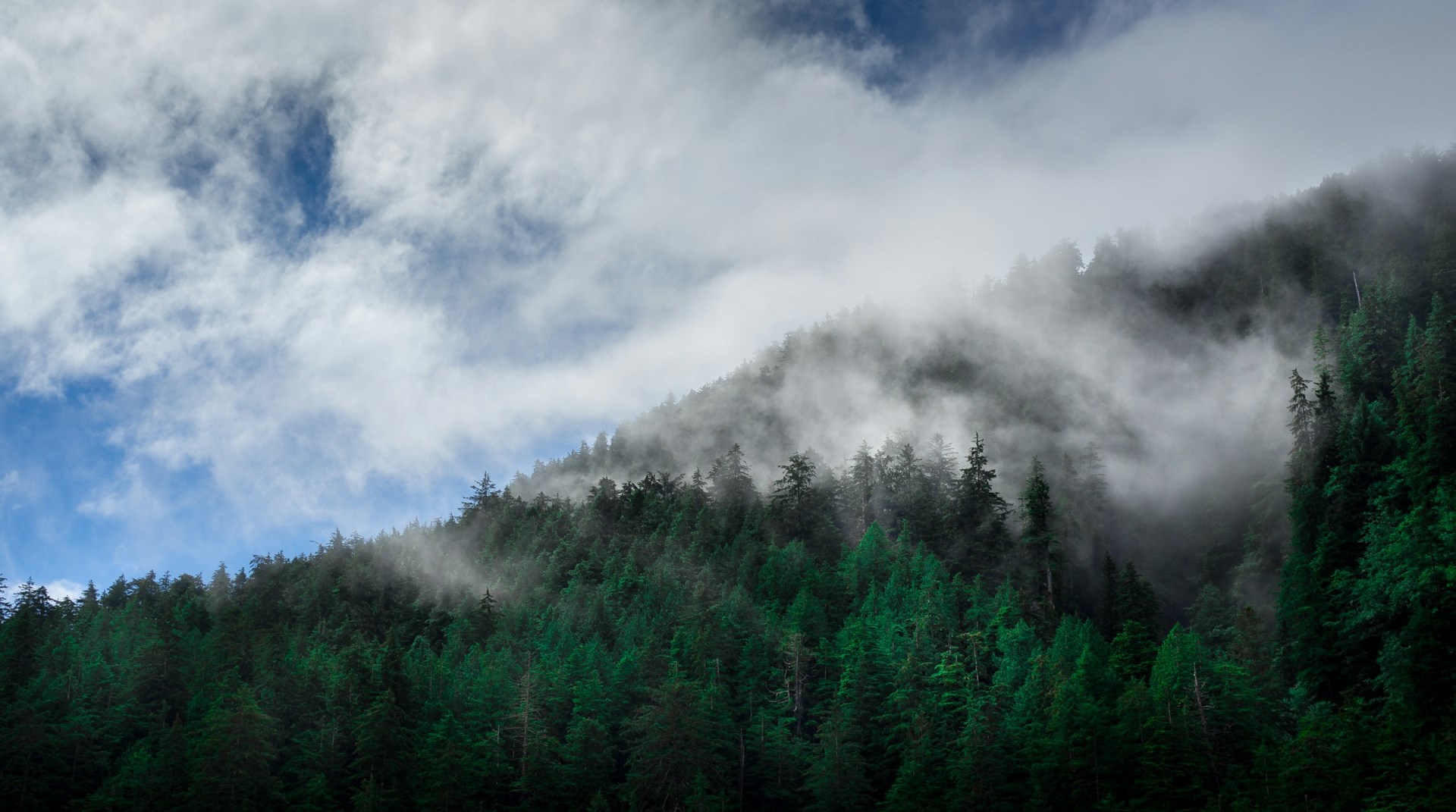
Haida Gwaii
Formerly know as Queen Charlotte Island, this beautiful island is located north of Vancouver Islands along the west coast of British Columbia, Canada. Fishing area with heavy native American culture.
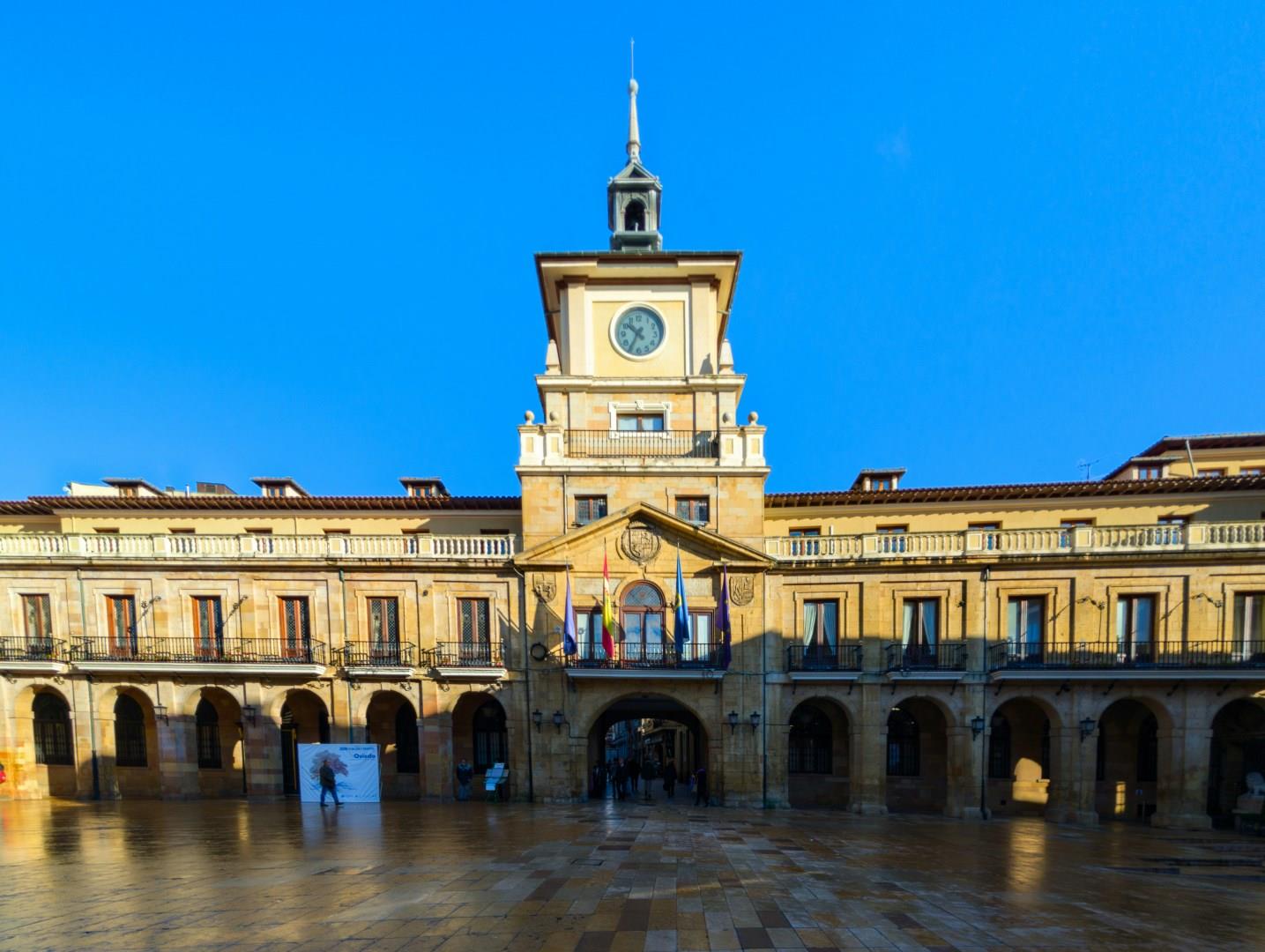
Oviedo
Oviedo, the capital of Asturias in northern Spain, offers a rare mix of medieval heritage and everyday life that feels rooted rather than staged. The city’s historic center is home to some of the oldest pre-Romanesque buildings in Europe, including the UNESCO-listed Santa María del Naranco and San Miguel de Lillo. Cider, not wine, defines the local table. Oviedo is surrounded by apple orchards, and the traditional drink, sidra natural, is poured from a height by skilled escanciadores.

Málaga
Not only is Malaga the birthplace of famous Spanish artist Pablo Picasso but it offers beaches, hiking, architectural sites, art museums, excellent shopping and cuisine. Not only is Malaga the birthplace of famous Spanish artist Pablo Picasso but it offers beaches, hiking, architectural sites, art museums, excellent shopping and cuisine. The climate is a pleasant warm Mediterranean climate with dry and warm, long summers with short, mild winters.
