

Whitsunday Island
The Whitsunday Islands sit in the heart of Australia’s Great Barrier Reef, where more than 70 islands rise from wide blue seas and offer an invitation to explore. Whitsunday Island itself is the largest of this group, known internationally for its ribbon of white silica sand stretching over seven kilometers at Whitehaven Beach. This sand feels cool underfoot even in warm sunshine because it’s made of nearly pure silica carried there by ancient ocean currents.

Nelson
Nelson sits along the West Arm of Kootenay Lake in southeastern British Columbia, embraced by the rugged peaks of the Selkirk Mountains and threaded with over 350 heritage buildings that tell the story of its silver-rush beginnings. A short trip outside town leads to spots like the Salmo–Troup Rail Trail, a wide, gentle path that follows an old rail line for kilometers through forest and alongside rivers.

Huế
Its legacy as the former imperial capital of Vietnam is just one of many reasons to visit Hue. For more than a century, the emperors of the Nguyen dynasty (1802-1945) ruled from the Forbidden Purple City, the innermost enclosure of the citadel. Today, this complex is designated as a UNESCO World Heritage site and draws millions of visitors each year.
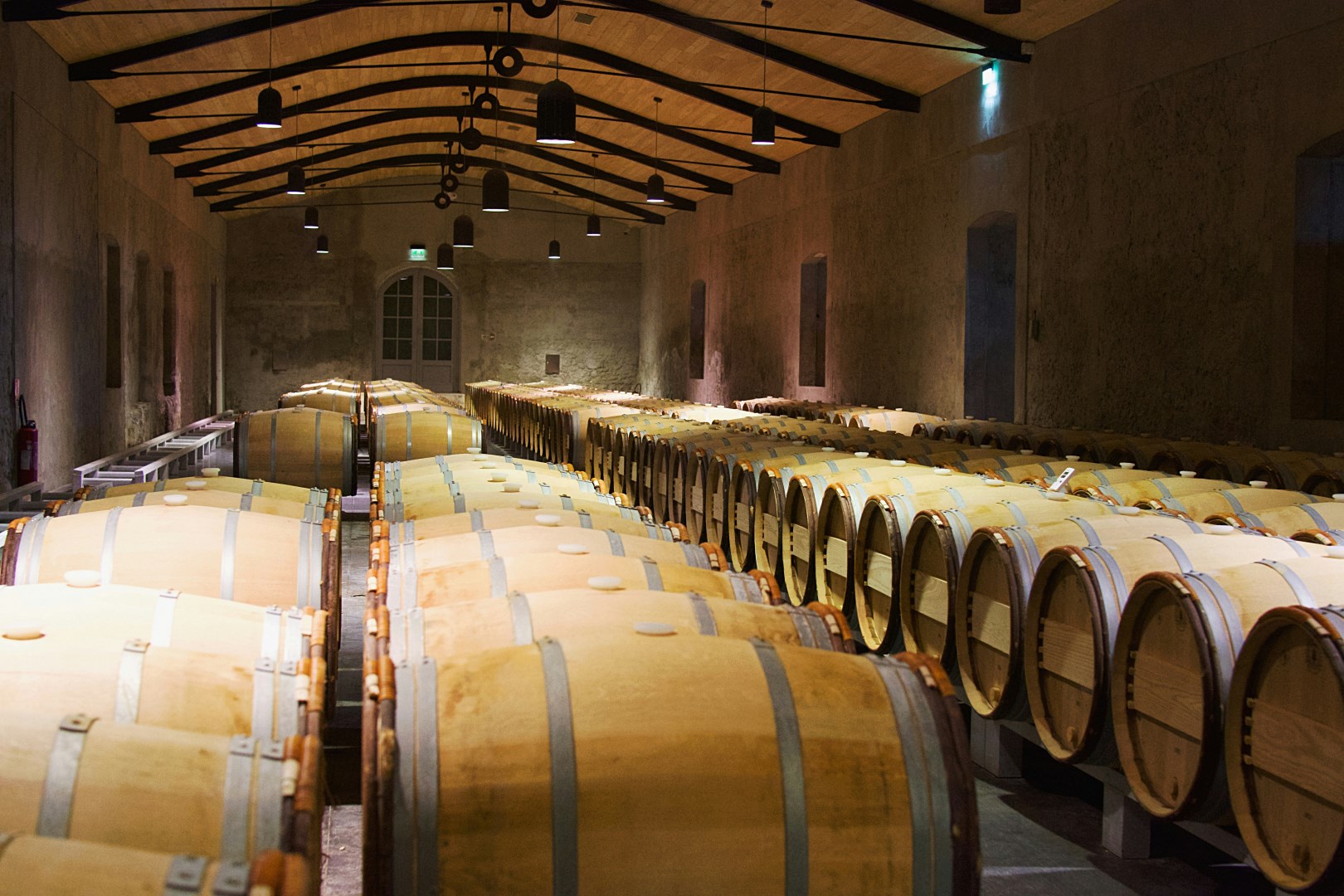
Medoc
Médoc is a peninsula in southwestern France, located between the Atlantic Ocean and the Gironde estuary, north of Bordeaux. It is widely recognized for its vineyards, which produce some of the country’s most established wines, particularly red varieties based on Cabernet Sauvignon and Merlot.
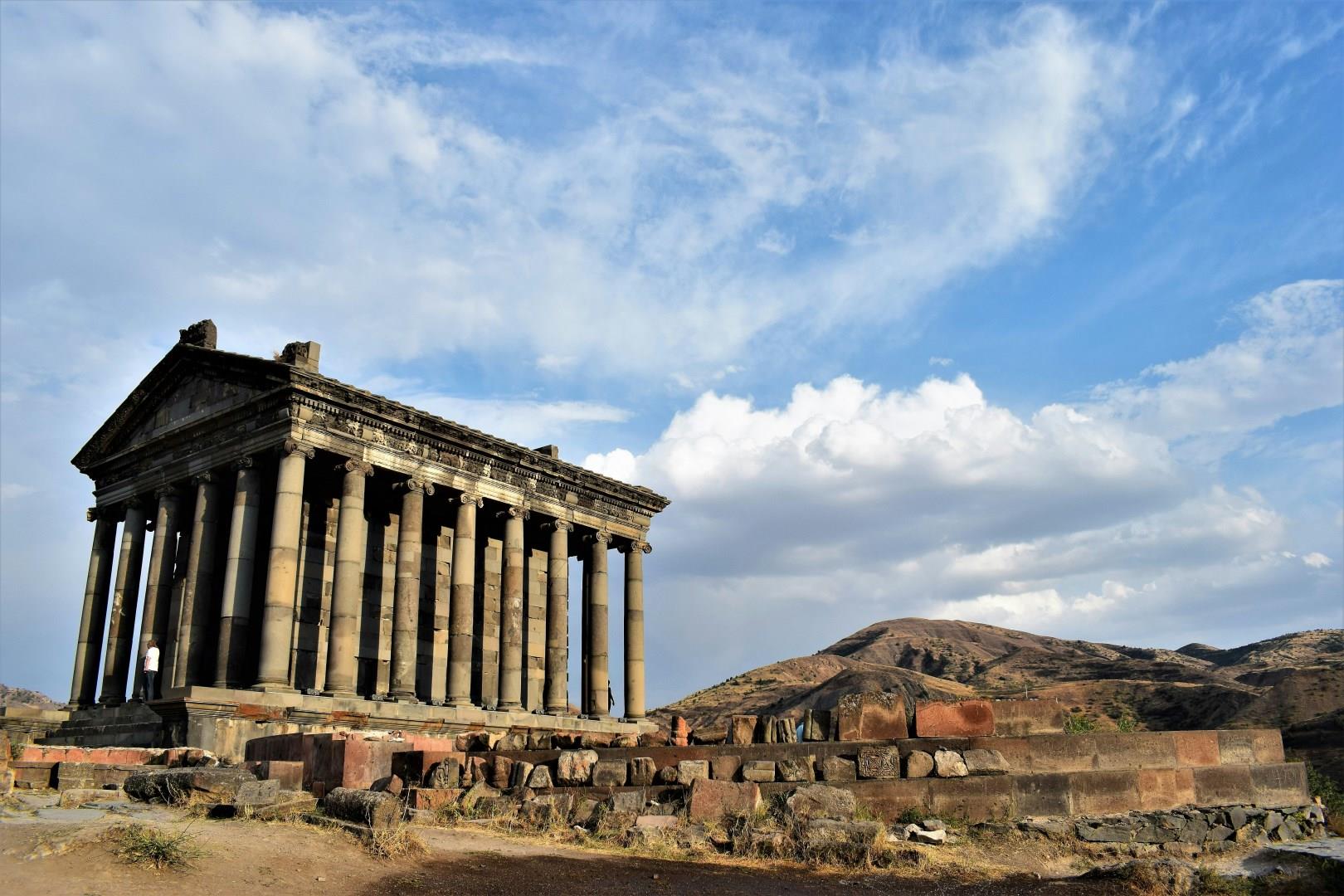
Armenia
Armenia, set at the crossroads of Europe and Asia, is a country rich in history and breathtaking landscapes. Known as one of the world’s oldest nations, it offers travelers a glimpse into ancient traditions that remain alive today. The dramatic scenery ranges from high mountains and deep gorges to serene lakes, creating endless opportunities for exploration.
