
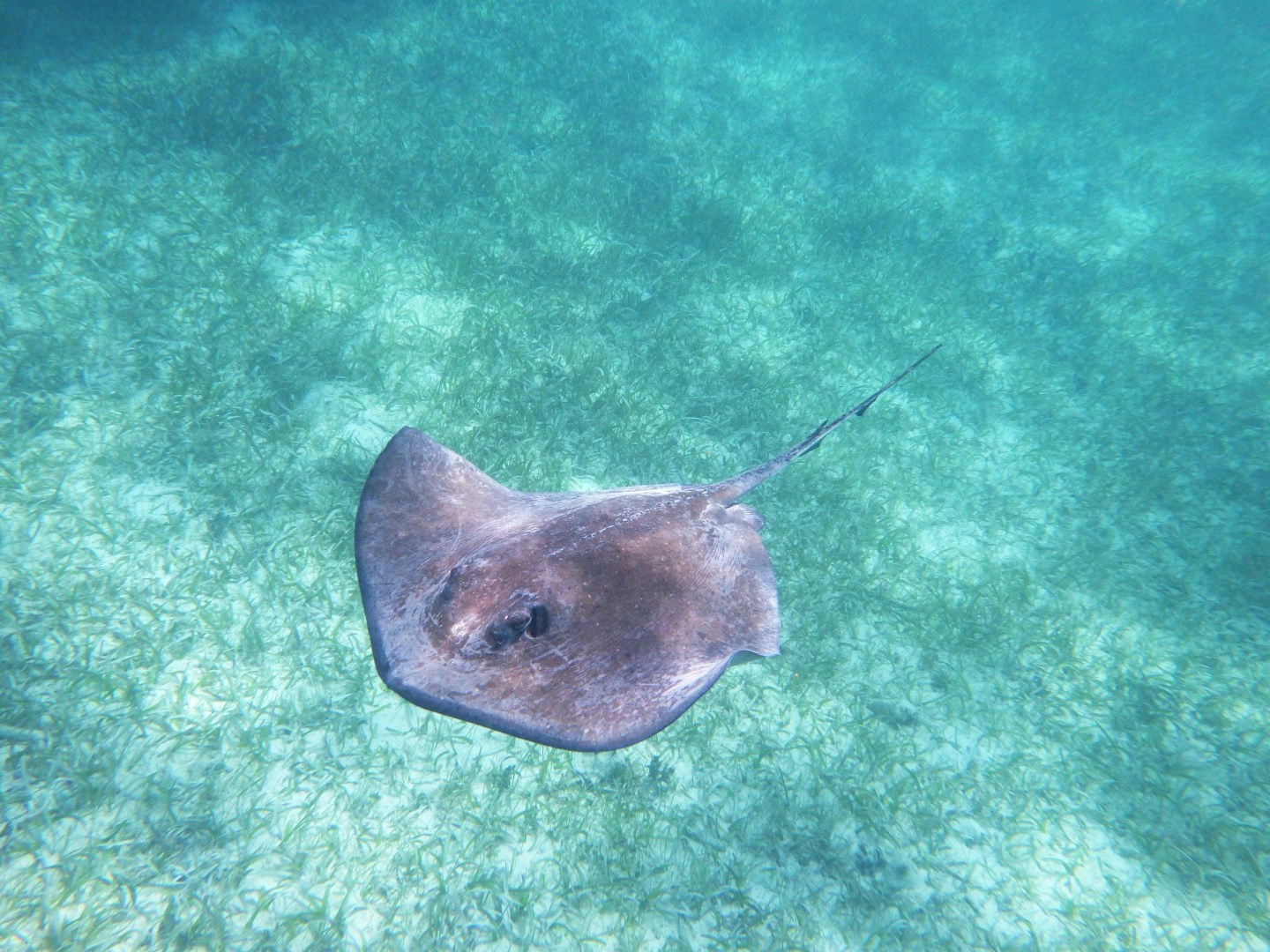
Hol Chan Marine Reserve
Hol Chan Marine Reserve lies off the southern coast of Ambergris Caye, near San Pedro in northern Belize. The protected area covers coral reefs, seagrass beds, mangroves, and channels that form part of the Belize Barrier Reef. Its name comes from the Maya words for “little channel,” referring to a natural break in the reef that allows water to move between the Caribbean Sea and the shallow lagoon.
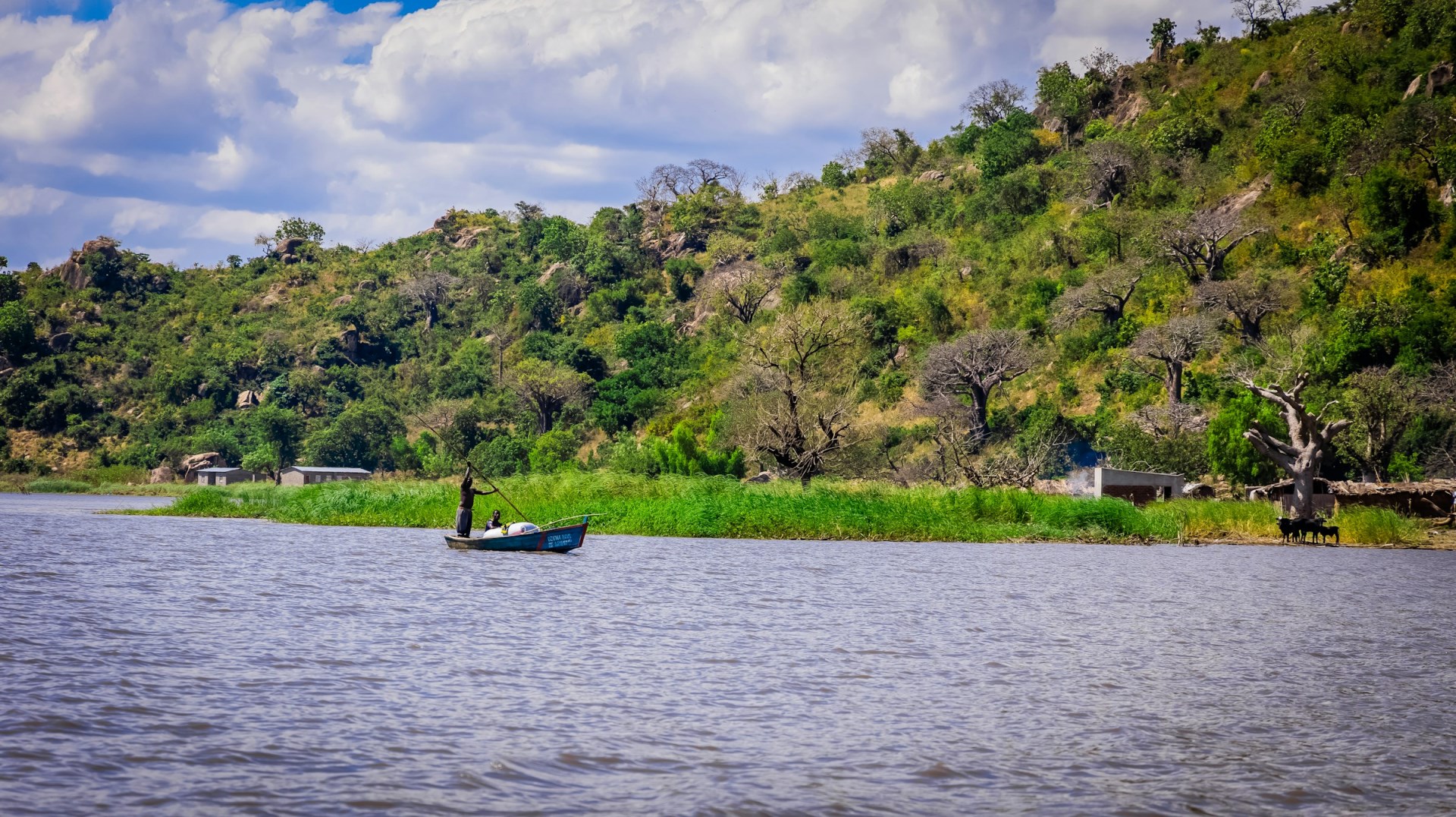
Njalo Island
Njalo Island is a small inhabited island in Lake Chilwa, in southern Malawi’s Phalombe District. Situated in the lake’s open waters, it is part of a wetland landscape shaped by changing water levels, shallow channels, marshes, and seasonal fishing activity. The island is home to a close-knit community whose daily life is closely connected to the lake. Fishing provides an important source of food and income, while boats are essential for transport between the island and mainland communities.
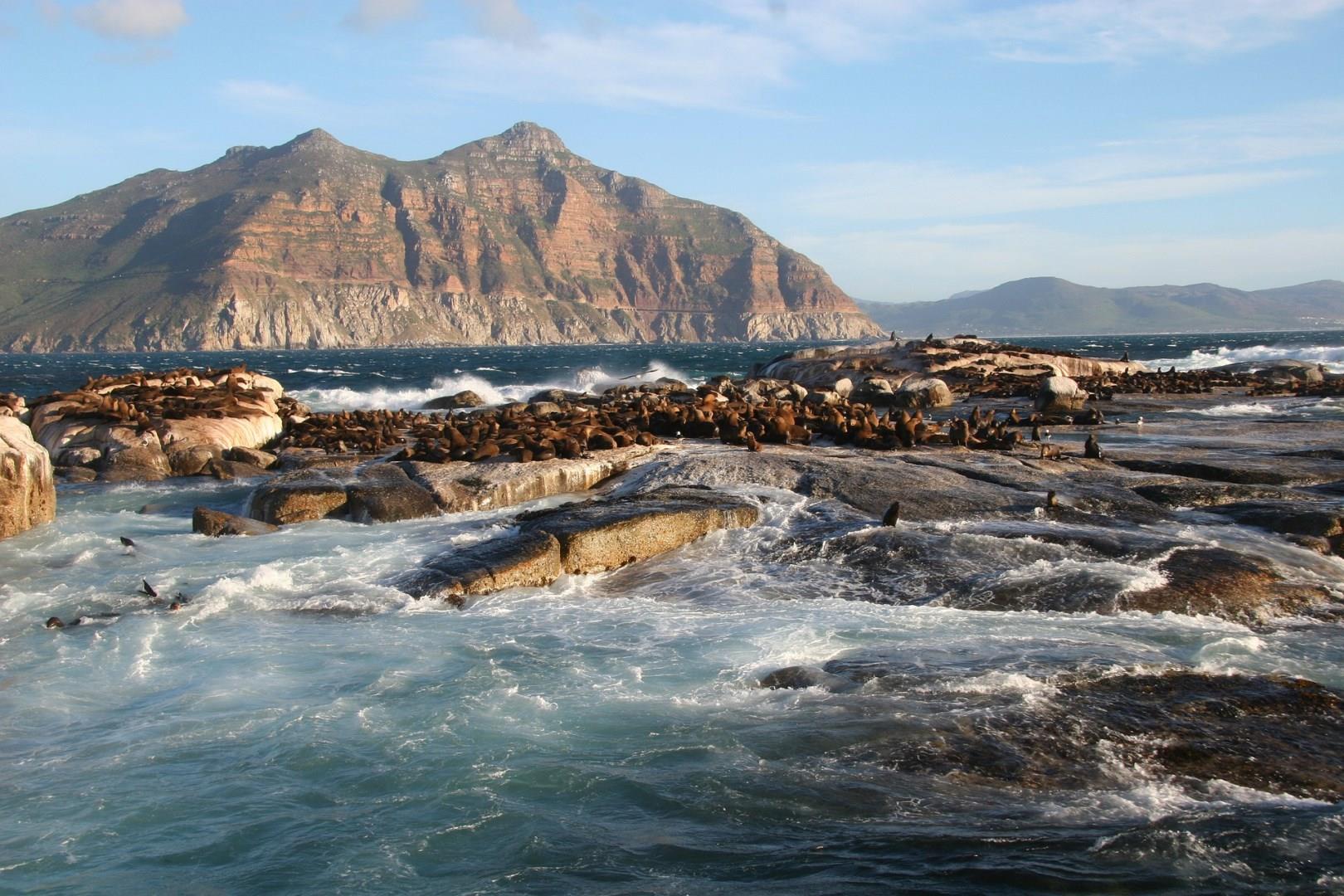
Duiker Island
Duiker Island, located off the coast of Hout Bay in Cape Town, South Africa, is a fascinating destination for nature lovers and adventure seekers alike. Known for its large population of Cape fur seals, the island provides a unique opportunity to observe these playful marine mammals in their natural habitat.

St. Croix
It's the largest of the three U.S. Virgin Islands, lying 40 miles south of St. Thomas and St. John. While its history is laced with tales of pirates and privateers, the island today maintains a slower, more quiet pace than its sisters to the north.
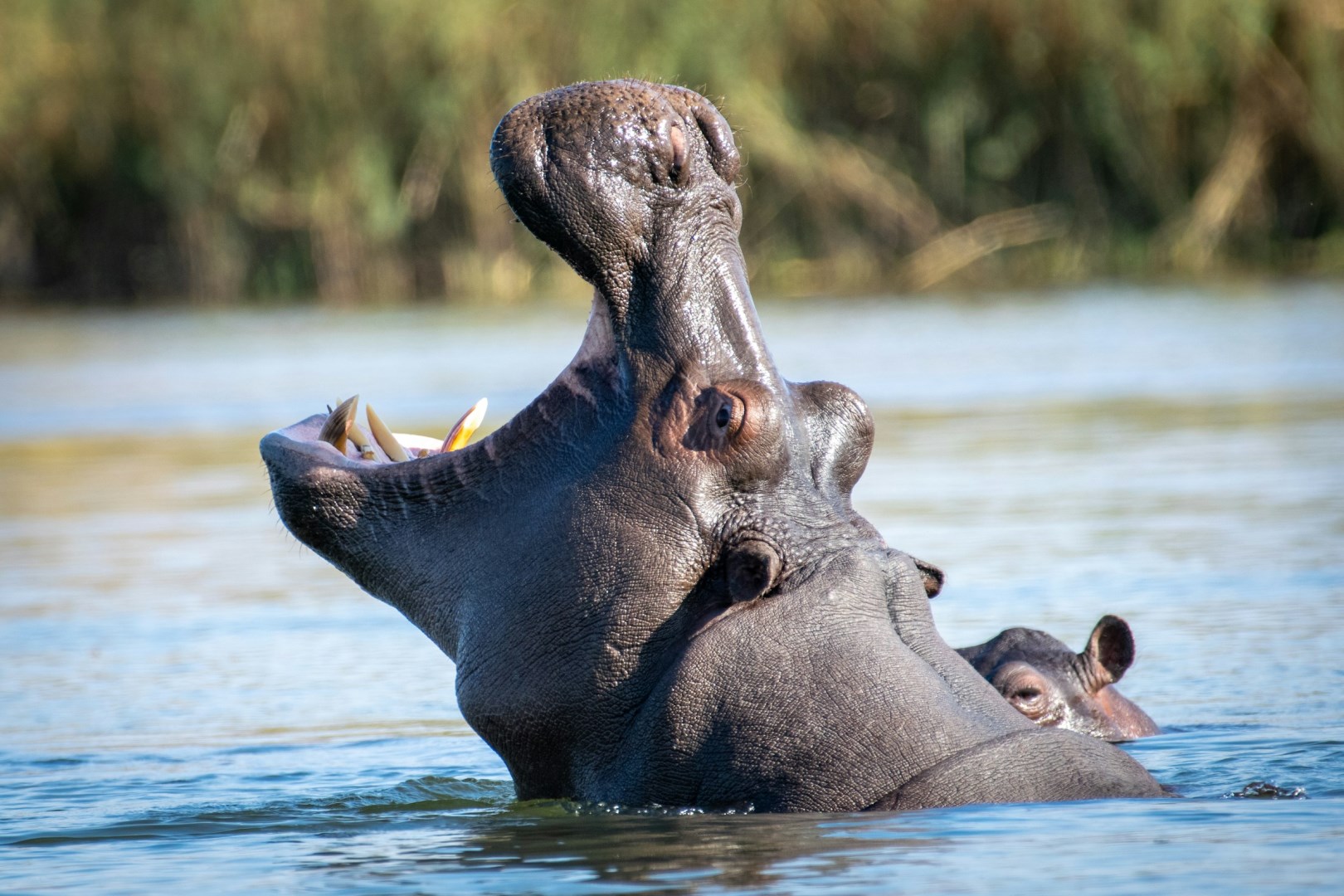
Divundu
Divundu is a small settlement in northeastern Namibia, situated along the Kavango River near the western entrance to the Bwabwata National Park. The river creates a green corridor through a region otherwise dominated by dry woodland and sandy plains. Divundu is an important stopping point between Rundu and Katima Mulilo and serves as a gateway to several wildlife and cultural sites in the Kavango and Zambezi regions.
