
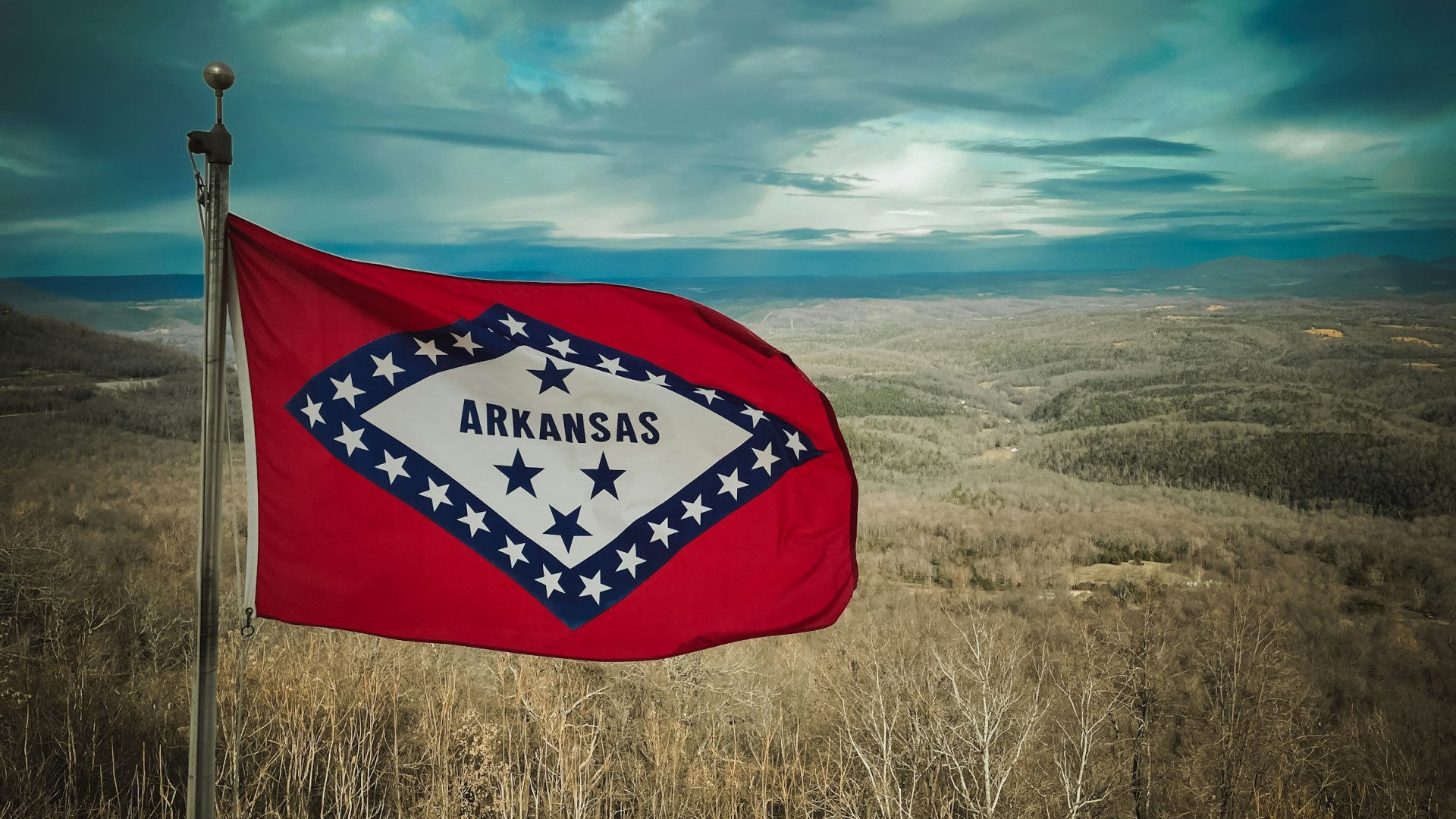
Arkansas
Arkansas is often called “The Natural State,” and for good reason as it’s home to more than 600,000 acres of lakes and 9,700 miles of rivers and streams. From the Ozark Mountains in the north to the Delta plains in the east, the state’s landscapes offer a wide range of backdrops for hiking, paddling, or simply taking in the view.
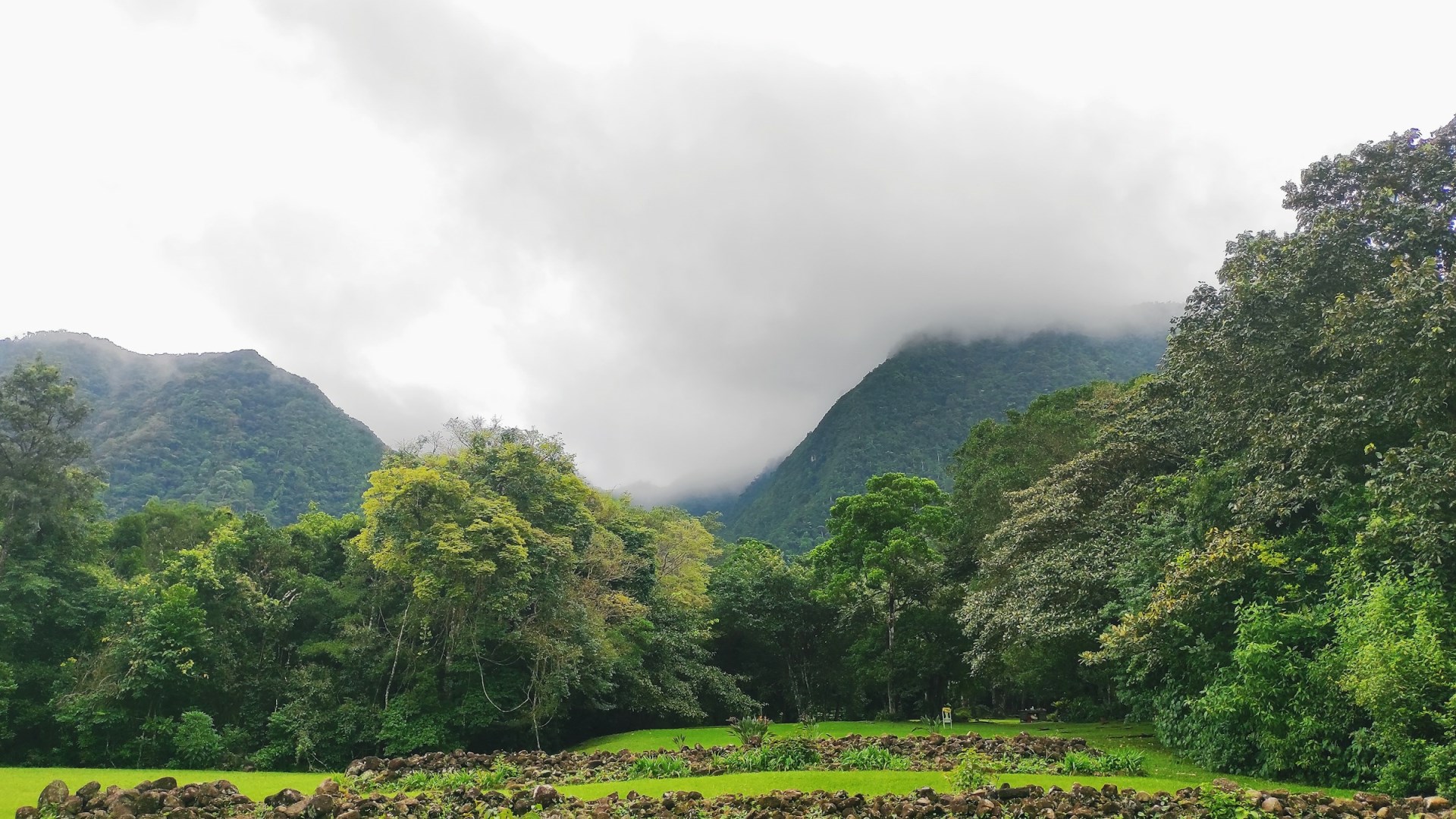
El Valle de Antón
El Valle de Antón is a mountain town in Panama’s Coclé Province, set within the broad crater of an inactive volcano. Its elevated setting gives the area a cooler climate than much of the surrounding lowlands, while mountains and forested slopes surround the town. Streams, waterfalls, gardens, farms, and wooded areas are found throughout the valley, creating a landscape shaped by volcanic geology and tropical vegetation.
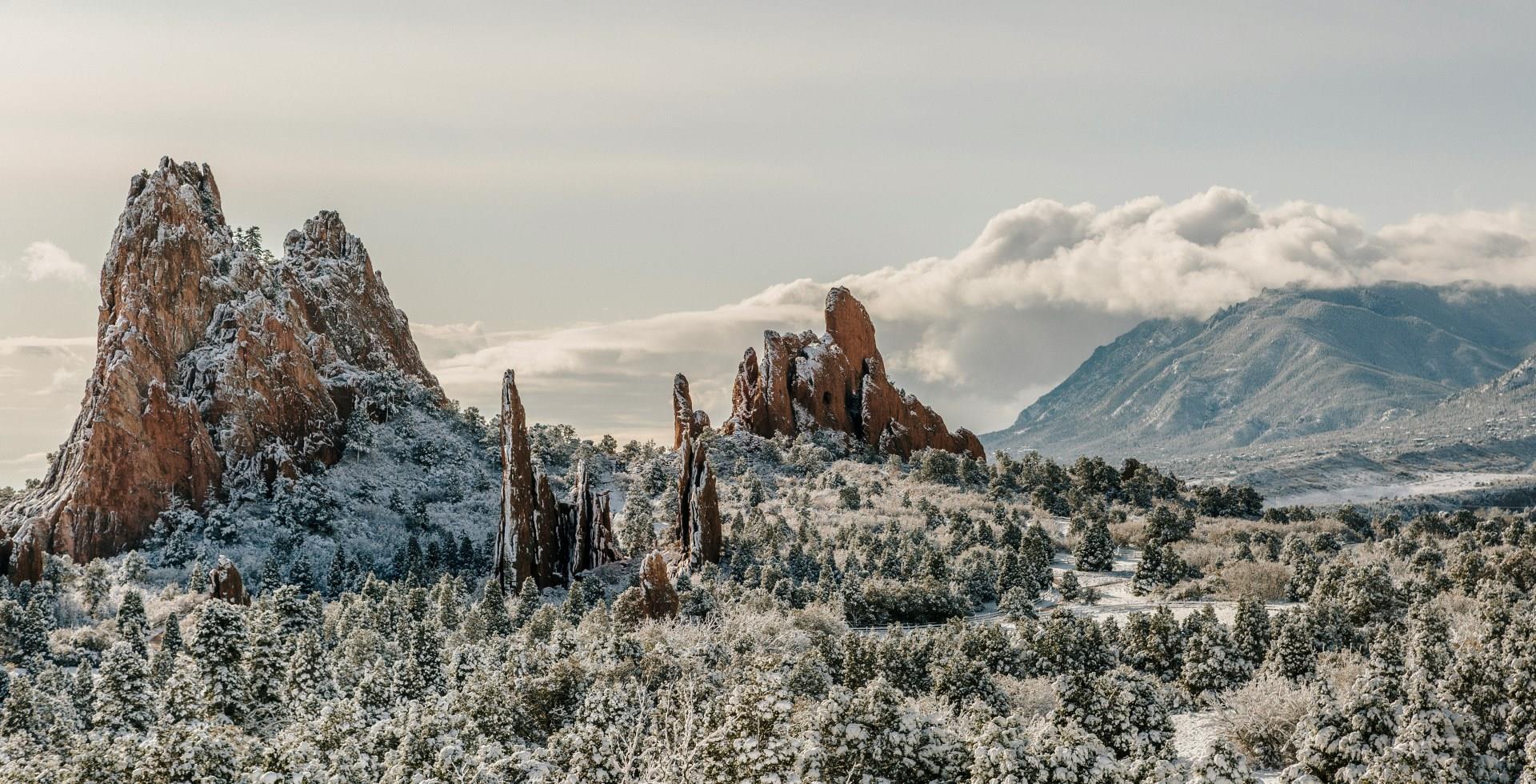
Colorado Springs
Modern-day Colorado Springs is flourishing, as the second largest city in Colorado. Fortunately, the unique features which attracted people long ago still remain. Nature entices with her array of textures and striking colors. People from all over the world visit to appreciate the countless natural and man-made attractions the Pikes Peak region has to offer.
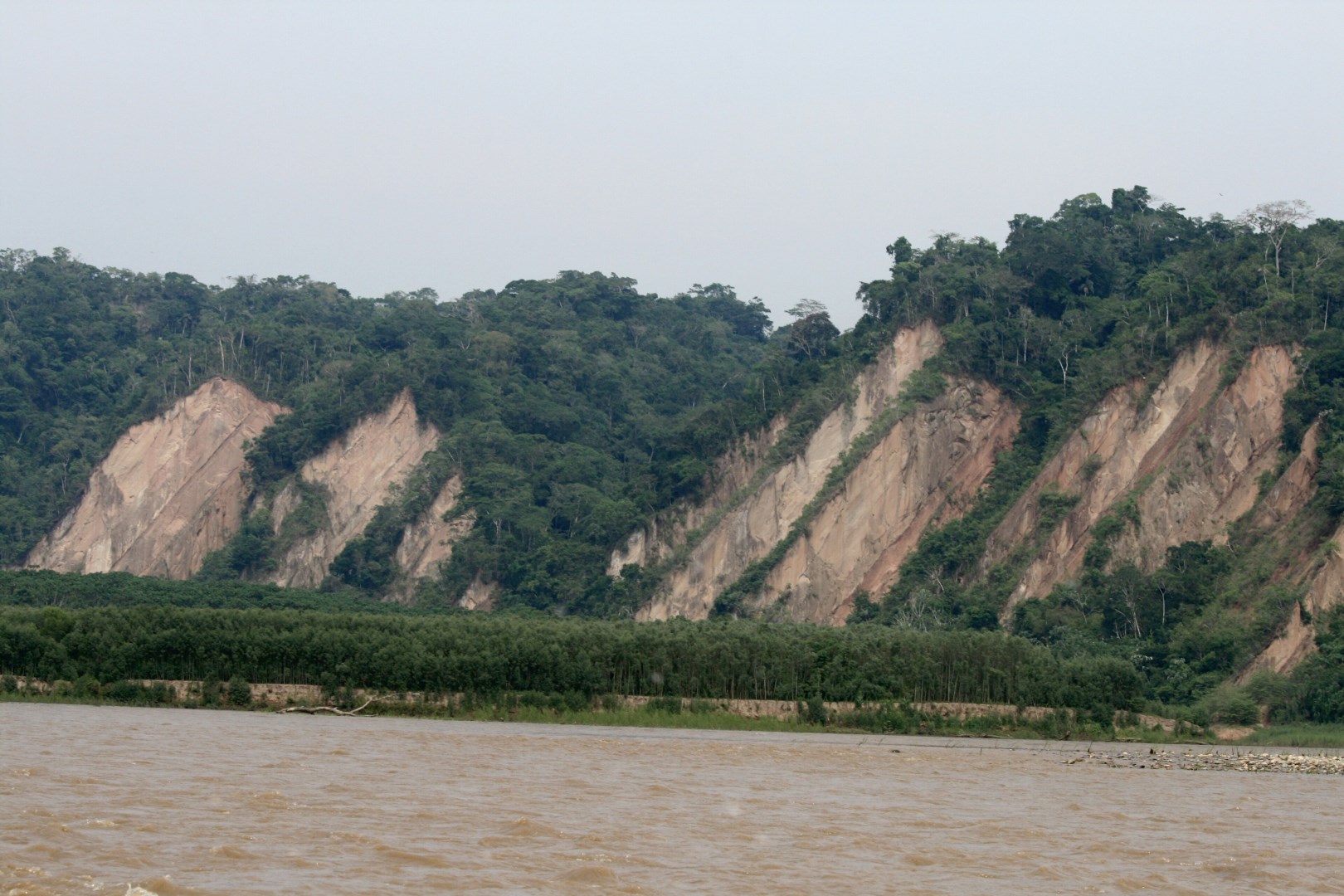
Madidi National Park
Would you dare venture into the untamed wilderness of Madidi National Park in Bolivia? This vast and biodiverse rainforest is home to jaguars, giant otters, and countless exotic species, making it one of Earth's most ecologically rich places. Trek through dense jungle, navigate winding rivers and immerse yourself in the sounds of nature. For those bold enough to explore this remote paradise, unforgettable wildlife encounters and raw natural beauty await.
Roussillon
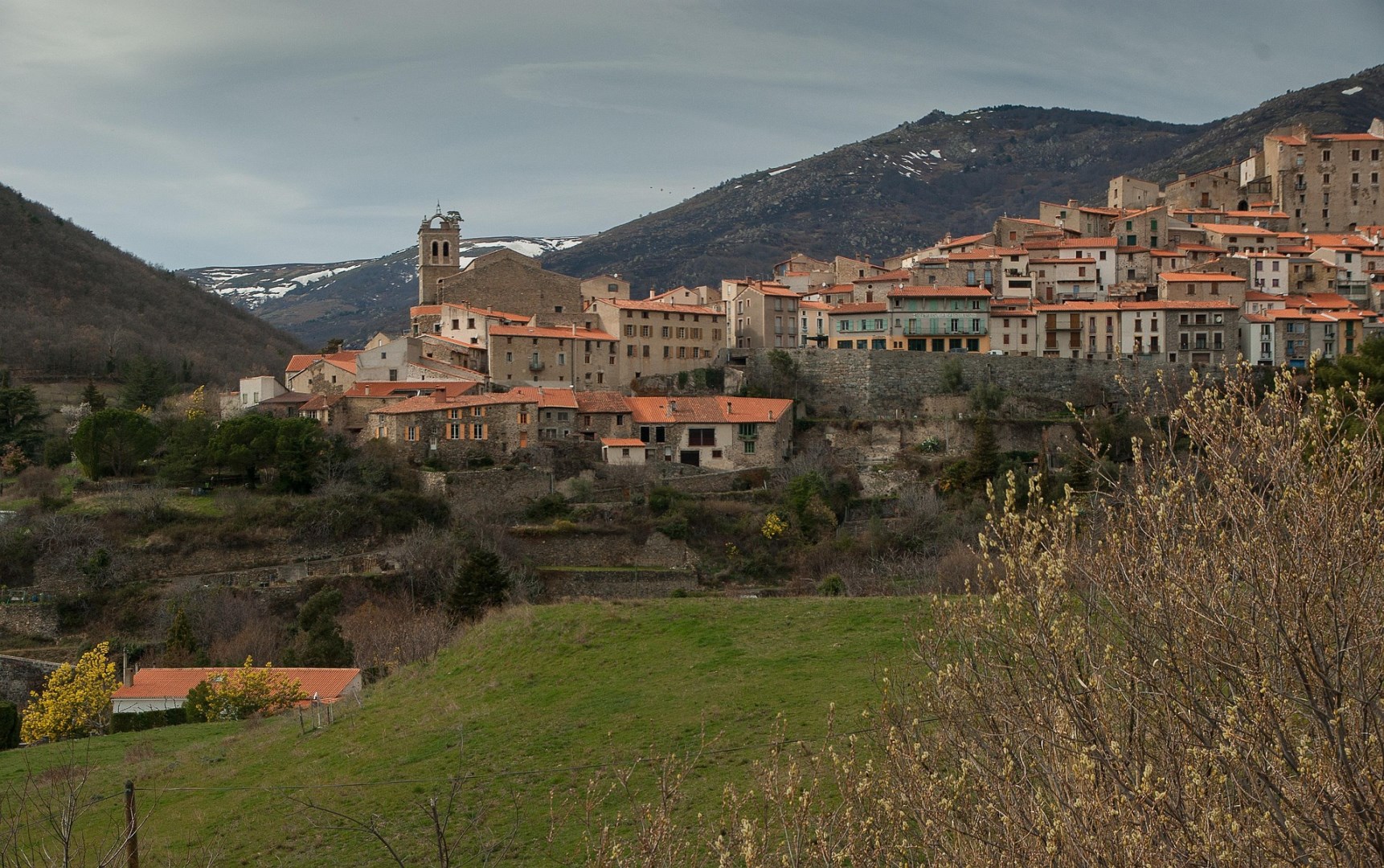
Roussillon is a hilltop village in the Luberon of southeastern France, surrounded by some of the region’s richest ochre deposits. Its houses, walls, and narrow streets are colored by the same natural pigments found in the surrounding earth, ranging from pale yellow to deep red. The village stands within the Luberon Regional Natural Park, where wooded hills and agricultural land meet the ochre landscape.
