

Guernsey
Guernsey, the second-largest of the Channel Islands, blends coastal landscapes with a deep-rooted history shaped by centuries of outside influence. Though located closer to France than to mainland Britain, Guernsey is a British Crown Dependency with its own government and a distinct identity. The capital, St Peter Port, is a hillside town overlooking a natural harbor, where visitors can explore narrow lanes, stone stairways, and 18th-century buildings.
Mount Rainier National Park
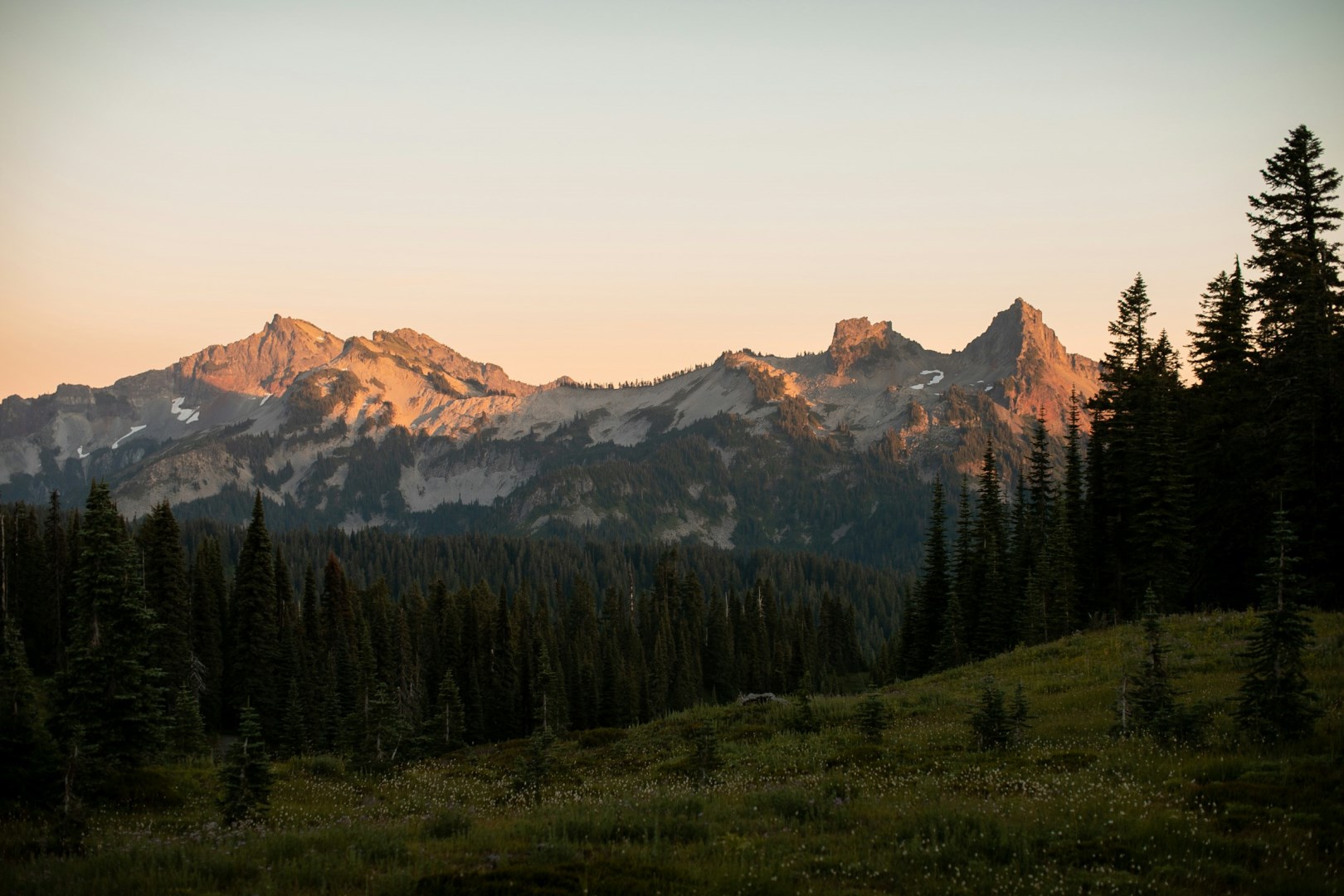
Mount Rainier National Park is centered on Mount Rainier, a massive glaciated volcano rising above the forests and valleys of Washington’s Cascade Range. The mountain dominates the surrounding landscape, with glaciers, snowfields, alpine meadows, old-growth forests, rivers, and waterfalls extending across the park. Its varied elevations create distinct environments, from dense lowland forest to open subalpine terrain and rugged alpine slopes.
Gamboa
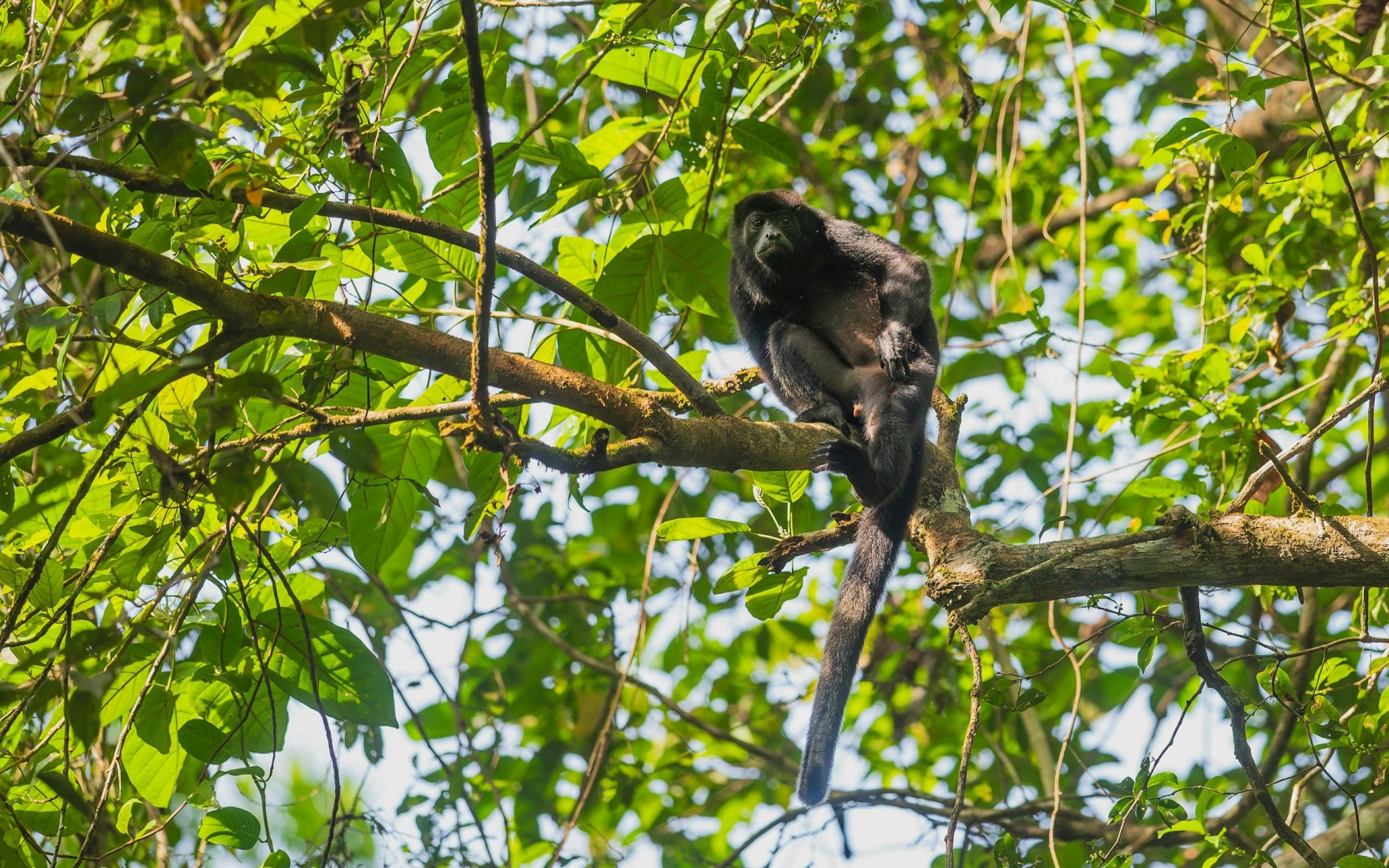
Gamboa, Panama, was originally built to house employees of the Panama canal. The small town's main attractions are its proximity to significant tracts of relatively undisturbed rainforest, and Pipeline Road, considered one of the best bird watching sites in Central America.

Monkey Mia
Monkey Mia, located within the Shark Bay World Heritage Area on the western coast of Australia, is a serene paradise known for its world-famous wild dolphin encounters. This remote coastal gem, surrounded by the turquoise waters of the Indian Ocean, invites visitors to experience up-close interactions with bottlenose dolphins in their natural habitat. For over 50 years, these dolphins have made daily visits to Monkey Mia’s shores, creating a unique tradition that brings awe to travelers.
Marshall Islands
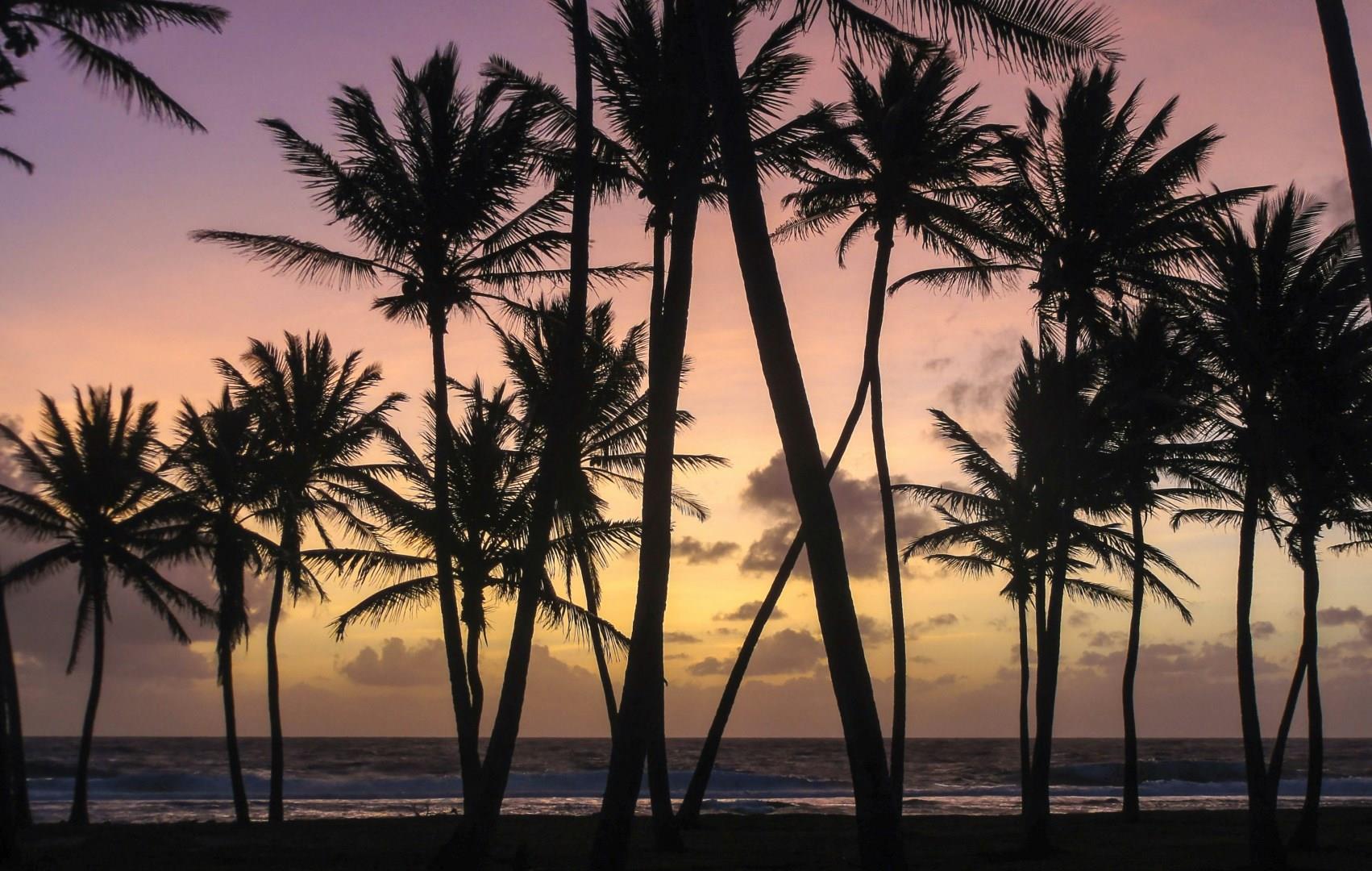
The Marshall Islands, a remote chain of atolls and islands in the central Pacific, invites travelers into a world where tradition, ocean life, and recent history all leave a lasting impression. Spread across nearly a million square miles of ocean, this independent nation offers rare access to some of the world’s most pristine marine environments.
