
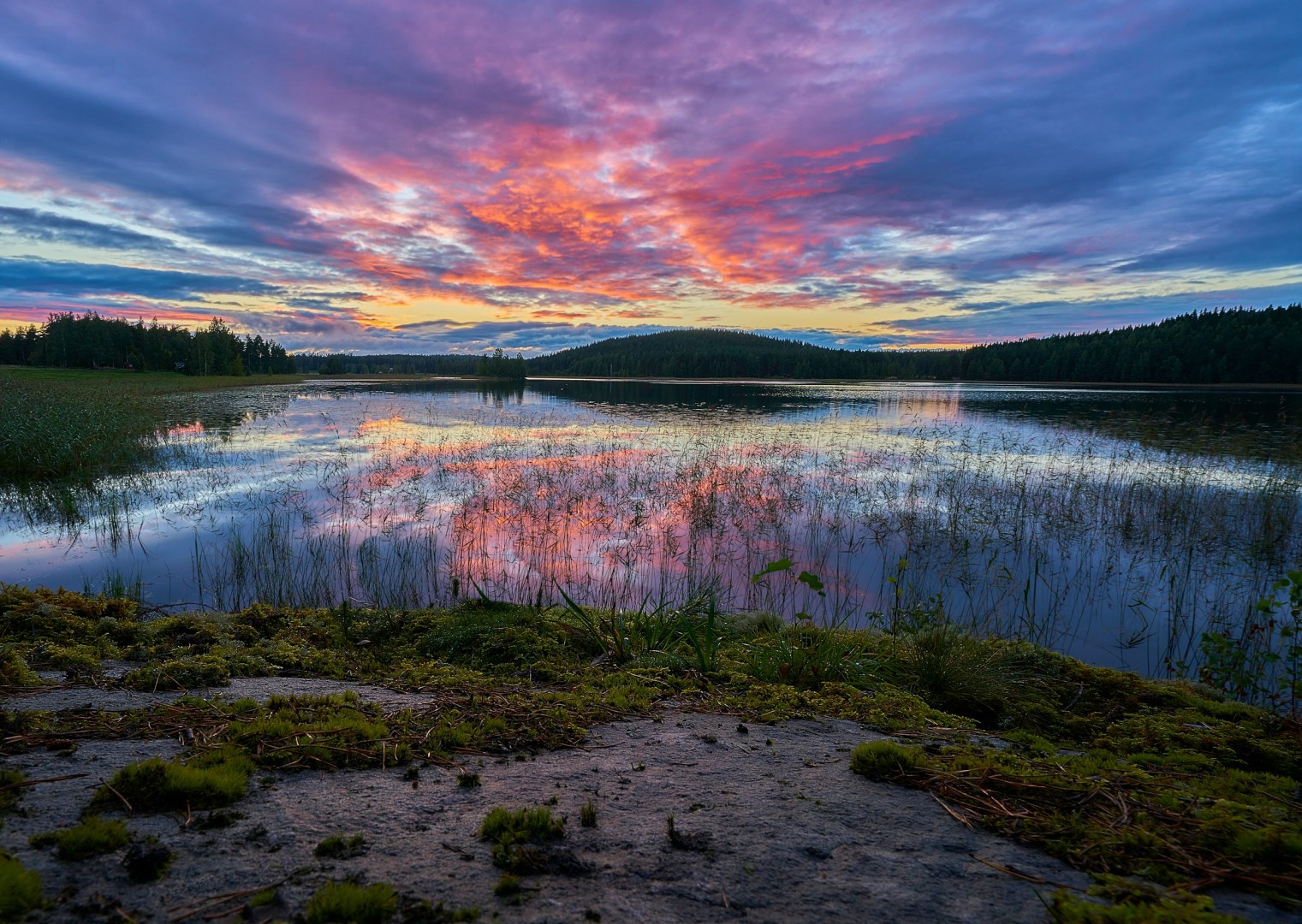
Jyväskylä
Jyväskylä is a city in central Finland surrounded by forests, lakes, and rolling hills, with Lake Jyväsjärvi forming a prominent part of its southern edge. It is the regional center of Central Finland and has a strong connection with education, design, and modern Finnish architecture. The city is known internationally for buildings designed by Alvar Aalto, whose work includes the University of Jyväskylä campus and several civic buildings.
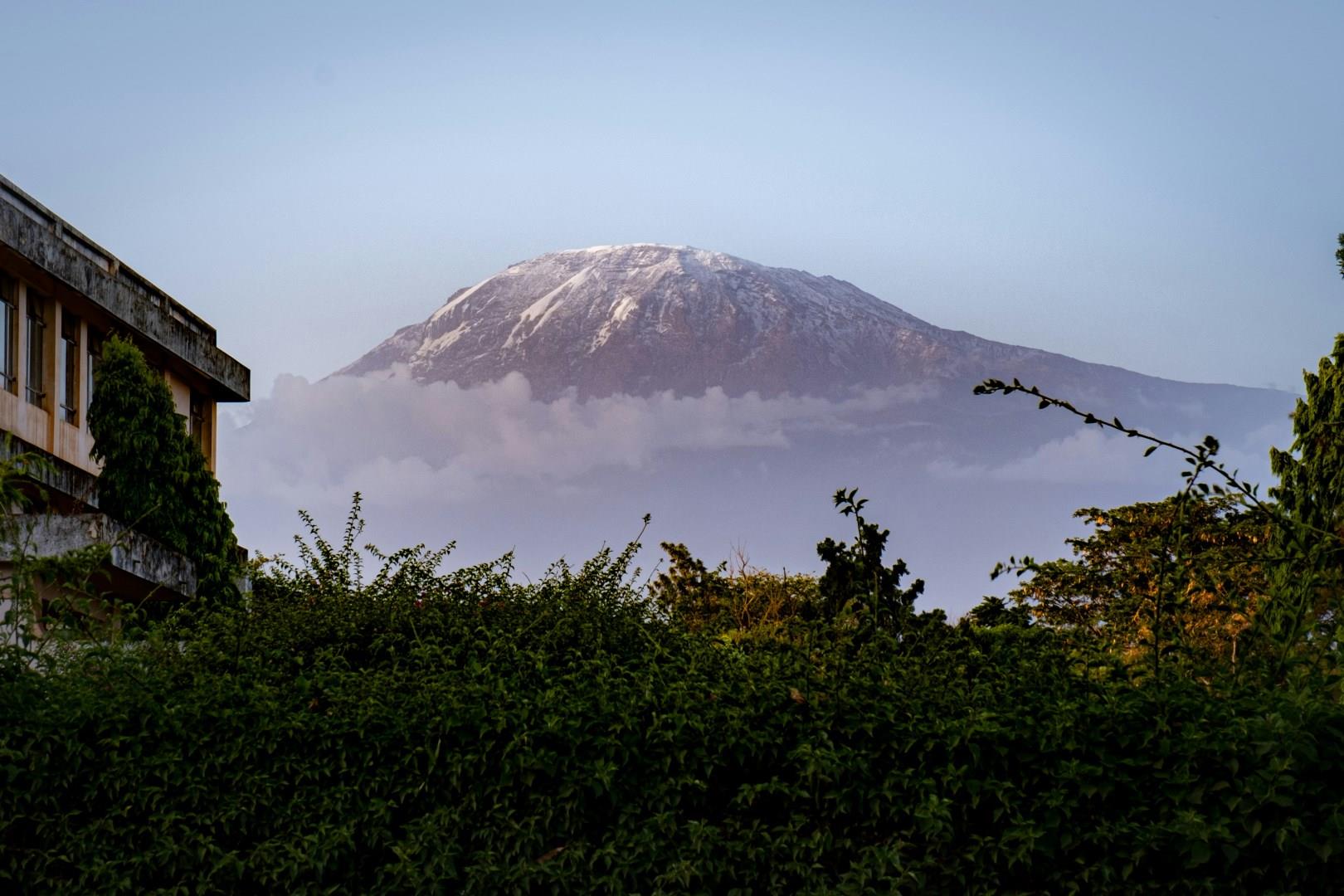
Moshi
Moshi sits on the southern slopes of Mount Kilimanjaro in northern Tanzania, shaped by both Chagga culture and its role as a crossroads for trade and travel.
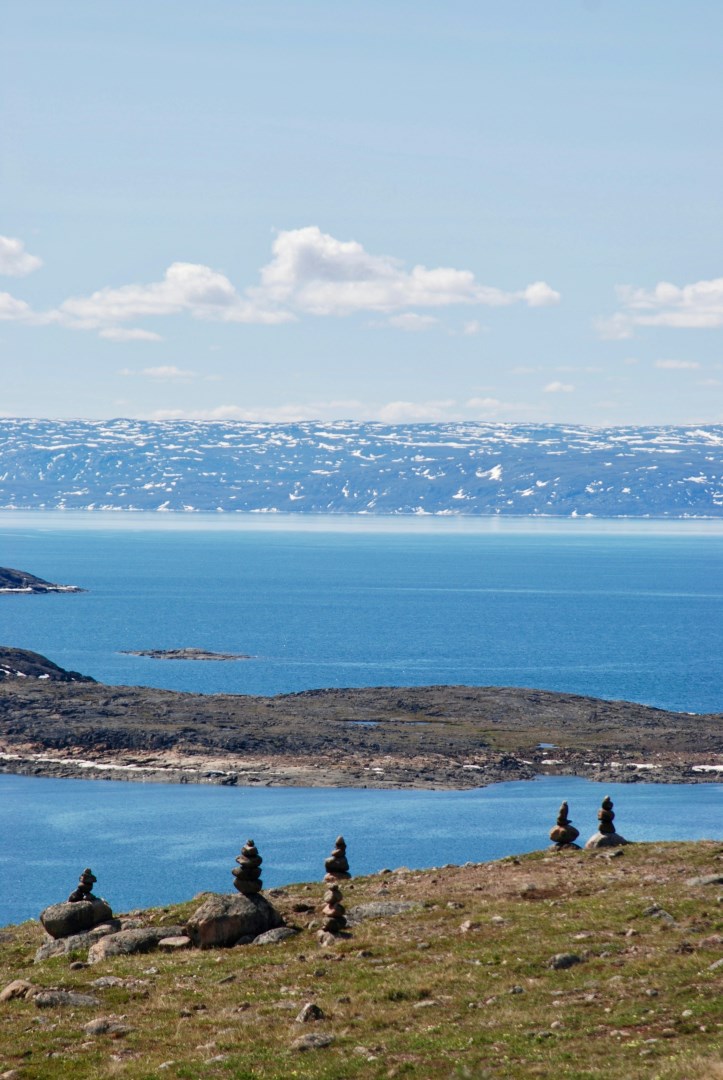
Iqaluit
Iqaluit is the capital of Nunavut and the largest community in the territory, located at the head of Frobisher Bay on southern Baffin Island. The city is surrounded by rocky hills, tundra, freshwater ponds, and broad coastal waters, with a landscape shaped by Arctic weather and seasonal sea ice. Iqaluit serves as Nunavut's administrative, transportation, educational, and commercial centre, while remaining closely connected to traditional Inuit activities.
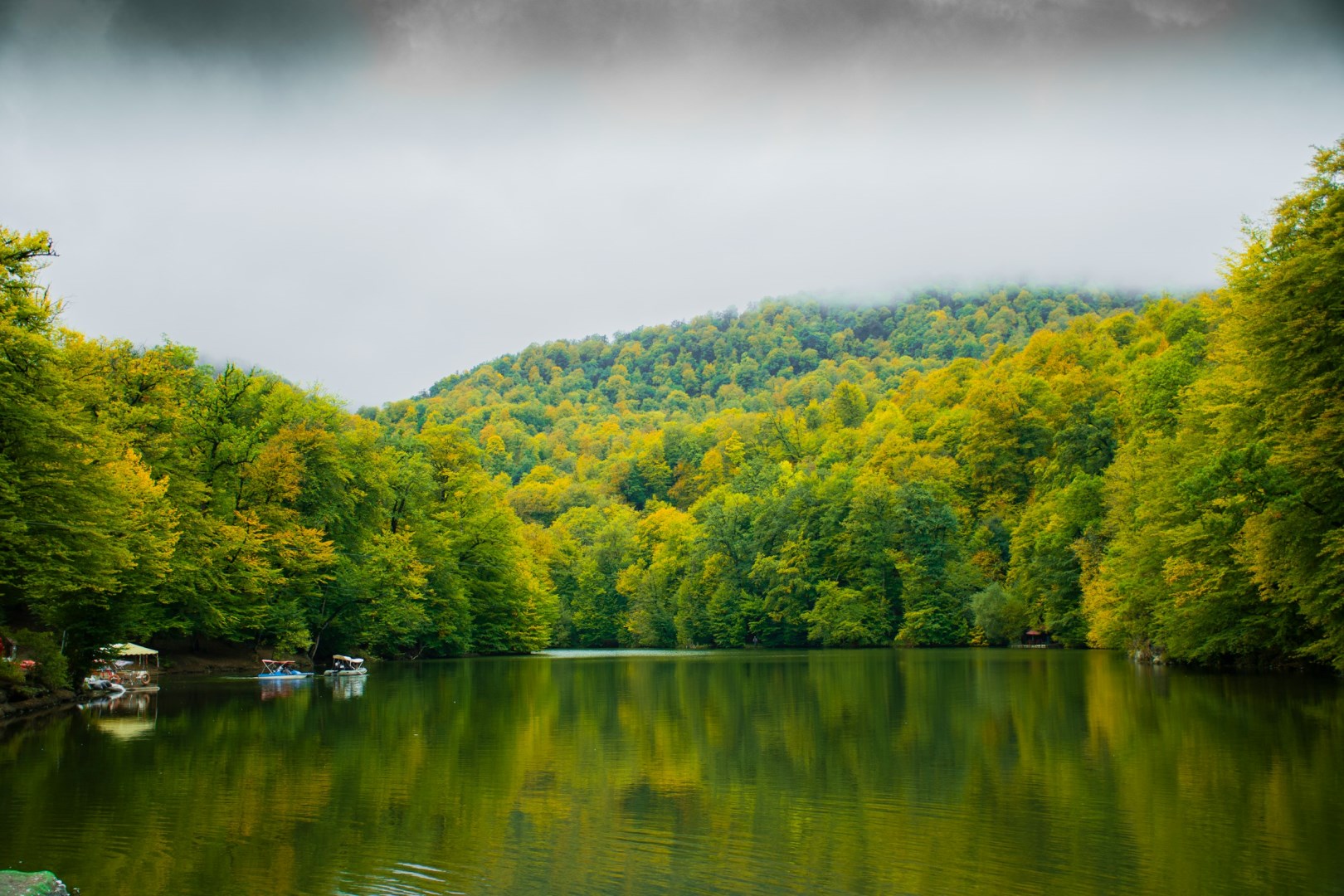
Dilijan
Dilijan is a town in Armenia's Tavush Province, surrounded by forested mountains, streams, and highland meadows. The town lies within the landscape of Dilijan National Park, where oak, beech, and hornbeam forests cover much of the surrounding hills. Dilijan is also known for its traditional architecture, craft workshops, and location between Lake Sevan and the forested valleys of northeastern Armenia. Its setting has long supported agriculture, forestry, and mineral-water traditions.
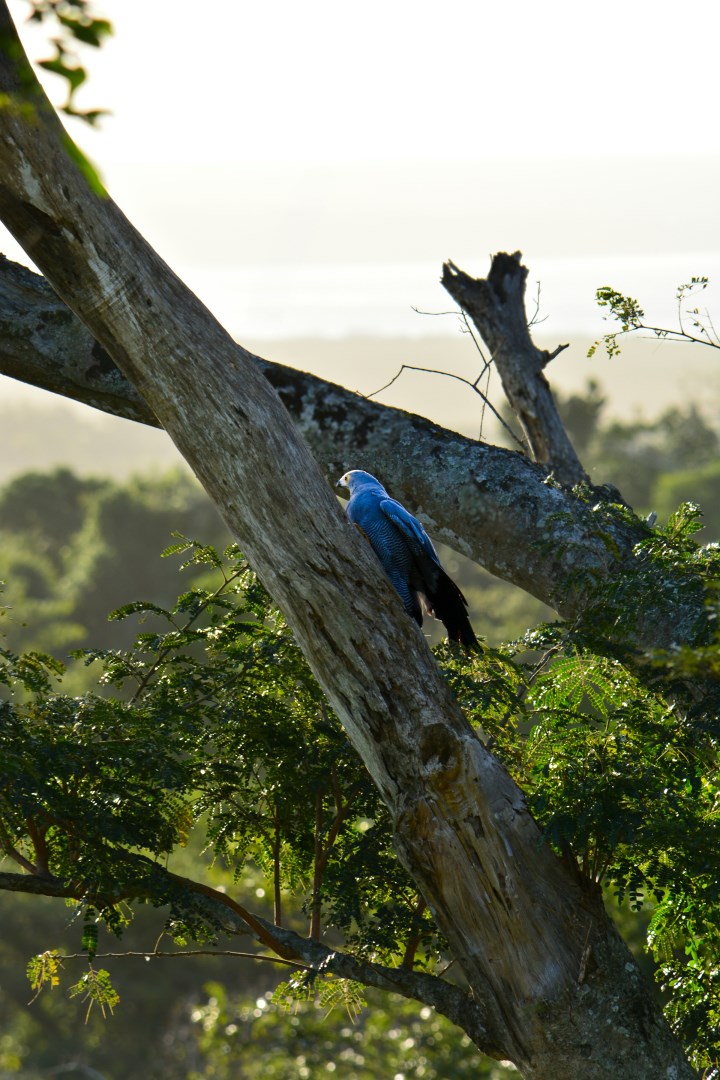
St. Lucia
St Lucia is a small coastal town in northern KwaZulu-Natal, positioned beside the St Lucia Estuary and within the iSimangaliso Wetland Park. The town is surrounded by a landscape of wetlands, coastal forests, grasslands, dunes, lakes, and the Indian Ocean. Its location makes it a base for exploring one of South Africa’s most diverse protected areas, where freshwater and marine environments occur close together.
