
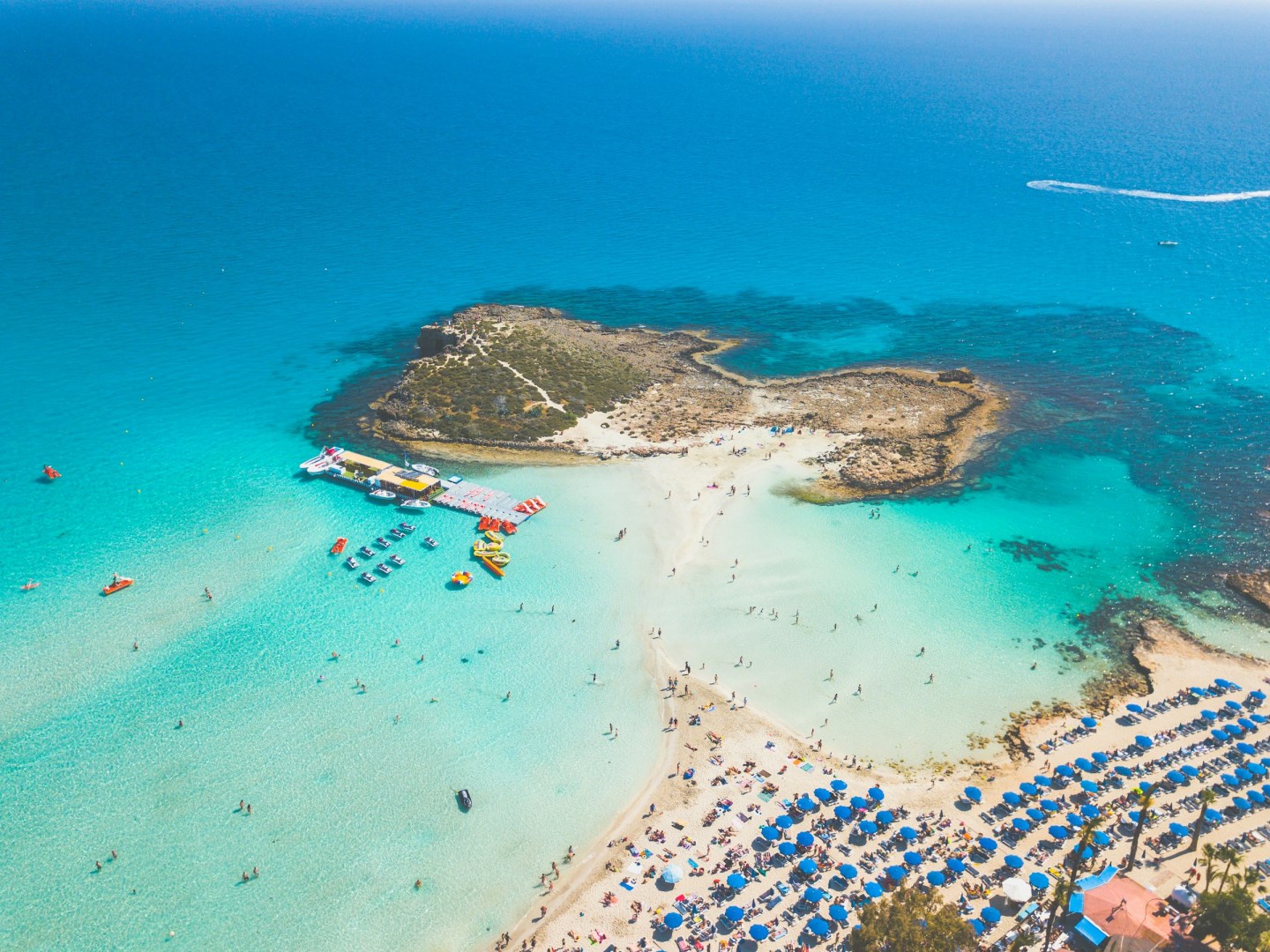
Ayia Napa
Ayia Napa is a coastal town in southeastern Cyprus, known for its sandy beaches, clear coastal waters, fishing harbor, and extensive tourism infrastructure. Once a small fishing village, it has developed into one of Cyprus's best-known seaside resorts while retaining several historic and cultural landmarks.

Pompeii
Pompeii, Italy, is a mesmerizing time capsule that invites travelers to step back into the world of ancient Rome. Once a thriving city, Pompeii was abruptly buried under volcanic ash and pumice following the catastrophic eruption of Mount Vesuvius in 79 AD. This tragic event preserved the city in remarkable detail, allowing visitors today to walk the cobbled streets and witness a snapshot of Roman life, from grand villas and bathhouses to bakeries and amphitheaters.

Monterey
Monterey, California, is a coastal gem with a rich maritime history and stunning natural beauty. Located on the rugged Pacific coastline, this charming city is renowned for its world-class aquarium, the Monterey Bay Aquarium, which offers visitors a chance to explore the vibrant marine life of the region. Monterey's historic Cannery Row, once the center of the sardine-packing industry, has been transformed into a lively waterfront area brimming with shops, restaurants, and cultural attractions.
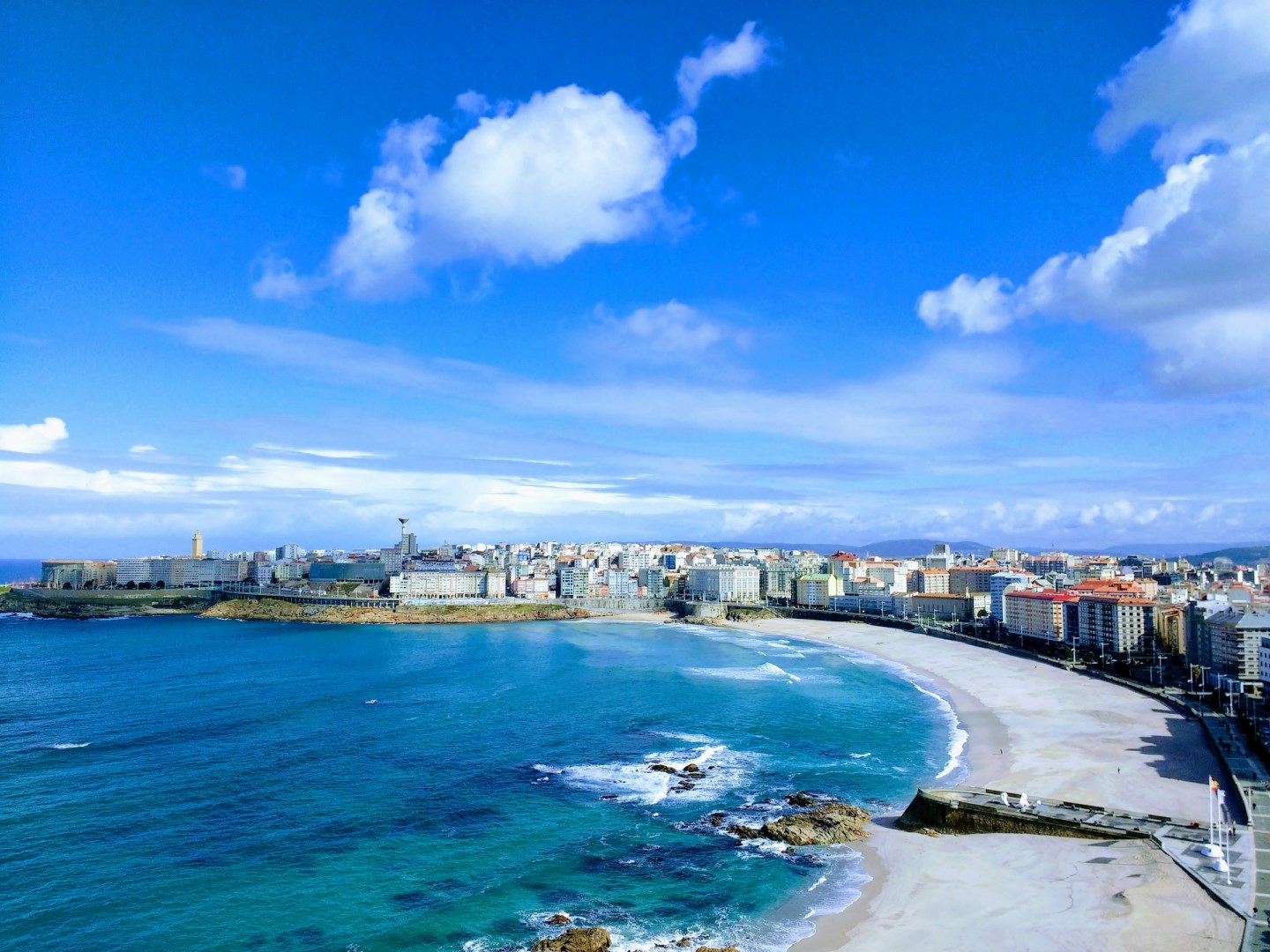
A Coruna
Perched on the northern coast of Spain, A Coruña (or La Coruña) is a captivating city with a rich maritime heritage and scenic beauty. Dominated by its iconic lighthouse, the Torre de Hércules, which is the oldest functioning lighthouse in the world, A Coruña offers a unique glimpse into ancient engineering.
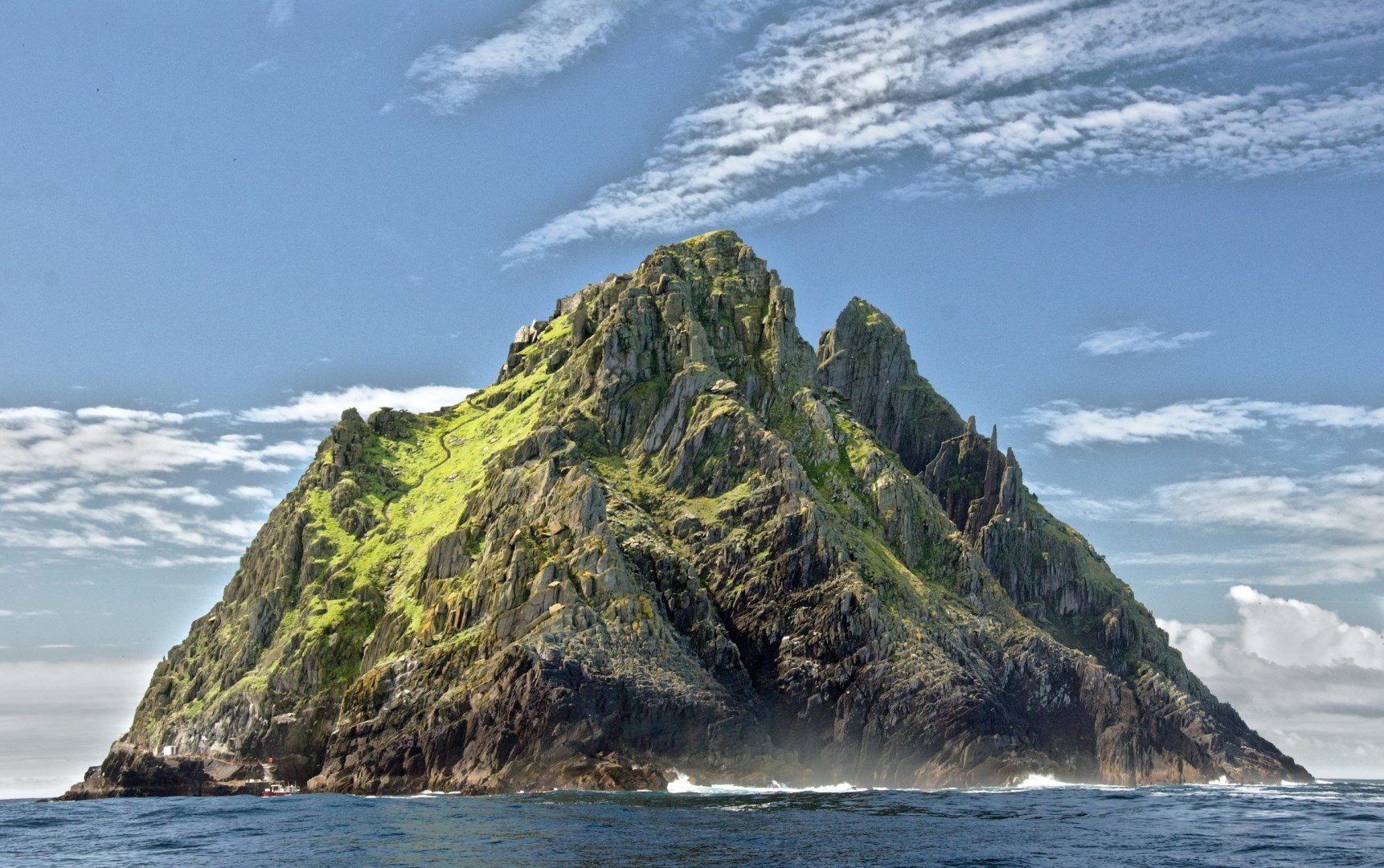
Sceilg Mhichíl
Sceilg Mhichíl, also known as Skellig Michael, is a steep rocky island in the Atlantic Ocean off the Iveragh Peninsula in County Kerry. Rising sharply from the sea, the island is dominated by rugged peaks, exposed cliffs, and narrow terraces. Its remote position helped preserve an early Christian monastic settlement that occupies a high ridge above the landing points.
