
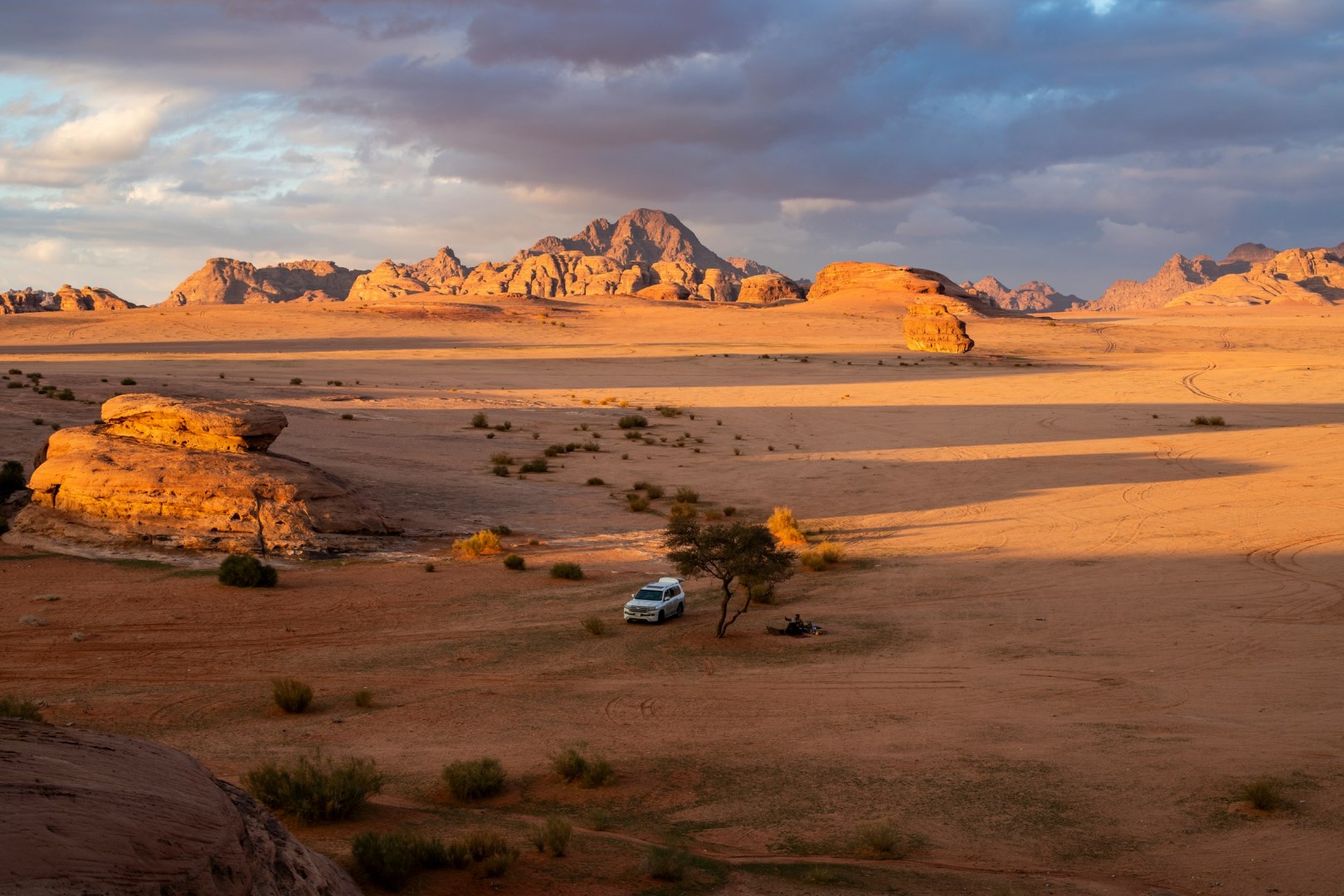
Tabuk
Tabuk is a city in northwestern Saudi Arabia and the capital of Tabuk Province, positioned between the Hejaz Mountains and the desert landscapes of the north. The city developed around an oasis and remains an important agricultural center, with palm groves and cultivated areas contrasting with the surrounding dry terrain.
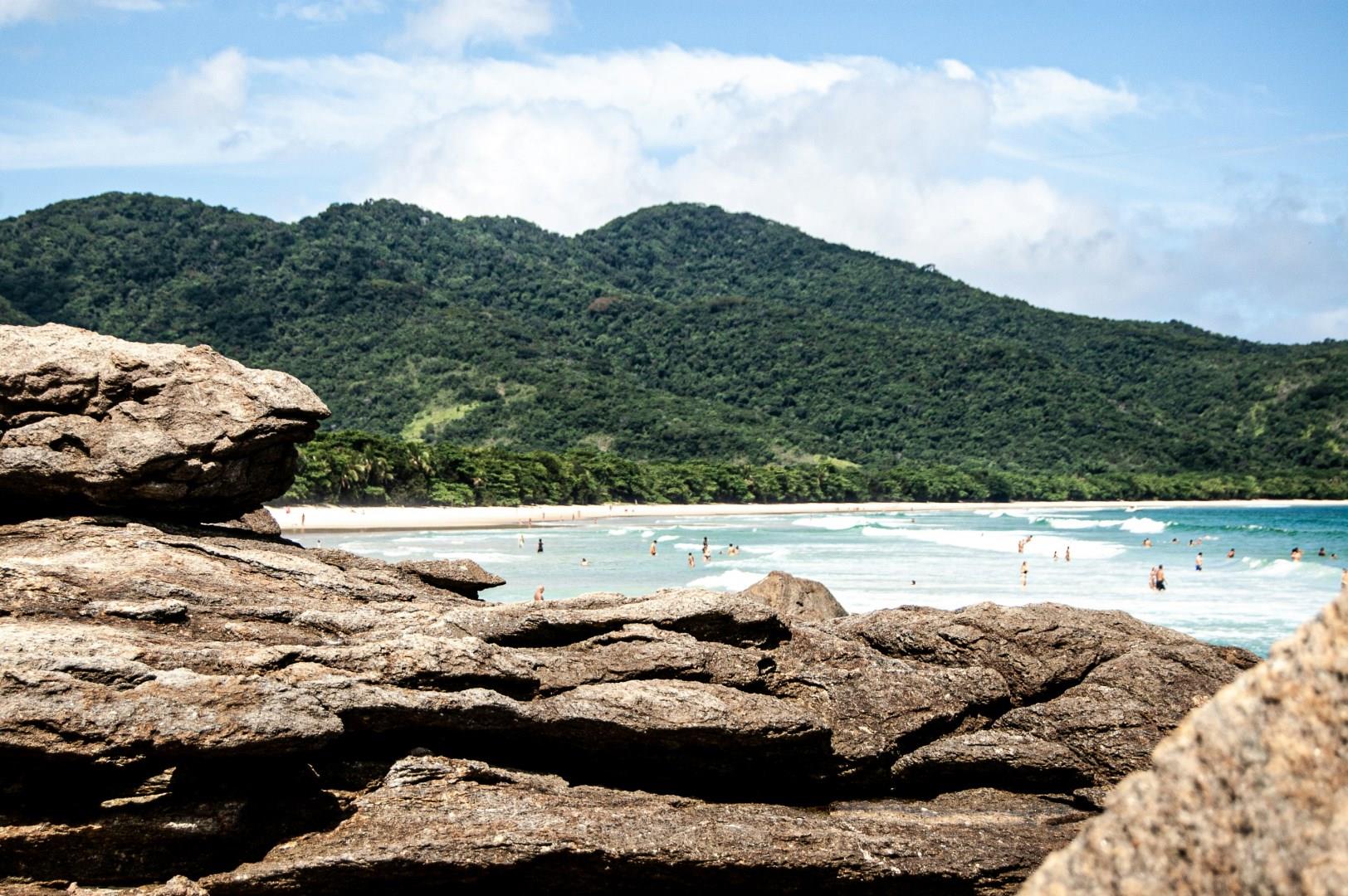
Ilha Grande
Ilha Grande, an island off the coast of Rio de Janeiro state, is a place where tropical forest and coastline meet in striking harmony. Once a pirate hideout and later the site of a penal colony, it has evolved into one of Brazil’s most remarkable island destinations. With no cars allowed and no large resorts, the island moves at a different pace, where footpaths and boats are the main ways to get around.
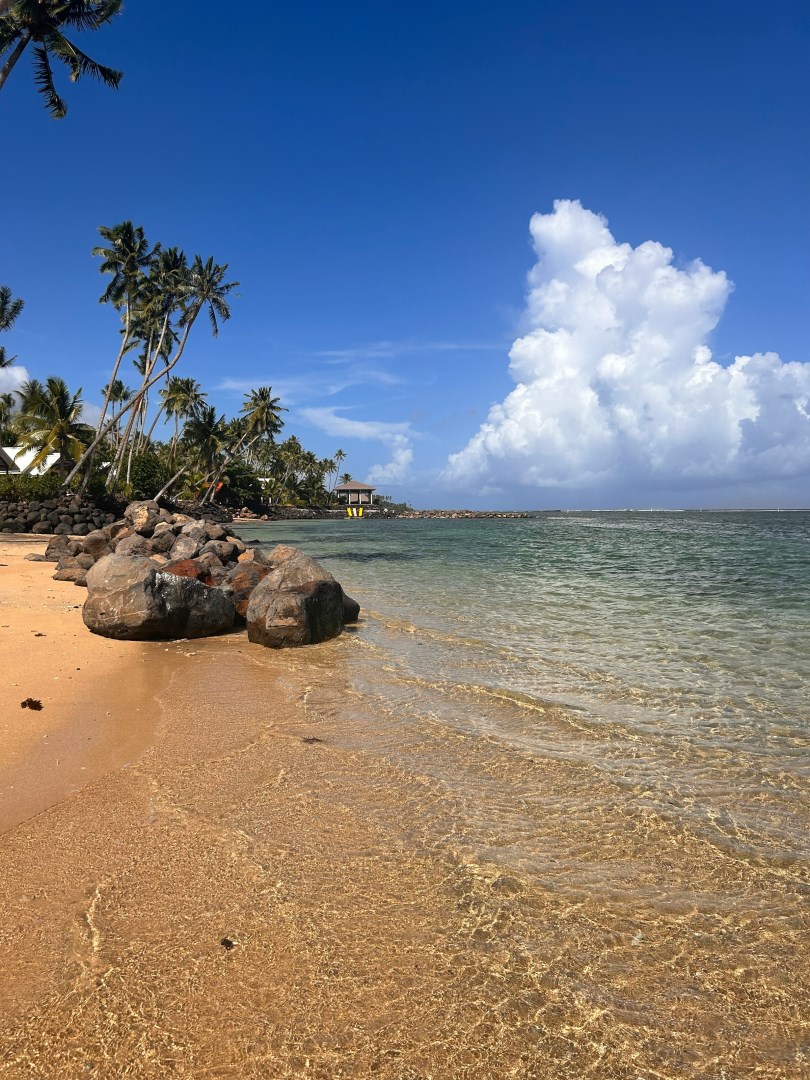
Upolu
Upolu is the more populated of Samoa’s two main islands and is home to Apia, the country’s capital and principal urban center. The island stretches from volcanic mountains in the interior to a deeply indented coastline of bays, beaches, and coral reefs. Lush vegetation covers much of the landscape, with villages, plantations, and gardens occupying the lower slopes and coastal areas.
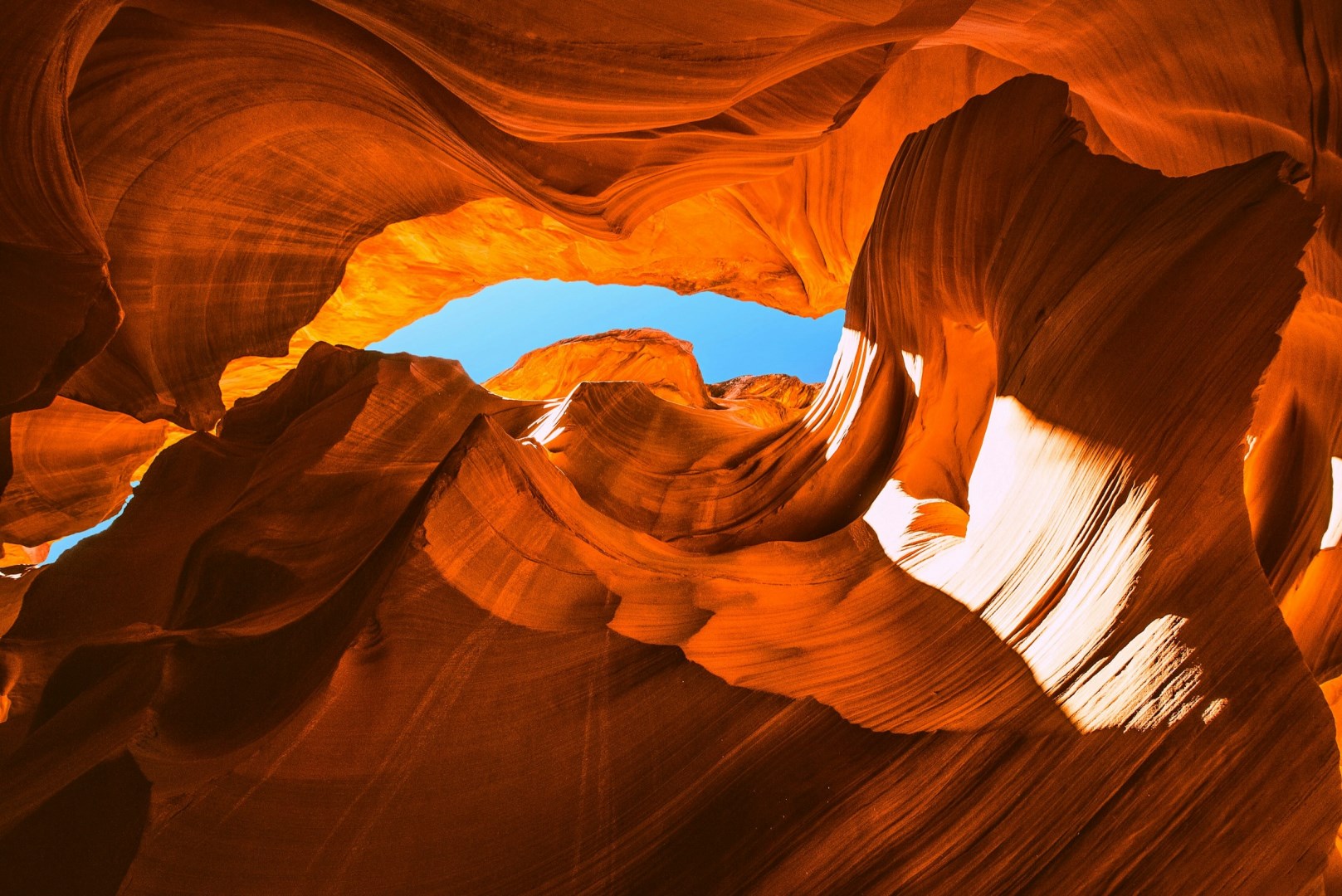
Antelope Canyon
Antelope Canyon is a narrow sandstone slot canyon on the Navajo Nation in northern Arizona, near Page and Lake Powell. It is divided into two main sections, Upper Antelope Canyon and Lower Antelope Canyon, both shaped by water erosion through Navajo Sandstone. The canyon is known for flowing walls, narrow passages, and shifting patterns of light and shadow.
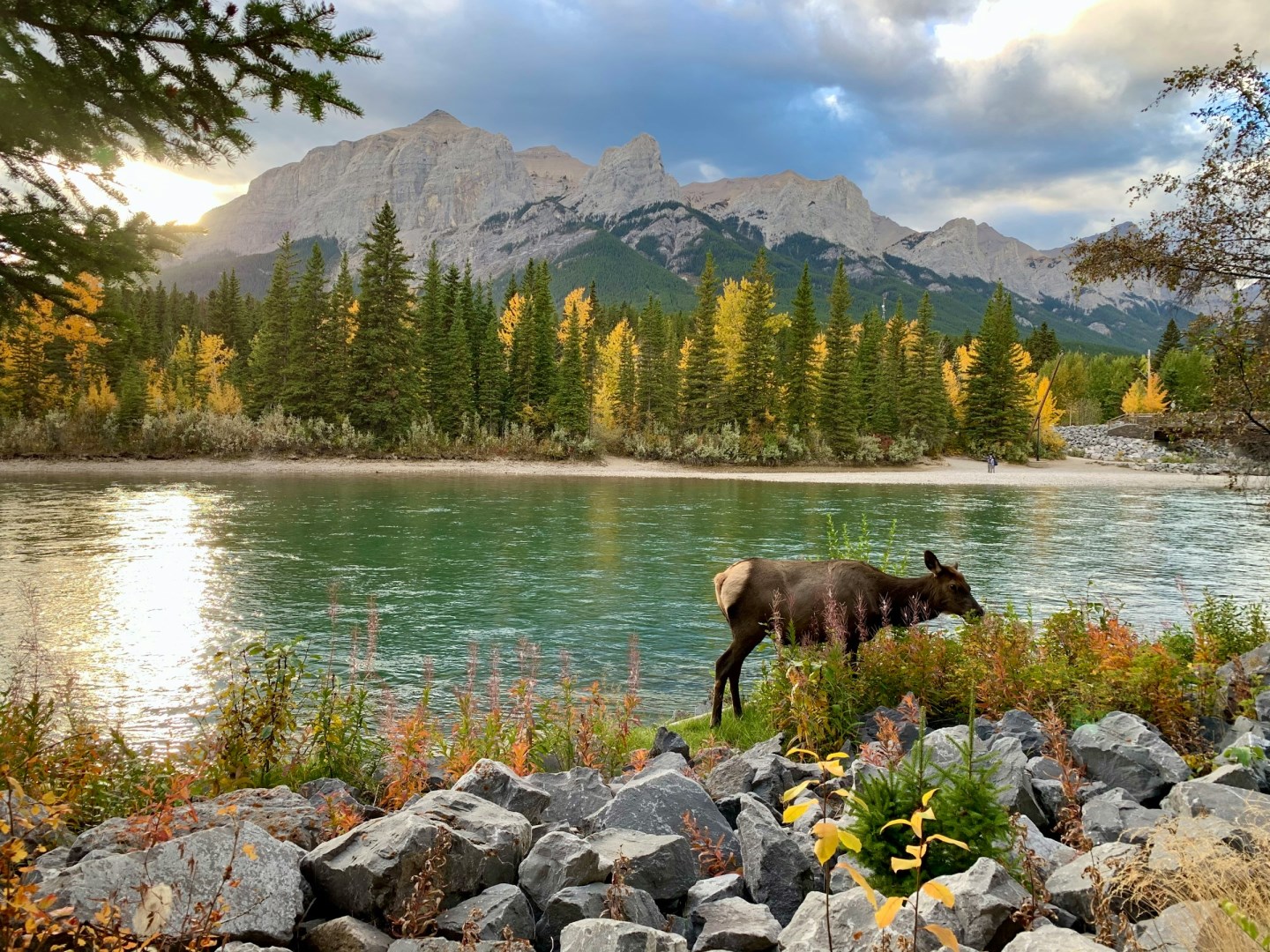
Bow River
The Bow River is one of Alberta’s best-known waterways, flowing from the Canadian Rockies through Banff National Park before continuing across the foothills and plains toward Calgary. Its headwaters are fed by glaciers and mountain snow, giving the river a cold, clear character and connecting high alpine landscapes with the prairie environment downstream.
