

Cádiz
With its captivating blend of ancient history, sun-drenched beaches, and vibrant Andalusian culture, Cádiz, Spain, stands as one of Europe’s oldest continually inhabited cities. Founded over 3,000 years ago by the Phoenicians, this coastal gem in southern Spain offers a rich tapestry of historical sites and modern charms. The old city of Cádiz is a labyrinth of narrow cobblestone streets, whitewashed houses, and hidden plazas that evoke the city’s Moorish past.

Dominica
Dominica, known as the “Nature Island of the Caribbean,” is a haven for eco-tourists and adventure seekers. Nestled between the French islands of Guadeloupe and Martinique, this lush island boasts a remarkable landscape of volcanic mountains, dense rainforests, and stunning waterfalls. Dominica’s most iconic natural wonder is the Boiling Lake, the second-largest hot spring in the world.
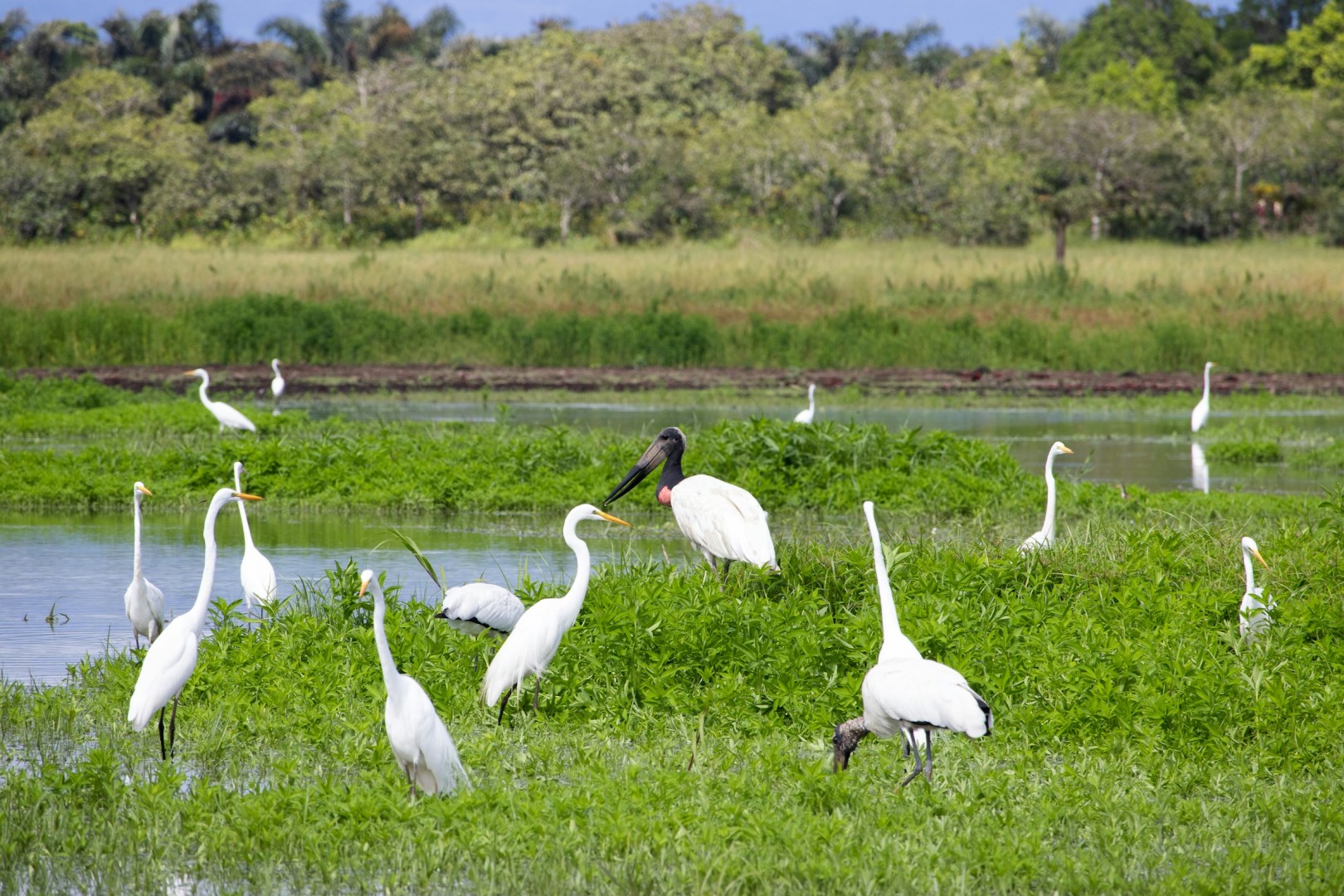
Caño Negro Wildlife Preserve
Caño Negro Wildlife Refuge is a wetland reserve in northern Costa Rica, in Alajuela Province near the Nicaraguan border. The protected area covers lowland forests, rivers, lagoons, marshes, and seasonal waterways within the basin of the Frío River. Its largest water body, Caño Negro Lagoon, is fed by freshwater rivers and changes considerably with seasonal rainfall.
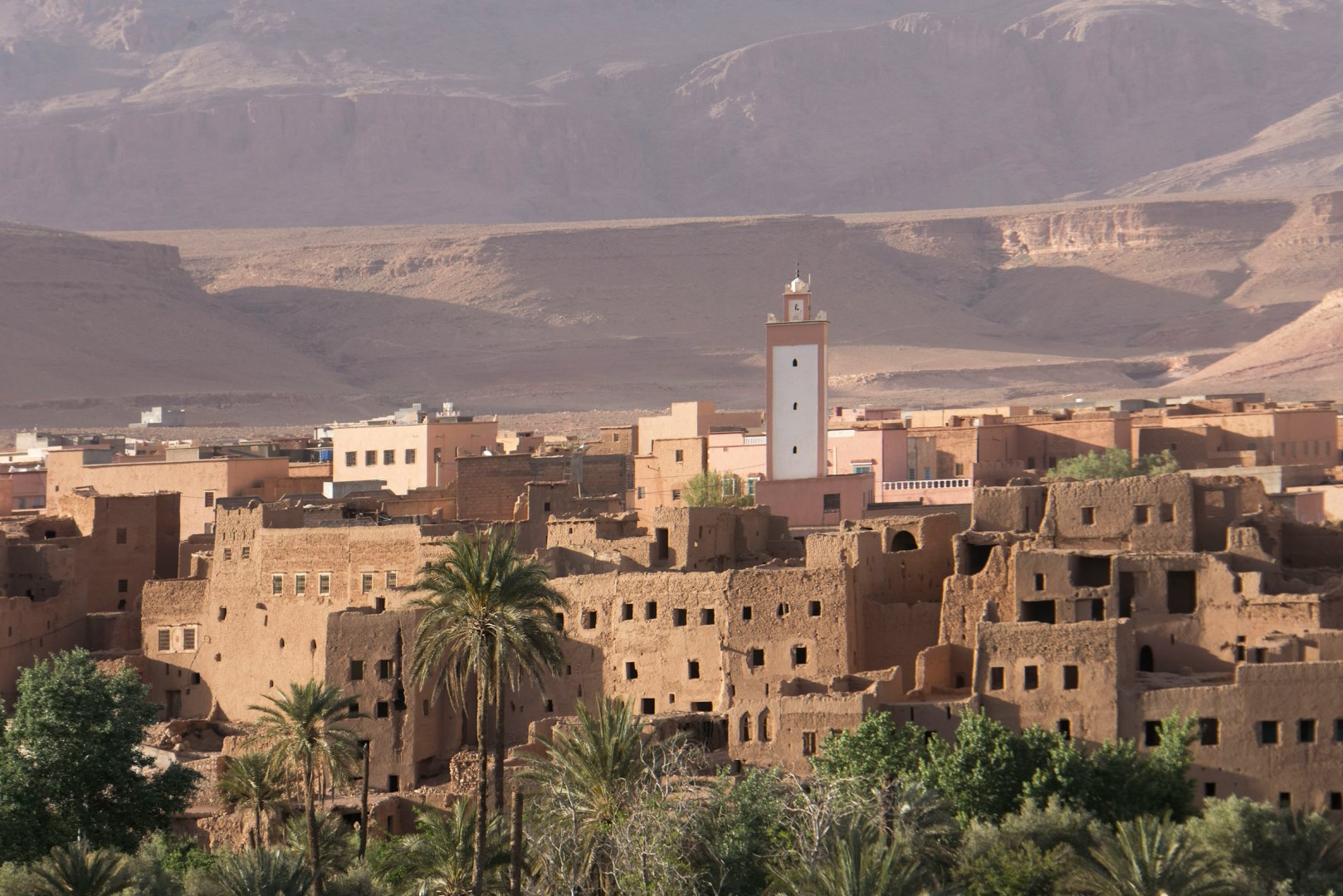
Tinghir
Tinghir is an oasis town in southeastern Morocco, set between the High Atlas and the Anti-Atlas mountains at the entrance to the Todra Valley. The town is surrounded by an extensive palm grove where date palms, gardens, and small agricultural plots follow the Todra River. Its traditional earthen buildings and kasbahs rise above the greenery, creating a clear contrast with the dry mountain slopes nearby.

Fairbanks
Fairbanks is the largest city in Alaska’s Interior and a major center for the region’s communities, education, transportation, and commerce. Located along the Chena River, it lies north of Denali National Park and south of the Arctic Circle. The city is known for dramatic seasonal changes, including long summer days and extended winter darkness.
