
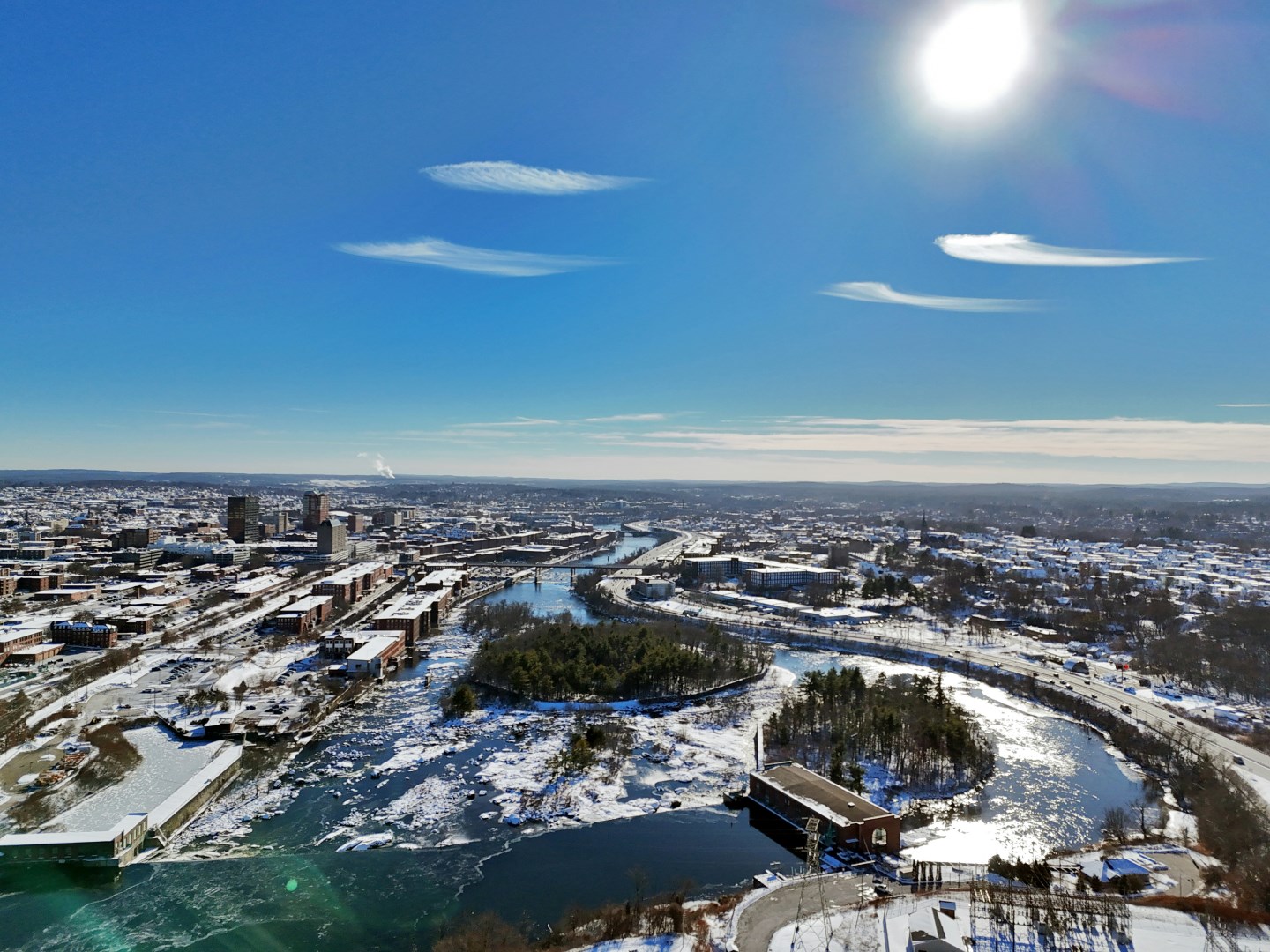
Manchester
Manchester, New Hampshire, is a city where history and modern life intersect along the banks of the Merrimack River. Once a hub for textile mills, the city’s industrial roots are still visible in renovated brick buildings and restored warehouses that now house shops, offices, and restaurants. The riverfront provides scenic walks and public spaces that highlight both the city’s industrial past and its present-day urban life.
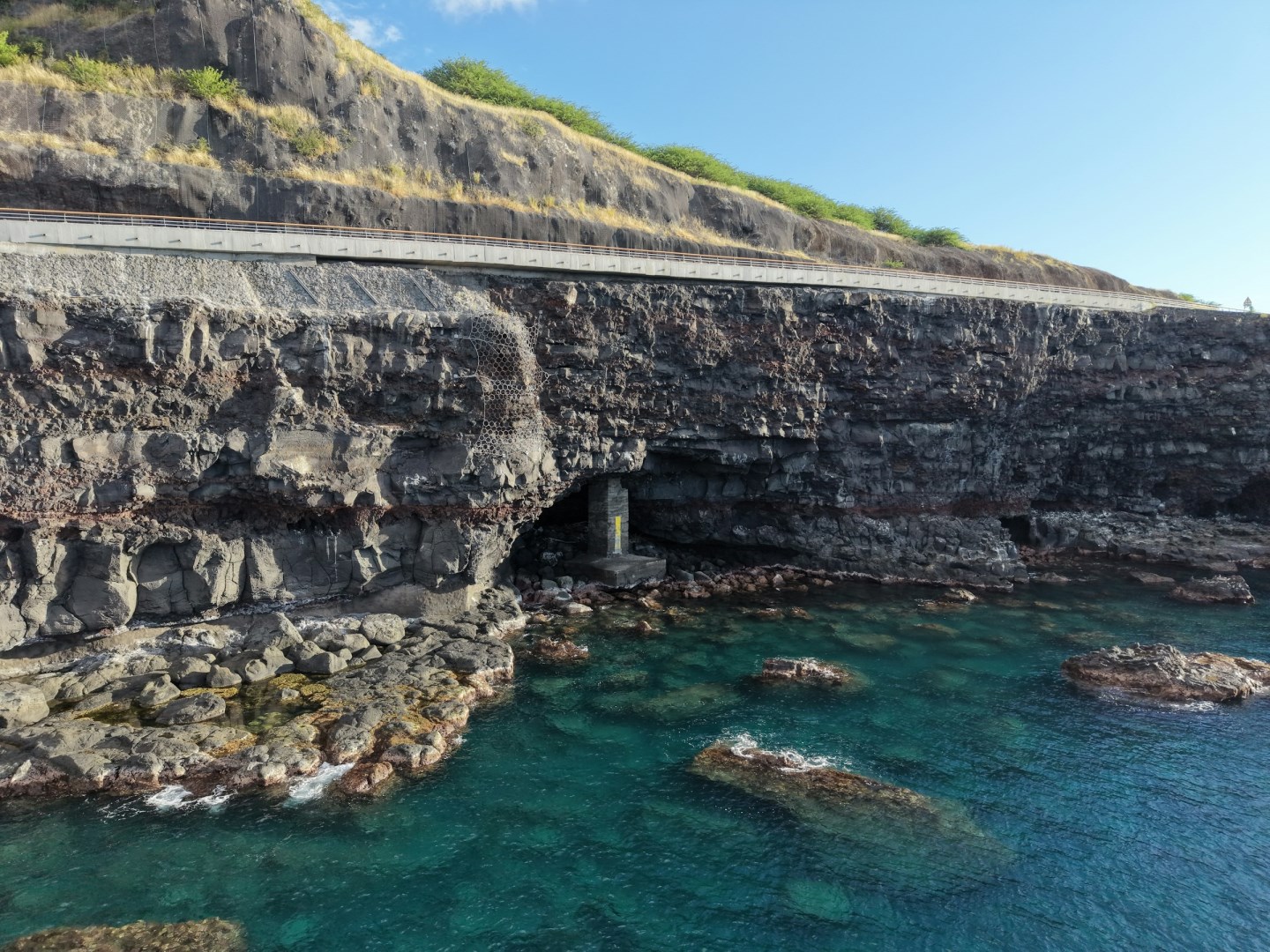
Saint-Gilles les Bains
Saint-Gilles-les-Bains is a coastal town on the western side of Réunion, a French island in the southwestern Indian Ocean.
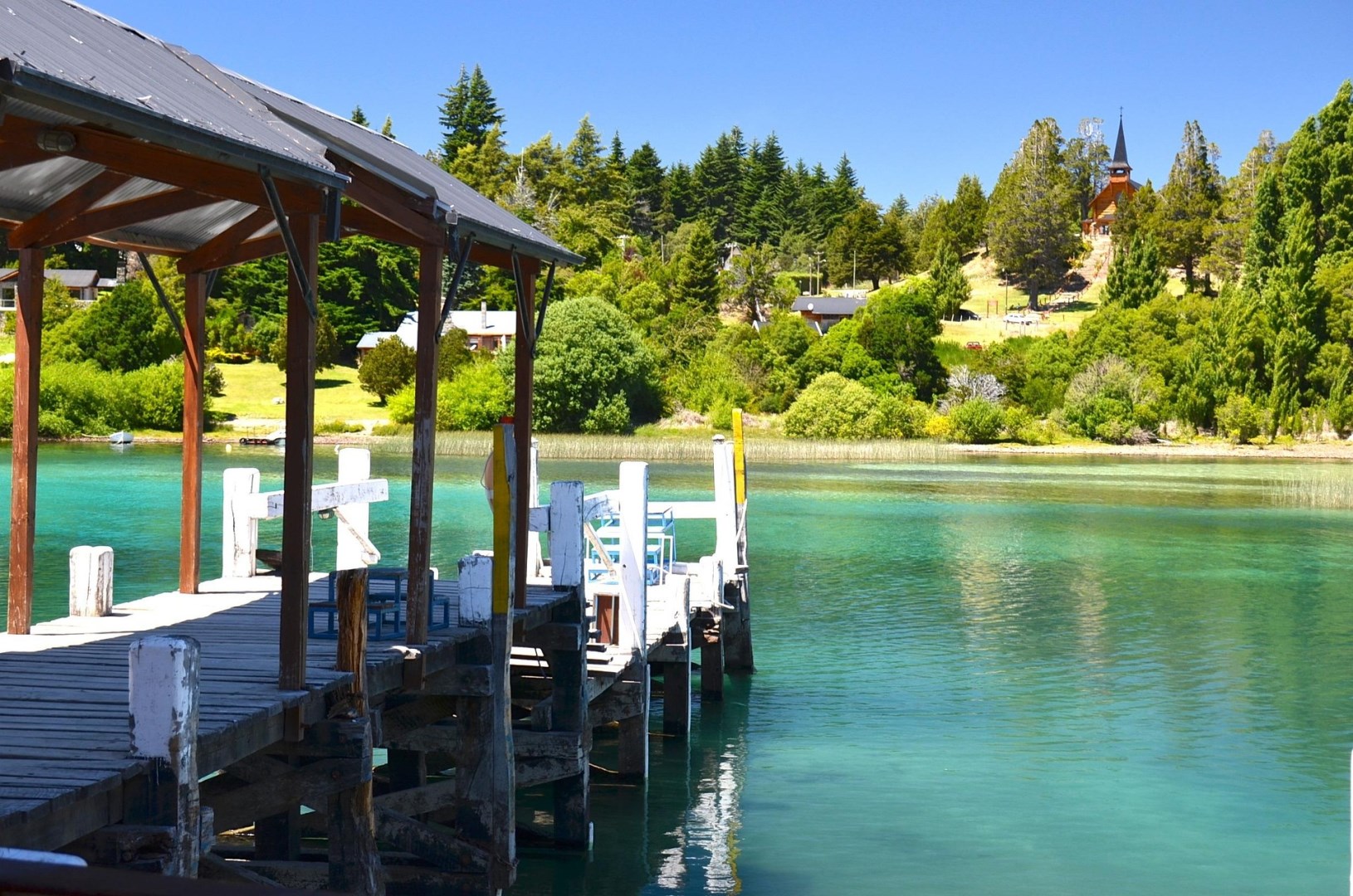
Bariloche
Bariloche, tucked into the foothills of the Andes in Argentina’s Patagonia region, is a town that feels both alpine and uniquely Argentine. With its wooden chalets, Swiss-style architecture, and chocolate shops on every corner, many visitors are surprised to find a lakeside town that resembles parts of Europe. But Bariloche’s identity is all its own, shaped by deep indigenous roots, waves of immigration, and the striking presence of Lake Nahuel Huapi.

Beijing
Beijing, the capital of China, is a city where history and modern life intersect on a grand scale. Ancient landmarks like the Forbidden City, Tiananmen Square, and the Temple of Heaven reflect centuries of imperial heritage, while the Great Wall lies just outside the city, offering views of one of the most famous engineering feats in the world.
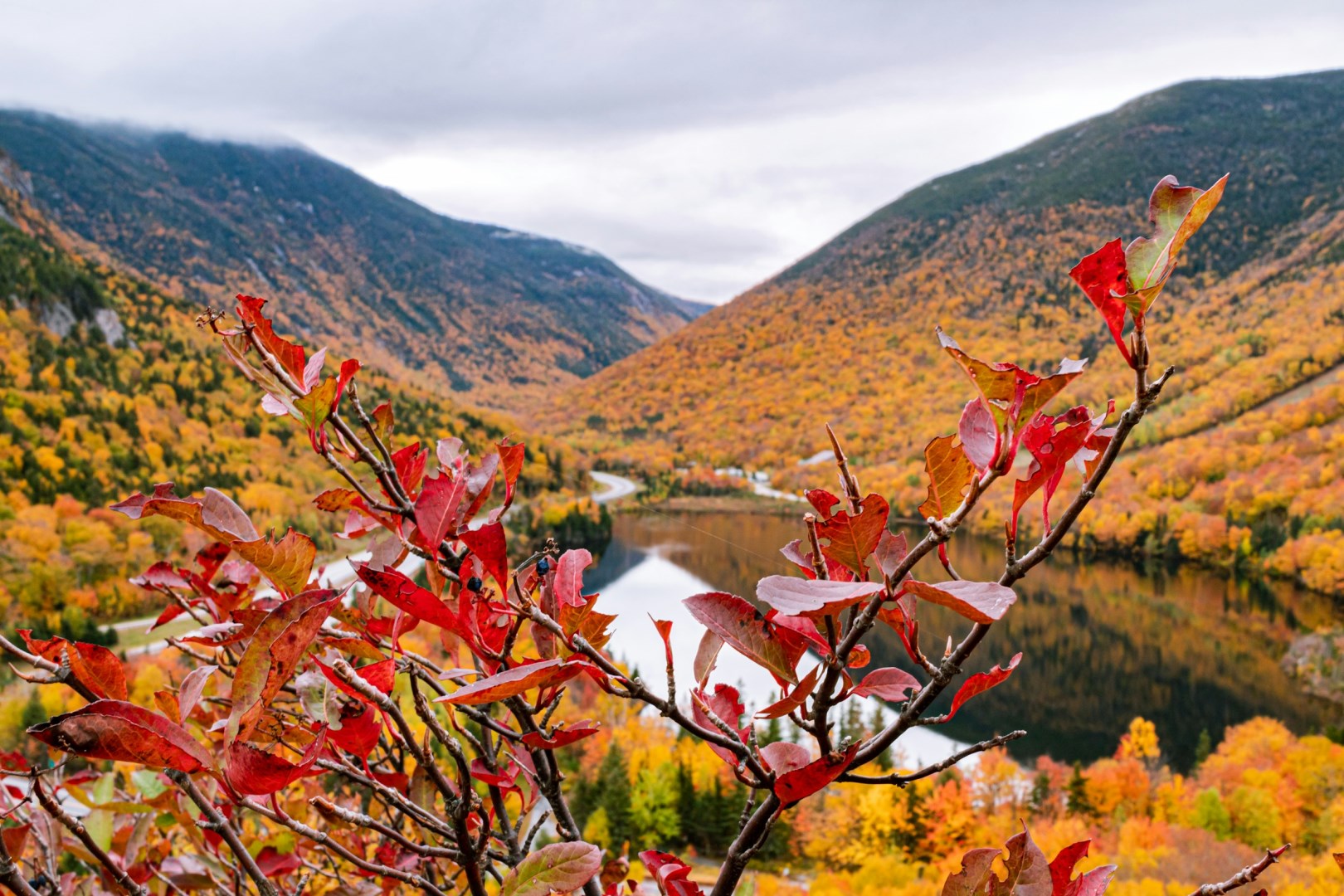
Franconia
Franconia is a small town in northern New Hampshire set within the White Mountains, with a landscape shaped by steep forested slopes, mountain valleys, and the Pemigewasset River. The town is closely associated with Franconia Notch, a dramatic mountain pass that separates the Kinsman and Franconia ranges. Its location places it near several of the region’s best-known natural landmarks while retaining a distinct village identity.
