

Guerrero
Pacific coast Mexican state highlighted by the popular city of Acapulco, with its vibrant nightlife and beaches.
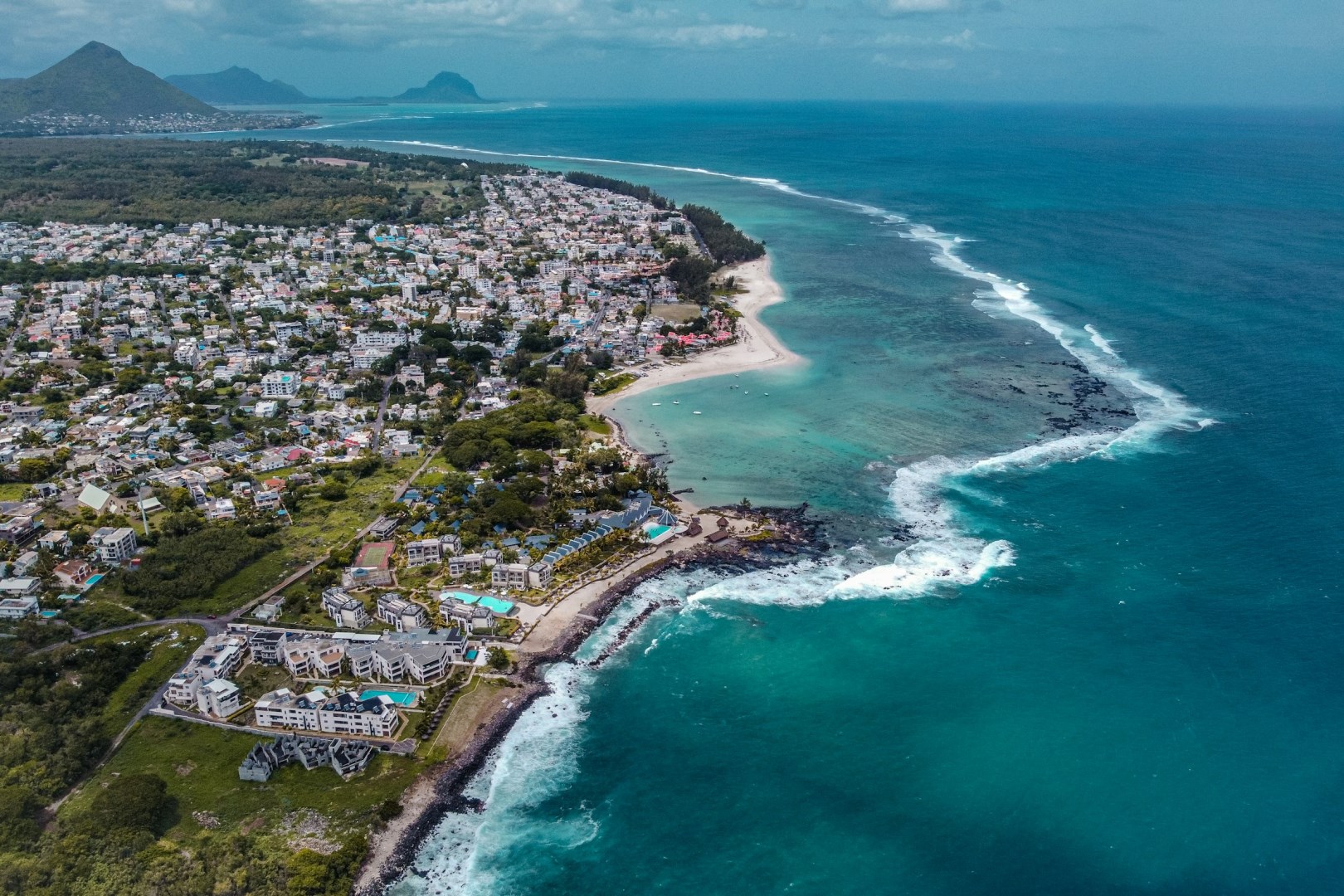
Flic En Flac
Flic en Flac is a coastal town on the western side of Mauritius, overlooking a sheltered lagoon protected by a coral reef. It is known for its long sandy beach, calm coastal waters, and views toward the open Indian Ocean. The town has grown from a small fishing settlement into one of the island’s established seaside communities, while fishing and boating remain visible along the coast.
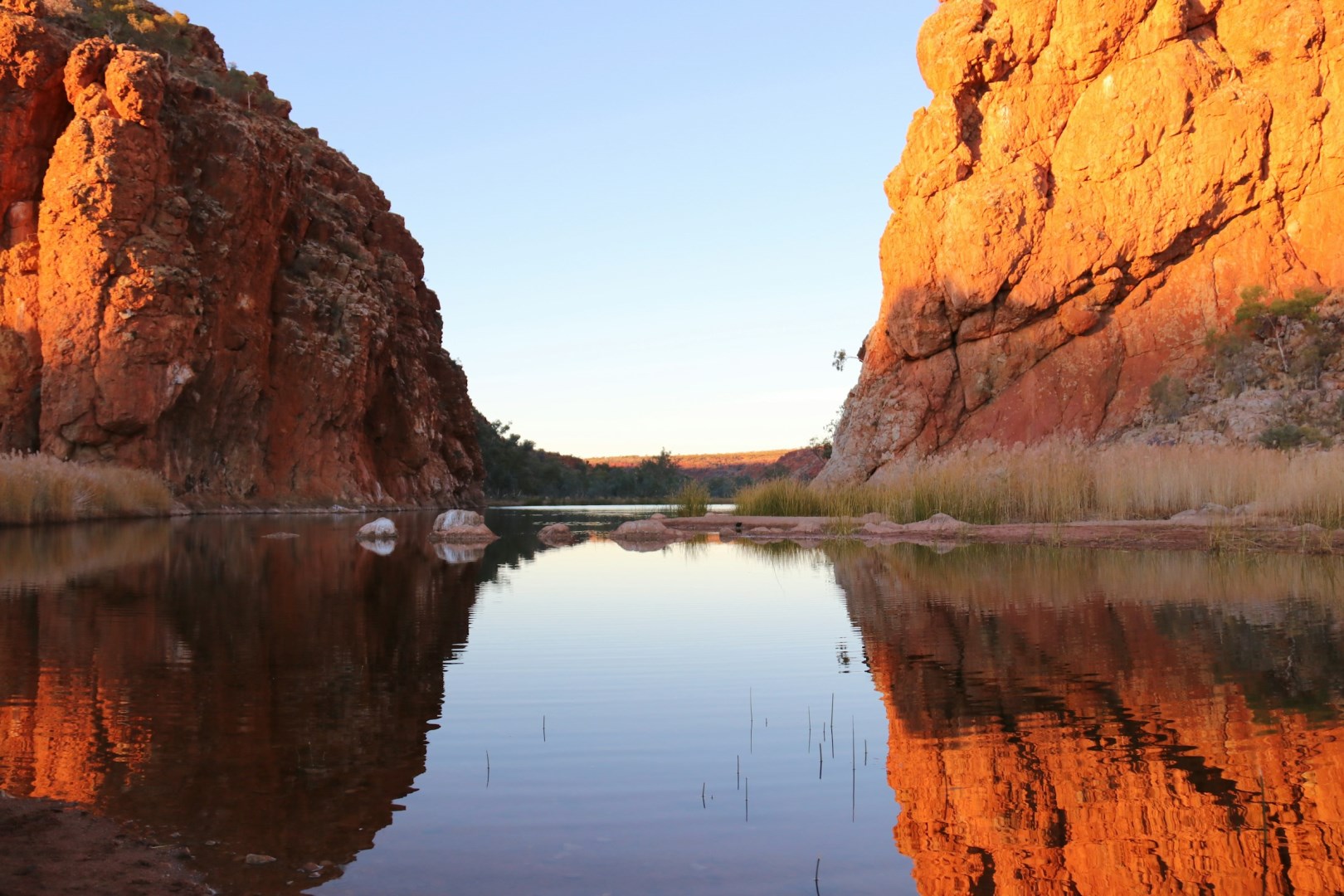
Tjoritja / West MacDonnell National Park
Tjoritja / West MacDonnell National Park lies west of Alice Springs in the Northern Territory, extending for about 161 kilometres along the rugged West MacDonnell Ranges. The park is known for red quartzite ridges, steep-sided gorges, dry riverbeds, and permanent waterholes that provide important refuges for plants and animals. Its landscapes are part of a much older geological setting shaped by erosion and changing climates.
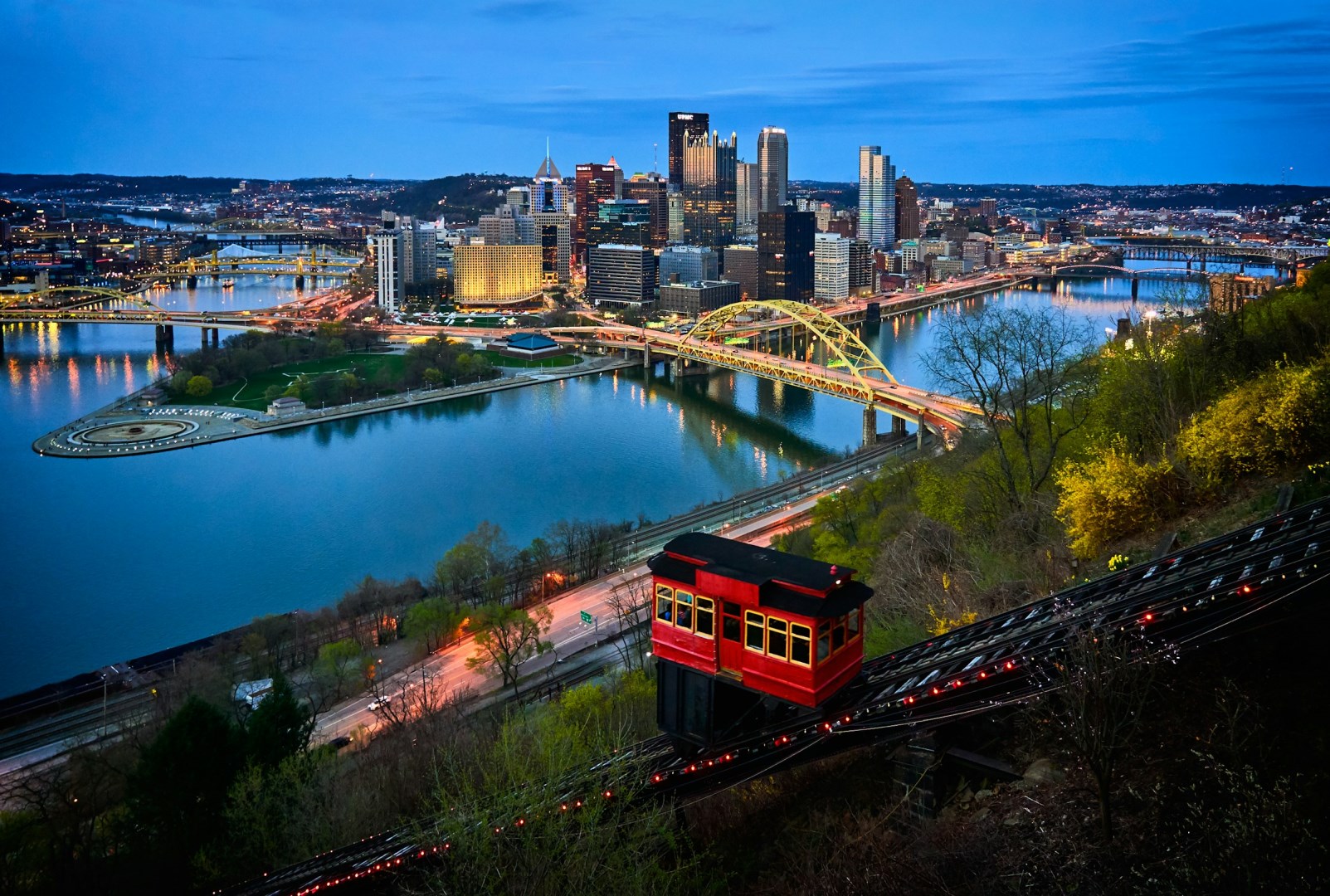
Pittsburgh
Located in Pennsylvania, Pittsburgh is one of the oldest cities in the nation.
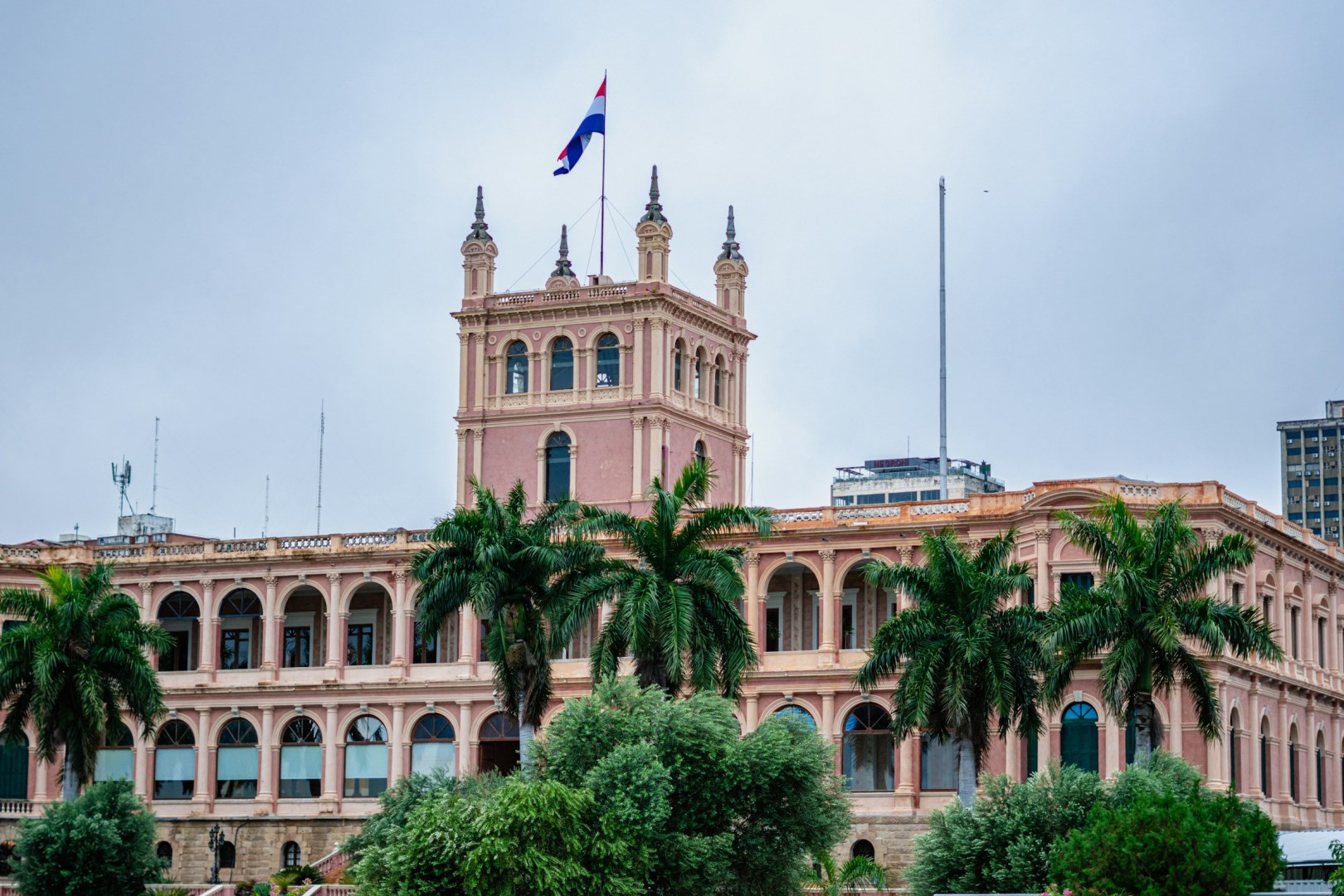
Asunción
The capital, 450-year-old Asuncion ("Mother of Cities") merits a visit of unhurried nights - that way, you'll have time to sit in the main square and people-watch. The shopping in this grand city of 729,000 is the finest the country offers, and the cathedral and archaeological museum are both highlights. The governmental architecture is interesting; don't miss the Congressional Palace, Customs House and Government Palace (in the style of the Louvre).
