
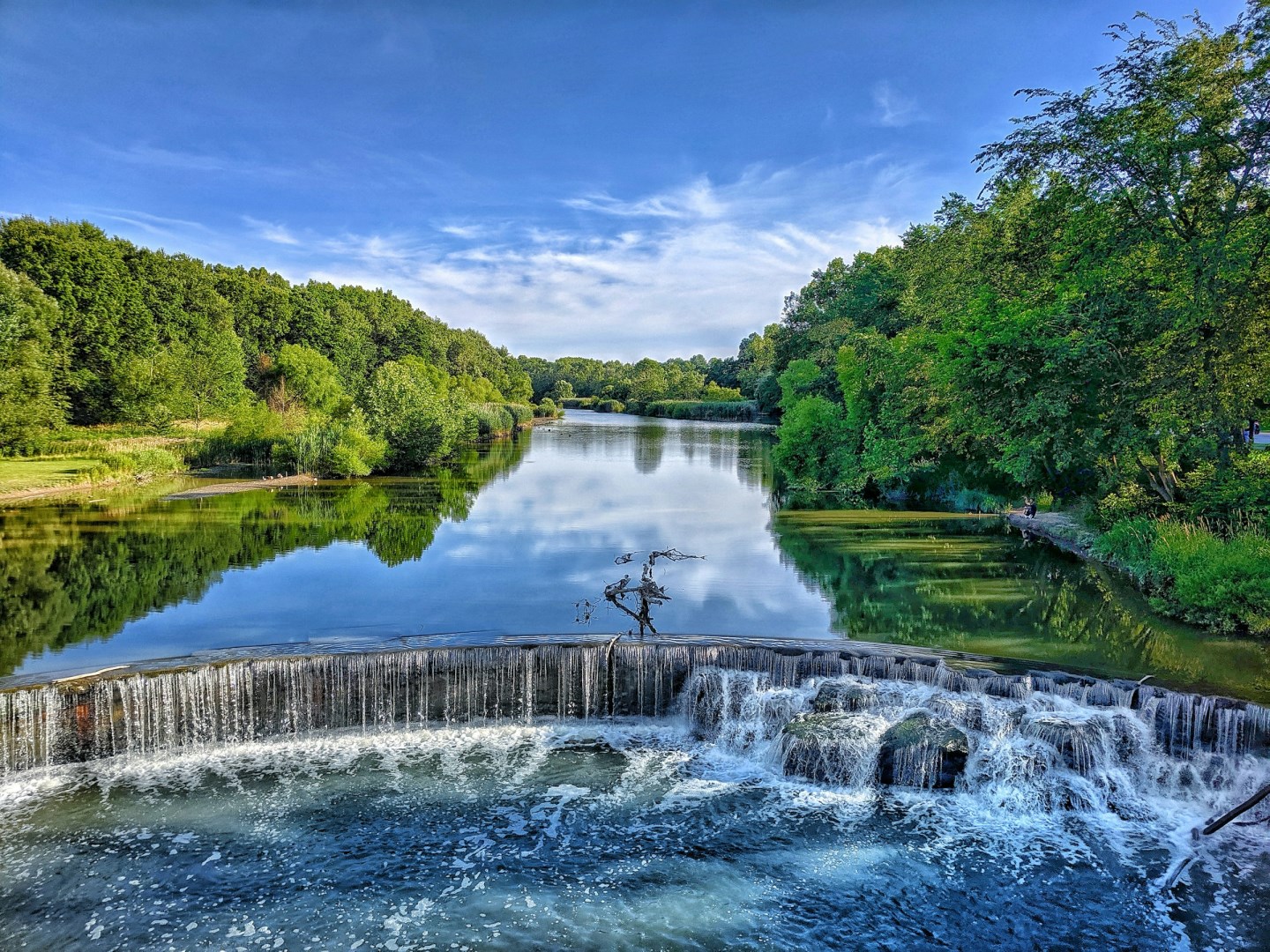
Ohio
Ohio offers a blend of surprises that range from ancient earthworks to world-class roller coasters. In the southern part of the state, the newly designated Hopewell Ceremonial Earthworks tells the story of a sophisticated Native American culture that built massive geometric mounds over 2,000 years ago. Visitors can walk among these quiet, grassy structures and learn how they were used for ceremonies, astronomy, and social gatherings long before European contact.
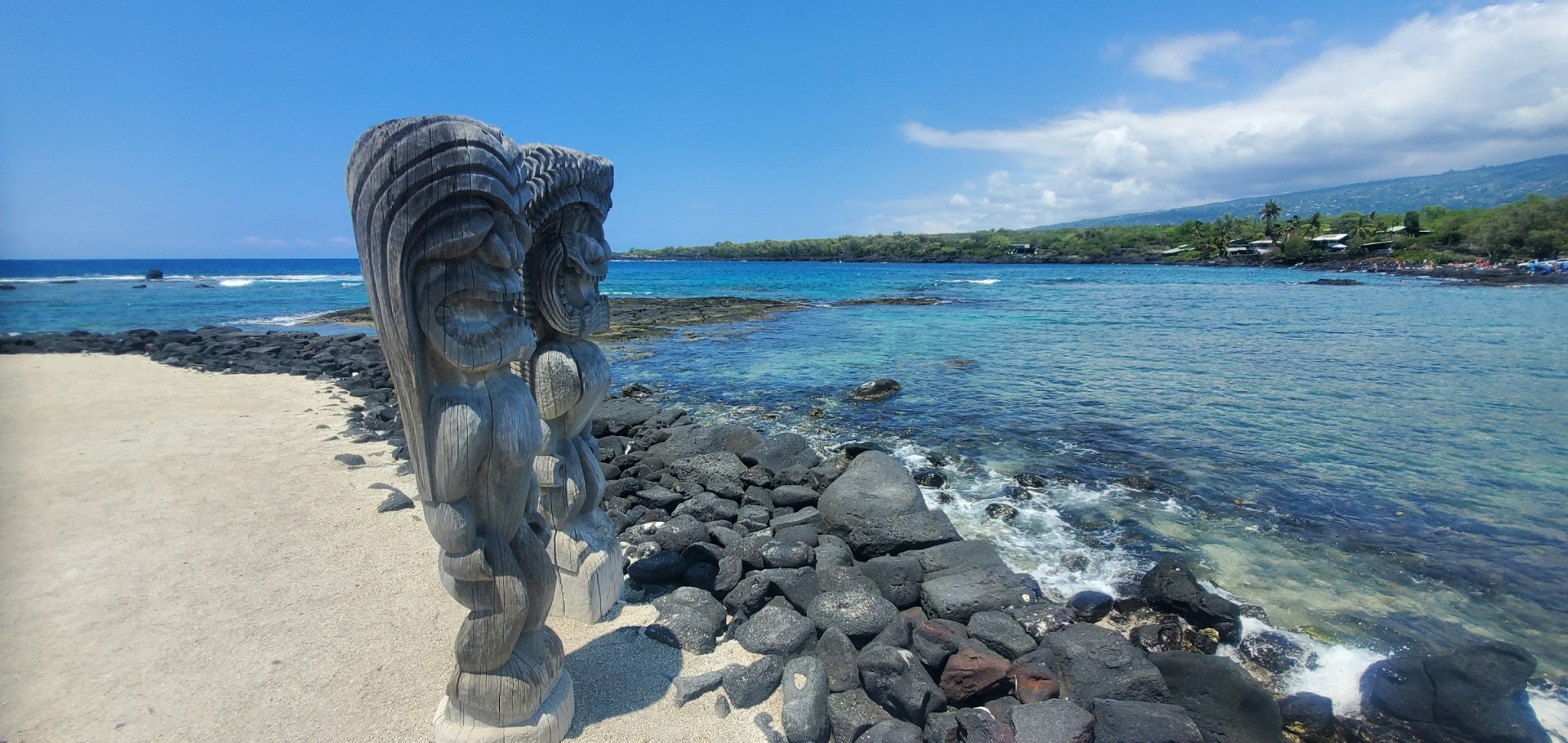
Island of Hawai'i
Hawaii Island, also known as the Big Island, is a place where natural wonder and cultural heritage converge in breathtaking ways. The island’s diverse landscapes span black sand beaches, verdant rainforests, and snow-capped mountains. Volcanoes National Park is a must-see destination where visitors can witness the power of Earth’s creation at the Kīlauea and Mauna Loa volcanoes, two of the most active in the world.

Saxon
Surrounded by dramatic Alpine scenery, Saxon has long been known for its orchards and vineyards, benefitting from the region’s sunny microclimate.

Grand Bahama Island
One of the most beautiful islands in the Bahamas, Grand Bahama Island is home to the renowned capitol city of Freeport/Lucaya. Grand Bahama Island offers lovely beaches, three national parks, a variety of natural wonders including an extensive system of underwater caves, and a vast array of marine life. The towns on the island range from the small and peaceful to the resort-filled city with its casinos and Bahamas entertainments.

Machu Picchu
Machu Picchu is a story carved into stone, perched nearly 2,500 meters above sea level in the cloud forests of southern Peru. Built in the 15th century and later abandoned, this Inca citadel was unknown to the outside world until 1911, when explorer Hiram Bingham brought it to international attention. Today, it remains remarkably well-preserved, with more than 150 stone structures, terraced fields, ceremonial fountains, and temples aligned with astronomical events.
