
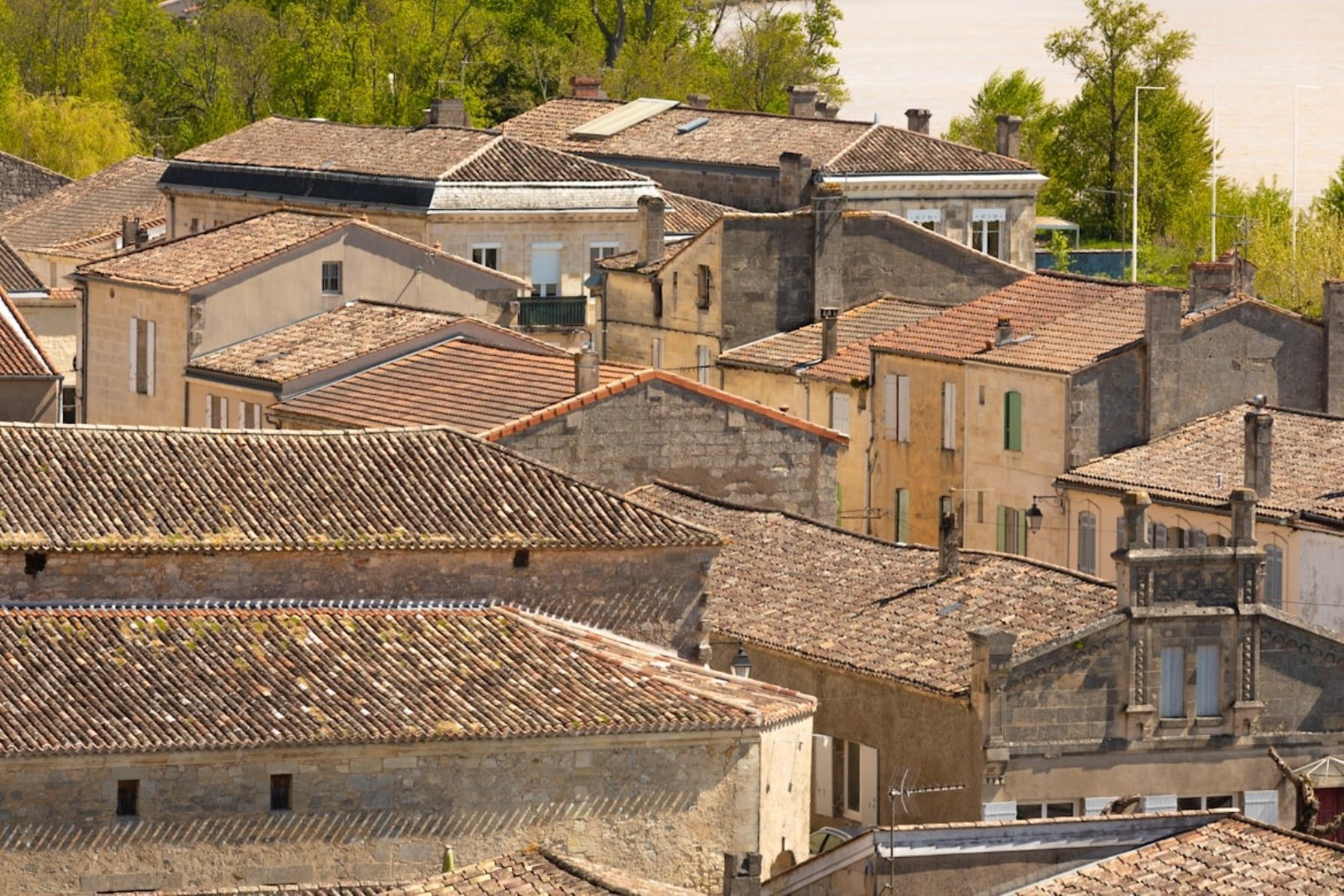
Bourg
Bourg is a small riverside town set along the Dordogne estuary in southwestern France. Its position above the water gives it a quiet but strategic presence, with stone houses rising along narrow lanes that lead toward the harbor. One of Bourg’s most intriguing features lies beneath its streets. Guided visits reveal hidden staircases, carved stone rooms, and cool corridors that offer a completely different perspective from the sunlit streets above.
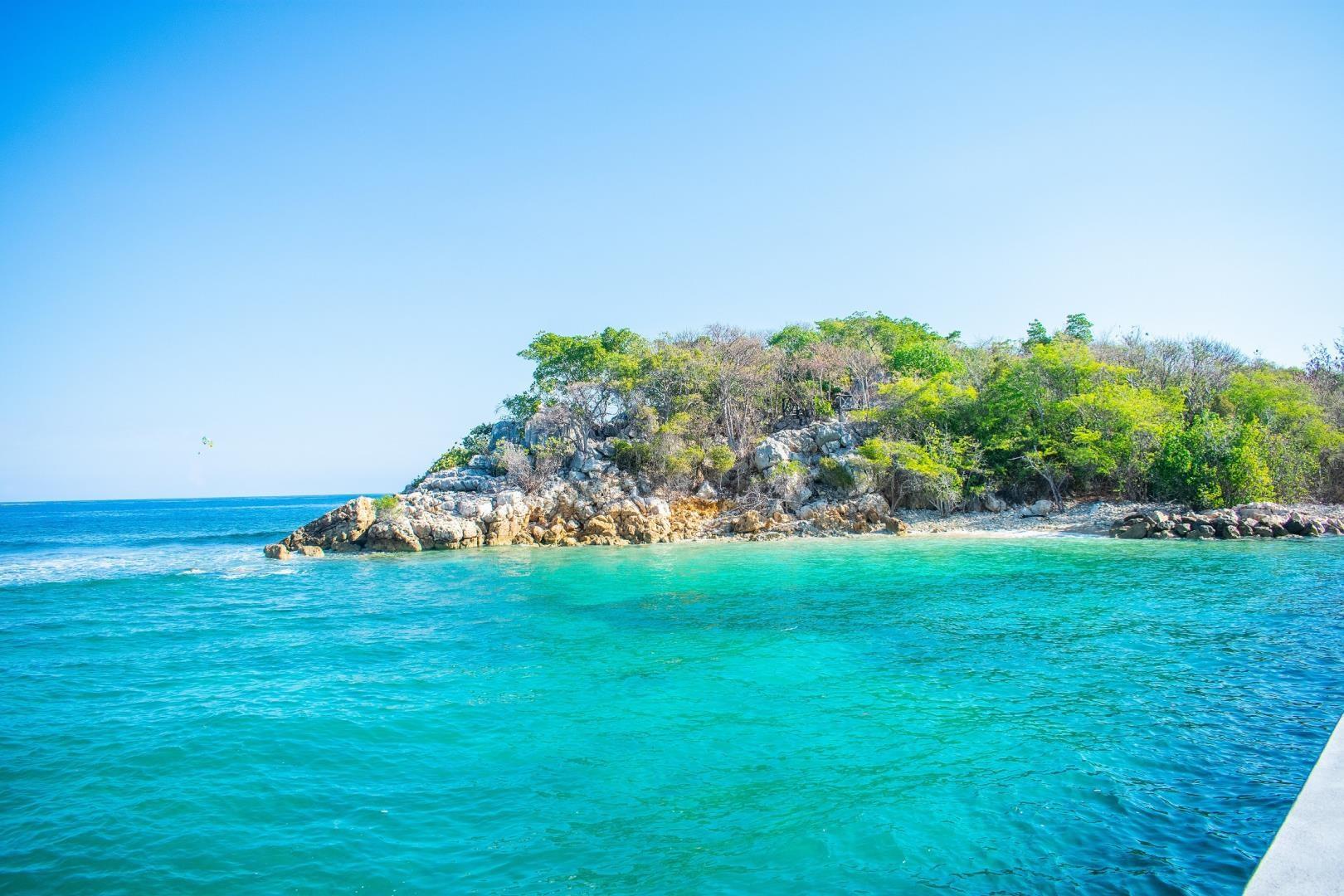
Labadee
Labadee, a private peninsula on Haiti’s northern coast, is an exclusive destination for Royal Caribbean cruise guests. Surrounded by dramatic green mountains and the sparkling waters of the Caribbean Sea, it offers a mix of natural beauty and curated resort-style amenities.

Borgarfjörður
Borgarfjörður, nestled in the heart of West Iceland, offers a captivating blend of natural beauty and cultural heritage. The fjord, surrounded by dramatic mountains and lush green landscapes, provides a picturesque setting for outdoor enthusiasts and nature lovers. One of the highlights of the area is the magnificent Hraunfossar waterfalls, where crystal-clear water cascades over lava fields into the Hvítá River, creating a breathtaking spectacle.
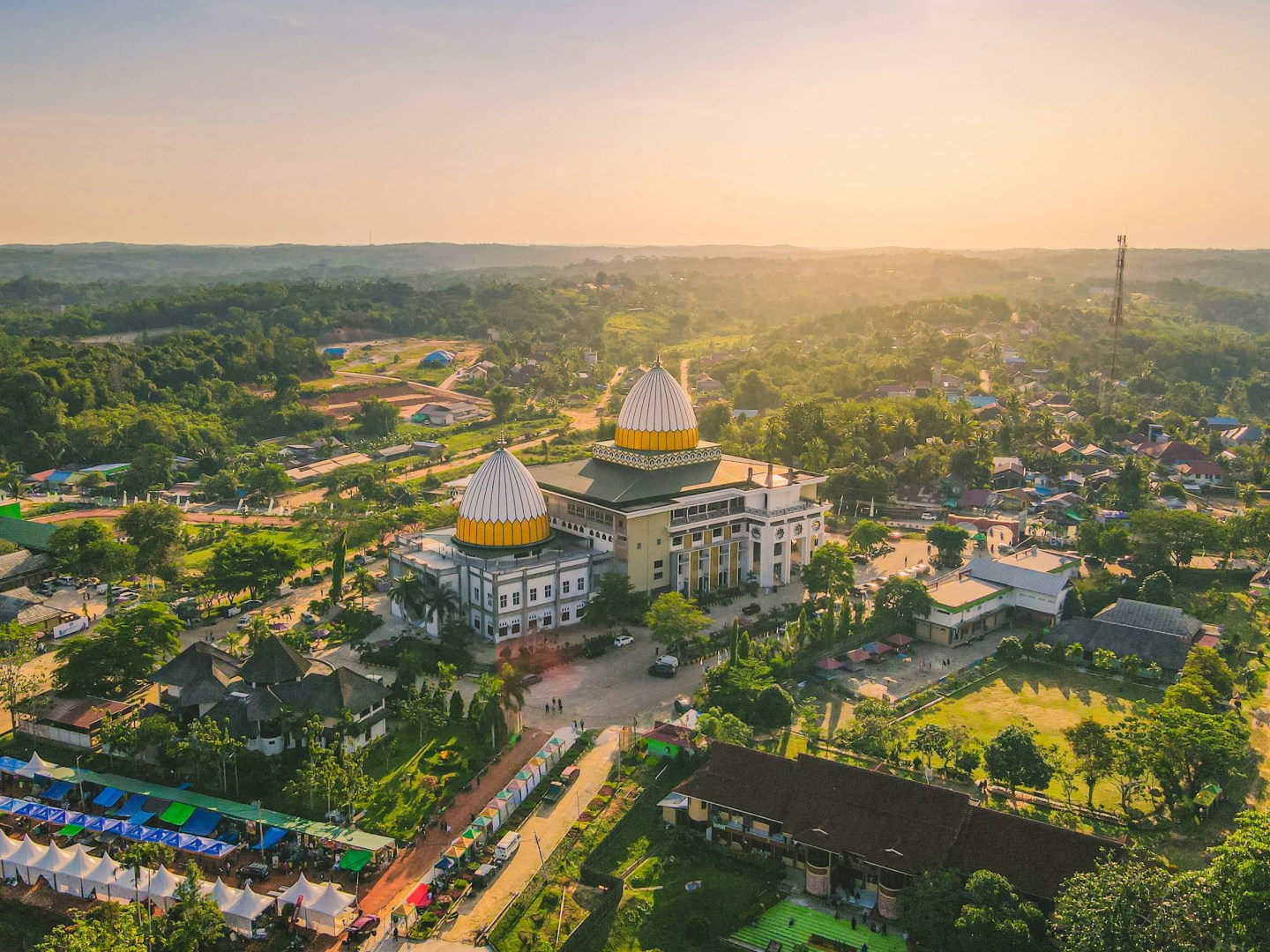
Balikpapan
Located in southeast Borneo on the inlet of Makassar Strait. It is a major port and oil center for Indonesia.
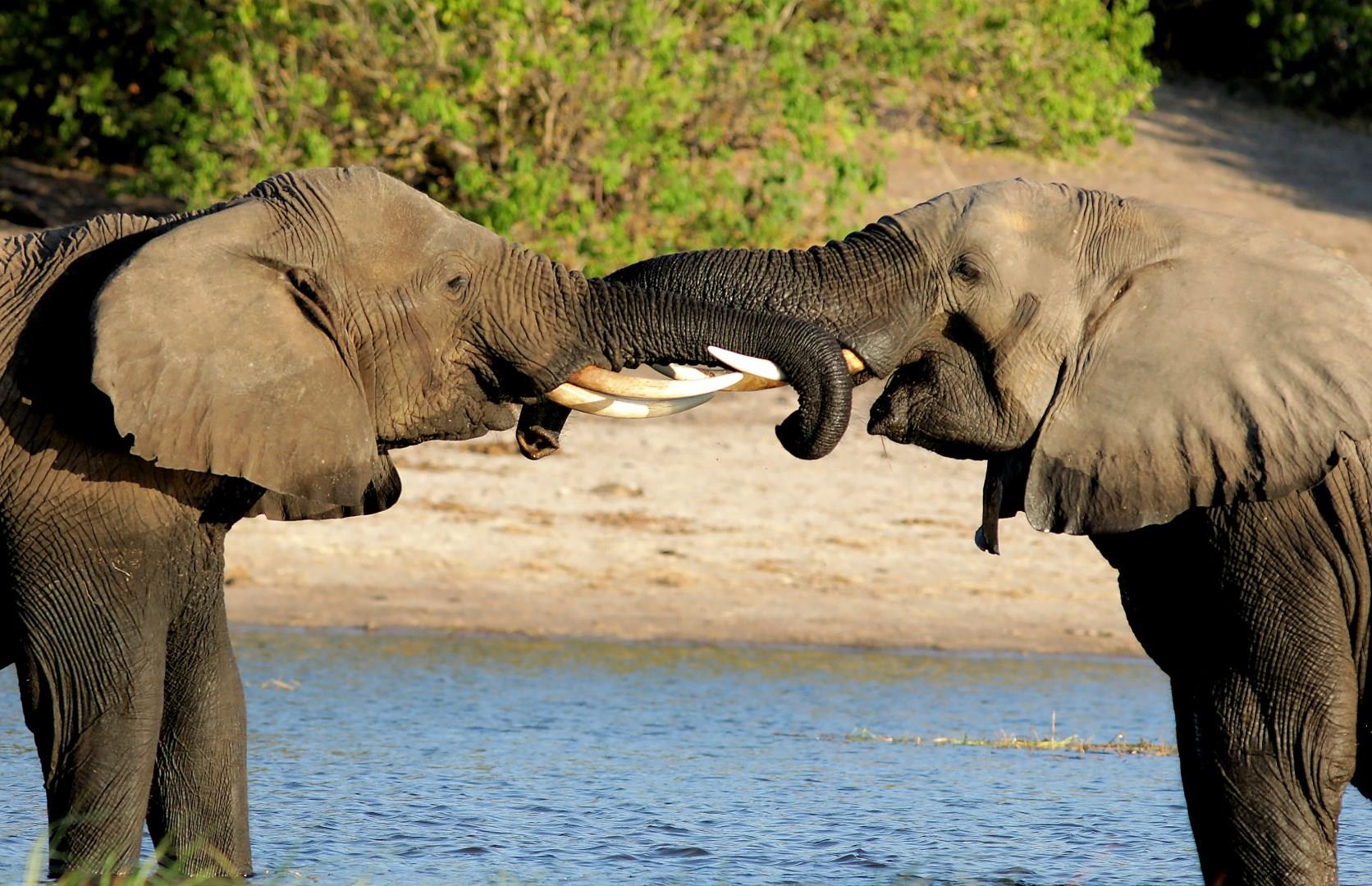
Kasane
Kasane sits at Botswana’s northeastern edge, where the Chobe River meets the borders of Namibia, Zambia, and Zimbabwe. Its development is closely tied to river transport, regional trade, and wildlife management.
