

Dubai
Dubai is a grandiose, extraordinarily modern metropolis in the United Arab Emirates. Visitors will marvel at the dramatic skyline, the musical Dubai Fountain and the manmade archipelago right offshore that features a major resort.

Aberdeen
ABERDEEN -- Scotland's third-largest city (pop. 187,000) is characterized by buildings of beautiful white granite. Set beside the North Sea, Aberdeen is both a university town and the capital of the Scottish oil boom. It is also one of Scotland's largest seaside resorts (though its appeal is confined to those who like their water well-chilled).

Portree
North of Sligachan the road first rises and then dips down into Portree - the main town on Skye. With its natural harbor and open perspective, Portree is a pleasant village and offers visitors a fine range of local services, accommodation and things to do.
County Carlow
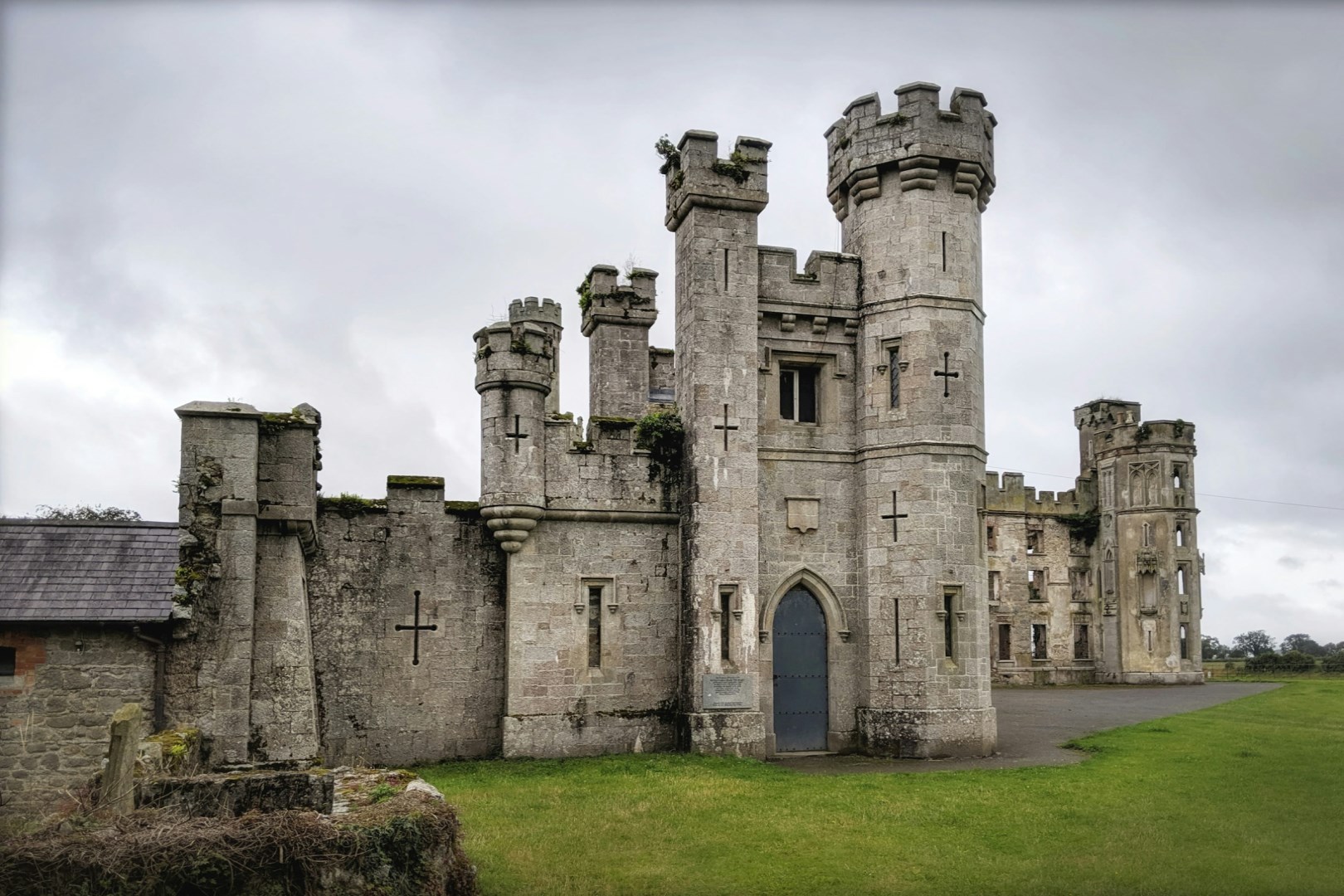
A most pleasant and picturesque county, famed for its scenic beauty. Bordered by the Blackstairs Mountains and Mount Leinster, the county is divided by the rivers Barrow and Slaney. There are many historical monuments and castles. Recreations include Golf, Tennis, Fishing, Shooting, Rowing, River Cruising, Swimming, Hunting and Climbing.
Island of Flores
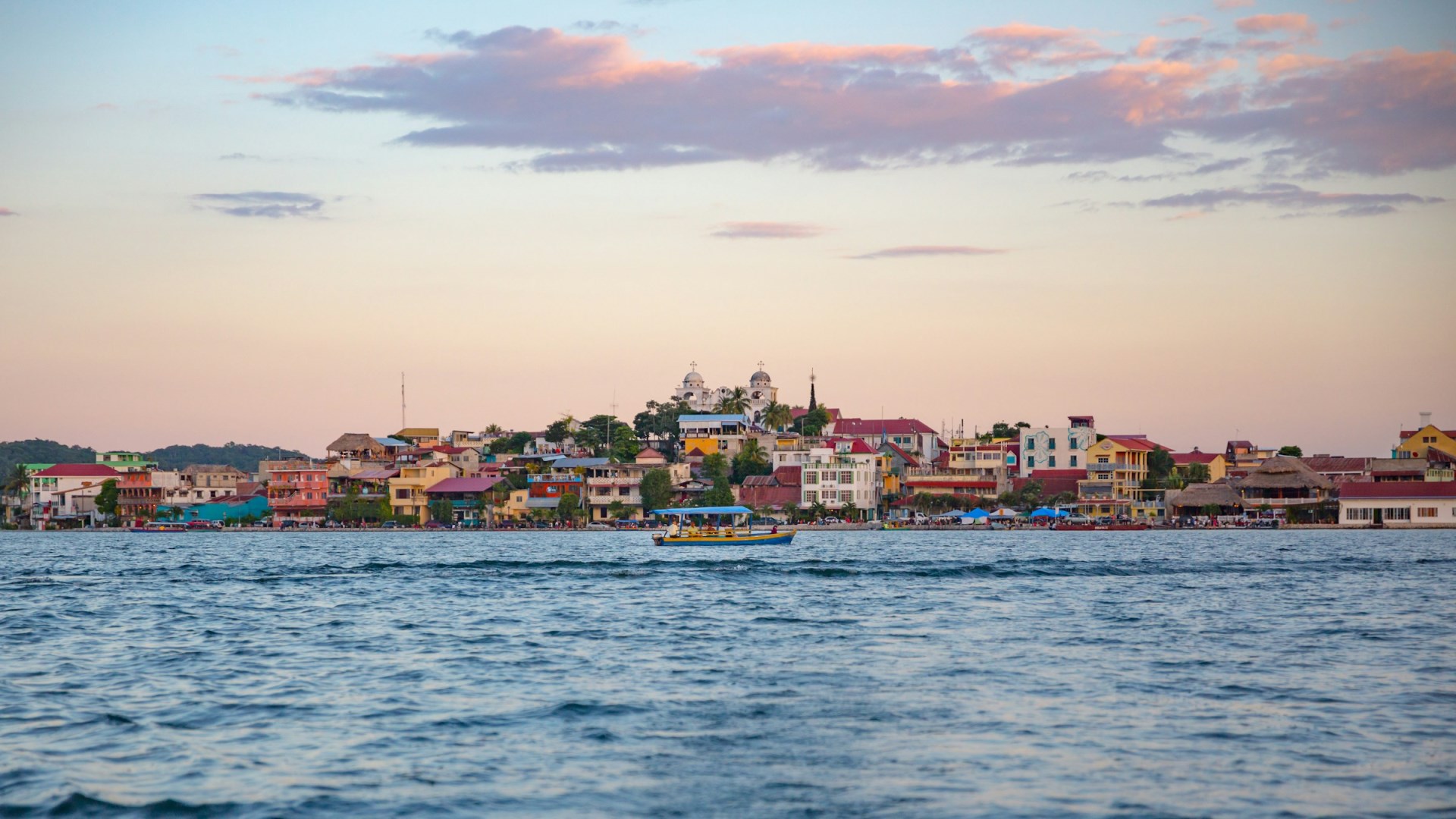
This charming island town acts as a gateway to the ancient Mayan ruins of Tikal National Park. Known for its brilliantly colored buildings, visitors can spend numerous hours relaxing in restaurants, cafes, and pubs, savoring the flavors of Mayan and Spanish-influenced dishes. Surrounded by Lake Peten Itza and vibrant rainforest, water sports and nature ventures are a must!
