

South Korea
South Korea is a land where ancient traditions live alongside futuristic cities. From Seoul’s grand palaces and vibrant arts scene to the volcanic landscapes of Jeju Island and the tranquil reflection of rice paddies in rural valleys, the country balances its rich heritage with constant reinvention.

Kraków
Kraków lies in southern Poland along the Vistula River and serves as one of the country’s most recognized cultural centers. Its layout is shaped by a well-preserved historic core, with streets radiating from a large central square. The city retains a human scale, where daily life unfolds among historic buildings, universities, and markets. It stands apart for its continuity of urban life, where medieval structures coexist with modern institutions without dramatic contrast.
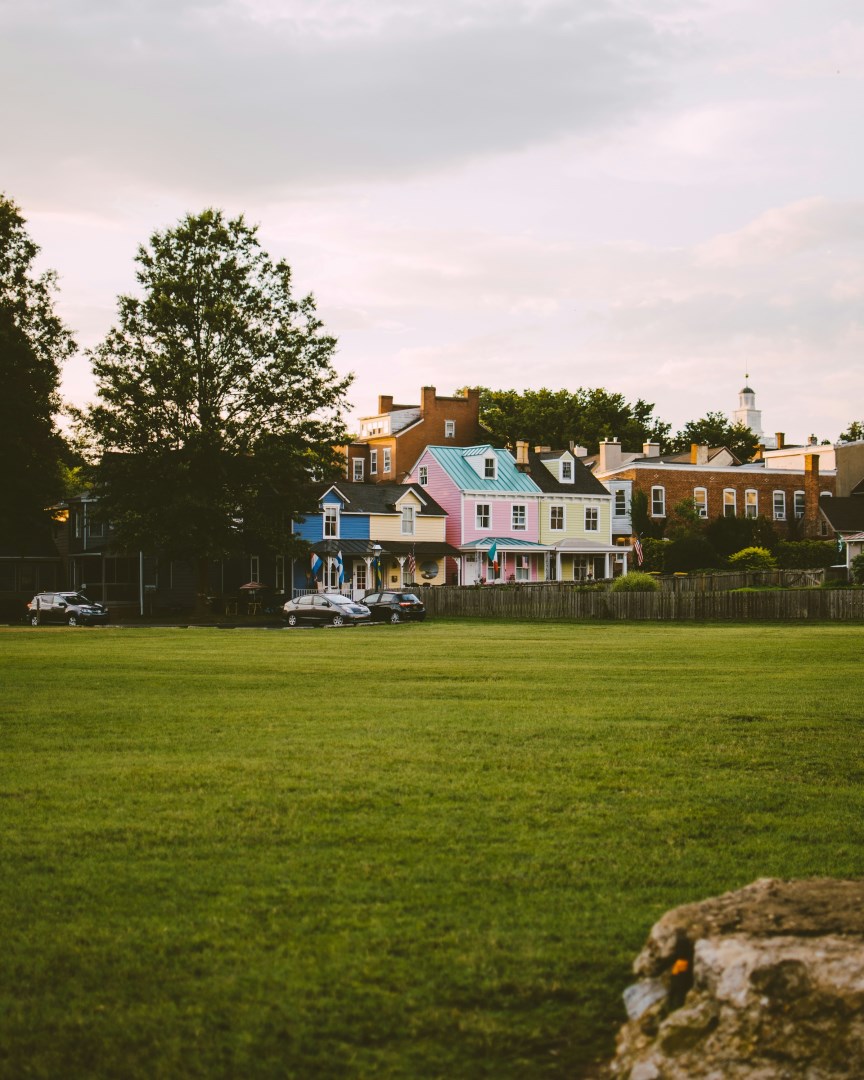
New Castle
New Castle, Delaware, is a hidden gem for history lovers and anyone seeking a picturesque, colonial-era experience along the Delaware River. Founded in 1651 by the Dutch, New Castle boasts an impressive collection of well-preserved 17th and 18th-century buildings that tell the story of early American history.
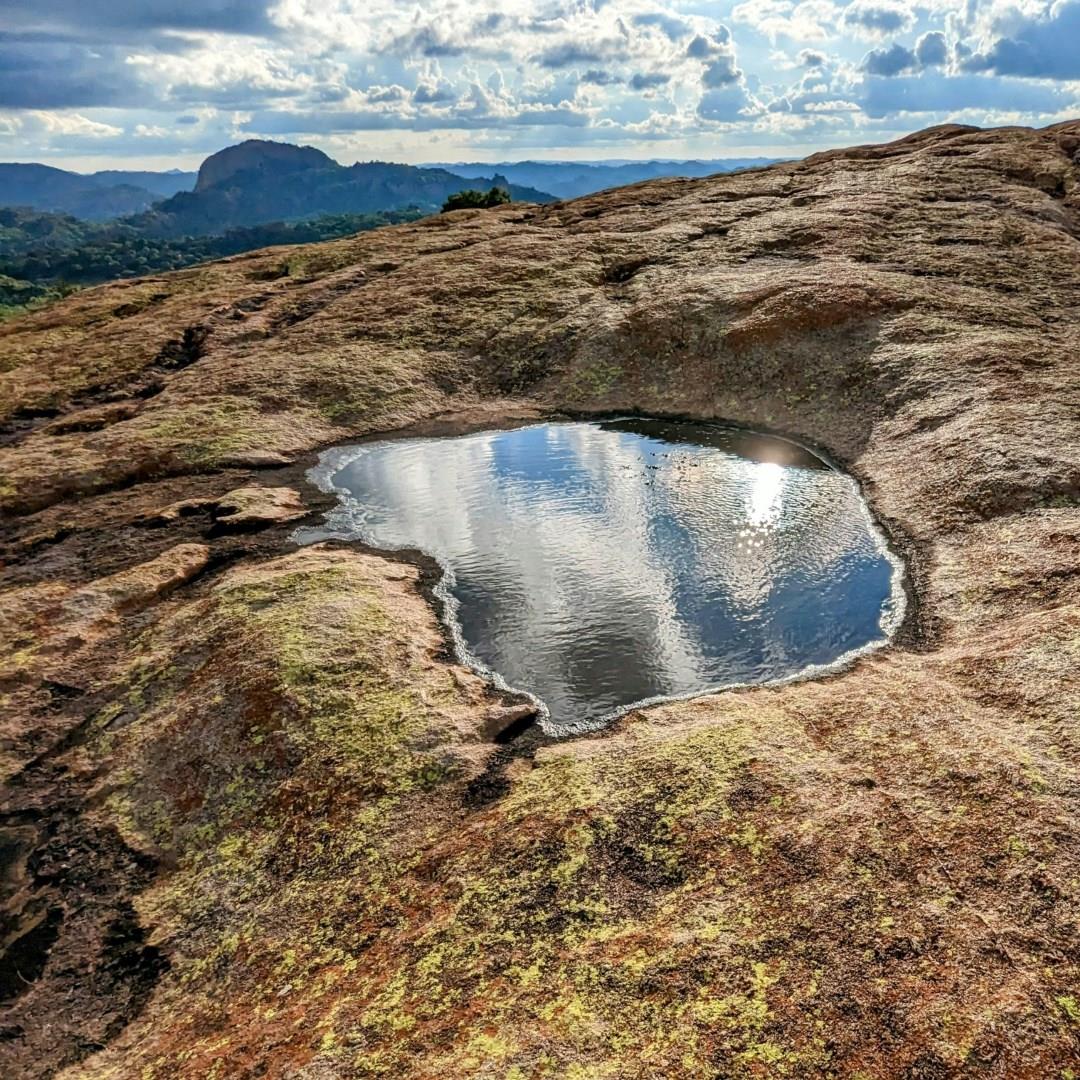
Matobo National Park
Matobo National Park sits in the rolling hills of southern Zimbabwe stands as one of the country’s most remarkable landscapes. Its granite domes, balancing rocks and wooded valleys have formed over more than two billion years, creating a setting that feels both ancient and alive. As a UNESCO World Heritage cultural site, the park preserves a landscape that has shaped human life here for millennia, drawing travelers to explore its unusual terrain and storied past.

Montepulciano
Nestled in the rolling hills of Tuscany, Montepulciano is a quintessential Italian hill town that offers visitors a perfect blend of Renaissance architecture, fine wine, and stunning vistas. Famous for its Vino Nobile di Montepulciano, this town is a paradise for wine lovers. Touring local vineyards, such as Cantina Contucci, and sampling the region’s prestigious red wines is an experience that transports you into the heart of Tuscany’s wine heritage.
