
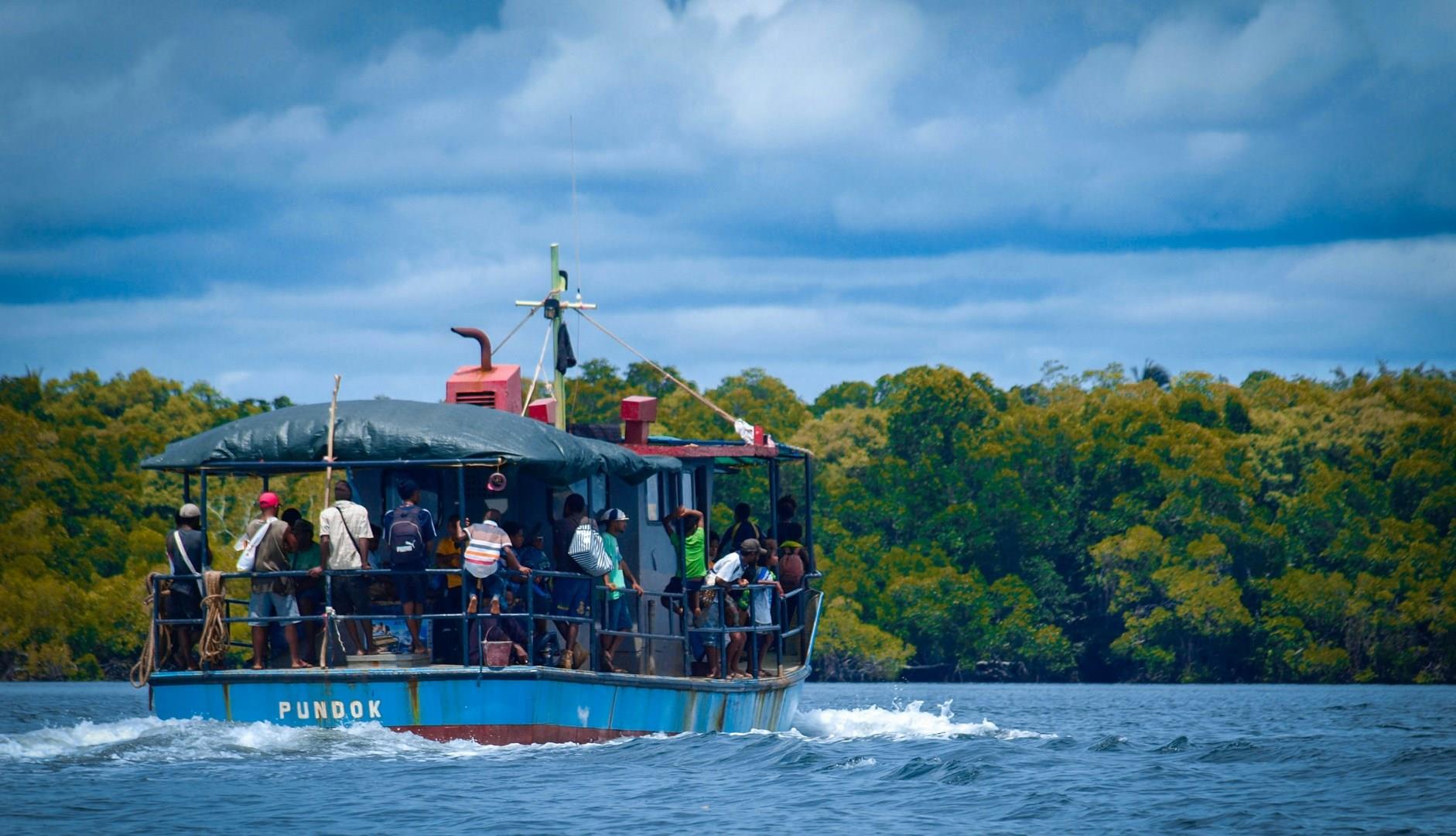
Madang Papua
Madang, perched on the edge of Astrolabe Bay, feels like a well-kept secret of Papua New Guinea that’s framed by lush jungles and dotted with volcanic isles. Every June, Madang pulses with energy at the annual Madang Festival. Villages from across the province gather for ceremonies where dancers don feathered costumes, shells, and body paint. The beat of kundu drums rises through the air and stories woven in movement.
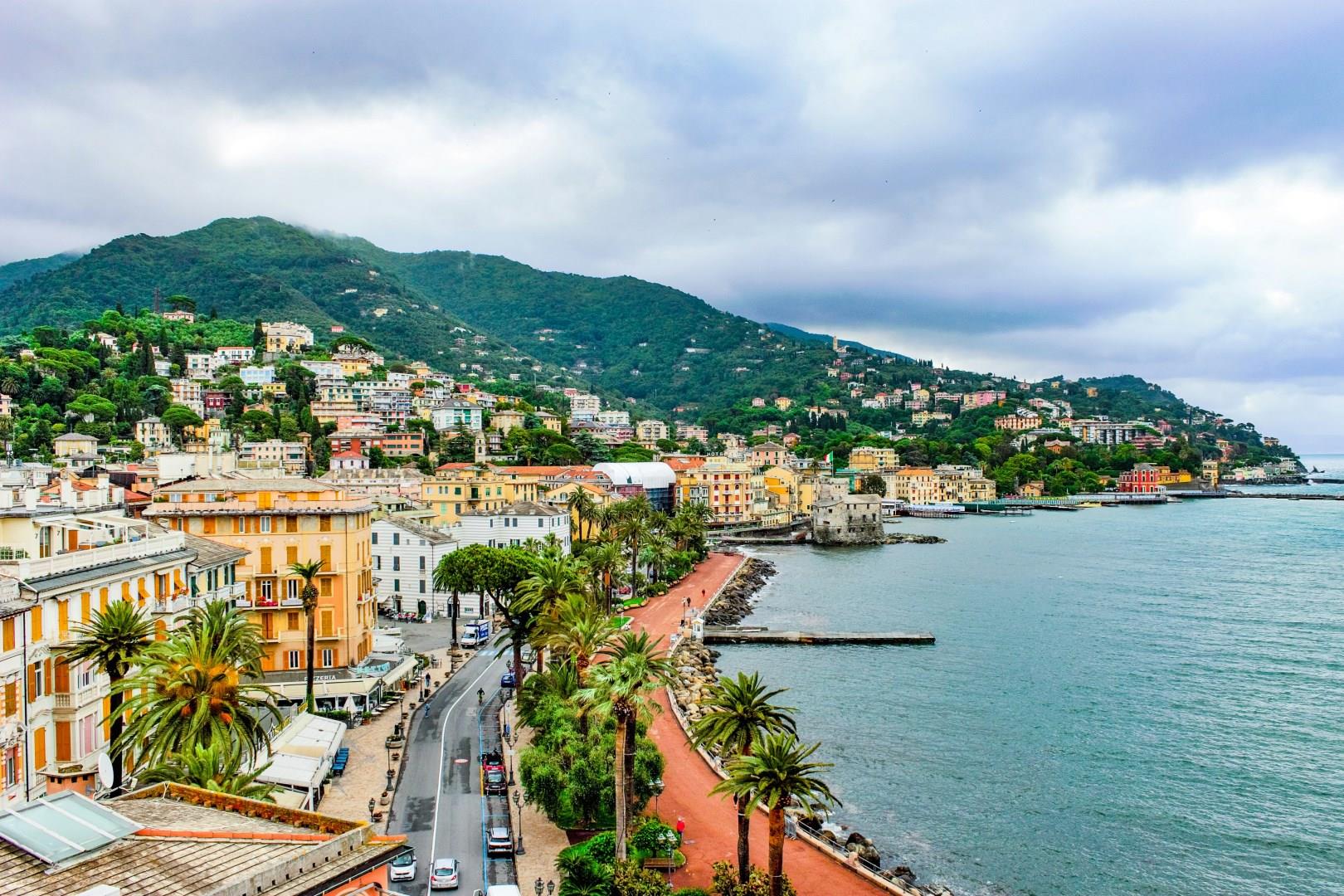
Rapallo
Rapallo, set along Italy’s Ligurian coast between Portofino and Chiavari, is a seaside town that combines history, elegance, and Riviera charm.
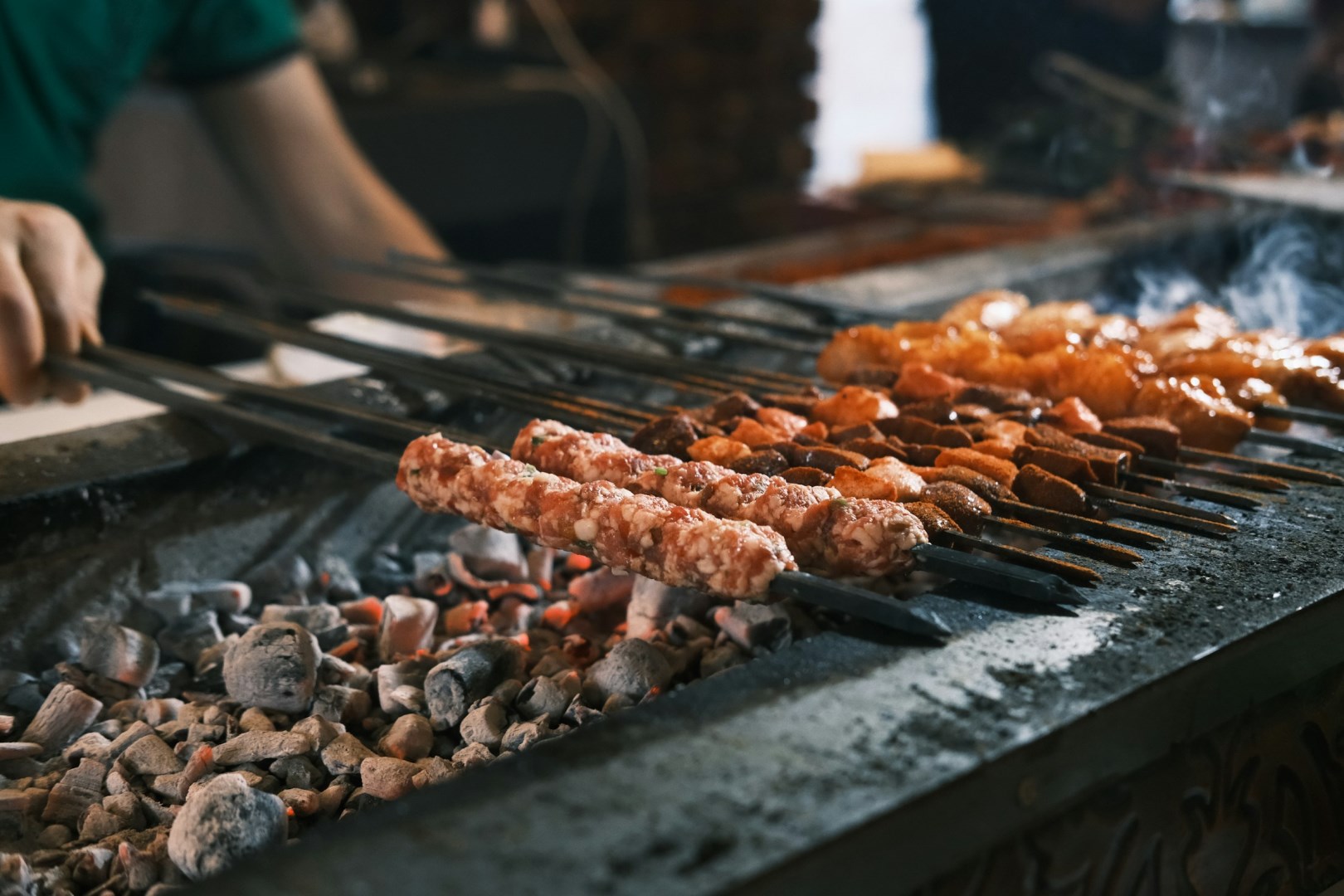
Diyarbakir
An Eastern city of Turkey, known in ancient times as Amida, spreads across a basalt plateau close to the banks of the Dicle River. The black basalt triple walls which encircle the old town give the city a rather ominous appearance.
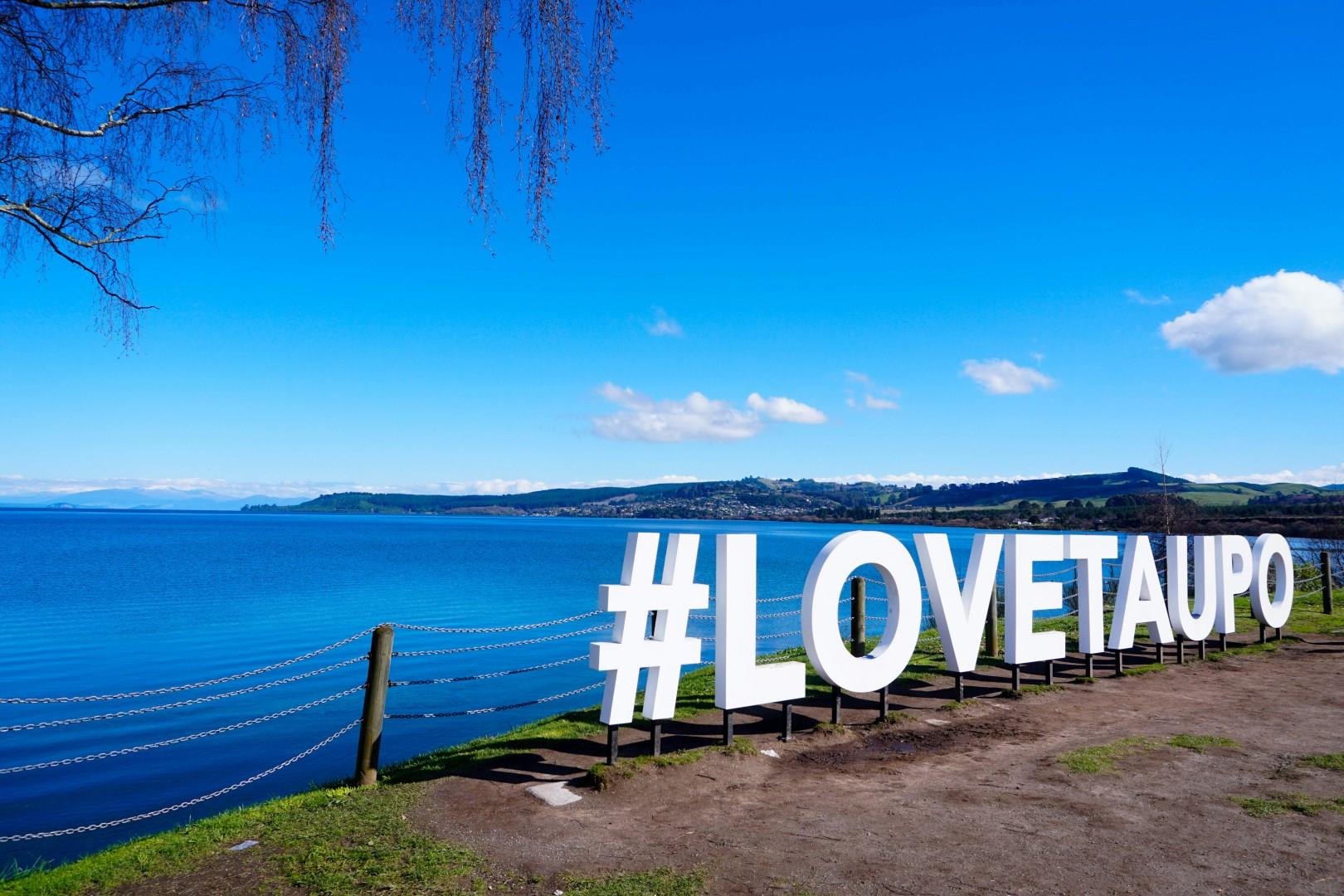
Taupo
Taupō, located in the heart of New Zealand’s North Island, is built along the shores of Lake Taupō, which is the largest freshwater lake in Australasia, formed nearly two thousand years ago by a massive volcanic eruption. That eruption was so powerful, it was recorded in ancient Chinese and Roman texts, even though it occurred halfway across the world. Today, the lake is calm, clear, and central to life in the region, offering everything from trout fishing to kayaking and lakeside cycling.
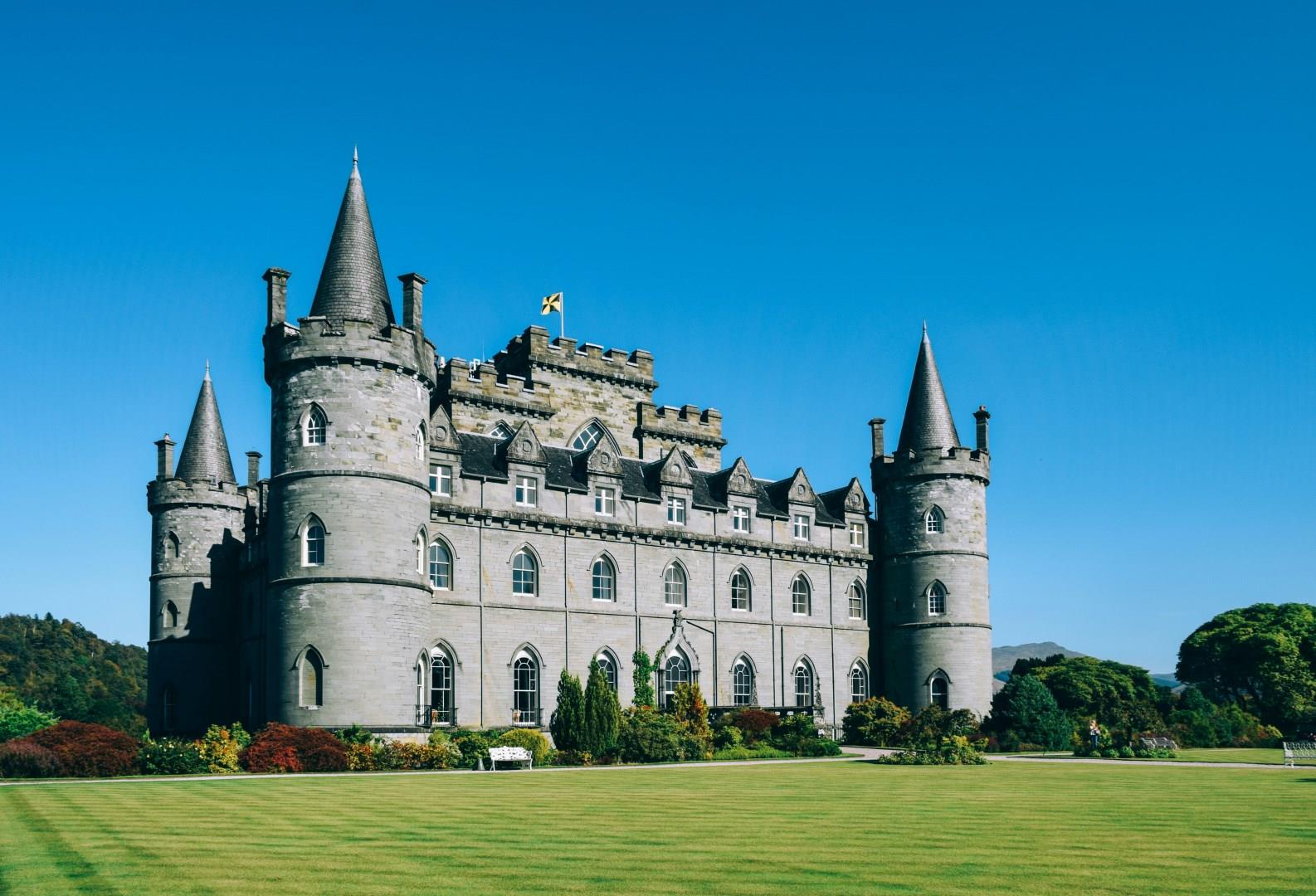
Inveraray
Inveraray, a small town on the western shore of Loch Fyne in Argyll and Bute, Scotland, offers visitors a glimpse into 18th-century planning and Highland heritage. Built largely in the mid-1700s under the direction of the 3rd Duke of Argyll, the town features Georgian architecture, wide streets, and an unusual level of symmetry for a rural Scottish settlement. The main street, lined with whitewashed buildings, leads down to the loch’s edge, where fishing boats and leisure vessels come and go.
