
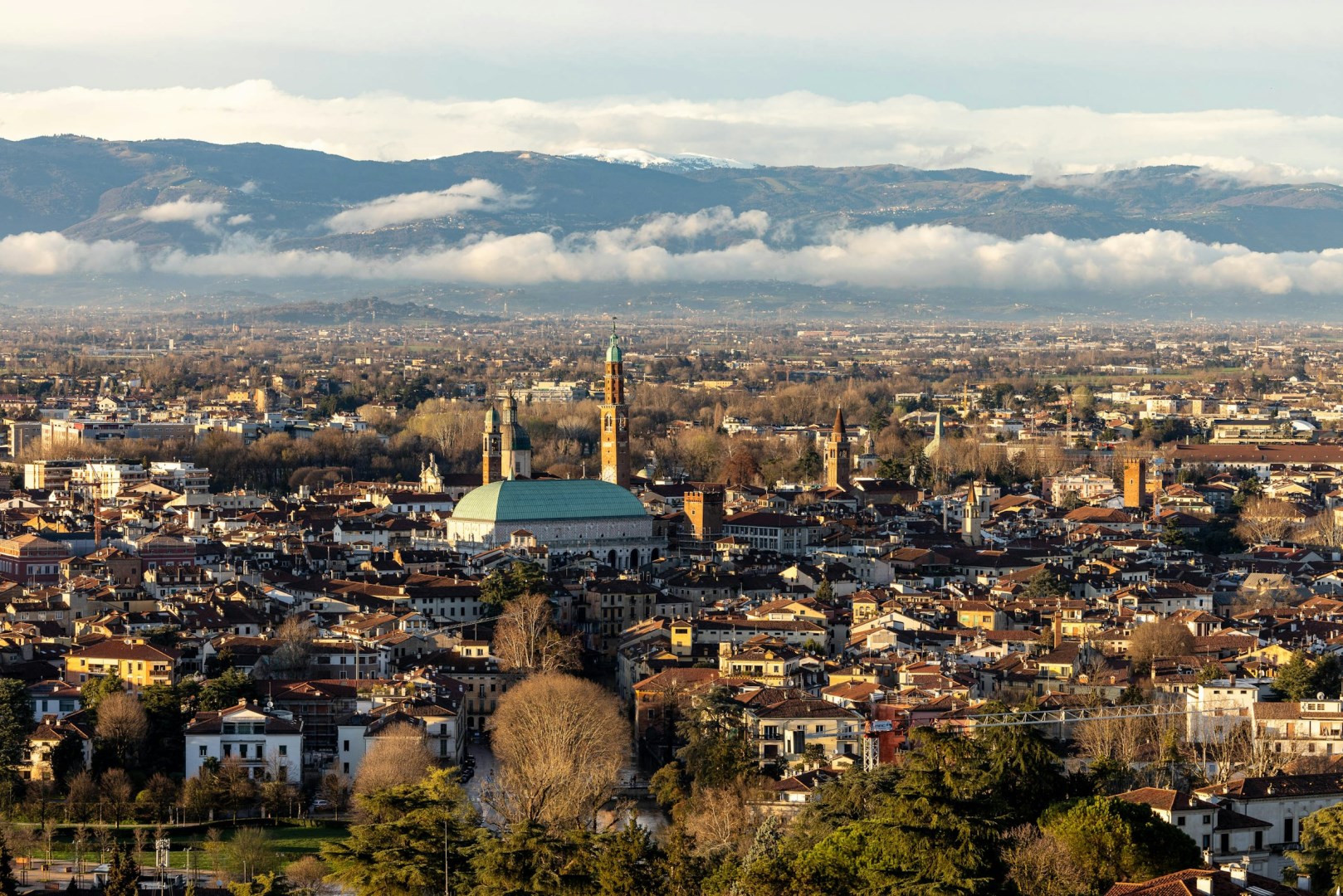
Vicenza
A little overshadowed by its close vicinity to such cities as Venice and Verona, Vicenza is known as a provincial city, tied up to the secular tradition of religiosity and conservatism, but also animated by an industriousness that has favored the development of great industries and innovative productive trends.

Istanbul
Istanbul is a city built on layers of empire. Spanning two continents, it was once the capital of three major empires: Roman, Byzantine, and Ottoman. Visitors walking through the Sultanahmet district can witness this timeline firsthand, from the Roman-era Hippodrome to the Byzantine mosaics of Hagia Sophia, and the towering minarets of the Blue Mosque. At nearby Topkapi Palace, rooms still display the jeweled swords, ceremonial robes, and handwritten Qurans once used by Ottoman sultans.

Juneau
Juneau's majestic sprawl and abundance of nature set it apart from most capital cities in America. Tourists arrive via air or water, many coming in on cruise ships.
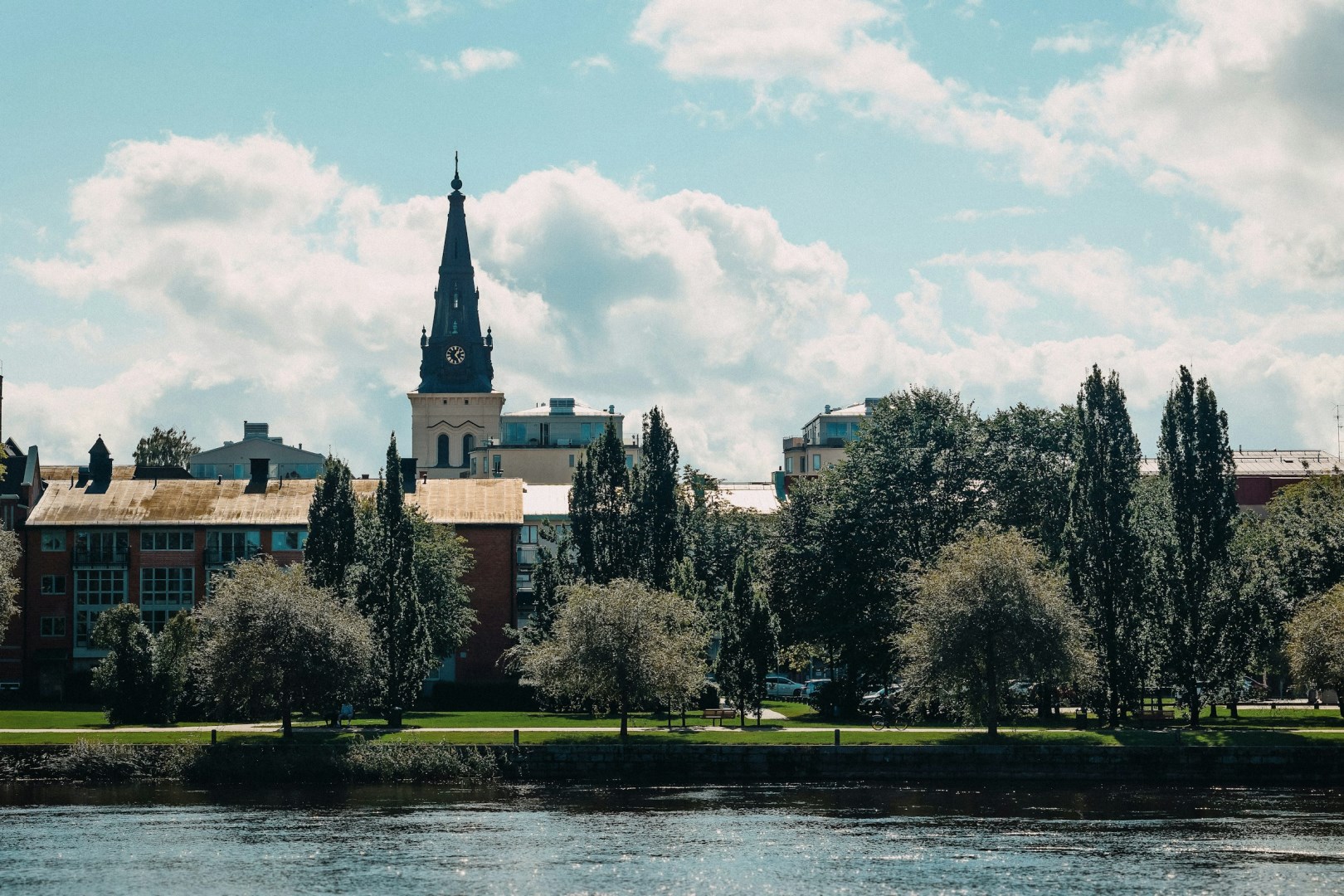
Karlstad
Karlstad, Sweden, is a city that elegantly combines natural beauty with cultural charm. Situated on the banks of Lake Vänern, Sweden’s largest lake, Karlstad is renowned for its picturesque waterfront and abundant sunshine. The city’s Värmlands Museum provides an enriching experience with its exhibits on local history, art, and the region's unique cultural heritage.
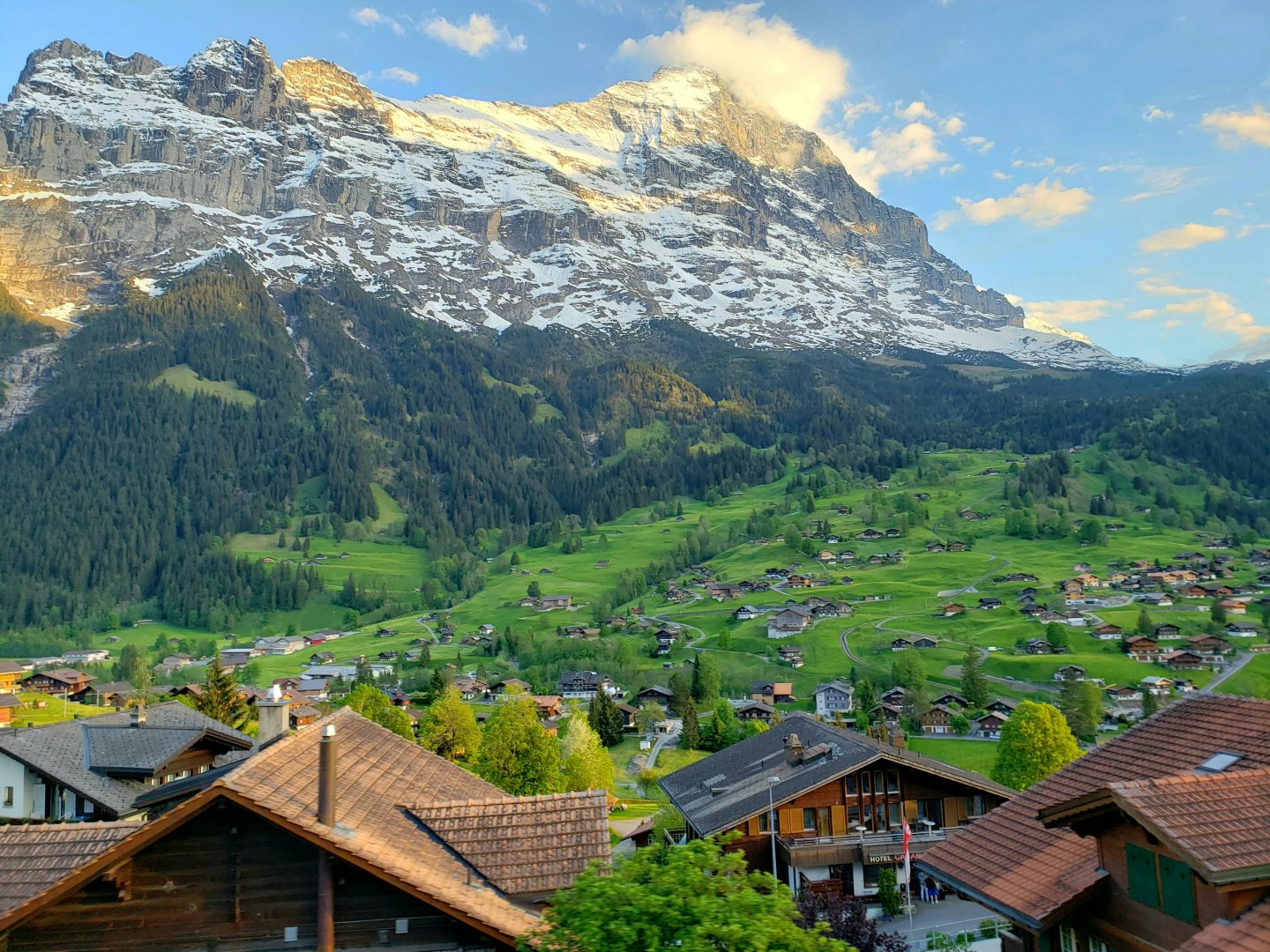
Grindelwald
Set in a wide alpine valley beneath the north face of the Eiger, Grindelwald has long been a place where mountain life and mountaineering history intersect. The village grew from a farming settlement into one of Switzerland’s earliest alpine tourism hubs in the 19th century, when climbers, writers, and scientists arrived to study—and attempt—the surrounding peaks.
