

Malaysia
Located in Southeast Asia, Malaysia consists of two distinct regions—Peninsular Malaysia and Malaysian Borneo—each offering unique opportunities. With its stunning landscapes and world-class food scene, Malaysia offers an unforgettable travel experience.
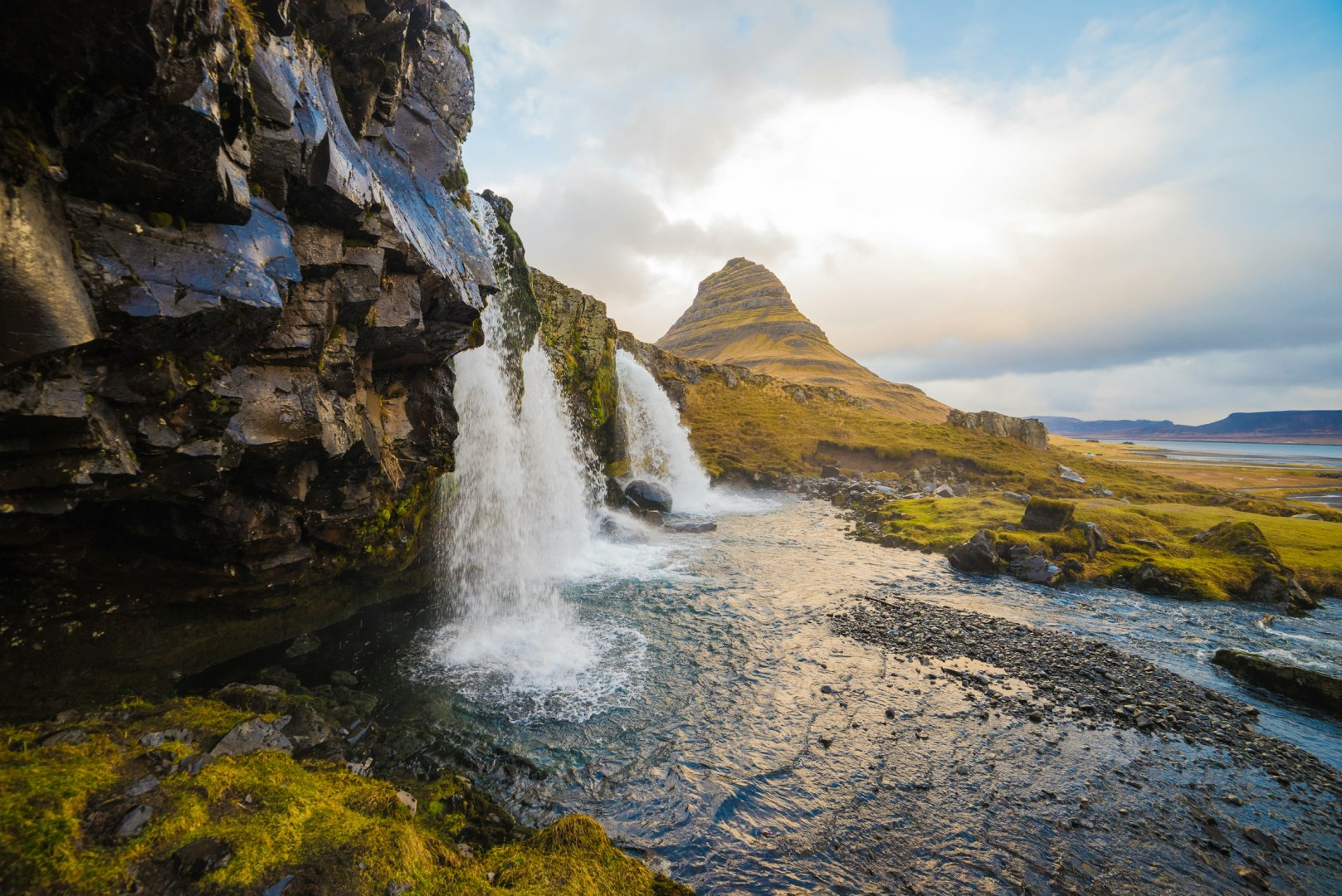
Kirkjufellsfoss
Kirkjufellsfoss is a small series of waterfalls beside Kirkjufell mountain near Grundarfjörður on the northern coast of Iceland’s Snæfellsnes Peninsula. The Kirkjufellsá river descends from the Helgrindur mountain range through several falls before reaching the sea, with Kirkjufell rising prominently behind them. The relationship between the waterfall and the distinctive mountain has made this one of the most recognizable landscapes in West Iceland.
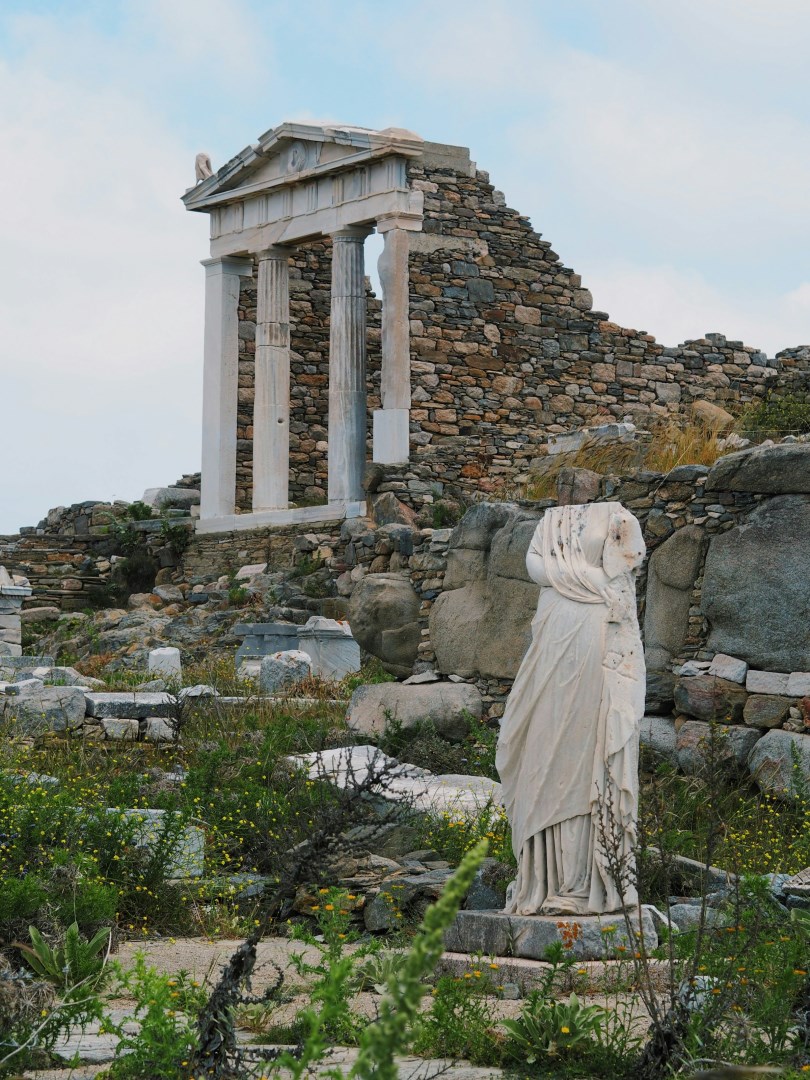
Delos
This uninhabited island is one of the finest archaeological sites in Greece. Considered a sacred island since the 7th century BC, the famous Terrace of the Lions stands guard over the "sacred lake" and the remains of the temple of Apollo.
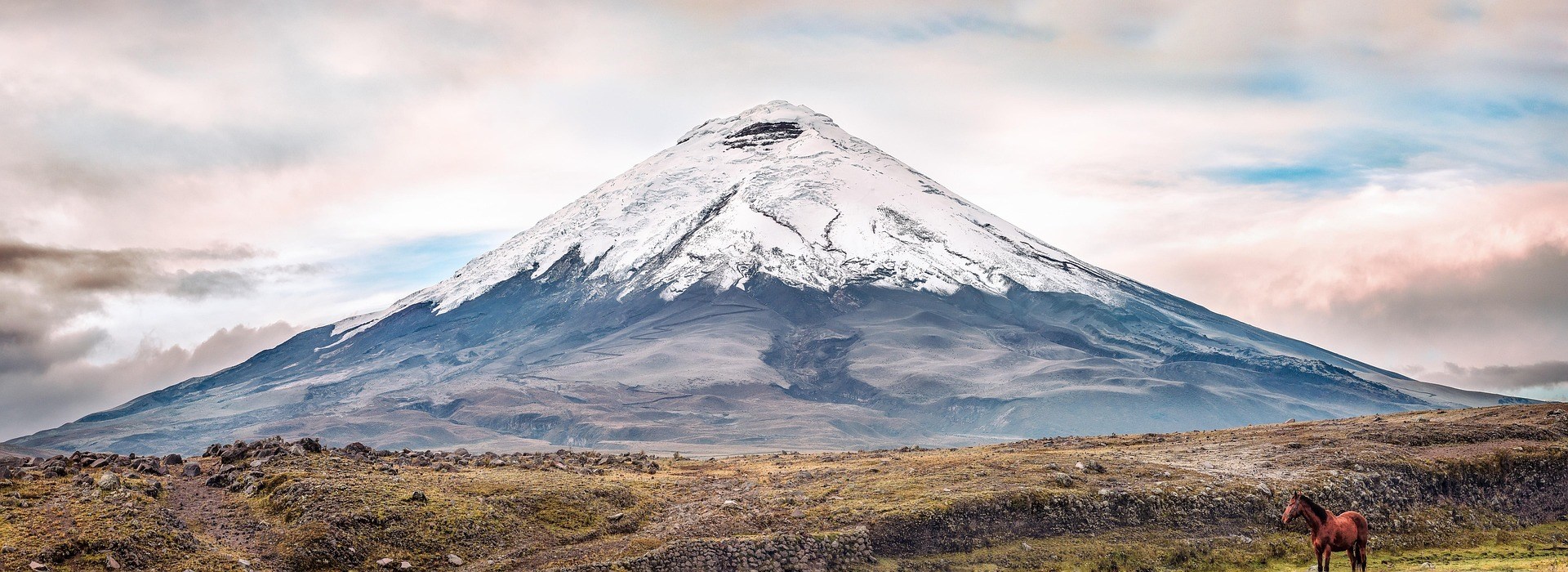
Cotopaxi National Park
Cotopaxi National Park is a protected Andean landscape in Ecuador, located around the snow-capped Cotopaxi volcano and extending across the provinces of Cotopaxi, Pichincha, and Napo. Its high-altitude terrain includes volcanic plains, grasslands, wetlands, and rugged mountain slopes. Cotopaxi, one of the world's highest active volcanoes, dominates the park and rises above the surrounding páramo.
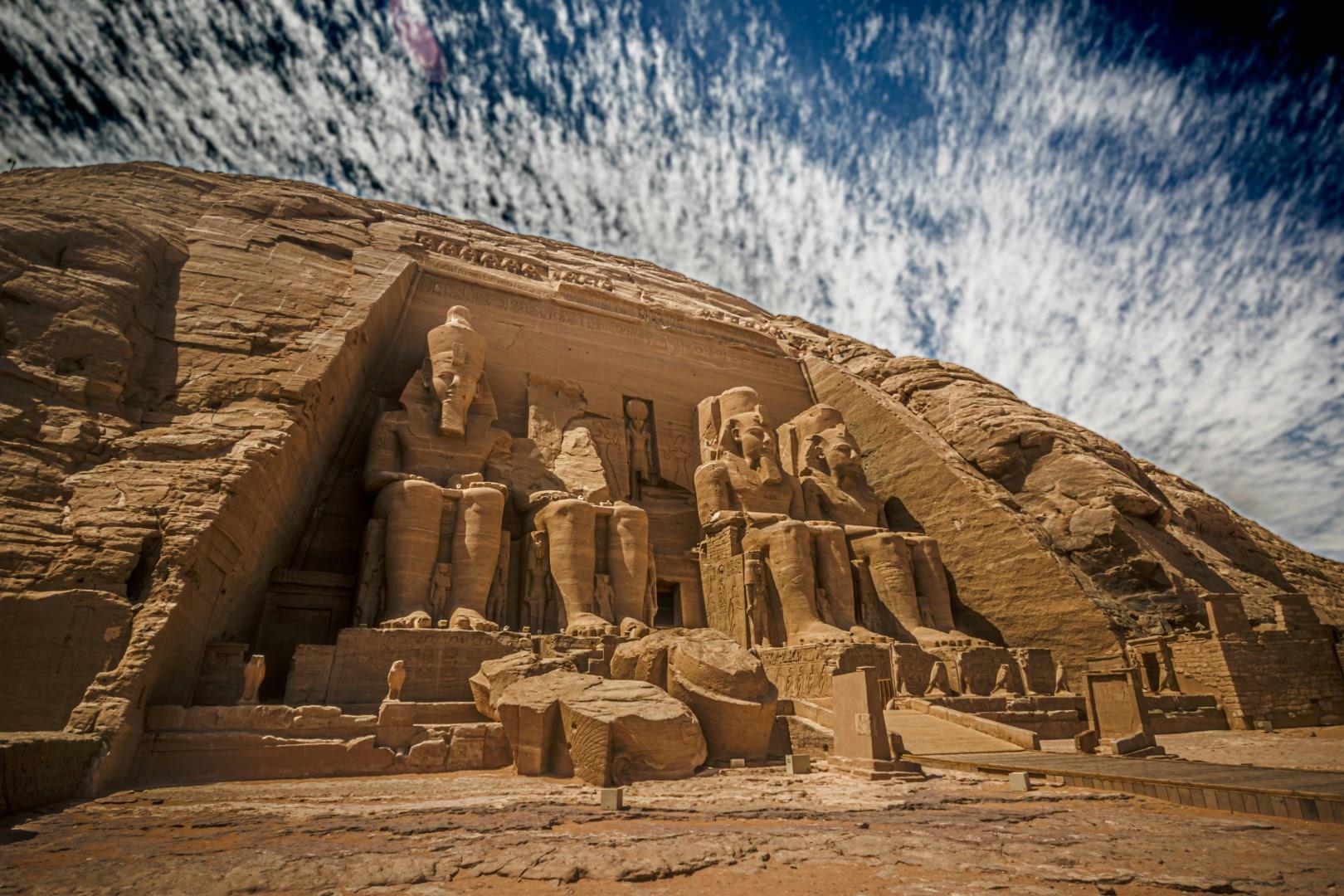
Abu Simbel
Abu Simbel, in southern Egypt near the border with Sudan, is one of the most awe-inspiring archaeological sites of the ancient world. Built during the reign of Pharaoh Ramses II in the 13th century BCE, the twin temples were carved directly into the sandstone cliffs overlooking the Nile. The Great Temple, with its four colossal statues of Ramses II seated at the entrance, was designed not only to honor the pharaoh but also to project his power to neighboring Nubia.
