
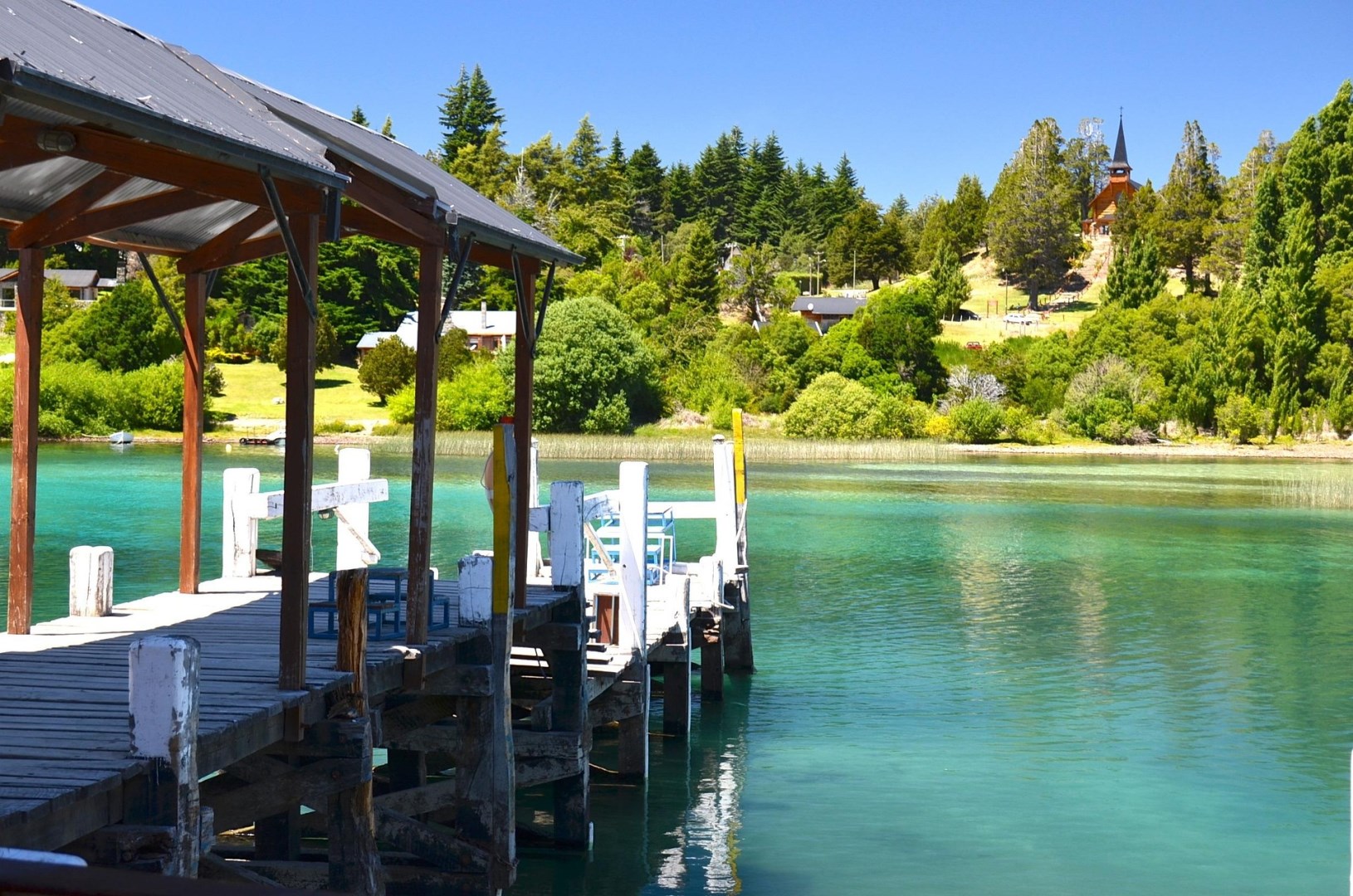
Bariloche
Bariloche, tucked into the foothills of the Andes in Argentina’s Patagonia region, is a town that feels both alpine and uniquely Argentine. With its wooden chalets, Swiss-style architecture, and chocolate shops on every corner, many visitors are surprised to find a lakeside town that resembles parts of Europe. But Bariloche’s identity is all its own, shaped by deep indigenous roots, waves of immigration, and the striking presence of Lake Nahuel Huapi.

Kom Ombo
Kom Ombo, a hidden gem along the Nile River in southern Egypt, is a destination that seamlessly blends ancient history, captivating architecture, and scenic beauty. This charming town is renowned for the Temple of Kom Ombo, a unique double temple dedicated to two deities: Sobek, the crocodile god, and Horus, the falcon-headed god of the sky.
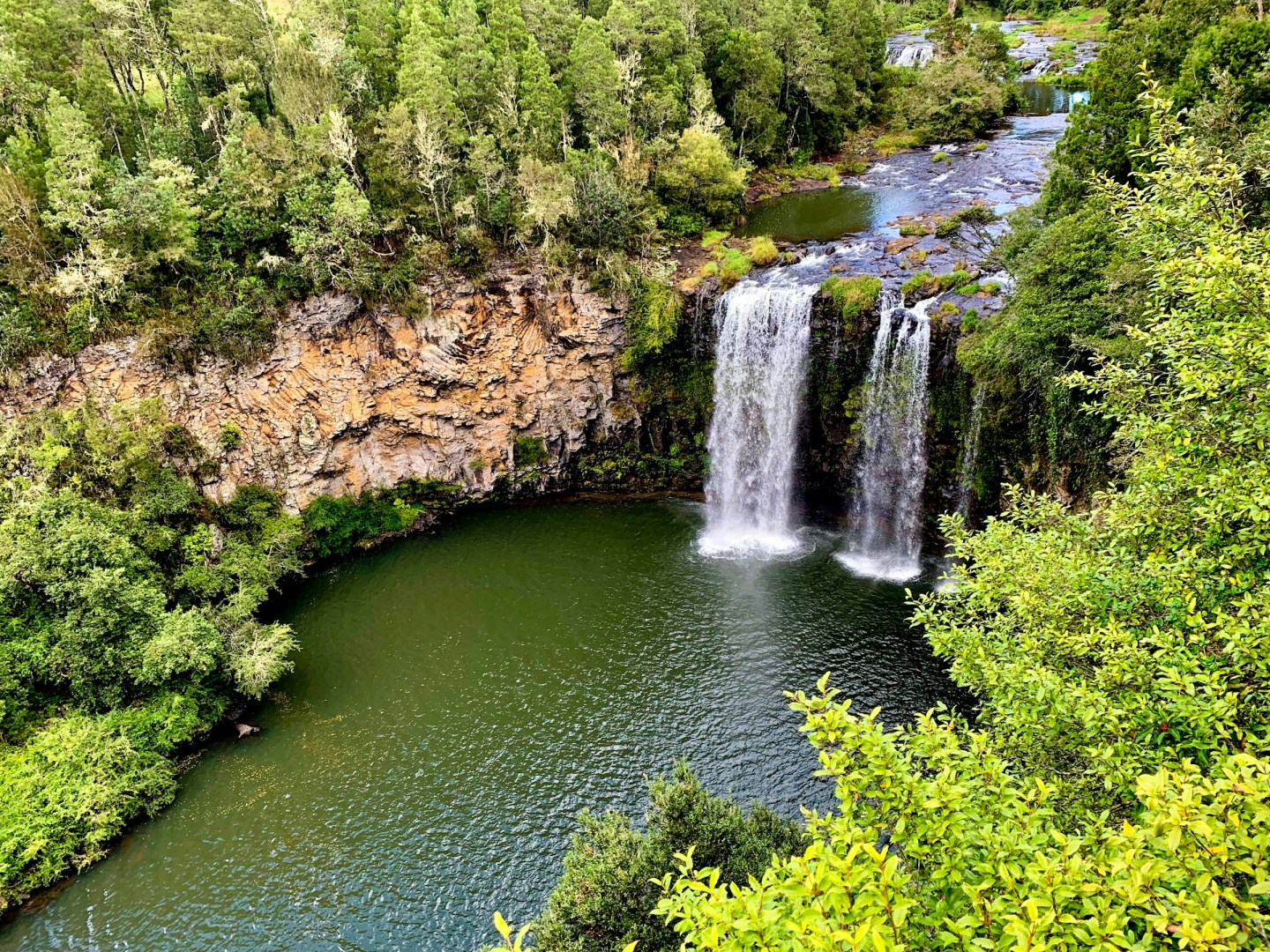
Dorrigo National Park
Dorrigo National Park lies on the escarpment of northern New South Wales, about an hour from Coffs Harbour, where subtropical rainforest covers steep valleys and high country. The park forms part of the Gondwana Rainforests of Australia World Heritage Area, protecting plant communities that preserve links to ancient forests. Its elevated position creates broad views toward the Bellinger Valley and the coast, while dense forest keeps many walking tracks cool and shaded.

Iringa
Iringa is a highland city in southern Tanzania, built on steep slopes overlooking the Little Ruaha River. Its elevated setting gives the city a cooler climate and broad views across surrounding hills and agricultural land. Iringa is an important regional centre and serves as a gateway to Ruaha National Park, one of Tanzania’s major wildlife areas.
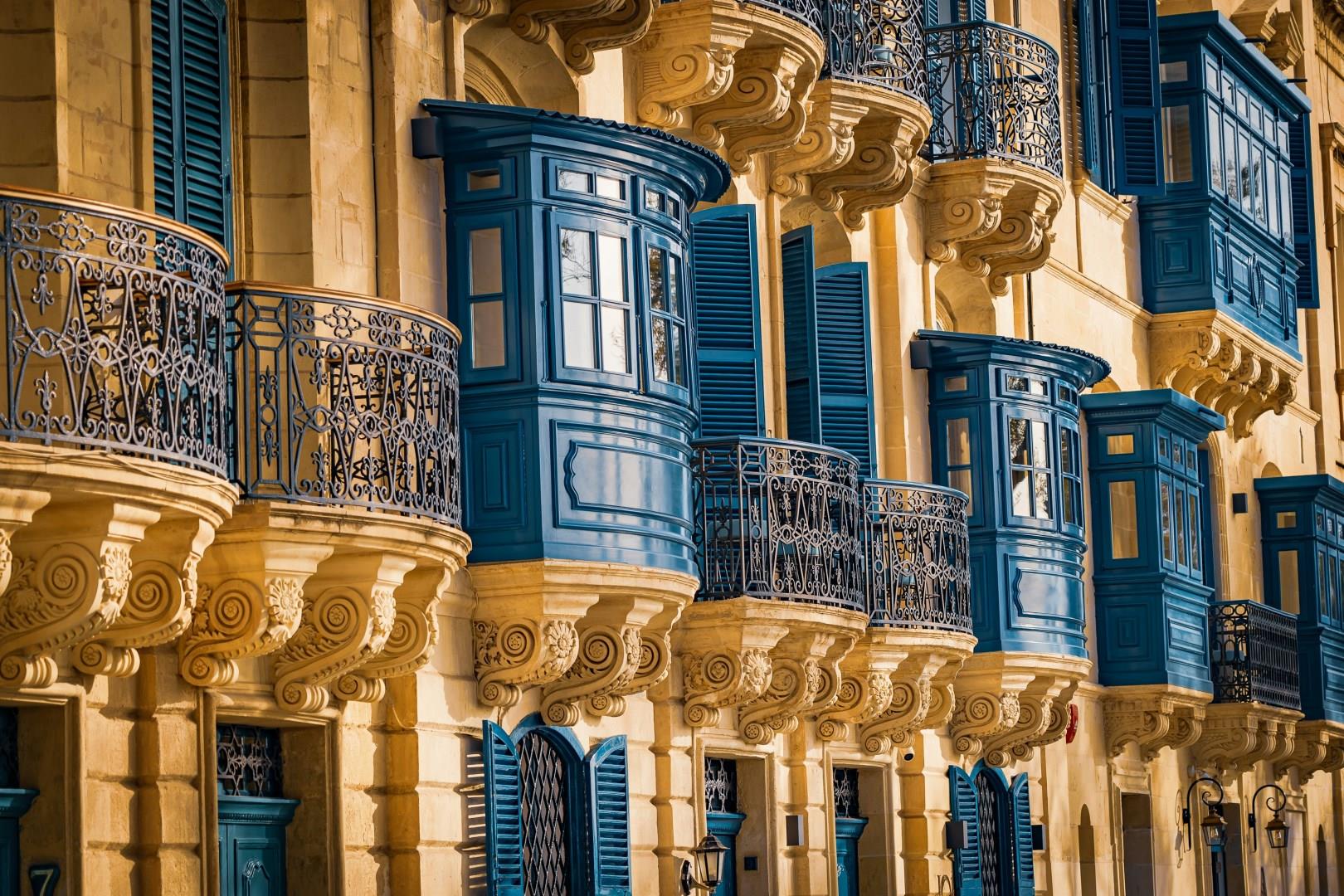
Valleta
Malta’s ornate and vibrant capital, Valletta, dazzles travelers with its abundance of historical landmarks and striking architecture. This island jewel off the coast of Italy remains a popular destination for Mediterranean cruises. From central St. George’s Square, to sixteenth-century Casa Rocca Piccola, to the Siege Bell War Memorial, Valletta has no shortage of monuments detailing the city’s long history.
