
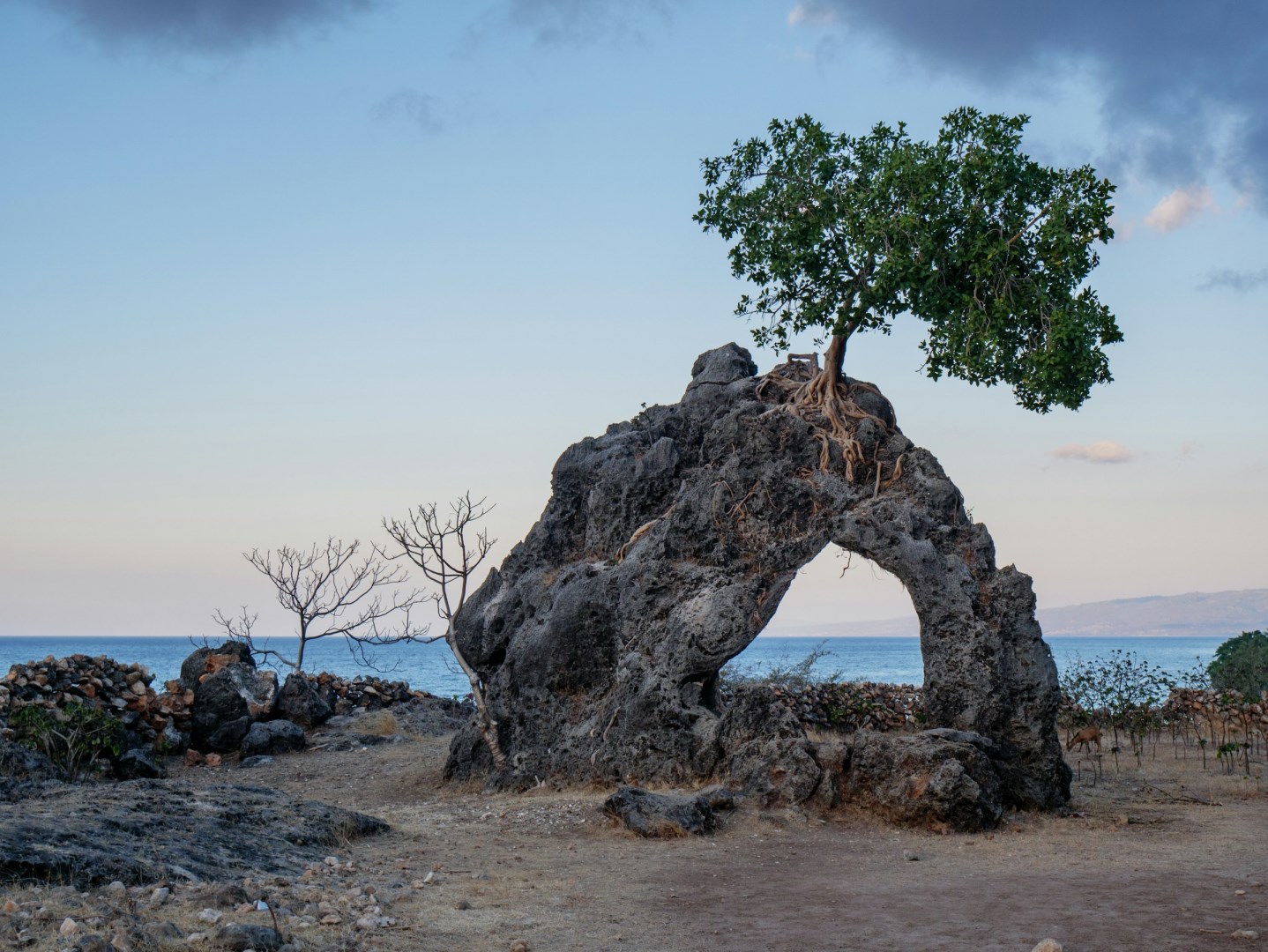
Baucau
Baucau is Timor-Leste's second-largest city, located on the country's north coast on a plateau above the Ombai Strait. The city is surrounded by limestone hills, agricultural land, and tropical vegetation, with a cooler climate than the low-lying coastal plain below. Baucau is divided broadly into the older Vila Nova area and the historic Vila Velha, where colonial-era buildings, churches, and public spaces remain.
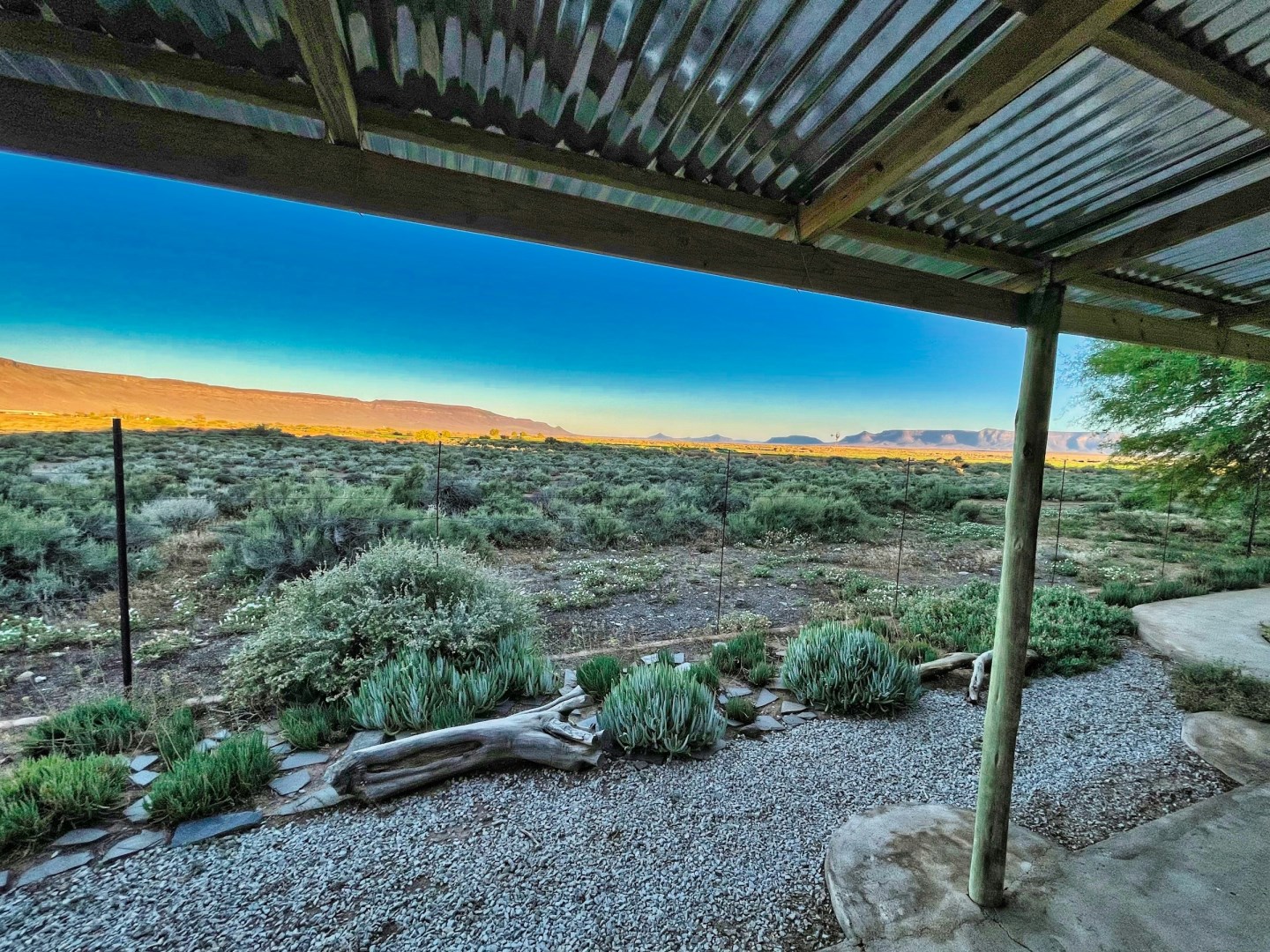
Calvinia
Calvinia is a small town in the Northern Cape’s Hantam Karoo, surrounded by a dry landscape of wide plains, rocky hills, and hardy shrubs. It serves as a regional centre for farming communities and is particularly associated with sheep farming and the production of Karoo wool. The town lies beneath the Hantam Mountain, a prominent local landmark that rises above the surrounding plains.
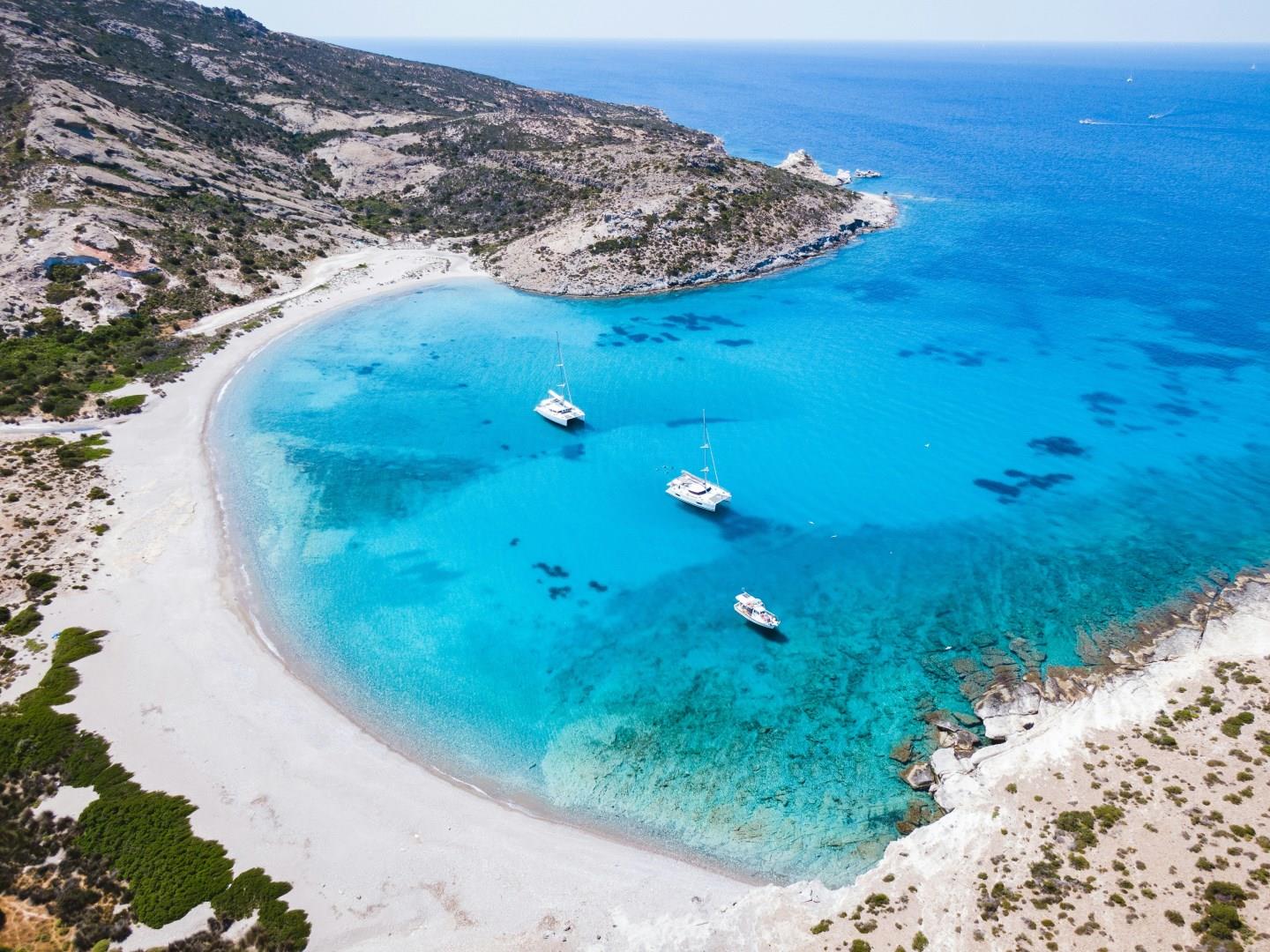
Milos
Milos is one of the most striking islands in the Aegean Sea, known for its otherworldly landscapes, turquoise coves, and centuries-old history. Shaped like a horseshoe, the island was formed by volcanic activity which left behind dramatic cliffs and hidden beaches carved from soft white rock. Visitors often find their first glimpse of Milos unforgettable, especially at Sarakiniko Beach where smooth, chalk-white formations contrast with the vivid blue water.

Qatar
Qatar invites discovery through both its modern ambition and traces of its desert heritage. In Doha, the Museum of Islamic Art, designed by I. M. Pei, rises over the waterfront to display centuries of calligraphy, ceramics, textiles, and metalwork. Nearby, the National Museum of Qatar presents the nation's story through exhibits and architecture shaped like the desert rose. Each space offers both insight and reflection.
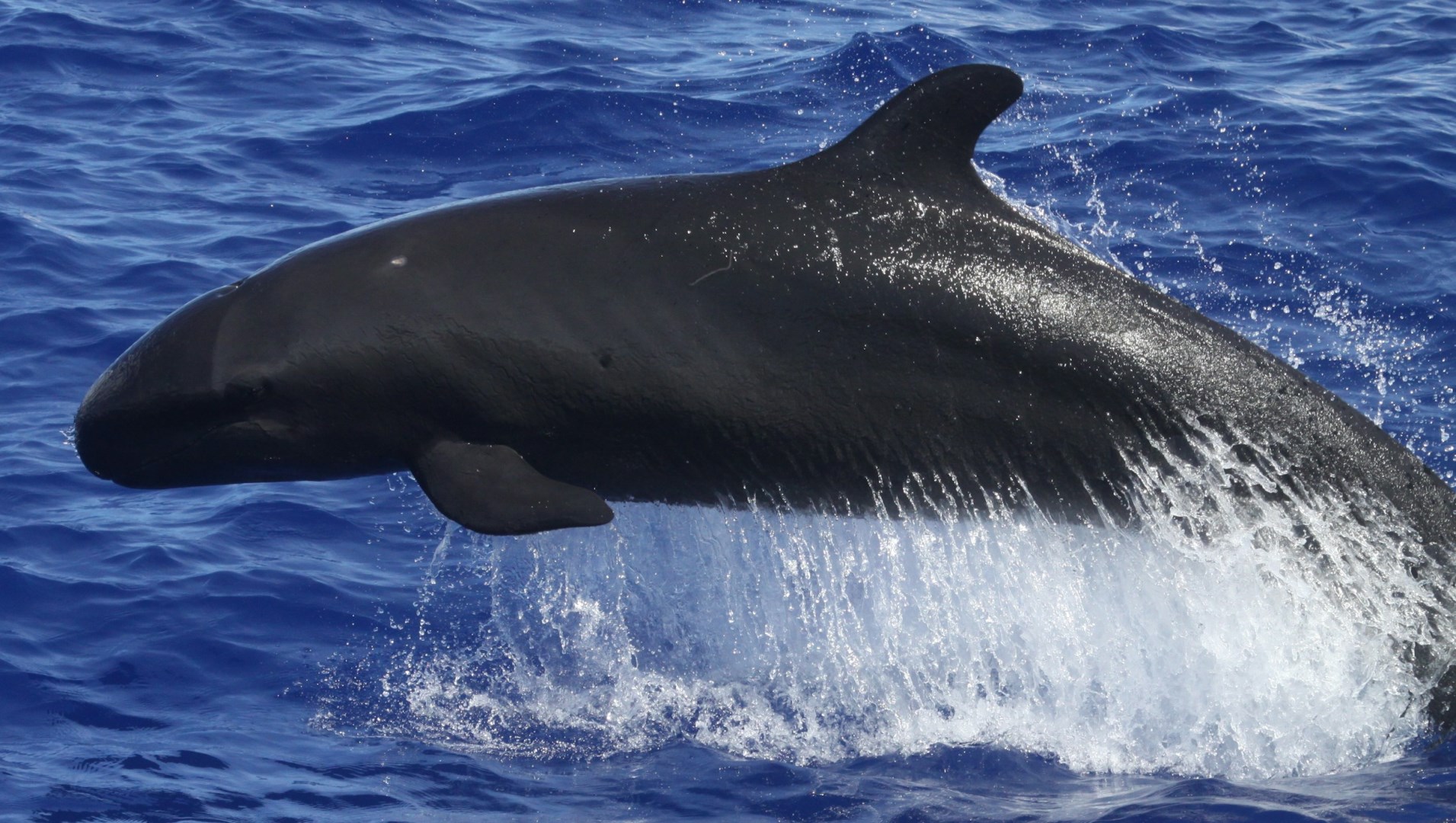
Rota Island
Rota is the southernmost island in the Northern Mariana Islands, situated between Guam and the larger islands farther north in the archipelago. Its landscape combines limestone hills, coastal cliffs, sandy beaches, forests, and small farming areas.
