

Cyprus
In Cyprus, travelers are immersed in a culture that draws on Europe, the Middle East, and 9000 years of constant invasion. Crusader castles rub shoulders with ancient vineyards, frescoed monasteries overlook citrus orchards, and sandy, sun-soaked feet tread Roman mosaic floors.
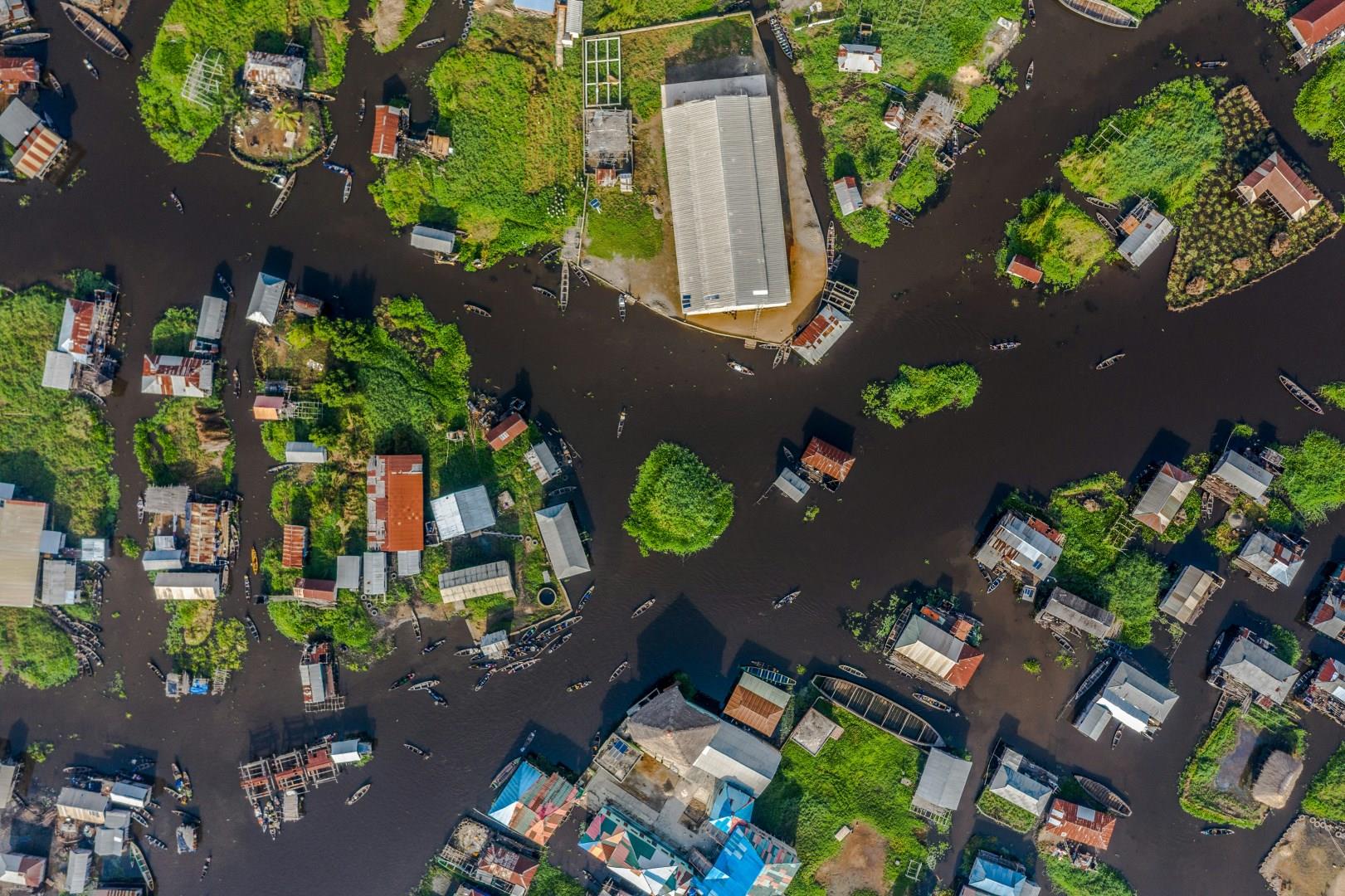
Ganvie
Ganvie, often called the "Venice of Africa," is a lake village located in the heart of Lake Nokoué in southern Benin. What makes Ganvie extraordinary is that the entire village sits on stilts above the water, with wooden homes, floating markets, and schools accessible only by boat. Visitors can glide through narrow canals in pirogues, experiencing firsthand a way of life shaped entirely by water.

Seward
This quaint port city is breathtakingly beautiful! Surrounded by peaks, Seward fjords are the perfect whale and porpoise habitat, and both seals and puffins fill the Alaska SeaLife Center. Those looking for a challenge can hike the western trail to the summit of Mount Marathon.

Denali National Park
Denali National Park and Preserve is an adventurer’s paradise! This scenic landscape and arctic tundra in the Alaska wilderness is one of the country’s most beautiful national parks, and with over six millions acres of land, the park offers plenty of exhilarating activities, breathtaking hikes, and majestic sights, all of which will leave you in awe.

Melk
Nestled along the south bank of the Danube, this historical Austrian city bursts with charm. A favorite stop on European river cruises, the city's most famous attraction is Melk Abbey, which dates back to the 11th century. The original Benedictine structure was lost to fires and foreign invasion, then rebuilt during the 18th century in lavish Baroque style, including a library and inner church covered in magnificent frescoes and gilded fixtures.
