
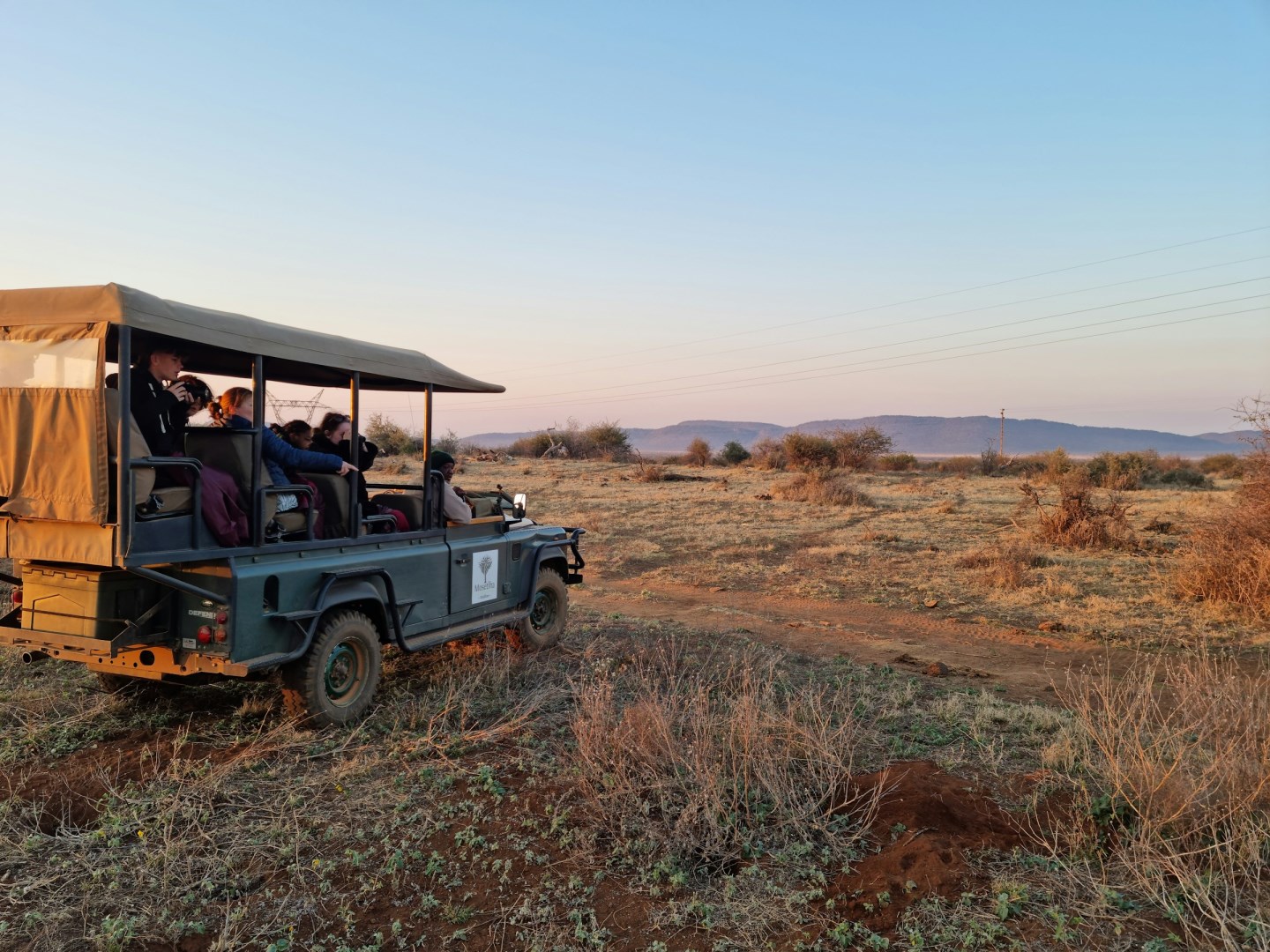
Madikwe Game Reserve
Madikwe Game Reserve is a large protected wildlife area in South Africa’s North West province, close to the Botswana border. Its landscape consists mainly of open grassland, bushveld, rocky hills, and seasonal watercourses, with habitats supporting a wide range of wildlife. The reserve is notable for being one of South Africa’s major conservation areas established on former farmland, with wildlife populations restored through a large-scale relocation programme.
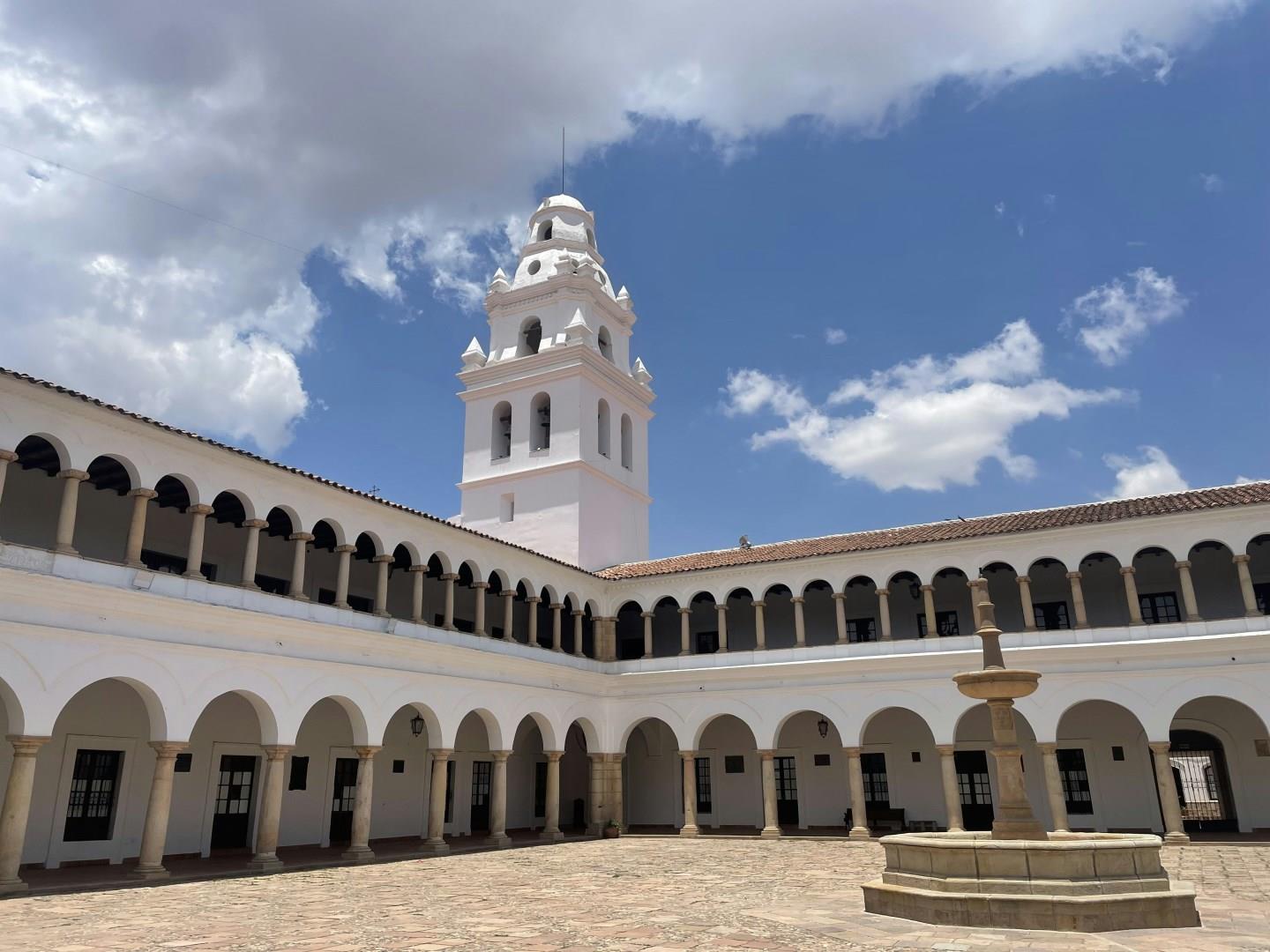
Sucre
Sucre, Bolivia’s constitutional capital, is a city steeped in history and colonial charm. Founded in the 16th century by the Spanish, it played a pivotal role in South America’s independence movements, earning its place as the birthplace of the Bolivian Republic.
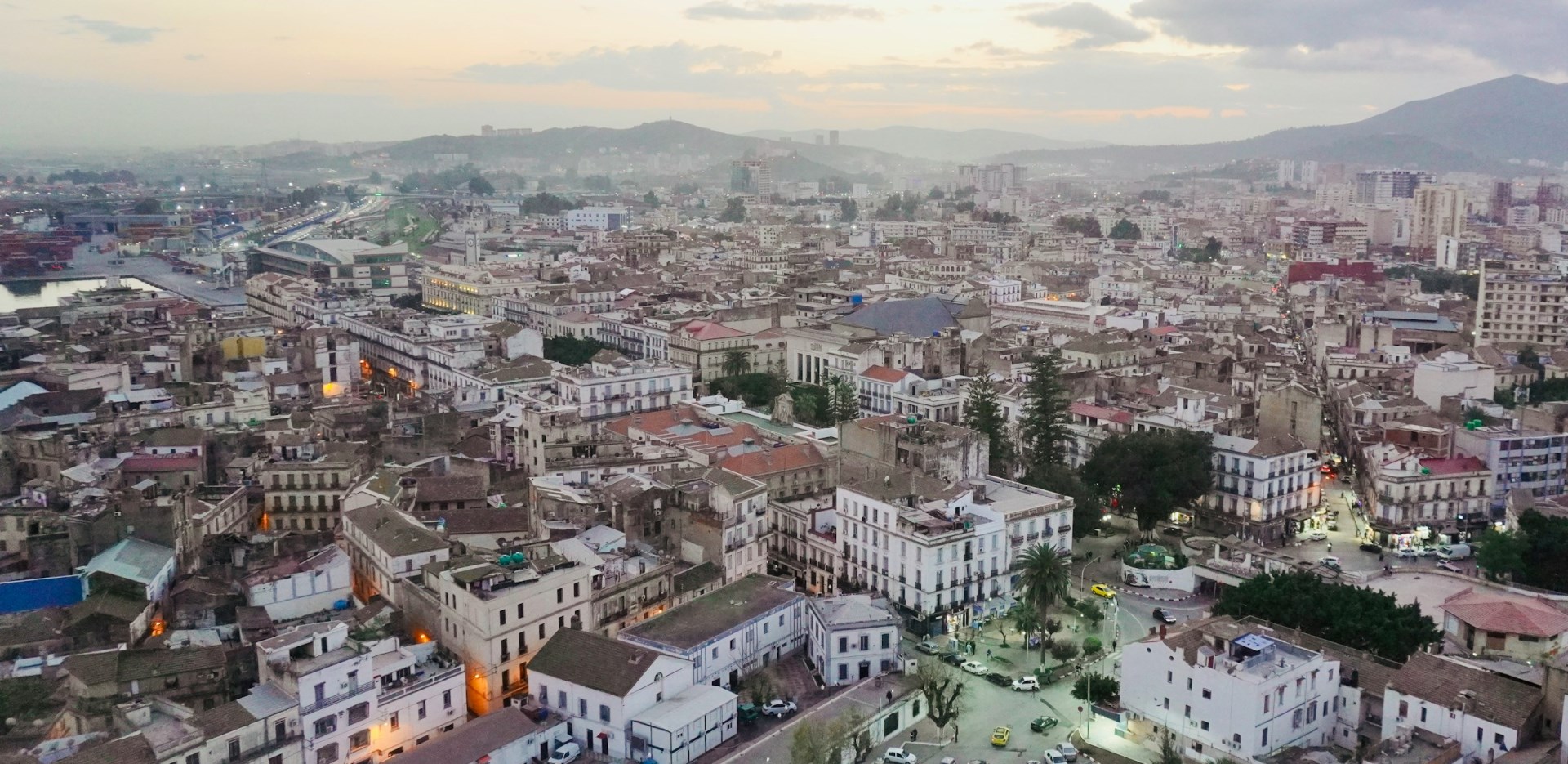
Annaba
Annaba is a coastal city in northeastern Algeria, set along the Mediterranean near the forested hills of the Edough Mountains. Its identity combines a working port, sandy beaches, historic neighborhoods, and the archaeological remains of ancient Hippo Regius. The city is also closely associated with Saint Augustine, who served as bishop of Hippo, giving Annaba an important place in the religious and intellectual history of North Africa.
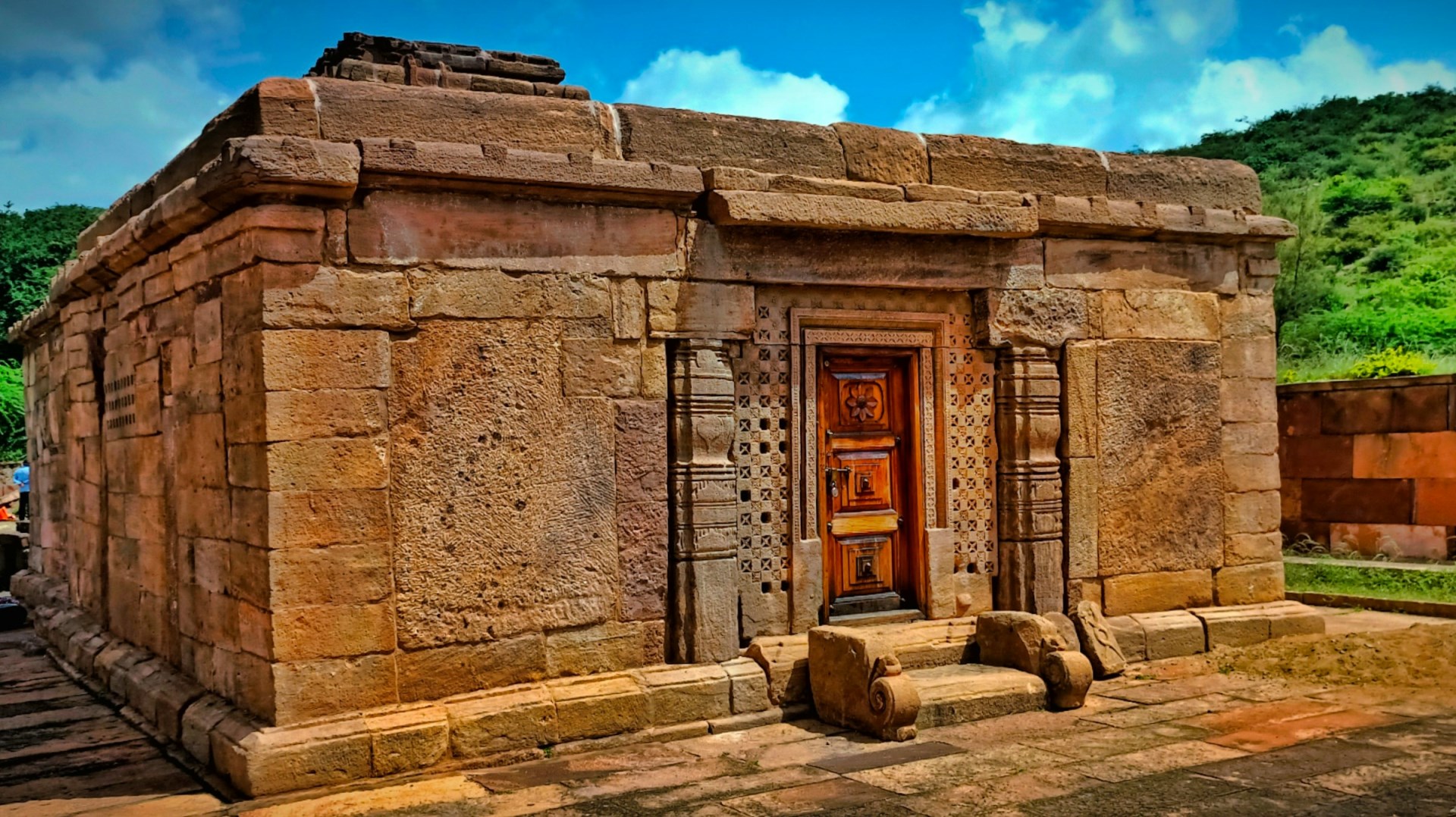
Badami
Badami is a historic town in Karnataka’s Bagalkot district, set among red sandstone cliffs and rocky hills in the northern Deccan. Once an important Chalukyan capital, the town is now best known for its rock-cut temples, carved directly into the sandstone surrounding Agastya Lake. The compact setting brings together ancient monuments, a reservoir, rocky outcrops, and narrow valleys, creating a landscape closely tied to the region’s architectural heritage. Badami also forms part of the important
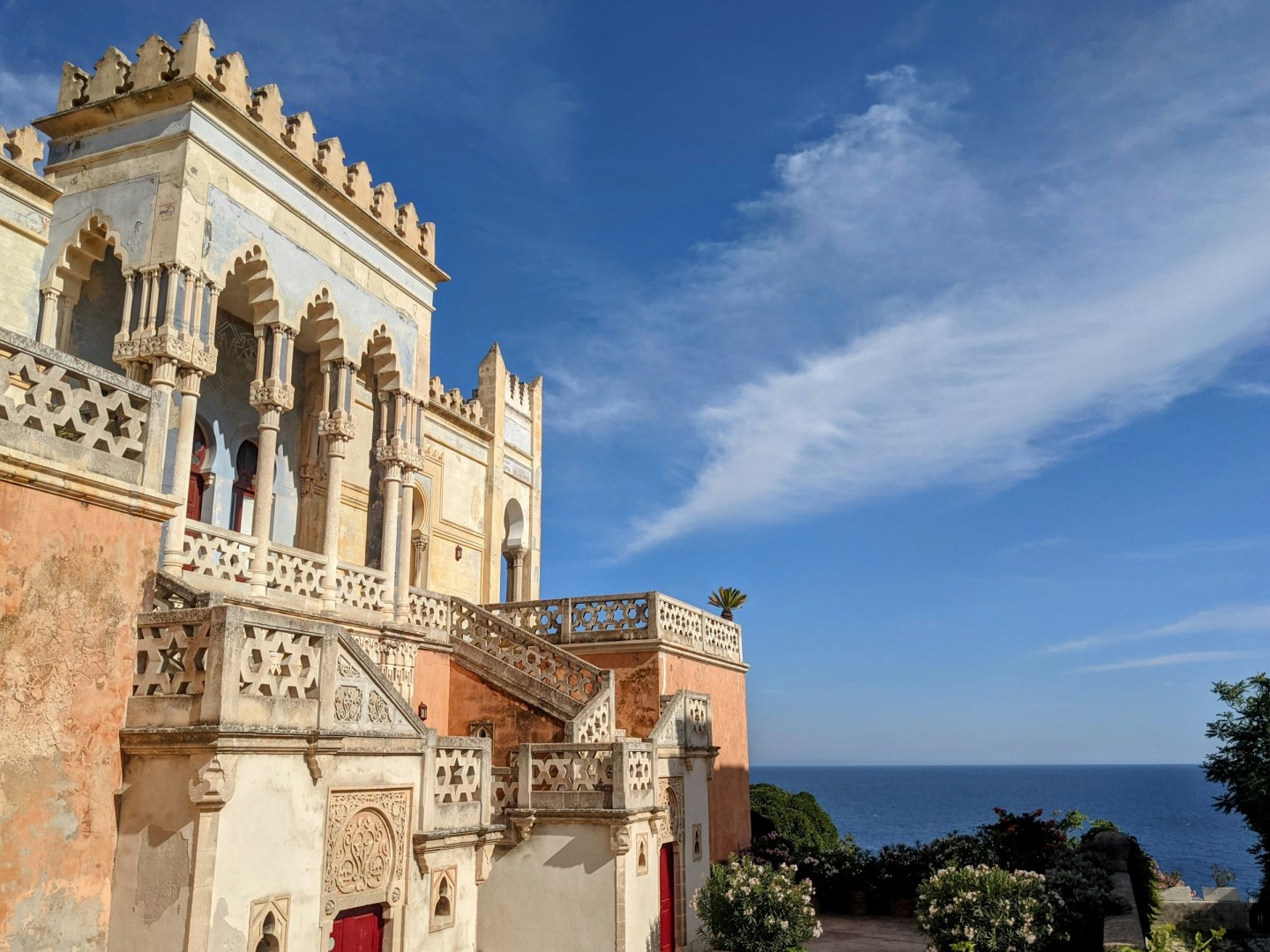
Lecce
Lecce is a city in southern Puglia, at the center of the Salento peninsula, known for its historic buildings made from the region’s soft, honey-colored limestone. The old center contains elaborate churches, palaces, courtyards, and narrow streets, many decorated with carved columns, figures, floral motifs, and other details associated with Lecce Baroque. Piazza del Duomo and Piazza Sant’Oronzo form two of the city’s principal public spaces, while the Roman amphitheater remains visible at the hea
