
Sullivan Bay
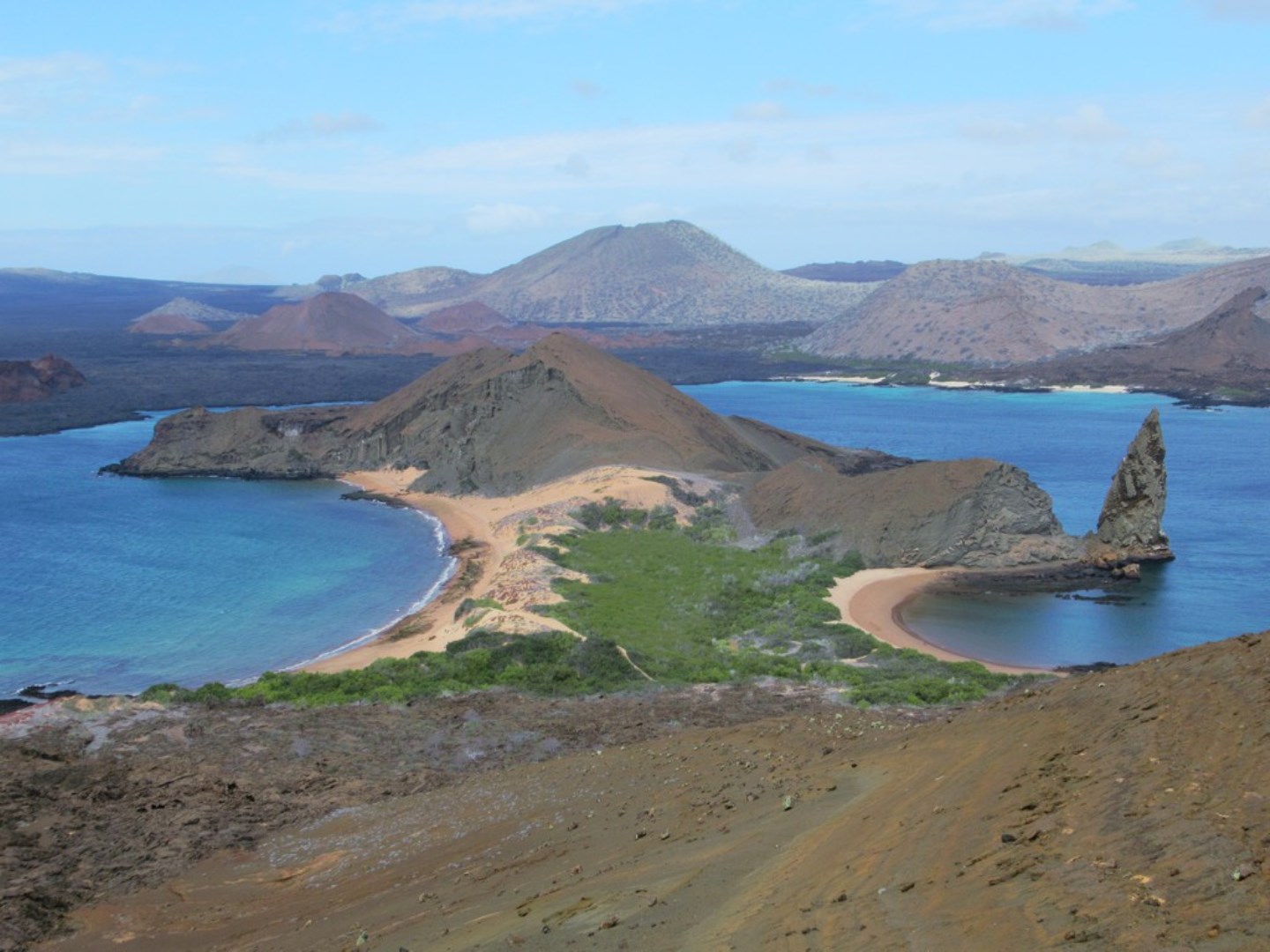
Sullivan Bay, located on the eastern shore of Santiago Island in Ecuador’s Galápagos archipelago, offers a landscape that feels almost otherworldly at first glance. Instead of lush greenery, visitors are greeted by wide stretches of hardened lava. These black, rippled fields tell a story written in fire, where molten rock once flowed freely before cooling into intricate patterns that can still be traced today.
Belize Barrier Reef
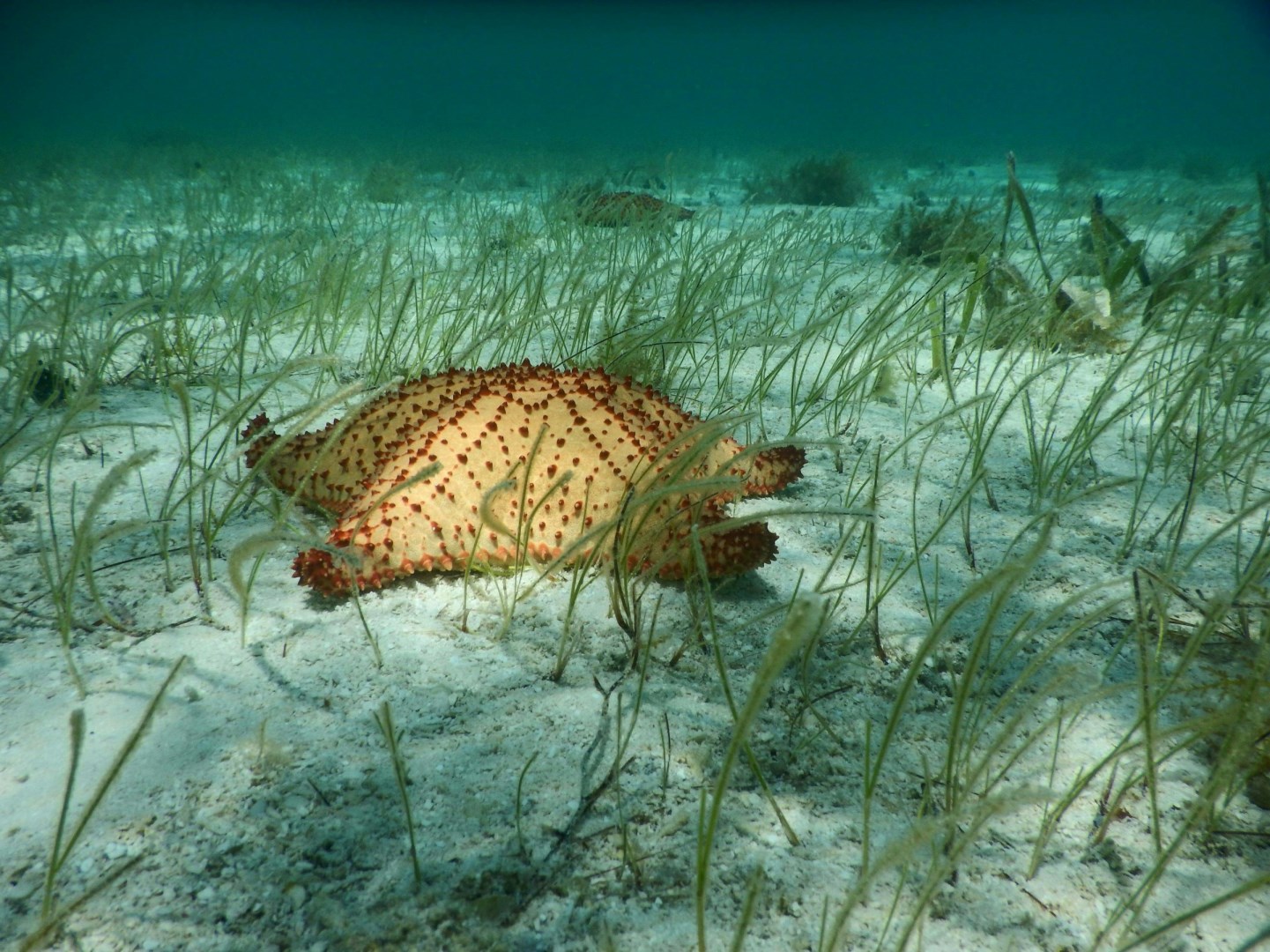
The Belize Barrier Reef is a long coral reef system along the Caribbean coast of Belize, forming part of the larger Mesoamerican Barrier Reef System. It extends for much of the country’s coastline and includes hundreds of cayes, mangrove islands, lagoons, seagrass beds, and offshore reef formations. The reef lies close to several coastal communities, including San Pedro, Placencia, and Dangriga, providing an important setting for fishing, tourism, and marine research.
Saint-Pierre
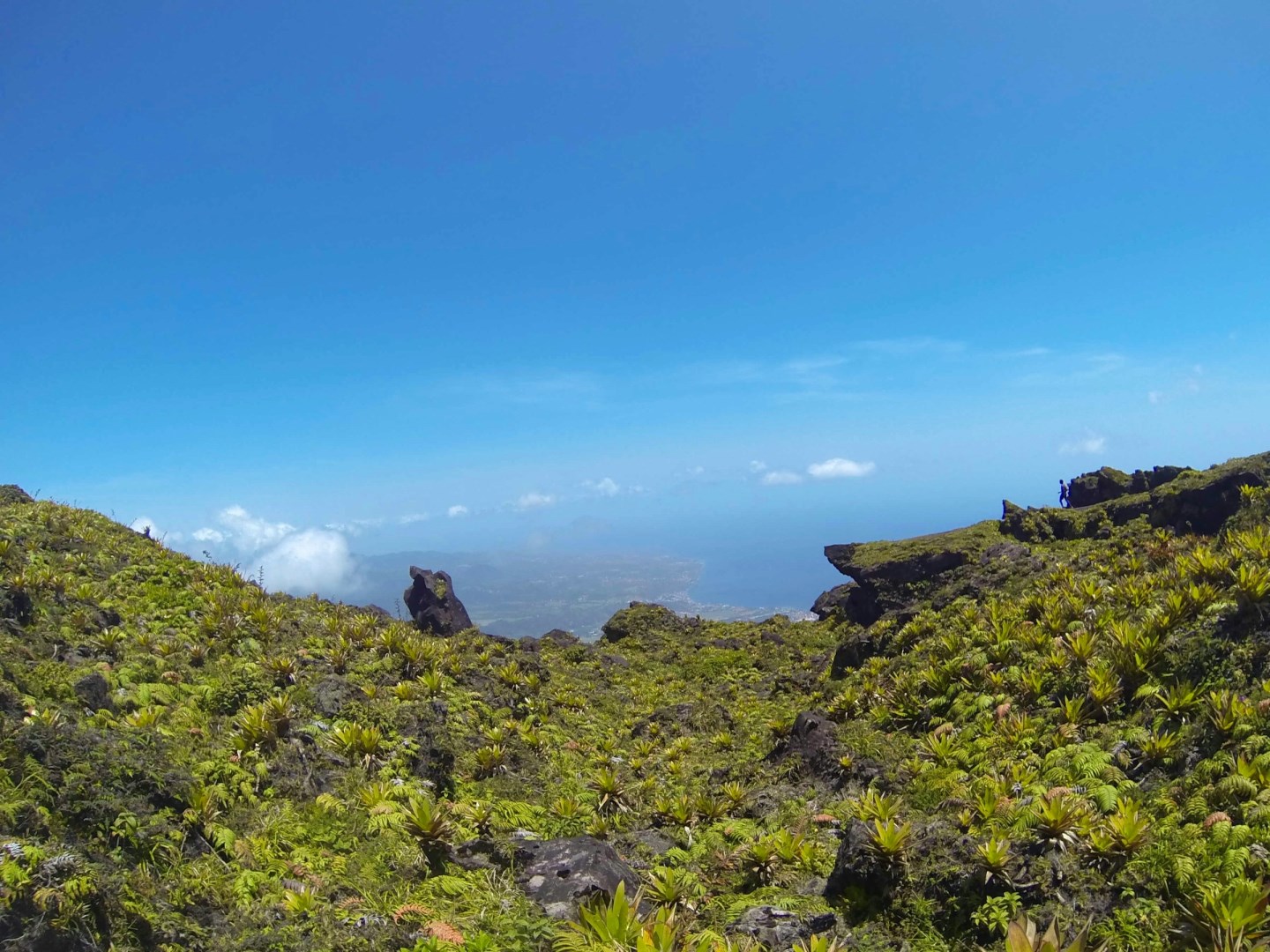
Saint-Pierre is a historic coastal town in northern Martinique, set between the Caribbean Sea and the slopes of Mount Pelée. Once the island’s principal port and commercial centre, the town was destroyed by the volcano’s eruption and later rebuilt around surviving ruins and archaeological remains. Today, Saint-Pierre is recognized as a Town of Art and History, with a landscape that combines the sea, volcanic mountain, historic streets, and remnants of the former city.
Marshall Islands
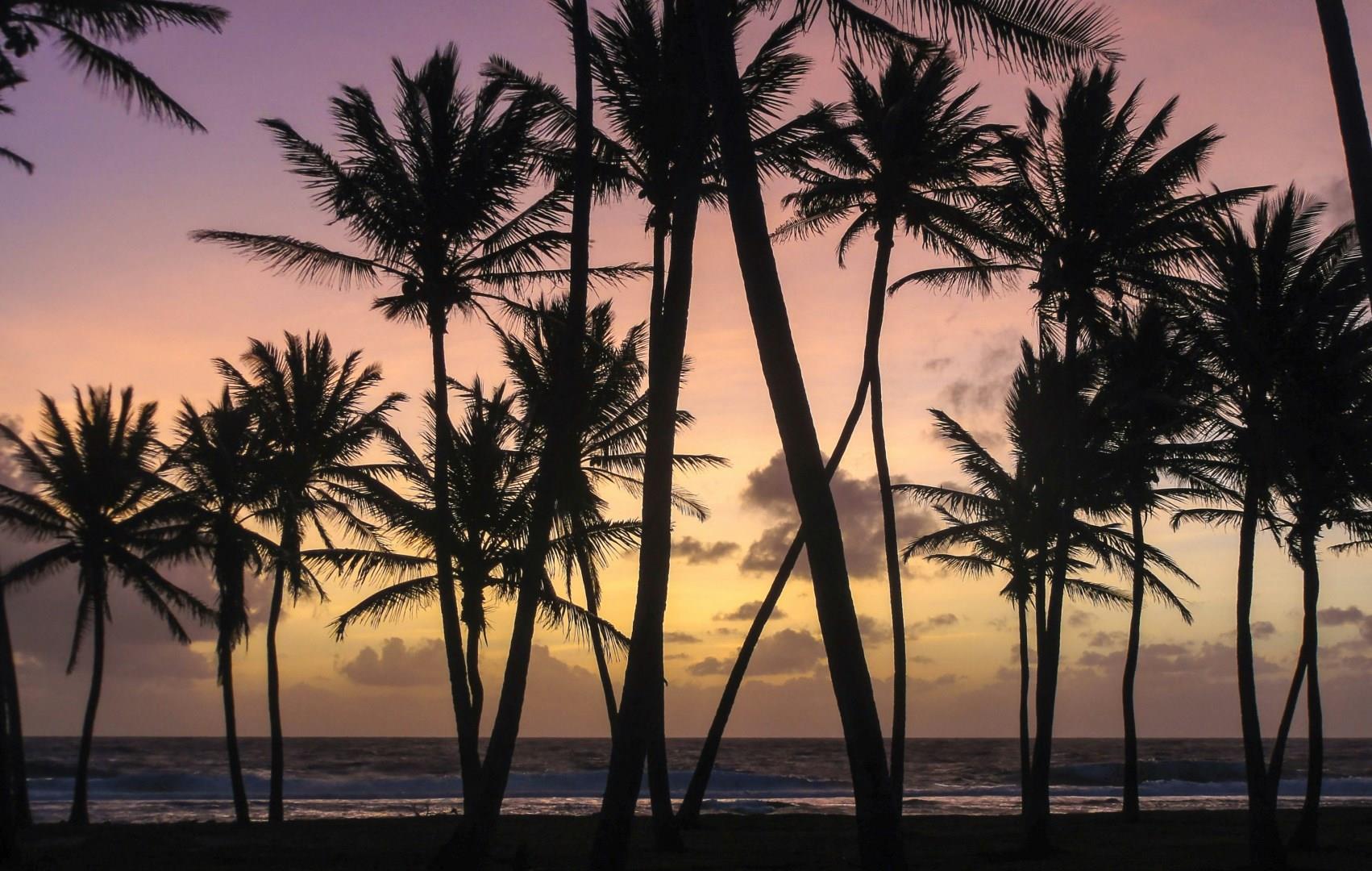
The Marshall Islands, a remote chain of atolls and islands in the central Pacific, invites travelers into a world where tradition, ocean life, and recent history all leave a lasting impression. Spread across nearly a million square miles of ocean, this independent nation offers rare access to some of the world’s most pristine marine environments.
Itea
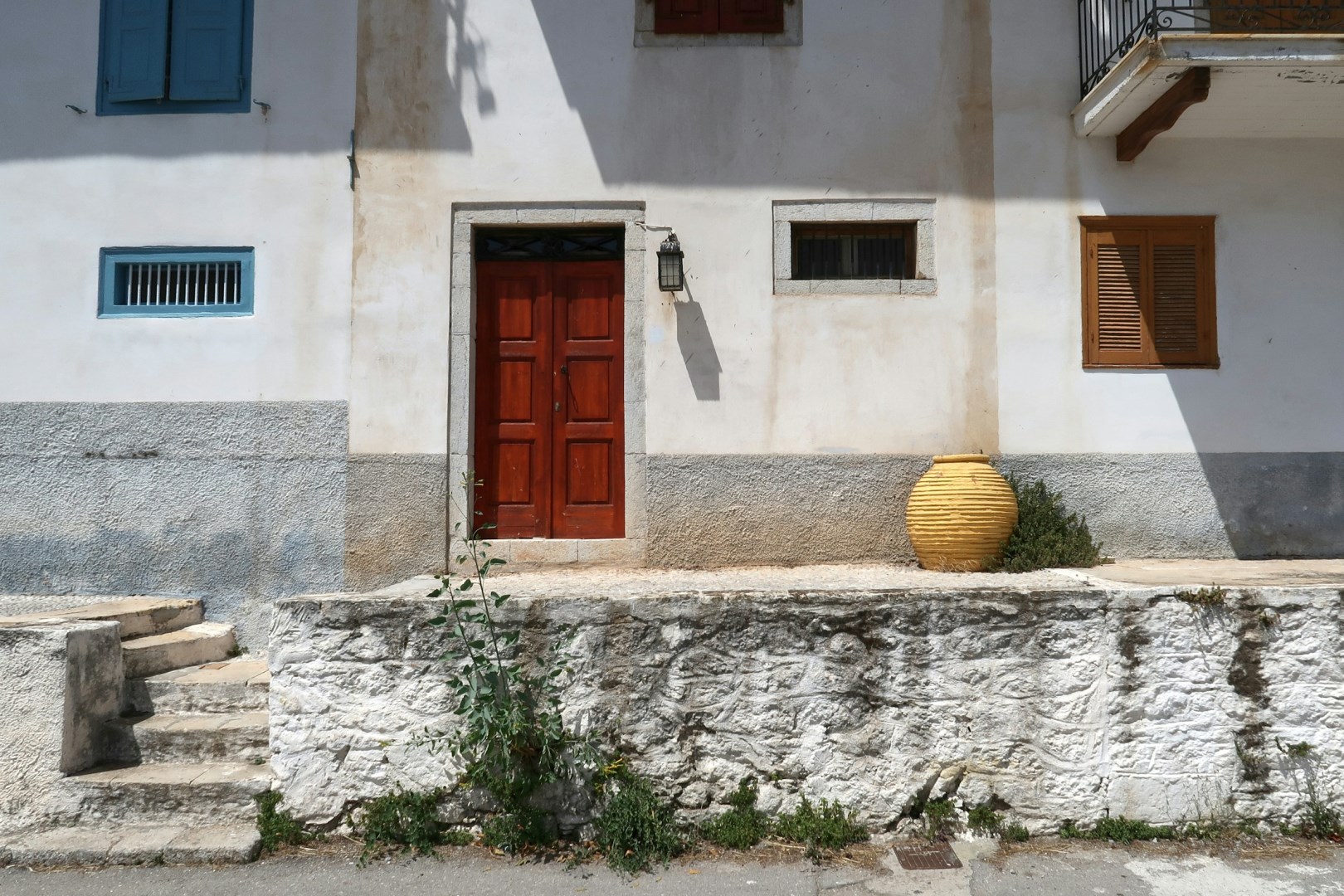
Itea is famous for its honey and olives. That said, it is the perfect little town to stay in as a starting point for day trips to such places as Delphi, one of the most popular and interesting archaeological sites in the world, and Amphissa, the capital of prefecture. Itea is also host to many festivals in the winter and summer months.
